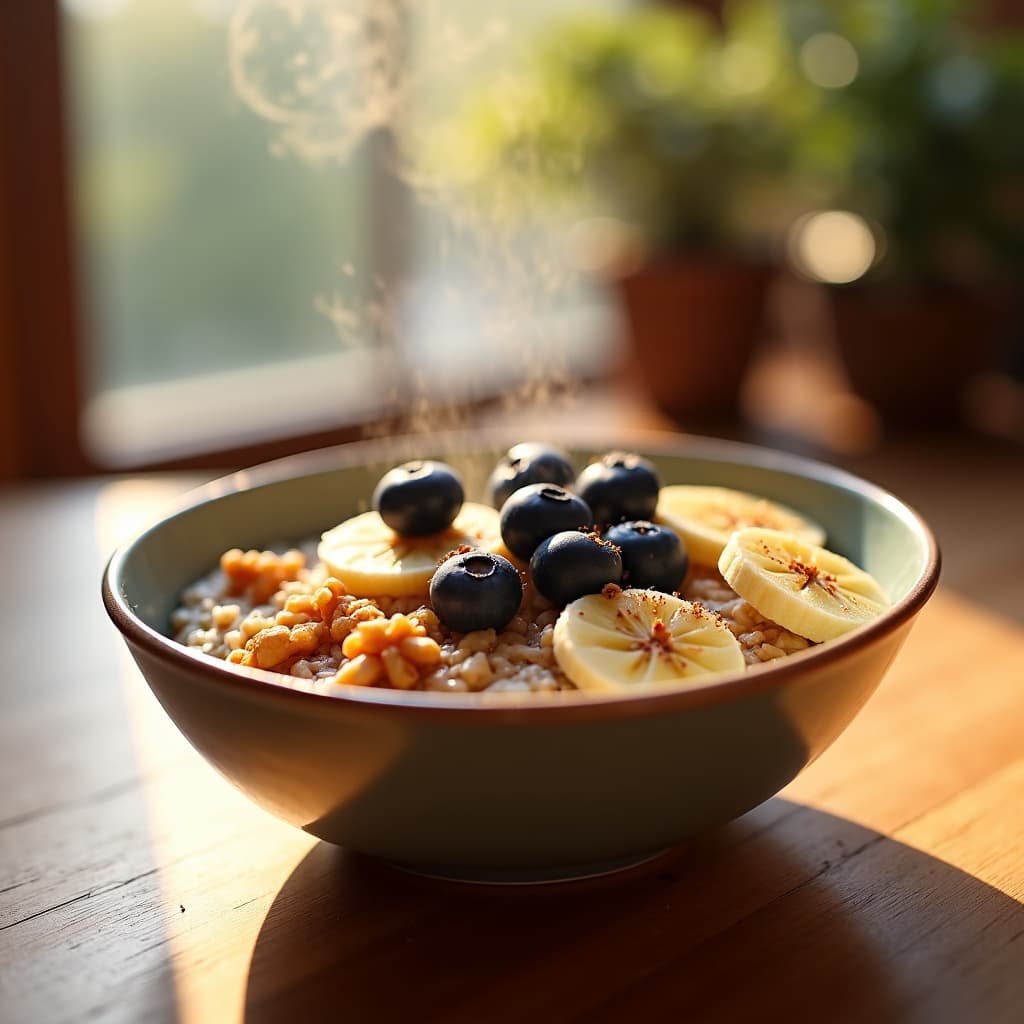
Yes, oatmeal is anti-inflammatory. Oats contain two compounds with well-documented anti-inflammatory properties: beta-glucan (a soluble fiber) and avenanthramides (polyphenols unique to oats). Both have been shown to reduce inflammatory markers including CRP, IL-6, and TNF-alpha in clinical studies.
Oatmeal scores favorably on the Dietary Inflammatory Index, placing it firmly in the anti-inflammatory category. But not all oatmeal is created equal. The type of oats, what you add to them, and how they are processed all affect the anti-inflammatory outcome.
The Anti-Inflammatory Compounds in Oatmeal
Beta-Glucan
Beta-glucan is a soluble fiber found in the cell walls of oat grains. It forms a gel-like substance in the gut that slows digestion, feeds beneficial bacteria, and modulates immune function.
A 2022 systematic review in Critical Reviews in Food Science and Nutrition found that oat beta-glucan supplementation (3+ grams daily, roughly equivalent to 1.5 cups of cooked oatmeal) significantly reduced CRP and IL-6 levels in adults with elevated inflammatory markers. The anti-inflammatory mechanism works through two pathways:
Gut microbiome modulation. Beta-glucan is a prebiotic that feeds Bifidobacteria and Lactobacilli, which produce short-chain fatty acids (SCFAs), particularly butyrate. Butyrate is one of the most potent anti-inflammatory compounds produced in the human gut. It strengthens the intestinal barrier, reduces gut permeability, and suppresses NF-kB activation in intestinal immune cells.
Immune cell interaction. Beta-glucan binds to Dectin-1 receptors on macrophages and dendritic cells, priming the immune system for a more efficient, less inflammatory response to threats. This is not immunosuppression. It is immune optimization: the system responds more precisely and resolves inflammation faster.
Avenanthramides
Avenanthramides are polyphenolic compounds found exclusively in oats. No other cereal grain contains them. They inhibit NF-kB activation, reduce production of inflammatory cytokines, and suppress the expression of adhesion molecules that allow immune cells to migrate to inflammation sites.
A 2023 study in Food Chemistry identified three primary avenanthramides (Avn-A, Avn-B, Avn-C) in oats, with Avn-C showing the strongest anti-inflammatory activity. The researchers found that avenanthramide concentrations are highest in steel-cut and whole oat groats, and lowest in instant oats (processing degrades them).
Avenanthramides also have documented anti-itch and skin-soothing properties, which is why colloidal oatmeal is a standard dermatological treatment for eczema, rosacea, and contact dermatitis.
Additional Anti-Inflammatory Nutrients
Oatmeal also provides:
- Magnesium (63 mg per cup cooked): Magnesium deficiency is directly linked to elevated CRP and inflammatory cytokines. Roughly 50 percent of Americans are magnesium-insufficient.
- Zinc (2.3 mg per cup cooked): Essential for immune regulation and inflammatory resolution.
- Phenolic acids (ferulic acid, caffeic acid): Additional antioxidants that contribute to the overall anti-inflammatory profile.
- Fiber (4 grams per cup cooked): Beyond beta-glucan, oats provide insoluble fiber that supports gut motility and microbiome diversity.
How Oatmeal Compares to Other Breakfast Options
Oatmeal consistently outperforms typical breakfast choices on the Dietary Inflammatory Index:
Oatmeal vs. white toast and cereal. Refined grain breakfasts spike blood sugar rapidly, which triggers inflammatory cascading. Oatmeal's beta-glucan slows glucose absorption, resulting in a flatter blood sugar curve and less inflammatory response. A 2021 crossover study found that an oatmeal breakfast produced 40 percent lower postprandial glucose and 30 percent lower insulin response compared to white bread matched for calories.
Oatmeal vs. eggs. Eggs are inflammation-neutral for most people. Oatmeal provides more fiber and unique polyphenols. The best option: eat both. Oatmeal with a side of eggs gives you beta-glucan, avenanthramides, complete protein, and choline.
Oatmeal vs. smoothies. Anti-inflammatory smoothies can score very well on the DII, but it depends entirely on ingredients. A berry-spinach smoothie is strongly anti-inflammatory. A smoothie based on fruit juice and yogurt may not be. Oatmeal provides a more consistent baseline.
Which Type of Oats Is Most Anti-Inflammatory?
Not all oats deliver the same anti-inflammatory benefit:
Steel-Cut Oats (Best)
Steel-cut oats are whole oat groats chopped into pieces. They undergo minimal processing, which preserves the highest levels of avenanthramides and beta-glucan. They have the lowest glycemic index of any oat form (GI ~42), meaning the least blood sugar impact.
The downside: 20 to 30 minutes of cooking time. Make a big batch on Sunday and reheat portions through the week.
Rolled Oats (Very Good)
Rolled oats are steamed and flattened, which partially breaks down the cell structure. They retain most of their beta-glucan and a good portion of avenanthramides. Glycemic index is moderate (~55). They cook in 5 minutes.
For daily practicality, rolled oats offer the best balance of anti-inflammatory benefit and convenience.
Instant Oats (Acceptable)
Instant oats are pre-cooked, dried, and rolled thinner. They have a higher glycemic index (~75) and lower avenanthramide content due to additional processing. The beta-glucan content is largely preserved.
If instant oats are what you will actually eat, they are still anti-inflammatory. A bowl of instant oats is significantly better than a muffin, cereal, or skipping breakfast.
Flavored Instant Packets (Avoid)
Pre-flavored instant oatmeal packets typically contain 10 to 15 grams of added sugar, artificial flavors, and sodium. The added sugar can push the net inflammatory impact from anti-inflammatory to neutral or even slightly pro-inflammatory. Buy plain instant oats and add your own toppings.
How to Make Oatmeal More Anti-Inflammatory
The base oatmeal is anti-inflammatory. What you add determines whether you amplify that benefit or undermine it.
Add These (Anti-Inflammatory Multipliers)
Berries. Blueberries, strawberries, and raspberries add anthocyanins that work synergistically with oat avenanthramides. This is arguably the single best topping for anti-inflammatory impact.
Walnuts. ALA omega-3 fatty acids, ellagitannins, and protein. A handful of walnuts turns oatmeal into a complete anti-inflammatory meal. See our best anti-inflammatory snacks guide for more on walnuts.
Cinnamon. Cinnamaldehyde inhibits NF-kB and reduces inflammatory prostaglandin production. A teaspoon of Ceylon cinnamon adds flavor and measurable anti-inflammatory benefit.
Turmeric and black pepper. Golden oatmeal (oats cooked with turmeric and a pinch of black pepper) is an unconventional but highly effective anti-inflammatory breakfast. The curcumin adds COX-2 inhibition to beta-glucan's immune-modulating effects.
Flaxseed. Ground flaxseed provides ALA omega-3s and lignans (phytoestrogens with anti-inflammatory properties). Two tablespoons in oatmeal adds 3 grams of fiber and meaningful omega-3 content.
Almond butter. Vitamin E, magnesium, and monounsaturated fat. Adds protein, healthy fats, and keeps you full longer.
Avoid These (Pro-Inflammatory Additions)
Brown sugar and maple syrup (large amounts). A drizzle of maple syrup (1 teaspoon) is fine. Three tablespoons of brown sugar negates the anti-inflammatory benefit of the oats.
Dried fruit with added sugar. Cranberries, banana chips, and many dried fruit mixes are coated in sugar or oil. Check labels. Unsweetened dried fruit (raisins, dates) is acceptable in small amounts.
Flavored creamers. Liquid coffee creamers contain seed oils, artificial sweeteners, and emulsifiers. Use whole milk, oat milk, or almond milk instead.
Oatmeal and Specific Inflammatory Conditions
Gut Inflammation
Oatmeal is one of the most recommended foods for gut health. Beta-glucan feeds butyrate-producing bacteria, and the soluble fiber soothes the intestinal lining. Oatmeal is well-tolerated in IBS, GERD, and diverticulitis recovery.
Joint Inflammation
The systemic CRP reduction from regular oat consumption benefits joint inflammation. Oatmeal is not a targeted joint treatment, but as part of a daily anti-inflammatory diet, it contributes to lower baseline inflammation that affects joints.
Skin Inflammation
Avenanthramides have direct anti-inflammatory effects on skin cells. Eating oats provides internal delivery of these compounds, while colloidal oatmeal baths provide external application. For conditions like eczema and rosacea, this dual approach is evidence-based.
Cardiovascular Inflammation
The FDA allows oats to carry a heart health claim based on beta-glucan's cholesterol-lowering effect. But the anti-inflammatory mechanism is equally important: reduced CRP and IL-6 levels decrease atherosclerotic plaque inflammation and cardiovascular event risk.
FAQ
Is oatmeal anti-inflammatory for everyone?
Oatmeal is anti-inflammatory for the vast majority of people. The exception is individuals with celiac disease or oat sensitivity. While oats are naturally gluten-free, they are frequently cross-contaminated with wheat during processing. People with celiac disease should use certified gluten-free oats. True oat allergy is rare but exists.
How much oatmeal should I eat for anti-inflammatory benefits?
One serving daily (about 1/2 cup dry, or 1.5 cups cooked) provides approximately 3 grams of beta-glucan, which is the threshold where clinical studies consistently show anti-inflammatory and cholesterol-lowering effects. More is not necessarily better. One bowl per day is sufficient.
Is overnight oats as anti-inflammatory as cooked oatmeal?
Yes. Overnight oats (raw rolled oats soaked in liquid overnight) retain full beta-glucan and avenanthramide content because no heat is applied. The soaking process actually increases the bioavailability of some nutrients. Overnight oats are an excellent anti-inflammatory option, especially in warmer months.
Does cooking oatmeal destroy its anti-inflammatory compounds?
Cooking does not destroy beta-glucan (it is heat-stable). Avenanthramides are partially reduced by extended high-temperature cooking, which is why steel-cut and rolled oats retain more than instant. Standard stovetop cooking (5 to 10 minutes at a simmer) preserves the majority of anti-inflammatory compounds.
Is oatmeal better than other grains for inflammation?
Among common breakfast grains, oatmeal is the most anti-inflammatory. Quinoa is a close alternative with its own set of anti-inflammatory compounds (saponins, quercetin). Rice is largely neutral. Wheat-based cereals and breads score worse on the DII due to higher glycemic impact and lower polyphenol content.
The Bottom Line
Oatmeal is genuinely anti-inflammatory, backed by strong clinical evidence. Beta-glucan reduces CRP and modulates immune function through gut microbiome effects. Avenanthramides (unique to oats) directly inhibit NF-kB and inflammatory cytokine production. Steel-cut and rolled oats deliver the strongest benefit. Adding berries, walnuts, cinnamon, and flaxseed amplifies the anti-inflammatory effect significantly.
One bowl of oatmeal per day, topped with anti-inflammatory additions instead of sugar, is one of the simplest and most evidence-based dietary changes you can make.
Download the Inflamous app to see how oatmeal affects your daily Dietary Inflammatory Index score.