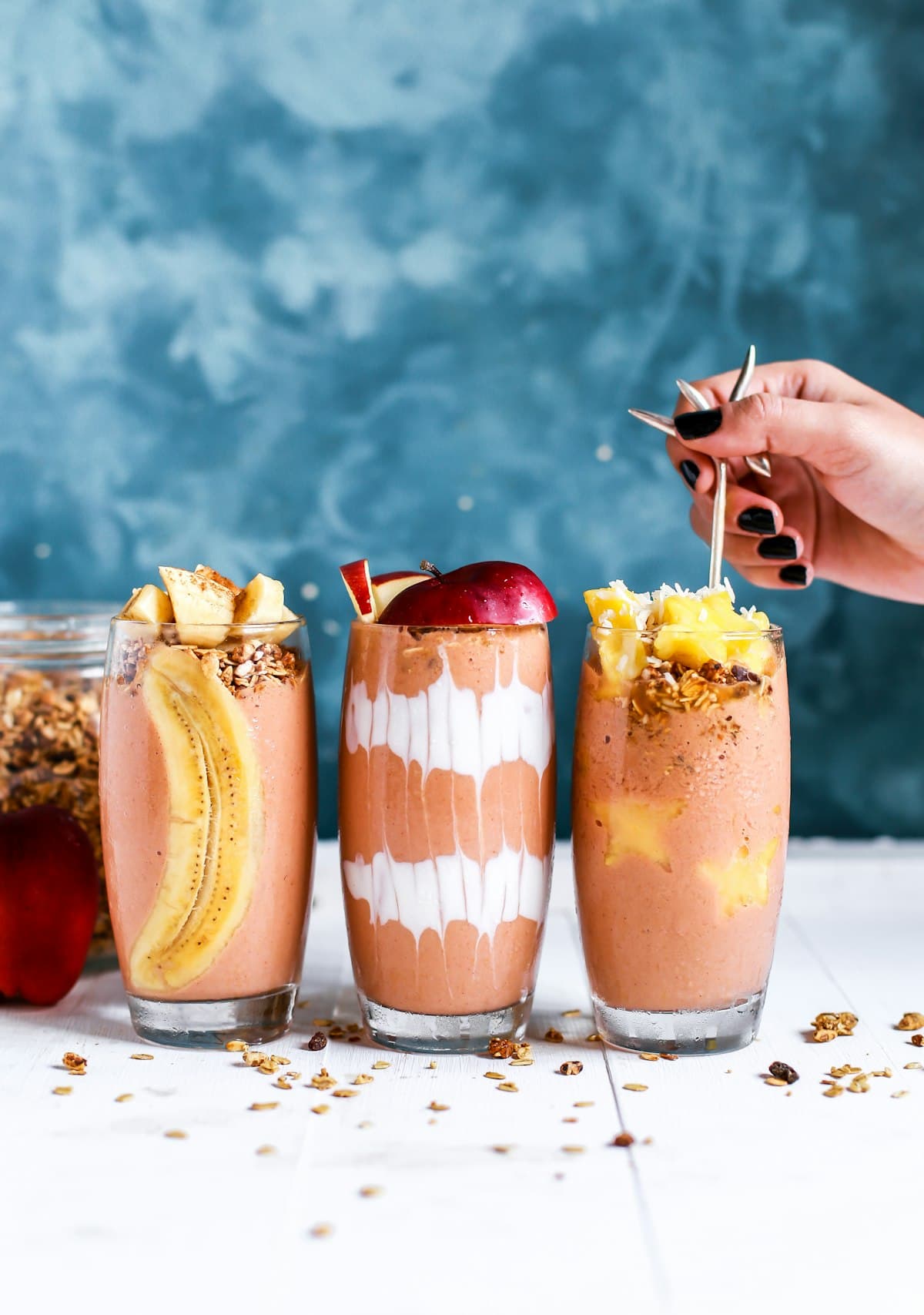
Smoothies get a bad reputation in nutrition circles, and often for good reason. Many smoothie shops serve what are essentially milkshakes disguised as health food, loaded with fruit juice, frozen yogurt, and enough sugar to spike your blood glucose into the stratosphere. That's not what we're making here.
A well-constructed anti-inflammatory smoothie is a legitimate tool for reducing inflammation. It allows you to consume concentrated amounts of anti-inflammatory compounds in a convenient, digestible form. Whether you're looking for a quick breakfast, a post-workout recovery drink, or a nutrient boost any time of day, these recipes deliver real benefits backed by science.
Why Smoothies Work for Anti-Inflammatory Eating
The right smoothie concentrates powerful anti-inflammatory ingredients into one glass. Think about it: you can consume more raw spinach in a smoothie than you'd typically eat in a salad. You can combine ingredients like turmeric and black pepper (which enhances turmeric absorption by 2000%) in ratios that would be difficult to achieve in regular meals.
Blending also breaks down cell walls in fruits and vegetables, making certain nutrients more bioavailable. A study published in Food Chemistry found that smoothies made from certain fruits and vegetables had higher antioxidant activity than the whole foods alone, likely because blending releases bound antioxidants.
The liquid format means faster digestion and absorption, which is particularly beneficial post-exercise when your body needs nutrients quickly to combat exercise-induced inflammation. Research in the Journal of the International Society of Sports Nutrition shows that smoothies containing anti-inflammatory ingredients can reduce post-exercise muscle soreness and speed recovery.
The convenience factor can't be overstated. A nutrient-dense smoothie takes 5 minutes to make and can be consumed on the go. This accessibility means you're more likely to actually consume anti-inflammatory foods consistently.
Key Anti-Inflammatory Smoothie Ingredients
Before we get to recipes, let's break down the star players and the science behind them.
Berries
Blueberries, strawberries, blackberries, and raspberries are among the most anti-inflammatory foods available. They're packed with anthocyanins, powerful antioxidants that give them their deep colors. Studies show that regular berry consumption reduces inflammatory markers like CRP and IL-6.
Research published in the American Journal of Clinical Nutrition found that consuming mixed berries daily for six weeks significantly decreased inflammation and improved metabolic health markers. Even frozen berries retain most of their anti-inflammatory compounds, making them an affordable year-round option.
Leafy Greens
Spinach, kale, and other leafy greens provide vitamins A, C, and K, plus compounds like lutein and zeaxanthin that combat oxidative stress and inflammation. The raw form in smoothies preserves heat-sensitive nutrients that might be damaged by cooking.
A study in Neurology found that people who ate one to two servings of leafy greens daily had cognitive abilities equivalent to people 11 years younger, likely due to anti-inflammatory and antioxidant effects.
Turmeric
Curcumin, the active compound in turmeric, is one of the most studied anti-inflammatory agents. It works by blocking NF-kB, a molecule that activates genes related to inflammation. However, curcumin is poorly absorbed on its own.
The solution? Add black pepper. The piperine in black pepper increases curcumin absorption by up to 2000%, according to research in Planta Medica. Just a pinch makes a significant difference. For more on turmeric's benefits, see our guide on the big three anti-inflammatory compounds.
Ginger
Fresh ginger contains gingerol, a compound with potent anti-inflammatory and antioxidant properties. Studies show it's effective for reducing muscle pain, menstrual pain, and joint inflammation. Research in the Journal of Pain found that daily ginger consumption reduced exercise-induced muscle pain by 25%.
Omega-3 Sources
Chia seeds, flaxseeds, hemp seeds, and walnuts provide plant-based omega-3 fatty acids (ALA) that your body converts to EPA and DHA, the forms that directly reduce inflammation. While fish provides more bioavailable omega-3s, plant sources still offer significant benefits.
Chia and flax also provide fiber that slows sugar absorption, prevents blood glucose spikes, and feeds beneficial gut bacteria. Ground flaxseed is better absorbed than whole seeds.
Protein
Protein makes smoothies more satisfying and prevents blood sugar crashes. Greek yogurt provides protein plus probiotics that support gut health. Plant-based options include pea protein, hemp protein, or nut butters.
A study in the Journal of Nutrition found that protein in breakfast significantly improved satiety and reduced cravings throughout the day compared to carbohydrate-heavy breakfasts.
Healthy Fats
Avocado, nut butters, coconut oil, and olive oil provide healthy fats that enhance absorption of fat-soluble vitamins (A, D, E, K) and create a creamy texture. They also slow digestion, preventing sugar spikes.
Anti-Inflammatory Spices
Cinnamon helps regulate blood sugar and has anti-inflammatory properties. Cardamom, cloves, and cacao powder all provide additional antioxidants and anti-inflammatory compounds.
The 10 Anti-Inflammatory Smoothie Recipes
Each recipe makes one large smoothie (about 16-20 ounces). Adjust quantities based on your blender size and preferences.
1. Golden Turmeric Anti-Inflammatory Smoothie
This is the heavyweight champion of anti-inflammatory smoothies.
Ingredients:
- 1 cup unsweetened almond milk
- 1/2 cup frozen mango chunks
- 1/2 frozen banana
- 1 tablespoon ground turmeric (or 1-inch fresh turmeric root)
- 1/2 teaspoon ground ginger (or 1/2-inch fresh ginger root)
- Pinch of black pepper
- 1 tablespoon chia seeds
- 1/2 teaspoon cinnamon
- 1 scoop vanilla protein powder (optional)
Instructions: Blend all ingredients until smooth. The mango and banana provide natural sweetness to balance turmeric's earthy flavor. The pepper is essential for curcumin absorption.
Anti-Inflammatory Benefits: Combines three potent anti-inflammatory compounds (turmeric, ginger, cinnamon) with fiber and omega-3s from chia seeds. The tropical fruit makes it taste like a treat rather than medicine.
2. Berry Green Machine
A classic combination that never gets old.
Ingredients:
- 1 cup unsweetened coconut milk
- 1 cup mixed berries (blueberries, strawberries, raspberries)
- 2 cups fresh spinach
- 1/2 avocado
- 1 tablespoon ground flaxseed
- 1 teaspoon honey (optional)
- Ice as needed
Instructions: Blend greens with liquid first to avoid chunks, then add remaining ingredients and blend until smooth.
Anti-Inflammatory Benefits: Berries provide anthocyanins, spinach adds vitamins and minerals, avocado brings healthy fats and makes it creamy, and flaxseed contributes omega-3s.
3. Chocolate Cherry Recovery Smoothie
Perfect post-workout, this smoothie combats exercise-induced inflammation.
Ingredients:
- 1 cup unsweetened almond milk
- 1 cup frozen tart cherries
- 1 tablespoon raw cacao powder
- 1 tablespoon almond butter
- 1 scoop chocolate protein powder
- 1 tablespoon hemp seeds
- 1/2 teaspoon vanilla extract
- Handful of ice
Instructions: Blend all ingredients until creamy and smooth.
Anti-Inflammatory Benefits: Tart cherries contain anthocyanins shown to reduce muscle soreness and inflammation. Raw cacao provides flavonoids with anti-inflammatory effects. Research in the Scandinavian Journal of Medicine & Science in Sports found that tart cherry juice significantly reduced inflammation and oxidative stress after intense exercise.
4. Tropical Ginger Bliss
Bright, refreshing, and powerfully anti-inflammatory.
Ingredients:
- 1 cup unsweetened coconut water
- 1 cup frozen pineapple chunks
- 1/2 cup frozen mango
- 1-inch piece fresh ginger root
- 1/2 cup Greek yogurt
- 1 tablespoon coconut oil
- 1 tablespoon chia seeds
- Handful of fresh mint leaves (optional)
Instructions: Blend until smooth and creamy.
Anti-Inflammatory Benefits: Pineapple contains bromelain, an enzyme with anti-inflammatory properties. Fresh ginger adds gingerol. Coconut provides medium-chain triglycerides (MCTs) that have anti-inflammatory effects. The probiotics in Greek yogurt support gut health, which directly influences systemic inflammation.
5. Green Goddess Detox
Veggie-forward with just enough fruit for palatability.
Ingredients:
- 1 cup unsweetened almond milk
- 2 cups kale (stems removed)
- 1/2 cucumber
- 1/2 green apple
- 1/2 lemon (juiced)
- 1/2-inch fresh ginger root
- 1 tablespoon hemp seeds
- 1 tablespoon almond butter
- Ice as needed
Instructions: Blend greens and liquid first, then add remaining ingredients.
Anti-Inflammatory Benefits: Kale is loaded with vitamins A, C, and K. Cucumber provides hydration and antioxidants. Lemon juice adds vitamin C and helps with nutrient absorption. This smoothie is lower in sugar than fruit-heavy versions.
6. Cinnamon Roll Smoothie
Tastes like dessert, fights inflammation like a champion.
Ingredients:
- 1 cup unsweetened cashew milk
- 1/2 frozen banana
- 1/2 cup cooked quinoa (cooled)
- 1 tablespoon almond butter
- 1 tablespoon ground flaxseed
- 1 teaspoon cinnamon
- 1/4 teaspoon vanilla extract
- 1/4 teaspoon nutmeg
- 1 scoop vanilla protein powder
- Ice and water as needed
Instructions: Blend until smooth. The quinoa adds protein and makes it incredibly filling.
Anti-Inflammatory Benefits: Cinnamon helps regulate blood sugar and provides antioxidants. Quinoa adds complete protein and fiber. Flaxseed contributes omega-3s. This smoothie keeps you full for hours.
7. Blueberry Almond Powerhouse
Simple, classic, and incredibly effective.
Ingredients:
- 1 cup unsweetened almond milk
- 1.5 cups frozen blueberries
- 1/4 cup raw almonds (or 2 tablespoons almond butter)
- 1 cup spinach
- 1 tablespoon ground flaxseed
- 1/2 teaspoon vanilla extract
- Pinch of cinnamon
Instructions: Blend until completely smooth.
Anti-Inflammatory Benefits: Blueberries are among the highest antioxidant foods. Almonds provide vitamin E and healthy fats. This is one of the most studied anti-inflammatory food combinations. Research in Clinical Nutrition found that consuming blueberries and almonds together had synergistic effects on reducing oxidative stress.
8. Matcha Green Tea Energizer
Caffeine plus anti-inflammatory compounds for focused energy.
Ingredients:
- 1 cup unsweetened coconut milk
- 1 teaspoon matcha green tea powder
- 1/2 frozen banana
- 1 cup spinach
- 1/2 avocado
- 1 tablespoon hemp seeds
- 1 teaspoon honey (optional)
- Ice as needed
Instructions: Blend until smooth and frothy.
Anti-Inflammatory Benefits: Matcha provides EGCG, a powerful antioxidant with anti-inflammatory effects. One cup of matcha contains the antioxidants of 10 cups of regular green tea. Research in the American Journal of Clinical Nutrition shows that regular green tea consumption reduces inflammatory markers.
9. Carrot Cake Smoothie
Vegetables for breakfast never tasted this good.
Ingredients:
- 1 cup unsweetened almond milk
- 1 cup carrots (chopped)
- 1/2 frozen banana
- 1/4 cup walnuts
- 1 tablespoon ground flaxseed
- 1 teaspoon cinnamon
- 1/4 teaspoon ginger
- 1/4 teaspoon nutmeg
- 1 scoop vanilla protein powder
- Ice as needed
Instructions: Blend carrots with liquid first to ensure smooth consistency, then add remaining ingredients.
Anti-Inflammatory Benefits: Carrots provide beta-carotene, a precursor to vitamin A with antioxidant properties. Walnuts add omega-3s. The spices provide additional anti-inflammatory compounds. This tastes remarkably like carrot cake while being completely nutrient-dense.
10. Beetroot Recovery Blend
Earthy, sweet, and excellent for post-workout inflammation.
Ingredients:
- 1 cup unsweetened almond milk
- 1 small cooked beet (or 1/2 cup)
- 1 cup frozen mixed berries
- 1/2 frozen banana
- 1 tablespoon almond butter
- 1 tablespoon chia seeds
- 1/2-inch fresh ginger root
- Squeeze of lemon juice
Instructions: Blend until smooth. Using cooked beets makes the texture better and the flavor milder.
Anti-Inflammatory Benefits: Beets contain betalains, unique pigments with potent anti-inflammatory and antioxidant properties. Research in the Journal of Applied Physiology found that beetroot juice improved exercise performance and reduced inflammation. Combined with berries and ginger, this is an inflammation-fighting powerhouse.
Common Smoothie Mistakes That Increase Inflammation
Even with good intentions, it's easy to create inflammatory smoothies. Avoid these pitfalls:
Mistake 1: Too Much Fruit Sugar Using three bananas, a cup of mango, and apple juice creates a sugar bomb that spikes blood glucose and triggers inflammation. Limit fruit to 1-1.5 cups per smoothie and avoid juice entirely. Use unsweetened plant milk or coconut water as your liquid base. For more on sugar's effects, read our article on sugar and inflammation.
Mistake 2: Using Fruit Juice as a Base Juice is just sugar water without the fiber. Even 100% fruit juice triggers the same inflammatory blood sugar response as soda. Always use unsweetened plant milk, coconut water, or plain water.
Mistake 3: Skipping Protein and Fat A smoothie that's all fruit and greens will leave you hungry and cause blood sugar crashes. Always include protein (yogurt, protein powder, nut butter) and healthy fats (avocado, nuts, seeds, coconut oil).
Mistake 4: Not Accounting for Calories Some smoothies contain 600-800 calories. If you're drinking this in addition to regular meals, you might be overeating. A meal-replacement smoothie should be 300-450 calories. A snack smoothie should be 150-250 calories.
Mistake 5: Using Sweetened Yogurt or Plant Milk Flavored yogurts and sweetened plant milks add unnecessary sugar. Choose plain, unsweetened versions and add your own natural sweetness from fruit.
Mistake 6: Forgetting About Fiber While smoothies retain fiber (unlike juicing), some people add so much liquid that they're essentially drinking water. Include fiber-rich ingredients like chia, flax, oats, and whole fruits.
Tips for Making Smoothies More Filling
If you find smoothies don't keep you satisfied:
Add Protein: Aim for at least 15-20 grams per smoothie. Greek yogurt, protein powder, or nut butter all work.
Include Healthy Fats: Avocado, nut butter, seeds, or coconut oil increase satiety significantly.
Add Complex Carbs: Cooked and cooled quinoa, oats, or sweet potato add substance and resistant starch that feeds gut bacteria.
Use Frozen Ingredients: Frozen fruit and vegetables make smoothies thick and creamy, more like soft-serve ice cream. This makes them psychologically more satisfying.
Drink Slowly: Sipping your smoothie over 15-20 minutes rather than chugging it gives your body time to register fullness.
Eat It with a Spoon: Pour your smoothie into a bowl, top with nuts, seeds, or coconut flakes, and eat it with a spoon. This "smoothie bowl" approach increases satisfaction.
Customizing Recipes for Your Needs
These recipes are starting points. Adjust based on your preferences and needs:
For Weight Loss: Reduce or eliminate banana, use less fruit overall, increase vegetables and protein.
For Athletic Performance: Add more carbohydrates (banana, mango, oats) and protein for recovery.
For Autoimmune Conditions: Check our guide on anti-inflammatory diet for autoimmune conditions for specific considerations. Some people need to avoid nightshades or specific foods.
For Gut Health: Include probiotic-rich yogurt or kefir, and prebiotic fibers from bananas, flax, and greens. Read more in our anti-inflammatory foods for gut health article.
For Taste Preferences: If you dislike certain ingredients, swap them. Don't like spinach? Use kale or romaine. Don't like almond milk? Try coconut or cashew milk.
Making Smoothies Convenient
The biggest barrier to regular smoothie making is convenience. Here's how to make it easier:
Prep Smoothie Packs: On Sunday, portion ingredients into freezer bags or containers. When you're ready, dump the contents into your blender with liquid and blend. This takes minutes.
Keep Frozen Ingredients Stocked: Frozen berries, spinach, mango, and bananas mean you always have smoothie ingredients available.
Invest in a Good Blender: A high-powered blender makes smooth, creamy smoothies quickly. It's worth the investment if you'll use it daily.
Clean Immediately: Fill your blender with water and a drop of dish soap right after pouring your smoothie. Blend for 30 seconds, rinse, and you're done. This prevents crusty residue.
Make Extras: Double your recipe and refrigerate half for the next day. Most smoothies keep well for 24 hours.
When to Drink Your Smoothie
Breakfast: Most people use smoothies as a quick, nutrient-dense breakfast. This works well if you're not hungry for solid food in the morning.
Post-Workout: The liquid format means fast absorption of nutrients needed for recovery. The anti-inflammatory ingredients combat exercise-induced inflammation.
Snack: A smaller smoothie (8-12 ounces) makes an excellent mid-morning or mid-afternoon snack. See our guide on anti-inflammatory snacks for more ideas.
Meal Replacement: A well-constructed smoothie with adequate protein, fats, and fiber can replace a meal. Just ensure you're getting enough calories and variety in your overall diet.
Anti-Inflammatory Smoothie for Weight Loss
A smoothie can be either your best friend or your worst enemy when it comes to losing weight. The difference comes down to how you build it. We've seen people make "healthy" smoothies with 600 calories of fruit, honey, and granola, then wonder why the scale isn't moving. Here's how to make an anti-inflammatory smoothie that actually supports weight loss.
Flip the fruit-to-vegetable ratio. Most smoothie recipes are 80% fruit and 20% greens. For weight loss, reverse that. Make vegetables the star (spinach, kale, cucumber, celery, cauliflower) and use just a small amount of fruit for sweetness. Half a banana or a quarter cup of berries is usually enough. This cuts the sugar and calories while keeping the anti-inflammatory compounds high.
Hit at least 20 grams of protein per smoothie. Protein is the most satiating macronutrient, and it keeps your blood sugar stable for hours. Add a scoop of quality protein powder (pea, hemp, or whey), a generous serving of Greek yogurt, or two tablespoons of collagen peptides. Research consistently shows that higher protein intake at breakfast reduces overall calorie consumption throughout the day.
Include a source of healthy fat. It sounds counterintuitive, but fat in your smoothie actually helps with weight loss. A quarter of an avocado, a tablespoon of almond butter, or a tablespoon of chia seeds adds only 100 to 150 calories while dramatically increasing how long you stay full. These fats also improve absorption of fat-soluble vitamins and anti-inflammatory compounds. For a detailed look at how specific fats reduce inflammation, check our guide to turmeric, omega-3, and polyphenols.
Keep total calories between 300 and 450. If you're using the smoothie as a meal replacement, this range gives you enough energy without excess. If it's a snack, aim for 150 to 250 calories. Measure your ingredients the first few times until you get a feel for portions.
There's also a less obvious connection between inflammation and weight loss. Chronic low-grade inflammation interferes with leptin signaling (the hormone that tells your brain you're full) and promotes insulin resistance, both of which make losing weight harder. By reducing inflammation with the right smoothie ingredients, you're removing a biological barrier that many people don't even know exists. Our article on inflammation and disease covers this mechanism in more detail.
Anti-Inflammatory Green Smoothie Recipes
Green smoothies get their own section because they deserve it. When vegetables form the base of your smoothie instead of fruit, you get significantly more vitamins, minerals, and anti-inflammatory compounds per calorie. The trick is making them taste good enough to drink every day.
The Classic Green Anti-Inflammatory Smoothie. Blend two cups of baby spinach, half a cucumber, half a green apple, one tablespoon of ground flaxseed, a half-inch piece of fresh ginger, juice of half a lemon, one tablespoon of almond butter, and one cup of unsweetened almond milk. The apple and lemon make it bright and drinkable, while the spinach and flaxseed deliver the anti-inflammatory payload. Spinach is rich in kaempferol and quercetin, two flavonoids that suppress TNF-alpha and IL-6 production.
Kale and Pineapple Green Smoothie. Blend two cups of kale (stems removed), half a cup of frozen pineapple chunks, one tablespoon of hemp seeds, a quarter of an avocado, a pinch of black pepper, and one cup of coconut water. The pineapple contains bromelain, which has documented anti-inflammatory effects, and the small amount provides just enough sweetness to balance kale's bitterness. This is a great option if you're working through our 7-day anti-inflammatory meal plan and want a quick lunch.
Celery Ginger Detox Green Smoothie. Blend three stalks of celery, one cup of spinach, half a frozen banana, one inch of fresh ginger root, juice of one lemon, one tablespoon of chia seeds, and one cup of water. Celery provides apigenin, a flavonoid with anti-inflammatory and antioxidant properties that has been studied for its ability to inhibit NF-kB signaling. The ginger adds gingerol, and the chia seeds contribute omega-3 ALA and fiber.
Pro tips for better green smoothies. Always blend your greens with the liquid first, then add the remaining ingredients. This prevents chunks. Frozen fruit works better than fresh for texture. And if the color puts you off, pour it into an opaque cup. We've found that people who can't see the green color report enjoying the taste more. If you want to build full meals around these same ingredients, our anti-inflammatory breakfast ideas include several smoothie bowl variations.
Anti-inflammatory smoothies are a tool, not a magic bullet. They work best as part of a broader anti-inflammatory eating pattern that includes whole foods, vegetables, quality proteins, and healthy fats. For more comprehensive guidance, check out our complete list of anti-inflammatory foods and our beginner's guide.
Blend up one of these recipes tomorrow morning and notice how you feel. Pay attention to your energy, focus, and hunger levels throughout the day. Your body will tell you if it's working.
Frequently Asked Questions
What is the best anti-inflammatory smoothie?
The Golden Turmeric smoothie (turmeric, ginger, mango, black pepper, chia seeds, and almond milk) is one of the most effective options because it combines three proven anti-inflammatory compounds. But honestly, any smoothie built around berries, leafy greens, omega-3 seeds, and a healthy fat source will deliver strong anti-inflammatory benefits. The "best" smoothie is the one you'll actually make and drink consistently. Pick a recipe from this list that matches your taste preferences and stick with it.
Are smoothies good for reducing inflammation?
Yes, when made correctly. Smoothies with berries, leafy greens, omega-3 sources, and anti-inflammatory spices provide concentrated antioxidants and nutrients that fight inflammation. The blending process also breaks down plant cell walls, making certain polyphenols more bioavailable than eating the same foods whole. The key is avoiding excess fruit sugar and juice bases, which can trigger the inflammatory blood sugar spikes you're trying to prevent.
What are the best anti-inflammatory ingredients for smoothies?
The top anti-inflammatory smoothie ingredients include berries (especially blueberries and tart cherries), leafy greens (spinach, kale), turmeric with black pepper, fresh ginger, omega-3 sources (chia seeds, ground flaxseed, walnuts), and protein from Greek yogurt or plant-based powders. For a full breakdown of anti-inflammatory foods beyond smoothies, see our complete anti-inflammatory foods list.
Can anti-inflammatory smoothies help with weight loss?
They can support weight loss when built correctly. Use vegetables as the base instead of fruit, include protein (20+ grams), add healthy fats for satiety, and keep total calories between 300 and 450 for a meal replacement. The anti-inflammatory ingredients also help reduce the chronic inflammation that can make weight loss harder by interfering with leptin signaling and insulin sensitivity.
How often should I drink anti-inflammatory smoothies?
Daily smoothies can be beneficial as part of an anti-inflammatory diet. Many people use them for breakfast or post-workout nutrition. Just make sure you're getting variety in your overall diet, not relying solely on smoothies. Rotating between different recipes throughout the week gives you a broader range of polyphenols and nutrients. For a structured approach, our anti-inflammatory diet for beginners guide shows how smoothies fit into a complete eating plan.
Sources
-
Manach, C., et al. (2009). Bioavailability and bioefficacy of polyphenols in humans. The American Journal of Clinical Nutrition, 81(1), 230S-242S. https://pubmed.ncbi.nlm.nih.gov/15640486/
-
Rebello, C.J., et al. (2014). Meal replacement strategies for weight loss maintenance. Journal of Obesity, 2014, 651047. https://pubmed.ncbi.nlm.nih.gov/24910771/
-
Howatson, G., et al. (2010). Influence of tart cherry juice on indices of recovery following marathon running. Scandinavian Journal of Medicine & Science in Sports, 20(6), 843-852. https://pubmed.ncbi.nlm.nih.gov/19883392/
-
Morris, M.C., et al. (2018). Nutrients and bioactives in green leafy vegetables and cognitive decline. Neurology, 90(3), e214-e222. https://pubmed.ncbi.nlm.nih.gov/29263222/
-
Shoba, G., et al. (1998). Influence of piperine on the pharmacokinetics of curcumin in animals and human volunteers. Planta Medica, 64(4), 353-356. https://pubmed.ncbi.nlm.nih.gov/9619120/
-
Black, C.D., et al. (2010). Ginger (Zingiber officinale) reduces muscle pain caused by eccentric exercise. Journal of Pain, 11(9), 894-903. https://pubmed.ncbi.nlm.nih.gov/20418184/
-
Harvard Health Publishing. (2023). Blending versus juicing: What's better for you? https://www.health.harvard.edu/staying-healthy/blending-versus-juicing-whats-better-for-you
-
Cleveland Clinic. (2023). The best anti-inflammatory smoothie ingredients. https://health.clevelandclinic.org/anti-inflammatory-smoothie-ingredients/