If you have tried to reduce sugar intake, you have probably turned to artificial sweeteners at some point. They seem like the perfect solution: sweetness without calories, blood sugar control without sacrifice. But over the past decade, research has revealed that artificial sweeteners are far from metabolically inert. They interact with your gut microbiome in ways that can promote inflammation, disrupt glucose metabolism, and potentially contribute to the very metabolic problems they are supposed to prevent.
Let me walk you through what we actually know about different artificial sweeteners, how they affect inflammation, and how to make informed choices.
The Different Types of Sweeteners
Before diving into the research, it helps to understand the different categories of sweeteners, since they have very different chemical structures and biological effects.
Artificial sweeteners are synthetic compounds that taste sweet but are not metabolized for energy. The most common include:
Aspartame (Equal, NutraSweet), made from two amino acids, is about 200 times sweeter than sugar. It breaks down into aspartic acid, phenylalanine, and methanol when digested. Aspartame is found in diet sodas, sugar-free gum, and many "light" products.
Sucralose (Splenda) is made by chlorinating sugar molecules, making it about 600 times sweeter than sugar. Manufacturers claim it passes through your body unchanged, but research shows this is not entirely accurate. It is heat-stable, so it is often used in baking.
Saccharin (Sweet'N Low), one of the oldest artificial sweeteners, is about 300-400 times sweeter than sugar. It is a petroleum derivative that was nearly banned in the 1970s due to cancer concerns in rats, though these findings were later deemed not applicable to humans.
Acesulfame potassium (Ace-K, Sunett), often blended with other sweeteners, is about 200 times sweeter than sugar. It is heat-stable and widely used in processed foods.
Sugar alcohols, including erythritol, xylitol, and sorbitol, are technically not artificial but are commonly grouped with them. They contain some calories but fewer than sugar, and they do not spike blood glucose as dramatically. They occur naturally in small amounts but are commercially produced. Large amounts can cause digestive distress because they are poorly absorbed.
Natural non-nutritive sweeteners include:
Stevia, derived from the Stevia rebaudiana plant, contains compounds called steviol glycosides that are 200-300 times sweeter than sugar. It has been used traditionally in South America for centuries. The refined extracts commonly sold differ considerably from whole-leaf stevia.
Monk fruit extract (luo han guo) comes from a small melon native to China and contains mogrosides that are 150-250 times sweeter than sugar. It has been used in traditional Chinese medicine for centuries.
These distinctions matter because different sweeteners have very different effects on your gut microbiome and inflammatory responses. Lumping them all together misses critical differences.
Microbiome Disruption: The 2014 and 2022 Studies
The story of artificial sweeteners and inflammation really begins in your gut. A groundbreaking study published in Nature in 2014 by Eran Suez and colleagues fundamentally changed how scientists think about artificial sweeteners.
The researchers gave mice one of several artificial sweeteners (saccharin, sucralose, or aspartame) or regular glucose or sucrose in their drinking water. Surprisingly, the mice consuming artificial sweeteners developed glucose intolerance, a hallmark of pre-diabetes and metabolic dysfunction. The mice drinking sugar or plain water did not.
Even more interesting was what happened when they gave the mice antibiotics to wipe out their gut bacteria. The glucose intolerance disappeared. This proved that gut microbiota were essential for the metabolic effects of artificial sweeteners. When the researchers transplanted gut bacteria from artificial sweetener-consuming mice into germ-free mice (mice with no gut bacteria of their own), the recipient mice also developed glucose intolerance. This definitively showed that artificial sweeteners alter gut bacterial composition in ways that promote metabolic dysfunction.
The human portion of the study was small but compelling. Seven healthy volunteers who normally did not consume artificial sweeteners ate the maximum acceptable daily intake of saccharin for one week. Four of the seven developed significant glucose intolerance by the end of the week. When researchers analyzed their gut microbiota, they found distinct changes in bacterial composition, particularly increases in bacteria associated with metabolic disease.
This study created huge controversy because it challenged the assumption that artificial sweeteners are biologically inert. Critics pointed to the small human sample and the high doses used. But the findings opened a new line of research.
In 2022, the same research team published follow-up work in Cell, this time with a much larger and more rigorous human trial. They tested four different artificial sweeteners: saccharin, sucralose, aspartame, and stevia. Participants consumed these sweeteners for two weeks while researchers carefully monitored their glucose responses and gut microbiome composition.
The results confirmed and extended the earlier findings. Saccharin and sucralose significantly altered gut microbiota composition and impaired glucose responses in many participants. The effects were highly personalized: some people showed dramatic changes while others showed minimal effects, suggesting that individual microbiome composition determines susceptibility.
Aspartame showed weaker but still measurable effects. Stevia had minimal impact on glucose metabolism or gut bacteria. This was important because it demonstrated that not all sweeteners have the same effects, and natural alternatives like stevia may be preferable.
When the researchers transplanted stool samples from human participants into germ-free mice, the mice developed glucose intolerance similar to the human donors, again proving that microbiome changes were responsible for metabolic effects. The specific bacterial species that changed varied, but several patterns emerged: decreases in beneficial bacteria like certain Bacteroides species and increases in potentially harmful bacteria.
The mechanism appears to involve bacterial metabolite production. Artificial sweeteners change which metabolites gut bacteria produce, including short-chain fatty acids and other compounds that affect host metabolism. These metabolite changes can impair insulin signaling and promote low-grade inflammation. For more on gut health and inflammation, see our guide to anti-inflammatory foods for gut health.
Effects on Glucose Metabolism and Insulin
The connection between artificial sweeteners, glucose metabolism, and inflammation is critical because glucose dysregulation itself promotes inflammation through multiple pathways. Let me explain this connection.
When artificial sweeteners disrupt your gut microbiome, one major consequence is impaired glucose tolerance. Even though artificial sweeteners do not directly raise blood sugar, they alter how your body processes glucose when you do consume carbohydrates. This happens through several mechanisms.
First, microbiome changes affect intestinal glucose absorption and incretin hormone secretion. Incretins like GLP-1 and GIP are released by gut cells in response to food and help regulate insulin secretion. Disrupted gut bacteria produce different metabolites that affect these hormone systems.
Second, altered gut bacteria change intestinal permeability. When your gut barrier becomes leaky, bacterial endotoxins (lipopolysaccharides or LPS) cross into your bloodstream. Your immune system recognizes these as threats and triggers inflammatory responses. This metabolic endotoxemia is strongly linked to insulin resistance. A study in Diabetes (2007) showed that even low levels of endotoxin in the bloodstream trigger inflammation and insulin resistance.
Third, some research suggests artificial sweeteners might affect taste receptors not just on your tongue but also in your gut and pancreas. These receptors help regulate insulin secretion and glucose absorption. Chronic exposure to intense sweetness from artificial sweeteners may dysregulate these systems, though this mechanism is still debated.
The inflammatory consequences of glucose dysregulation are substantial. When glucose metabolism is impaired, you get higher and more prolonged blood sugar spikes after meals. These spikes increase oxidative stress and trigger inflammatory pathways through AGE (advanced glycation end product) formation and activation of protein kinase C. You can read more about this in our article on sugar and inflammation.
Insulin resistance itself promotes inflammation. Fat tissue, especially visceral fat, becomes inflamed in insulin-resistant states, releasing inflammatory cytokines like IL-6 and TNF-alpha. This creates a vicious cycle where inflammation worsens insulin resistance, which increases inflammation further.
Research published in Applied Physiology, Nutrition, and Metabolism (2017) found that consuming sucralose with carbohydrates (not sucralose alone) impaired insulin sensitivity more than consuming carbohydrates alone. This suggests that the combination of artificial sweeteners with carbs in real-world eating may be particularly problematic.
A study in PLOS ONE (2018) examined young, healthy adults who regularly consumed diet beverages versus those who did not. The diet beverage consumers showed higher fasting glucose and insulin resistance markers, even after controlling for body weight and overall diet quality. While this does not prove causation, it suggests that artificial sweeteners are not the metabolically neutral choice they appear to be.
The take-home message is that even though artificial sweeteners do not contain calories or directly spike blood sugar, they can indirectly promote the metabolic dysfunction and inflammation associated with poor glucose control by disrupting your gut microbiome and subsequent metabolic processes.
The Gut Inflammation Pathway
Understanding how artificial sweeteners promote inflammation requires looking at the gut as the starting point for systemic inflammation. Your intestinal tract is where diet most directly interfaces with your immune system, and it is here that artificial sweeteners exert their primary effects.
The gut microbiome is not just a collection of bacteria. It is an ecosystem that produces thousands of metabolites, many of which directly affect inflammation. When artificial sweeteners disrupt bacterial composition, the downstream metabolic consequences are profound.
Short-chain fatty acids (SCFAs) like butyrate, acetate, and propionate are produced when gut bacteria ferment dietary fiber. These compounds are powerfully anti-inflammatory. Butyrate, in particular, fuels colonocytes (intestinal lining cells), strengthens gut barrier function, and has direct anti-inflammatory effects on immune cells. Research shows that artificial sweetener consumption can reduce SCFA-producing bacteria, decreasing these protective metabolites.
At the same time, artificial sweeteners can increase populations of bacteria that produce more inflammatory metabolites. Some bacterial species produce compounds that activate toll-like receptors (TLRs) on immune cells, triggering inflammatory signaling cascades. Others produce metabolites that impair the mucus layer protecting your intestinal lining.
The mucus layer is a crucial component of gut barrier function. It is a thick gel that separates bacteria from direct contact with intestinal cells. When artificial sweeteners thin this mucus layer or change its composition (as shown in several animal studies), bacteria come into closer contact with intestinal epithelial cells. This proximity increases inflammatory signaling and can promote a localized inflammatory response in the gut lining.
Tight junction proteins are another casualty. These proteins, including zonulin, occludin, and claudins, form seals between intestinal cells. Several studies have shown that artificial sweeteners can weaken these junctions, increasing intestinal permeability. A study in Frontiers in Nutrition (2021) found that sucralose decreased expression of tight junction proteins in intestinal cell cultures.
When intestinal permeability increases, larger molecules that should stay in your gut instead enter your bloodstream. This includes bacterial fragments (endotoxins), partially digested food proteins, and inflammatory bacterial metabolites. Your immune system mounts responses against these foreign substances, generating systemic inflammation.
The gut also houses roughly 70% of your immune system. Gut-associated lymphoid tissue (GALT) constantly samples gut contents and decides how to respond. When the bacterial composition shifts toward more inflammatory species, GALT becomes more activated, producing more inflammatory cytokines like IL-6, TNF-alpha, and IL-1beta. These cytokines do not stay localized to the gut but enter circulation and promote inflammation throughout your body.
This gut inflammation pathway helps explain why artificial sweeteners, despite being zero-calorie, can contribute to obesity and metabolic disease. The chronic low-grade inflammation they promote through gut disruption is a known driver of insulin resistance, atherosclerosis, and metabolic syndrome. This is part of why how ultra-processed foods drive chronic inflammation is such an important topic, since many ultra-processed foods contain artificial sweeteners.
Which Sweeteners Have the Most Evidence of Harm
Not all sweeteners are created equal in terms of inflammatory potential. Let me break down what the research shows about specific sweeteners.
Saccharin has the strongest evidence of microbiome disruption and metabolic harm. In the 2014 Nature study, saccharin had the most dramatic effects on glucose tolerance and gut bacteria. Multiple subsequent studies have confirmed that saccharin substantially alters bacterial composition. A study in Applied and Environmental Microbiology (2014) found that saccharin was toxic to several beneficial gut bacterial strains at concentrations achievable through normal consumption. Of all the artificial sweeteners, saccharin appears most likely to cause harm, and I would recommend avoiding it entirely.
Sucralose (Splenda) is the most widely consumed artificial sweetener and has accumulated concerning evidence. Despite manufacturer claims that it passes through unmetabolized, research shows that 15-25% is absorbed and metabolized, with some metabolites being fat-soluble and potentially accumulating. The 2022 Cell study found that sucralose significantly altered gut microbiota and impaired glucose metabolism. Research in the Journal of Toxicology and Environmental Health (2018) found that sucralose reduced beneficial gut bacteria by up to 50% in rats. Given how common sucralose is in processed foods, this is particularly concerning.
Aspartame shows more modest effects in most studies, but it is not harmless. The 2022 study found some gut microbiome changes and glucose effects, though less dramatic than saccharin or sucralose. Aspartame breaks down into methanol, which some worry could be harmful, though the amounts are small (a glass of orange juice contains more methanol). Some people report headaches, mood changes, or other symptoms from aspartame, possibly related to individual differences in phenylalanine metabolism. If you have phenylketonuria (PKU), you must avoid aspartame entirely.
Acesulfame potassium (Ace-K) has been less studied than other artificial sweeteners, but emerging research is not reassuring. A study in PLOS ONE (2017) found that Ace-K disrupted gut bacterial composition in mice. It is often combined with other sweeteners, making it hard to isolate its specific effects in human studies. Given the lack of clear safety data and concerning animal research, I would avoid it.
Erythritol, a sugar alcohol, has generally been considered safe and well-tolerated. It is absorbed in the small intestine and excreted unchanged, so it does not reach the colon where most gut bacteria live. This means it causes less microbiome disruption than other sweeteners. However, a 2023 study in Nature Medicine raised concerns by finding associations between high erythritol levels and cardiovascular events. The mechanism appears to involve platelet reactivity. While more research is needed, people with cardiovascular disease should probably limit erythritol.
Xylitol and sorbitol, other sugar alcohols, are poorly absorbed and do reach the colon, where they can cause gas, bloating, and diarrhea in many people. They do not appear to significantly disrupt gut microbiota or promote inflammation at moderate doses, but the digestive side effects limit their usefulness.
Stevia, specifically purified steviol glycosides, has the best safety profile of commonly used sweeteners. Multiple studies show minimal effects on gut microbiota or glucose metabolism. A study in Appetite (2017) found that stevia did not affect gut bacteria composition or metabolic parameters in humans. Some research even suggests steviol glycosides may have modest anti-inflammatory and antioxidant properties. The caveat is that some stevia products contain added erythritol or other sweeteners, so read labels carefully. Whole-leaf stevia has a stronger taste that some find unpleasant, but it is likely the safest option.
Monk fruit extract appears safe based on traditional use and limited research, though it has been less extensively studied than stevia. It does not appear to disrupt gut microbiota or glucose metabolism. Like stevia, commercial monk fruit sweeteners often contain added erythritol, so check ingredients.
Natural Alternatives and Practical Recommendations
If you are looking to reduce sugar but want to avoid artificial sweeteners, you have several options. Here is my hierarchy of sweeteners from best to worst for inflammation:
Best choices: whole foods with natural sweetness. Fresh fruit, dried dates, ripe bananas, and unsweetened applesauce provide sweetness along with fiber, vitamins, and polyphenols that actively reduce inflammation. When you eat an apple, you get sweetness plus quercetin and other anti-inflammatory compounds. This is always preferable to isolated sweeteners. Berries are particularly good because they are relatively low in sugar but high in polyphenols. Our guide to the complete list of anti-inflammatory foods highlights many naturally sweet options.
Good choices: stevia and monk fruit. These plant-derived sweeteners do not appear to disrupt gut health or promote inflammation. Look for pure stevia extract or monk fruit extract without added fillers. Some people find the taste slightly bitter or have to adjust to it, but many come to prefer it over time.
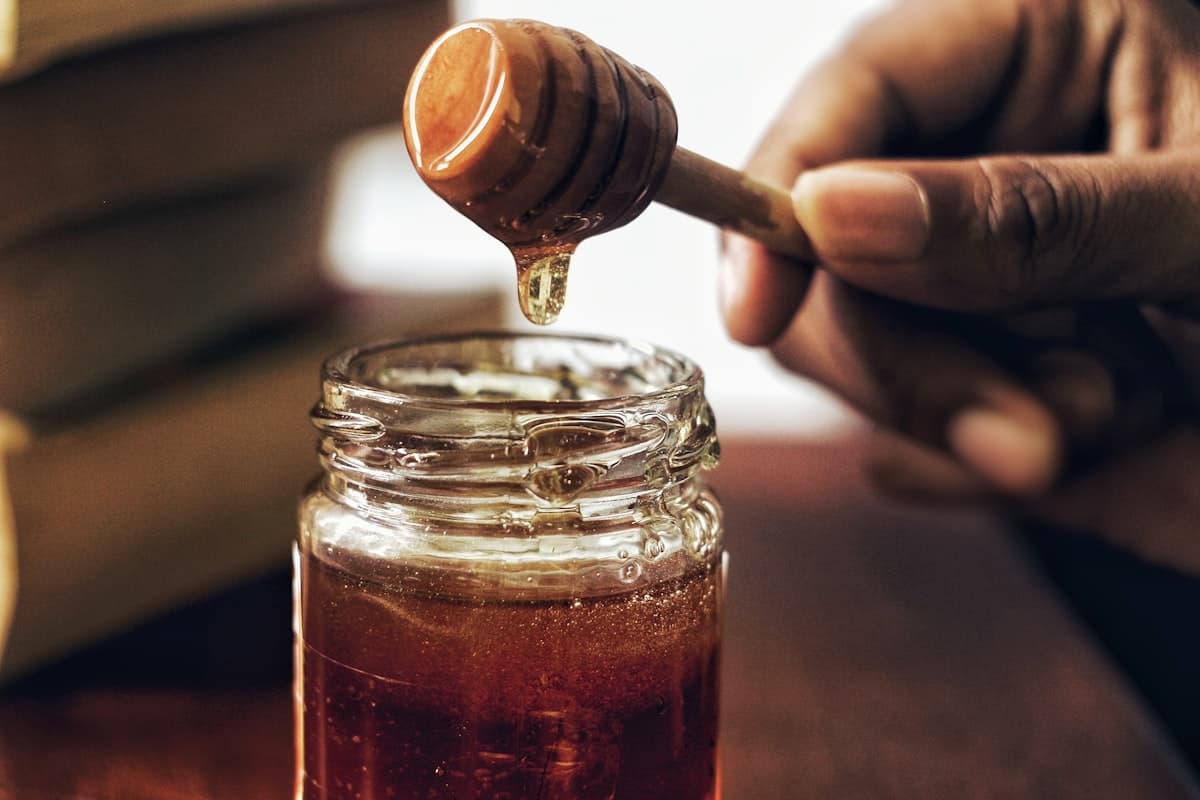
Moderate choices: raw honey and pure maple syrup. These are still sugars and will spike blood glucose, but they contain beneficial compounds that sugar lacks. Raw honey has antimicrobial and anti-inflammatory properties. Maple syrup contains antioxidants. Use them sparingly, measuring amounts carefully. A teaspoon in your tea or coffee is reasonable. Drowning your pancakes in syrup is not.
Occasional choices: coconut sugar and blackstrap molasses. These have slightly lower glycemic impact than white sugar and contain trace minerals, but they are still primarily sugar. Use them as you would regular sugar: sparingly and occasionally.
Avoid when possible: white sugar, brown sugar, high-fructose corn syrup, agave nectar. These are refined sugars without beneficial compounds and should be limited. However, small amounts of regular sugar are probably better than large amounts of artificial sweeteners. If you are going to have dessert occasionally, having one made with real sugar is preferable to eating artificially sweetened products daily.
Avoid entirely: saccharin, sucralose, aspartame, acesulfame-K. The evidence of gut disruption and potential inflammatory effects is strong enough that I recommend avoiding these, especially for regular use.
Practical strategies for reducing both sugar and artificial sweeteners:
Gradually reduce sweetness overall. Your taste buds adapt. If you slowly decrease added sweeteners of any type over several weeks, foods will taste sweeter at lower sweetness levels. Eventually, you may find that previously enjoyable sweetness levels taste cloying.
Use cinnamon, vanilla, and other spices to enhance perceived sweetness without adding actual sweeteners. A dash of cinnamon in your coffee or steel-cut oats makes them taste sweeter without adding sugar or sweeteners.
Choose beverages wisely. Drink water, unsweetened tea, or black coffee rather than diet soda or energy drinks. If you want carbonation, try sparkling water with a squeeze of fresh lemon or lime. Kombucha can provide flavor variety without the artificial sweeteners.
Read labels compulsively. Artificial sweeteners hide in unexpected places: yogurt, protein bars, chewing gum, flavored water, salad dressings, and bread. Many products marketed as "healthy" or "keto" contain multiple artificial sweeteners.
If you currently consume large amounts of artificially sweetened products, do not try to quit everything at once. Start by replacing one item at a time. Swap diet soda for sparkling water with fruit. Replace artificially sweetened yogurt with plain Greek yogurt and add fresh berries. Replace protein bars containing artificial sweeteners with real food snacks like nuts and fruit.
Consider an elimination experiment. If you regularly consume artificial sweeteners and struggle with inflammation, gut issues, or blood sugar problems, try eliminating all artificial sweeteners for 4-6 weeks. Many people report significant improvements in digestion, energy, and inflammatory symptoms. This is similar to approaches discussed in our article on elimination diets to find inflammatory triggers.
For people with autoimmune conditions, the gut microbiome connection makes artificial sweetener avoidance particularly important. Since gut health is central to autoimmune disease management, protecting your microbiome from disruption is critical. See our guide to anti-inflammatory diet for autoimmune conditions for more.
The Bottom Line
Artificial sweeteners seemed like the perfect solution: sweetness without the metabolic consequences of sugar. But research over the past decade has revealed that they are far from metabolically inert. By disrupting gut microbiota, artificial sweeteners can promote glucose intolerance, increase intestinal permeability, trigger low-grade inflammation, and potentially contribute to the very metabolic problems they were designed to prevent.
The effects vary considerably between different sweeteners. Saccharin and sucralose have the most evidence of harm and should be avoided. Aspartame and acesulfame-K have less research but still show concerning effects. Sugar alcohols like erythritol are generally better tolerated, though recent cardiovascular concerns warrant caution. Stevia and monk fruit appear safest based on current evidence.
For most people, the best strategy is to reduce sweetness overall rather than replacing sugar with artificial sweeteners. Use whole foods like fruit for sweetness when possible. When you need added sweeteners, choose stevia or monk fruit. Use small amounts of honey or maple syrup occasionally if you prefer. Avoid products with artificial sweeteners, especially for regular consumption.
Your gut microbiome is foundational to your overall health, affecting not just digestion but immune function, metabolism, mental health, and inflammatory status throughout your body. Protecting your microbiome by avoiding artificial sweeteners is one of the most impactful dietary changes you can make.
As with all nutrition topics, individual responses vary. Some people tolerate certain artificial sweeteners better than others. Pay attention to your body. If you notice digestive issues, worsening blood sugar control, or increased inflammatory symptoms when consuming artificial sweeteners, eliminate them and see if you improve.
The research in this area continues to evolve rapidly. What we know now is that artificial sweeteners interact with our biology in complex ways that manufacturers did not predict or test for decades. Taking a cautious approach by minimizing or avoiding them makes sense until we have clearer evidence of safety.
Sources
-
Suez J, et al. Artificial sweeteners induce glucose intolerance by altering the gut microbiota. Nature. 2014;514(7521):181-186.
-
Suez J, et al. Personalized microbiome-driven effects of non-nutritive sweeteners on human glucose tolerance. Cell. 2022;185(18):3307-3328.
-
Cani PD, et al. Metabolic endotoxemia initiates obesity and insulin resistance. Diabetes. 2007;56(7):1761-1772.
-
Pepino MY, et al. Sucralose affects glycemic and hormonal responses to an oral glucose load. Diabetes Care. 2013;36(9):2530-2535.
-
Abou-Donia MB, et al. Splenda alters gut microflora and increases intestinal p-glycoprotein and cytochrome p-450 in male rats. J Toxicol Environ Health A. 2008;71(21):1415-1429.
-
Ruiz-Ojeda FJ, et al. Effects of Sweeteners on the Gut Microbiota: A Review of Experimental Studies and Clinical Trials. Adv Nutr. 2019;10(suppl_1):S31-S48.
-
Witkowski M, et al. The artificial sweetener erythritol and cardiovascular event risk. Nat Med. 2023;29(3):710-718.
-
https://www.ncbi.nlm.nih.gov/pmc/articles/PMC4615743/
-
https://www.health.harvard.edu/blog/artificial-sweeteners-sugar-free-but-at-what-cost-201207165030
-
https://www.mayoclinic.org/healthy-lifestyle/nutrition-and-healthy-eating/in-depth/artificial-sweeteners/art-20046936
-
https://my.clevelandclinic.org/health/articles/18001-artificial-sweeteners