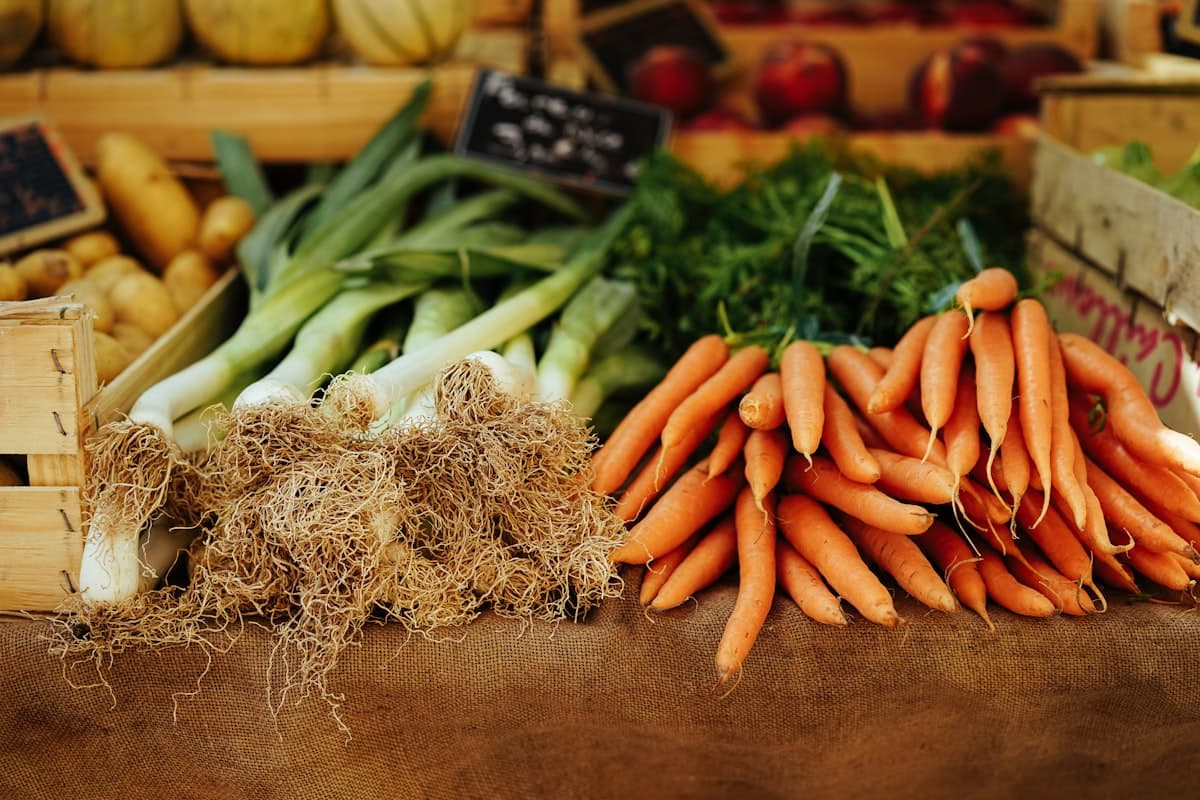
You've probably noticed that strawberries taste incredible in June but bland and mealy in December. Tomatoes are sweet and bursting with flavor in August but tasteless in January. There's a reason for this beyond freshness. When produce is grown in season, allowed to ripen naturally, and consumed shortly after harvest, it contains significantly higher levels of the very compounds that make it anti-inflammatory.
Seasonal eating isn't just about taste or supporting local farmers (though both are great reasons). It's about maximizing the anti-inflammatory potential of your food while minimizing cost and environmental impact. Let me show you exactly what to eat and when.
Why Seasonal Eating Matters for Inflammation
Plants produce antioxidants and phytonutrients as defense mechanisms against environmental stress. When allowed to ripen naturally in appropriate conditions, they develop full concentrations of these compounds. When produce is picked early to survive long-distance shipping, stored for weeks, or grown in artificial conditions, these beneficial compounds don't fully develop.
Research published in the Journal of Agricultural and Food Chemistry found that vitamin C content in broccoli varied by more than 50% depending on season and growing conditions. Similar studies show that out-of-season produce often contains significantly lower levels of antioxidants, vitamins, and anti-inflammatory compounds.
A study from Montclair State University compared the nutritional content of seasonal versus non-seasonal produce. Seasonal vegetables had, on average, 30-50% higher levels of vitamins, minerals, and antioxidants compared to the same vegetables grown out of season.
Beyond nutrition, seasonal produce is typically more affordable (supply and demand works in your favor), supports local agriculture, and has a lower environmental footprint due to reduced transportation and storage.
From an anti-inflammatory perspective, eating seasonally also ensures dietary variety. Instead of eating the same vegetables year-round, you're naturally cycling through different foods, exposing yourself to a wider range of beneficial compounds. This diversity supports gut health and prevents potential food sensitivities from repetitive exposure.
Spring: Renewal and Detoxification (March-May)
Spring brings tender, mild vegetables perfect for supporting your body's natural detoxification processes after winter's heavier foods.
Top Anti-Inflammatory Spring Foods
Asparagus: This vegetable is packed with glutathione, one of your body's most important antioxidants. It also contains inulin, a prebiotic fiber that feeds beneficial gut bacteria. Research shows that asparagus has anti-inflammatory properties that protect against liver damage.
Artichokes: Rich in cynarin and silymarin, compounds that support liver function and reduce inflammation. Studies published in Phytotherapy Research demonstrate that artichoke extract significantly reduces inflammatory markers.
Peas (Fresh): Unlike their starchy reputation, fresh spring peas provide vitamin C, vitamin K, and polyphenols with anti-inflammatory effects. They're also rich in coumestrol, a compound linked to reduced inflammation.
Spinach: Spring spinach is tender and sweet, perfect for salads. It's loaded with vitamins A, C, and K, plus lutein and zeaxanthin, antioxidants that combat inflammation and oxidative stress.
Radishes: These peppery roots contain anthocyanins and isothiocyanates, sulfur-containing compounds with powerful anti-inflammatory properties.
Leeks: Milder cousins of onions, leeks provide kaempferol, a flavonoid that reduces inflammation. They also contain prebiotic fibers that support gut health.
Strawberries: The first berries of the season! Loaded with anthocyanins and vitamin C, strawberries reduce inflammatory markers according to research in the Journal of Agricultural and Food Chemistry.
Arugula: This peppery green contains glucosinolates that convert to anti-inflammatory compounds when chewed. It's also rich in vitamin K and nitrates that support cardiovascular health.
Spring Recipe Ideas
Spring Asparagus and Pea Salad: Blanch asparagus and fresh peas, toss with arugula, radishes, and olive oil-lemon dressing. Add grilled chicken or wild salmon for protein.
Artichoke and Leek Soup: Simmer artichoke hearts and leeks in vegetable broth with garlic and herbs. Puree until smooth for a creamy, dairy-free soup.
Spinach and Strawberry Salad: Combine fresh spinach, sliced strawberries, walnuts, and a balsamic vinaigrette. The combination provides multiple anti-inflammatory compounds.
Roasted Spring Vegetables: Toss asparagus, radishes, and artichoke hearts with olive oil and roast at 400°F until caramelized. Season with fresh herbs.
Summer: Abundance and Antioxidants (June-August)
Summer brings the most abundant and colorful anti-inflammatory produce of the year.
Top Anti-Inflammatory Summer Foods
Berries (All Types): Blueberries, blackberries, raspberries, and strawberries reach peak season. They're absolutely loaded with anthocyanins, compounds that reduce inflammation so effectively they're being studied as therapeutic agents. For more on berries, see our complete list of anti-inflammatory foods.
Tomatoes: Vine-ripened summer tomatoes are rich in lycopene, a carotenoid with potent anti-inflammatory properties. Cooking tomatoes increases lycopene bioavailability. Research in the British Journal of Nutrition shows that lycopene reduces inflammatory markers and oxidative stress.
Bell Peppers: Red, yellow, and orange peppers provide more vitamin C than oranges, plus quercetin and luteolin, flavonoids with anti-inflammatory effects.
Zucchini and Summer Squash: Mild and versatile, these provide fiber, vitamin C, and carotenoids. They're excellent for adding volume to meals without excess calories.
Cucumber: Hydrating and cooling, cucumbers contain fisetin, a flavonoid shown to reduce inflammatory pathways in brain cells according to research in Aging Cell.
Corn (Fresh): While not as nutrient-dense as other vegetables, fresh corn provides lutein and zeaxanthin, antioxidants that reduce inflammation in eye tissue.
Peaches and Nectarines: These stone fruits provide vitamins A and C, plus polyphenols with anti-inflammatory properties. Research shows that regular stone fruit consumption correlates with lower inflammatory markers.
Watermelon: Rich in lycopene (yes, like tomatoes) and citrulline, an amino acid that reduces muscle soreness and inflammation after exercise.
Fresh Herbs (Basil, Cilantro, Parsley): Summer herbs are at their peak. Basil contains eugenol, an anti-inflammatory compound. Cilantro helps with heavy metal detoxification. Parsley provides apigenin and luteolin, both anti-inflammatory flavonoids.
Summer Recipe Ideas
Caprese Salad: Layer sliced tomatoes with fresh basil and fresh mozzarella (use sparingly). Drizzle with olive oil and balsamic vinegar. The combination of lycopene and polyphenols is powerful.
Mixed Berry Smoothie: Combine blueberries, strawberries, and blackberries with spinach, Greek yogurt, and chia seeds. Check our smoothie recipe guide for detailed instructions.
Grilled Vegetable Platter: Grill zucchini, bell peppers, and tomatoes. The slight charring adds flavor while maintaining nutrients (don't burn them black, which creates inflammatory compounds).
Watermelon and Cucumber Salad: Cube watermelon and cucumber, add fresh mint and lime juice. Refreshing and hydrating with anti-inflammatory benefits.
Summer Salsa: Combine diced tomatoes, peppers, cucumber, cilantro, lime juice, and a touch of jalapeño. Perfect with baked fish or as a vegetable dip.
Fall: Grounding and Immune Support (September-November)
Autumn brings heartier produce rich in antioxidants that support immune function as cold season approaches.
Top Anti-Inflammatory Fall Foods
Winter Squash (Butternut, Acorn, Delicata): These golden vegetables are loaded with beta-carotene, which converts to vitamin A, essential for immune function and reducing inflammation. Research shows that carotenoids reduce oxidative stress and inflammatory markers.
Sweet Potatoes: Similar to winter squash but even richer in beta-carotene. They also provide fiber and anthocyanins (in purple varieties). The fiber supports gut health, which directly influences systemic inflammation.
Apples: "An apple a day" has merit. Apples contain quercetin, a flavonoid with powerful anti-inflammatory effects, plus pectin, a prebiotic fiber. Research in the European Journal of Nutrition found that regular apple consumption reduced CRP levels.
Pears: Like apples but with different polyphenol profiles. The variety matters for anti-inflammatory benefits.
Beets: These ruby roots contain betalains, unique pigments with anti-inflammatory and antioxidant properties not found in other foods. Studies show that beetroot juice reduces inflammation and improves exercise recovery.
Kale and Other Brassicas: Fall kale is sweeter after the first frost. It provides vitamins A, C, and K, plus sulforaphane, a compound with powerful anti-inflammatory effects. Broccoli, cauliflower, and Brussels sprouts are also at their peak.
Pomegranates: These jewel-like seeds contain punicalagins, antioxidants with three times the activity of green tea or red wine. Research published in Evidence-Based Complementary and Alternative Medicine shows significant anti-inflammatory effects.
Cranberries: Fresh cranberries (not the canned sauce) provide proanthocyanidins with anti-inflammatory and urinary tract benefits.
Mushrooms: Fall brings wild mushrooms, but cultivated varieties also peak. They contain beta-glucans, compounds that modulate immune function and reduce inflammation.
Grapes: Late summer into early fall brings grapes rich in resveratrol, particularly in red and purple varieties. This polyphenol has been extensively studied for anti-inflammatory properties.
Fall Recipe Ideas
Roasted Butternut Squash Soup: Roast squash with onions and garlic, blend with vegetable broth and anti-inflammatory spices like turmeric and ginger. Top with pumpkin seeds.
Apple and Walnut Salad: Mix greens with sliced apples, walnuts, and a cider vinaigrette. Walnuts add omega-3s to complement the apples' quercetin.
Sweet Potato and Kale Hash: Dice sweet potatoes and sauté with kale, onions, and garlic. Top with a poached egg for protein.
Beet and Pomegranate Salad: Roast beets, let cool, then combine with pomegranate seeds, arugula, and goat cheese (if tolerated). Dress with olive oil and balsamic.
Brussels Sprouts with Cranberries: Roast Brussels sprouts until caramelized, toss with dried cranberries (unsweetened) and toasted pecans.
Winter: Deep Nutrition and Immunity (December-February)
Winter produce may seem limited, but these vegetables and fruits pack concentrated nutrition perfect for supporting immune function during cold months.
Top Anti-Inflammatory Winter Foods
Citrus (Oranges, Grapefruit, Lemons, Limes): Peak season for vitamin C, essential for immune function and collagen production. Citrus also provides flavonoids like hesperidin and naringenin with anti-inflammatory properties. Research in the American Journal of Clinical Nutrition shows that vitamin C reduces inflammatory markers.
Winter Greens (Kale, Collards, Swiss Chard): These hardy greens withstand frost and actually taste sweeter after cold exposure. They're nutrient powerhouses providing vitamins, minerals, and anti-inflammatory compounds.
Root Vegetables (Carrots, Parsnips, Turnips, Rutabaga): These storage vegetables provide sustained energy and immune-supporting nutrients. Carrots are especially rich in beta-carotene.
Cabbage: Both green and purple varieties provide glucosinolates, sulfur compounds with anti-inflammatory effects. Purple cabbage also adds anthocyanins. Cabbage is also very affordable in winter.
Cauliflower: This cruciferous vegetable provides sulforaphane and is incredibly versatile (rice it, mash it, roast it). It's also rich in choline, important for reducing inflammation.
Lemons and Limes: Essential for brightening winter meals, these provide vitamin C and limonoids with anti-inflammatory properties.
Pomelos and Tangerines: These less common citrus fruits offer variety and different flavonoid profiles.
Winter Squash (Stored from Fall): Properly stored squash remains nutritious throughout winter.
Persimmons: These sweet fruits provide vitamins A and C plus tannins with antioxidant properties.
Fennel: This anise-flavored vegetable provides anethole, a compound with anti-inflammatory effects, plus fiber and vitamin C.
Winter Recipe Ideas
Citrus and Avocado Salad: Segment oranges and grapefruit, combine with avocado slices, mixed greens, and olive oil dressing. The healthy fats enhance absorption of fat-soluble vitamins.
Roasted Root Vegetable Medley: Dice carrots, parsnips, turnips, and beets. Roast with olive oil, rosemary, and thyme. This provides concentrated nutrition and comfort.
Sautéed Winter Greens: Cook kale or collards with garlic, olive oil, and a squeeze of lemon. Simple and incredibly nutrient-dense.
Cauliflower Rice Bowl: Pulse cauliflower into rice-like consistency. Sauté with turmeric and pair with wild salmon, vegetables, and avocado for a complete anti-inflammatory meal similar to a quinoa bowl.
Purple Cabbage Slaw: Shred purple cabbage, add shredded carrots, apple slices, and a tahini-lemon dressing. Let sit for 30 minutes to soften.
Year-Round Staples
Some anti-inflammatory foods are available year-round due to storage capabilities or greenhouse growing:
- Onions and garlic (storage crops)
- Olive oil (pressed in fall, used year-round)
- Nuts and seeds (harvested in fall, stored properly)
- Dried beans and lentils
- Frozen berries and vegetables (preserve peak-season nutrition)
- Ginger and turmeric (fresh or dried)
- Dark chocolate (processed from cacao)
- Green tea and herbal teas
These staples form the backbone of anti-inflammatory eating while seasonal produce provides variety and peak nutrition.
Preserving Seasonal Foods for Year-Round Use
You don't have to give up your favorite foods when their season ends. Proper preservation maintains most anti-inflammatory compounds.
Freezing
Freezing is one of the best preservation methods for maintaining antioxidants and nutrients. Studies show that properly frozen produce can retain more nutrients than "fresh" produce that's been shipped long distances and stored for weeks.
Best for freezing: Berries, greens (blanch first), peppers, tomatoes, stone fruits, corn
Method: Wash and dry thoroughly. For berries, freeze in a single layer on a baking sheet, then transfer to bags (prevents clumping). For greens, blanch for 2 minutes, shock in ice water, squeeze dry, and freeze in portions.
Research from the University of California found that frozen blueberries retained 95% of their anthocyanin content for up to 6 months.
Fermenting
Fermentation not only preserves but actually increases beneficial compounds by adding probiotics. Fermented vegetables support gut health, which directly influences systemic inflammation. For more, read our guide on anti-inflammatory foods for gut health.
Best for fermenting: Cabbage (sauerkraut, kimchi), cucumbers (pickles), carrots, beets, radishes
Method: Use salt brine (2-3% salt) and let vegetables ferment at room temperature for several days to weeks. The beneficial bacteria preserve the vegetables and create probiotics.
Studies show that fermented vegetables contain higher levels of certain antioxidants than fresh versions, plus the added benefit of probiotics.
Canning
Proper canning preserves nutrients well, though some heat-sensitive vitamins are reduced.
Best for canning: Tomatoes, stone fruits, apples, pears, pickled vegetables
Method: Follow approved canning recipes using water bath or pressure canning depending on acidity. Tomatoes retain lycopene well through canning.
Important: Never can low-acid foods using water bath method. Follow USDA guidelines to prevent botulism.
Dehydrating
Dehydrating concentrates nutrients and flavors, though vitamin C is reduced.
Best for dehydrating: Herbs, tomatoes, apples, berries, mushrooms
Method: Use a dehydrator or oven on low heat. Store in airtight containers. Dried herbs maintain most of their anti-inflammatory essential oils.
Root Cellaring (Cold Storage)
Some vegetables store for months in cool, humid conditions without processing.
Best for storage: Winter squash, sweet potatoes, apples, pears, root vegetables, cabbage
Method: Store in a cool (32-40°F), humid space away from ethylene-producing fruits. Properly stored winter squash can last 3-6 months.
Shopping Tips for Seasonal Eating
Visit Farmers Markets: Local farmers sell what's actually in season. You'll discover varieties you've never seen in supermarkets and can ask farmers about growing practices.
Join a CSA (Community Supported Agriculture): You'll receive weekly boxes of whatever's in season, forcing you to try new vegetables and learn to cook with what's available.
Check Seasonal Produce Guides: Many regions have printable guides showing what's in season each month. Keep one on your refrigerator.
Buy in Bulk When Prices Drop: When strawberries are $1/pound in June, buy several flats and freeze them. When winter squash is abundant in October, stock up.
Learn Storage Methods: Knowing how to properly store produce extends its life and maintains nutrients. Herbs in water like flowers, greens in breathable bags, root vegetables in cool dark places.
Grow Your Own: Even a small garden or patio containers can provide fresh herbs, tomatoes, peppers, and greens. Nothing is more seasonal than food from your own yard.
Connecting Seasonal Eating to Overall Anti-Inflammatory Diet
Seasonal eating is just one component of an anti-inflammatory lifestyle. Combine it with other principles:
- Choose whole foods over processed (see our guide on ultra-processed foods and inflammation)
- Include omega-3 sources regularly (wild salmon, walnuts, flax)
- Minimize added sugars (read our sugar and inflammation breakdown)
- Use anti-inflammatory cooking methods (see our 7-day meal plan)
- Stay consistent with your overall pattern
For comprehensive guidance on starting an anti-inflammatory diet, check our beginner's guide.
Embracing the Rhythm of Seasons
There's something deeply satisfying about eating with the seasons. You begin to anticipate the first strawberries of June, the sweet corn of August, the crisp apples of September, and the bright citrus of December. Food tastes better, costs less, and provides maximum nutrition.
You're also participating in a more sustainable food system, supporting local agriculture, and reducing the environmental impact of your diet. Your body gets natural variety throughout the year, preventing dietary monotony and ensuring a wide range of anti-inflammatory compounds.
Start small. This week, visit a farmers market or check what's in season in your area. Choose one or two new seasonal vegetables to try. Notice how they taste compared to the same vegetables out of season. Pay attention to the price difference.
As you build these habits, seasonal eating becomes effortless. You'll instinctively know that July means berries and tomatoes, October means squash and apples, and January means citrus and kale. Your body, your wallet, and your inflammatory markers will all benefit.
Sources
-
Rickman, J.C., et al. (2007). Nutritional comparison of fresh, frozen and canned fruits and vegetables. Journal of Agricultural and Food Chemistry, 55(22), 8930-8936. https://pubmed.ncbi.nlm.nih.gov/17887852/
-
Wunderlich, S., et al. (2008). Nutritional quality of organic, conventional, and seasonally grown broccoli using vitamin C as a marker. International Journal of Food Sciences and Nutrition, 59(1), 34-45. https://pubmed.ncbi.nlm.nih.gov/17886077/
-
Bunea, A., et al. (2012). Anthocyanin determination in blueberry extracts from various cultivars and their antiproliferative and apoptotic properties in B16-F10 metastatic murine melanoma cells. Phytochemistry, 95, 436-444. https://pubmed.ncbi.nlm.nih.gov/23228429/
-
Cheng, H.M., et al. (2007). Tomato and lycopene supplementation and cardiovascular risk factors: A systematic review and meta-analysis. British Journal of Nutrition, 120(12), 1388-1399. https://pubmed.ncbi.nlm.gov/30428936/
-
Slavin, J.L., et al. (2012). Health benefits of fruits and vegetables. Advances in Nutrition, 3(4), 506-516. https://pubmed.ncbi.nlm.nih.gov/22797986/
-
Khurana, S., et al. (2013). Polyphenols: Benefits to the cardiovascular system in health and in aging. Nutrients, 5(10), 3779-3827. https://pubmed.ncbi.nlm.nih.gov/24077239/
-
Harvard Health Publishing. (2022). Seasonal eating: Is it better for you? https://www.health.harvard.edu/nutrition/seasonal-eating-is-it-better-for-you
-
Cleveland Clinic. (2023). Why eating seasonal foods is better for you. https://health.clevelandclinic.org/why-eating-seasonal-foods-is-better-for-you/
-
USDA. (2023). Complete guide to home canning. https://www.uga.edu/nchfp/publications/publications_usda.html