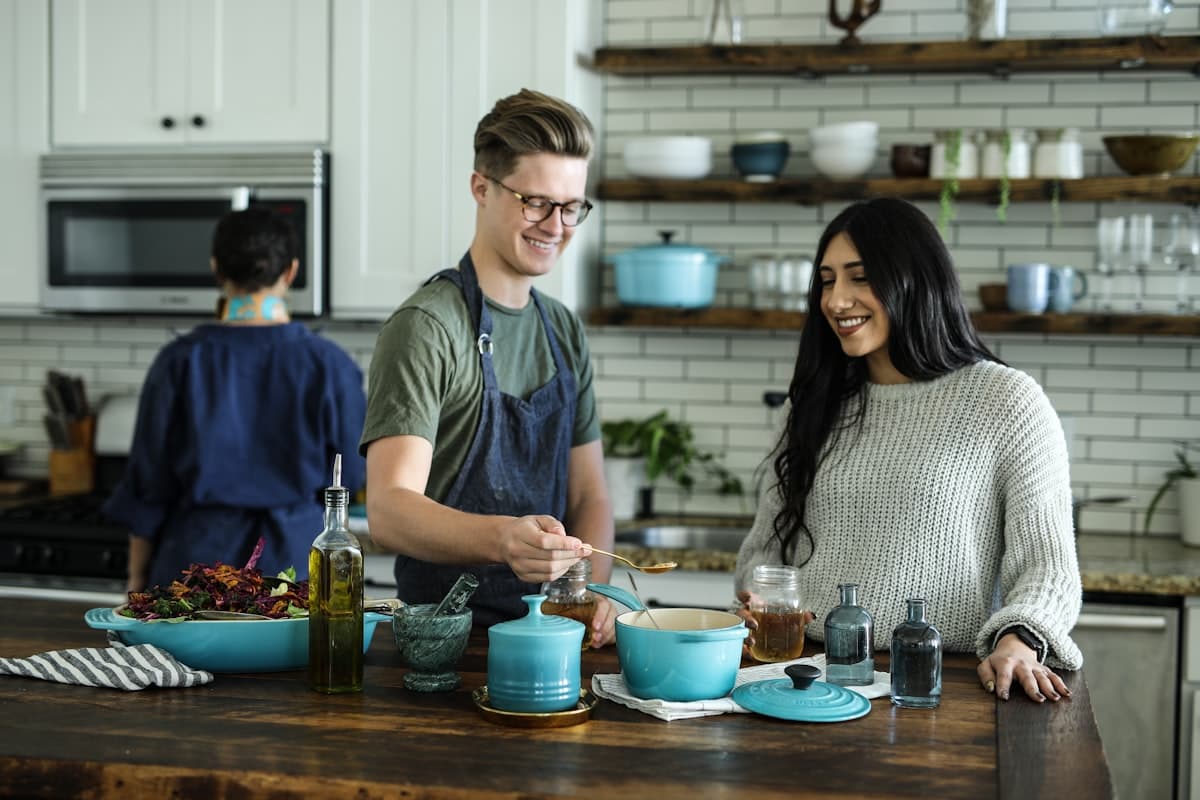
You've probably focused on what to eat for inflammation, but have you considered how you cook it? The same piece of chicken can be anti-inflammatory or pro-inflammatory depending on your cooking method. This isn't about being overly restrictive. It's about understanding how heat affects food and making smarter choices most of the time.
The science is clear: high-heat cooking methods like deep frying and grilling produce inflammatory compounds called advanced glycation end products (AGEs), while gentler methods like steaming and stewing preserve nutrients and minimize harmful byproducts. Let me show you exactly how different cooking methods rank and how to use each one in the least inflammatory way possible.
Healthiest Cooking Methods for Reducing Inflammation
If you want the quick version, here it is. We ranked 10 common cooking methods from least inflammatory to most inflammatory based on AGE production, nutrient retention, and overall impact on inflammatory markers. The ranking comes down to three variables: temperature, moisture, and time.
Tier 1 (best choices for daily cooking):
- Steaming scores highest across the board. Temperatures stay at 212F, moisture is constant, and nutrient retention is excellent. Steamed broccoli keeps more vitamin C and glucosinolates than any other method.
- Poaching is nearly identical to steaming for AGE production. The gentle heat (160-180F) keeps proteins tender and produces virtually zero harmful compounds.
- Stewing and braising use low, slow, moist heat that breaks down tough cuts without creating inflammatory byproducts. The liquid medium keeps AGEs minimal.
- Slow cooking operates in that sweet spot of 190-210F. Set it and forget it, and you get 50-70% fewer AGEs compared to grilling the same cut.
Tier 2 (moderate, use regularly with some care):
- Boiling and simmering produce few AGEs but leach water-soluble nutrients. Fine for soups and grains where you consume the liquid.
- Baking at moderate temperatures (300-350F) produces more AGEs than moist methods but far fewer than high-heat approaches. Covering dishes helps.
- Sauteing and stir-frying use high heat for short periods. The brief exposure limits AGE formation, especially with anti-inflammatory spices and a splash of broth.
Tier 3 (use sparingly, with precautions):
- High-temperature roasting (375-450F) creates significant browning and AGE formation. Fine for vegetables occasionally, less ideal for proteins.
- Grilling and broiling expose food to 400-550F, producing substantial AGEs and PAHs from fat dripping onto flames.
- Deep frying tops the inflammatory scale. High heat plus damaged seed oils plus extended cook time equals the worst combination.
The good news: you do not need to eliminate Tier 3 methods entirely. You just need to make Tier 1 methods your default. If 80% of your meals use steaming, poaching, or slow cooking, the occasional grilled steak or roasted chicken will not undo your progress. For a complete list of foods that pair well with these methods, check out the complete list of anti-inflammatory foods.
Cooking Methods That Reduce Inflammation: The Science
So why does cooking method matter so much? The answer goes deeper than just AGEs. Three distinct mechanisms connect your cooking choices to systemic inflammation.
Mechanism 1: AGE formation and RAGE activation. When you cook proteins or fats at high temperatures, sugar molecules bond to amino acids through a process called the Maillard reaction. This is the same reaction that gives toast its brown color and grilled meat its char. The end products of this reaction (AGEs) bind to receptors on your cells called RAGEs. Once RAGEs are activated, they trigger NF-kB, a master inflammatory switch that ramps up production of IL-6, TNF-alpha, and other cytokines. A 2010 study in the Journal of the American Dietetic Association measured AGE content across hundreds of foods and found that cooking method alone could change AGE levels by 100-fold. That means the same chicken breast can be essentially anti-inflammatory (poached) or pro-inflammatory (deep fried), depending entirely on how you prepare it.
Mechanism 2: Nutrient preservation and destruction. Gentle cooking preserves the compounds in food that actively fight inflammation. Vitamin C, B vitamins, and polyphenols are heat-sensitive. Steaming broccoli for 5 minutes retains about 80% of its vitamin C. Boiling it for 15 minutes drops that to 30%. Since these compounds act as antioxidants that counter inflammation, losing them during cooking means losing a big part of why you chose that food in the first place.
Mechanism 3: Lipid oxidation and toxic byproducts. High-heat cooking, especially frying, oxidizes cooking oils. Polyunsaturated seed oils (soybean, corn, sunflower) are particularly vulnerable. When these oils break down, they produce compounds like 4-hydroxynonenal and malondialdehyde, both of which trigger inflammatory cascades and damage cell membranes. Grilling adds another layer: fat dripping onto flames creates polycyclic aromatic hydrocarbons (PAHs), which are both carcinogenic and inflammatory.
The practical takeaway: anti-inflammatory cooking is not just about avoiding bad compounds. It is about preserving the good ones. Every cooking decision either adds inflammatory load or preserves anti-inflammatory potential. Understanding these mechanisms helps you make better choices without needing to memorize a chart. If you are building an anti-inflammatory kitchen from scratch, pair these methods with a solid beginner's guide to anti-inflammatory eating.
What Are AGEs in Cooking and Why They Matter
AGEs (advanced glycation end products) deserve their own deep dive because they are the single biggest reason cooking method influences inflammation. If you only remember one concept from this article, make it this one.
What AGEs actually are: AGEs form through a chemical reaction between sugars and proteins (or fats) called non-enzymatic glycation. Your body produces some AGEs naturally as part of normal metabolism, but dietary AGEs from cooked food can overwhelm your body's ability to clear them. Think of AGEs like rust forming on metal. A little surface oxidation is normal. But expose metal to heat and moisture repeatedly, and the rust accumulates until it compromises the structure.
How they form during cooking: Three cooking variables control AGE formation. Temperature is the biggest driver: AGE production accelerates dramatically above 300F and becomes extreme above 450F. Moisture matters because water limits the temperature at the food's surface to 212F, which is why steaming and poaching produce so few AGEs. Time is the third factor, though it is less important than temperature. A quick sear at high heat produces fewer AGEs than prolonged grilling at the same temperature.
What happens when you eat them: Roughly 10-30% of dietary AGEs are absorbed into your bloodstream. Once there, they bind to RAGE receptors on immune cells, endothelial cells, and organ tissues. This binding activates NF-kB, which triggers a cascade of inflammatory molecules. Over time, AGE accumulation contributes to arterial stiffness, kidney damage, insulin resistance, and neurodegeneration. People with diabetes are especially vulnerable because elevated blood sugar accelerates both internal and dietary AGE formation.
Practical AGE reduction strategies: You can cut dietary AGE intake by 50% or more without changing what you eat, only how you cook it. Marinate proteins in acidic liquids (lemon juice, vinegar, wine) for at least 30 minutes before cooking. Use moist-heat methods as your default. When you do use high heat, keep cook times short and avoid charring. Adding a splash of broth to a hot pan instead of more oil can make a real difference. Even small changes add up. Swapping your morning fried eggs for poached eggs, or choosing an anti-inflammatory smoothie instead, cuts your AGE intake for that meal to nearly zero.
Understanding AGEs: The Inflammatory Compounds Formed During Cooking
Advanced glycation end products (AGEs) are the key reason cooking methods matter for inflammation. These compounds form when proteins or fats combine with sugars during cooking, especially at high temperatures.
AGEs occur naturally in small amounts in uncooked foods, but cooking dramatically increases their formation. A 2010 study in the Journal of the American Dietetic Association found that the same food can vary in AGE content by up to 100-fold depending on cooking method.
Why AGEs Promote Inflammation
Once consumed, AGEs interact with receptors called RAGEs (receptors for advanced glycation end products) on cell surfaces. This triggers oxidative stress and inflammatory pathways, increasing production of inflammatory cytokines like IL-6 and TNF-alpha.
Research published in Diabetes Care shows that people who consume high-AGE diets have significantly elevated inflammatory markers compared to those eating the same foods prepared with low-AGE methods. Over time, AGE accumulation contributes to cardiovascular disease, diabetes, kidney disease, Alzheimer's disease, and accelerated aging.
A 2014 study in the Journal of the Academy of Nutrition and Dietetics demonstrated that reducing dietary AGEs by 50% (simply by changing cooking methods) significantly decreased inflammatory markers in just four months.
What Increases AGE Formation
Three factors drive AGE formation during cooking:
Temperature: The higher the heat, the more AGEs form. Dry heat above 350°F (177°C) dramatically accelerates AGE production.
Time: Longer cooking times at high temperatures create more AGEs. Quick searing produces fewer AGEs than prolonged grilling.
Moisture: Dry cooking methods (grilling, frying, roasting at high heat) produce more AGEs than moist methods (steaming, boiling, stewing).
pH: Acidic environments (marinades with lemon juice or vinegar) reduce AGE formation by up to 50%.
Now let's rank cooking methods from least to most inflammatory.
The Anti-Inflammatory Cooking Methods Ranking
1. Steaming (Most Anti-Inflammatory)
Steaming uses moist heat at relatively low temperatures (212°F/100°C), producing minimal AGEs. It also preserves water-soluble vitamins better than boiling since vegetables don't sit in water.
A 2009 study in the Journal of Zhejiang University found that steaming preserved more antioxidants in broccoli than any other cooking method. The gentle heat maintains the vegetable's anti-inflammatory glucosinolates and vitamin C.
Best for: Vegetables, fish, dumplings, chicken (boneless pieces)
Tips:
- Don't overcook. Vegetables should be tender-crisp, not mushy.
- Season after steaming to keep flavors bright.
- Use aromatic herbs in the steaming liquid (lemongrass, ginger, garlic).
- For fish, place it on a bed of vegetables for extra flavor.
Example: Steam wild salmon fillets over sliced ginger and scallions for 6-8 minutes. The salmon remains moist, tender, and loaded with anti-inflammatory omega-3s without any harmful compounds.
2. Poaching
Poaching involves cooking food in liquid (water, broth, or wine) at temperatures between 160-180°F (71-82°C). Like steaming, it produces virtually no AGEs and keeps proteins tender.
Best for: Fish, chicken breasts, eggs, fruit
Tips:
- Use flavorful liquids (broth, coconut milk, wine with herbs).
- Keep temperature just below simmering. Aggressive boiling toughens proteins.
- Save poaching liquid for soups and sauces.
- Add aromatics like bay leaves, peppercorns, and lemon slices.
Example: Poach chicken breasts in chicken broth with garlic, thyme, and lemon. Use the tender chicken for salads or grain bowls, and save the flavorful broth for lentil soup.
3. Stewing and Braising
Stewing and braising involve slow cooking in liquid at low temperatures (around 180-200°F/82-93°C). This moist, gentle heat produces minimal AGEs while breaking down tough connective tissue in meat.
Research in Meat Science shows that stewing produces significantly fewer AGEs than roasting or grilling the same cuts of meat. The long, slow cooking in liquid also creates tender, flavorful results.
Best for: Tougher cuts of meat (chuck, brisket, shoulder), root vegetables, legumes
Tips:
- Brown meat first in a small amount of olive oil for flavor, then add liquid.
- Use anti-inflammatory ingredients: tomatoes, garlic, onions, herbs, red wine.
- Cook low and slow. Rushing defeats the purpose.
- Make extra and freeze portions for easy anti-inflammatory meals.
Example: Braise grass-fed beef chuck with tomatoes, red wine, carrots, celery, and rosemary for 3 hours at 300°F. The result is tender, anti-inflammatory comfort food.
4. Slow Cooking
Electric slow cookers operate at temperatures between 190-210°F (88-99°C), making them excellent for minimizing AGE formation. A 2016 study found that slow-cooked meats had 50-70% fewer AGEs than the same meats grilled or fried.
Best for: Stews, soups, chili, pot roast, beans, tough cuts of meat
Tips:
- Add vegetables in the last hour to prevent mushiness.
- Use enough liquid to create steam and keep food moist.
- Brown meat first for better flavor (though this adds some AGEs, the long slow cooking minimizes overall AGE content).
- Don't lift the lid repeatedly. Each peek adds 20-30 minutes to cooking time.
Example: Make anti-inflammatory chicken stew with grilled chicken, sweet potatoes, kale, tomatoes, and turmeric. Set it in the morning and come home to a ready meal with minimal inflammatory compounds.
5. Boiling and Simmering
Boiling at 212°F (100°C) produces few AGEs, but it can leach water-soluble nutrients into the cooking water. For vegetables, this is significant. For soups and stews where you consume the liquid, it's not a problem.
Best for: Pasta, grains, legumes, soups, hard-boiled eggs, some vegetables
Tips:
- Use minimal water for vegetables to reduce nutrient loss.
- Save cooking water (pot liquor) from vegetables for soups and grains.
- Don't overcook vegetables. They should retain some texture and color.
- For grains and beans, boiling is perfect since you're creating one-dish meals.
Example: Boil steel-cut oats in water with a pinch of salt. Top with berries, nuts, and cinnamon for an anti-inflammatory breakfast with zero AGEs.
6. Baking at Moderate Temperatures (300-350°F)
Baking at moderate temperatures produces more AGEs than moist-heat methods but significantly fewer than high-heat roasting, grilling, or frying. The dry heat and moderate temperature cause some browning and AGE formation.
Best for: Casseroles, fish, chicken, vegetables, whole grains
Tips:
- Keep temperatures at or below 350°F when possible.
- Cover dishes with foil or lids to retain moisture and reduce AGE formation.
- Add liquid to the pan (broth, wine, tomato sauce) to create steam.
- Marinate meats before baking to reduce AGEs by up to 50%.
Example: Bake wild salmon at 325°F with lemon slices, olive oil, and herbs, covered with foil for the first 10 minutes. This produces a moist, tender result with moderate AGE content.
7. Sautéing and Stir-Frying
Sautéing and stir-frying use high heat but for very short periods, which limits AGE formation compared to prolonged high-heat cooking. The key is using healthy fats with high smoke points and keeping cooking times brief.
A 2011 study in Food Chemistry found that stir-frying vegetables in olive oil retained more antioxidants than boiling, though it produced more AGEs than steaming. It's a moderate option that balances flavor, nutrition, and inflammatory impact.
Best for: Vegetables, quick-cooking proteins (shrimp, thinly sliced chicken or beef), eggs
Tips:
- Use olive oil, avocado oil, or coconut oil (not seed oils like soybean or corn).
- Keep heat at medium-high, not maximum.
- Cut ingredients small for faster cooking.
- Add a splash of broth or water if food starts to stick instead of more oil.
- Don't let food sit. Keep it moving in the pan.
Example: Stir-fry kale salad with garlic, ginger, and sliced chicken in olive oil for 4-5 minutes. Quick, flavorful, and moderately anti-inflammatory.
8. Roasting at High Temperatures (375-450°F)
High-temperature roasting produces significant AGEs due to the dry heat and browning. However, it can still be part of a healthy diet when used occasionally and with some precautions.
Research shows that roasted vegetables develop more AGEs than steamed vegetables, but they also concentrate flavors and caramelize natural sugars, making them more appealing. The palatability factor matters for long-term adherence to healthy eating.
Best for: Vegetables, chicken with skin, turkey, occasional beef or pork
Tips:
- Roast at 375°F instead of 425°F when possible to reduce AGEs.
- Toss vegetables in olive oil and herbs before roasting.
- Don't overcrowd the pan. Air circulation prevents steaming.
- For meat, use a meat thermometer and don't overcook.
- Remove any heavily charred or blackened portions.
Example: Roast sweet potatoes, Brussels sprouts, and carrots at 375°F with olive oil, salt, and rosemary for 30-35 minutes. The caramelization adds flavor, and vegetables can handle moderate AGE formation better than animal proteins.
9. Grilling and Broiling
Grilling and broiling expose food to very high heat (400-550°F or higher), often creating char and producing substantial AGEs. Additionally, when fat drips onto flames or heating elements and creates smoke, that smoke contains polycyclic aromatic hydrocarbons (PAHs), which are carcinogenic and inflammatory.
A 2010 study in the Journal of Agricultural and Food Chemistry found that grilled chicken had 4-8 times more AGEs than the same chicken poached or stewed.
That said, grilling doesn't have to be completely off-limits. Vegetables handle grilling better than meat because they have less protein and fat to form AGEs and PAHs.
Best for: Vegetables, occasional lean proteins (if using AGE-reduction strategies)
Tips for reducing inflammatory compounds when grilling:
- Marinate meat in acidic marinades (lemon juice, vinegar, wine) for at least 30 minutes. This can reduce AGE formation by 50%.
- Keep heat moderate and avoid flames touching food.
- Flip frequently to prevent charring.
- Trim visible fat to reduce PAH-forming drippings.
- Remove any charred or blackened portions before eating.
- Consider grilling vegetables and poaching or baking proteins instead.
Example: Marinate grilled chicken in olive oil, lemon juice, garlic, and herbs for 2 hours. Grill over medium heat, flipping every 3-4 minutes to prevent charring. Serve with grilled vegetables (which handle high heat better than meat).
For more on why heavily processed and high-heat cooking increases inflammation, see How Ultra-Processed Foods Drive Chronic Inflammation.
10. Deep Frying (Most Inflammatory)
Deep frying is the most inflammatory cooking method. The combination of very high temperatures (350-375°F), damaged fats, and extended cooking time produces massive amounts of AGEs.
Additionally, frying oils (often soybean or other seed oils high in omega-6) oxidize during heating, creating inflammatory compounds like 4-hydroxynonenal. Reusing frying oil multiplies the problem.
A 2013 study in the European Journal of Clinical Nutrition found that frequent fried food consumption was associated with significantly elevated inflammatory markers and increased risk of heart disease and diabetes.
Best alternative: Oven "frying" or air frying at lower temperatures with minimal oil
If you do fry occasionally:
- Use stable fats like coconut oil or avocado oil (not seed oils).
- Keep temperature at 350°F or below.
- Never reuse frying oil.
- Drain food well and blot with paper towels.
- Make it a rare treat, not a regular cooking method.
Better option: "Fry" fried chicken in an air fryer at 375°F with a light coating of avocado oil spray, or make crispy baked chicken by coating in whole wheat breadcrumbs and baking at 400°F. You'll get the crispy texture with far fewer inflammatory compounds.
The Role of Marinades and Acidic Ingredients
One of the most effective ways to reduce AGEs, regardless of cooking method, is marinating food in acidic ingredients before cooking.
A 2010 study published in the Journal of Agricultural and Food Chemistry tested various marinades on grilled beef. Marinades containing lemon juice or vinegar reduced AGE formation by 50-70%. The researchers concluded that the pH lowering effect of acids inhibits the chemical reactions that form AGEs.
Effective Marinade Ingredients
Acidic components:
- Lemon or lime juice
- Vinegar (apple cider, red wine, balsamic)
- Wine (red or white)
- Yogurt (contains lactic acid)
- Tomato-based sauces
Anti-inflammatory additions:
- Olive oil
- Garlic (contains allicin)
- Ginger (gingerols)
- Turmeric (curcumin)
- Rosemary (carnosic acid)
- Herbs and spices
Simple anti-inflammatory marinade:
- 1/4 cup olive oil
- 2 tablespoons lemon juice or apple cider vinegar
- 3 cloves minced garlic
- 1 teaspoon dried herbs (rosemary, oregano, or thyme)
- Salt and black pepper
Marinate chicken, fish, or meat for at least 30 minutes (up to 24 hours for tougher cuts). This simple step dramatically reduces inflammatory compounds.
For more on using anti-inflammatory ingredients, see Turmeric, Omega-3, and Polyphenols: The Big Three Anti-Inflammatory Compounds.
Practical Cooking Tips for Each Method
Making Steaming More Flavorful
Steaming can seem bland, but it doesn't have to be:
- Add aromatics to the steaming liquid (ginger, garlic, lemongrass, herbs).
- Finish steamed vegetables with high-quality olive oil, lemon zest, and sea salt.
- Make flavorful sauces to serve alongside (tahini-lemon, pesto, chimichurri).
- Steam fish on a bed of vegetables to infuse flavor.
Perfect Poaching Every Time
- Keep liquid at a bare simmer. Bubbles should barely break the surface.
- Use a thermometer if you're unsure (aim for 160-180°F).
- Don't crowd the pan. Poach in batches if necessary.
- For eggs, add a splash of vinegar to help whites set.
Slow Cooking Success
- Brown proteins first for depth of flavor (even though it adds some AGEs, the overall content remains low).
- Layer ingredients: aromatics on bottom, proteins in middle, hardy vegetables around sides, delicate vegetables added late.
- Use low setting for 8 hours or high for 4-5 hours.
- Add fresh herbs in the last 30 minutes to preserve their flavor.
Better Sautéing and Stir-Frying
- Preheat the pan before adding oil (prevents food from sticking and allows you to use less oil).
- Don't overcrowd. Cook in batches if necessary.
- Add ingredients in order of cooking time (longest-cooking first).
- Deglaze with broth, wine, or lemon juice to create a quick pan sauce.
Healthier Roasting
- Roast at 375°F instead of 450°F (takes slightly longer but produces fewer AGEs).
- Use parchment paper or silicone mats instead of aluminum foil.
- Toss vegetables in olive oil rather than butter for anti-inflammatory benefits.
- Add hardy herbs (rosemary, thyme) before roasting. Add delicate herbs (parsley, basil) after.
Safer Grilling
- Marinate everything that's going on the grill.
- Use a grill basket for vegetables and smaller items.
- Keep a spray bottle of water handy to douse flare-ups.
- Pre-cook chicken or other thick proteins partially in the oven, then finish on the grill for flavor.
- Grill vegetables and fruit (pineapple, peaches) which handle high heat better.
Combining Methods for Best Results
You don't have to stick to one method per dish. Combining techniques often yields the best flavor and nutritional profile:
Steam-then-sauté: Steam vegetables until tender-crisp, then quickly sauté in olive oil with garlic for flavor. This preserves nutrients while adding palatability.
Slow-cook-then-broil: Slow cook a whole chicken until tender, then broil for 3-5 minutes to crisp the skin. You get tender meat with minimal AGEs and crispy skin as a bonus.
Poach-then-sear: Poach chicken breasts until just cooked through, then quickly sear in a hot pan for 1 minute per side for color and texture.
Bake-covered-then-uncovered: Bake casseroles covered for most of the cooking time (keeping food moist and reducing AGEs), then uncover for the last 10 minutes to brown the top.
The Bottom Line: Practical Application
Cooking method matters as much as ingredient quality when it comes to inflammation. The evidence is clear that gentle, moist-heat cooking methods produce fewer inflammatory compounds than high-heat, dry methods.
Prioritize these methods most days:
- Steaming
- Poaching
- Stewing and braising
- Slow cooking
- Boiling (for grains, legumes, soups)
Use these methods moderately:
- Baking at moderate temperatures
- Sautéing and stir-frying
- Roasting at 375°F or below
Minimize these methods:
- High-heat roasting (400°F+)
- Grilling and broiling
- Deep frying
This doesn't mean you can never grill or enjoy crispy roasted vegetables. It means being strategic about when you use high-heat methods and taking steps to minimize AGE formation when you do (marinating, avoiding char, not overcooking).
Focus on using anti-inflammatory methods for your daily meals and save grilling and roasting for occasional use. Your body will respond with lower inflammation, better energy, and improved long-term health.
For complete anti-inflammatory eating guidance, see The Ultimate Guide to Inflammation and Disease and The Complete List of Anti-Inflammatory Foods 2026. And if you want to stock your kitchen with the right ingredients on a budget, our anti-inflammatory grocery list is a good companion to this guide.
Frequently Asked Questions
What are AGEs and why do they matter for inflammation?
Advanced glycation end products (AGEs) are inflammatory compounds formed when proteins or fats combine with sugars at high temperatures. They promote oxidative stress and inflammation in the body. Dietary AGEs bind to RAGE receptors on your cells, triggering NF-kB and a cascade of inflammatory cytokines like IL-6 and TNF-alpha. Over time, accumulated AGEs contribute to cardiovascular disease, kidney problems, insulin resistance, and accelerated aging.
What is the healthiest way to cook meat?
Steaming, poaching, stewing, and slow cooking at lower temperatures produce fewer AGEs than grilling or frying. Marinating meat in acidic ingredients (lemon juice, vinegar, wine) before cooking also reduces AGE formation by up to 50%. If you need to use higher heat, keep cook times short and avoid charring. A slow-cooked pot roast has 50-70% fewer AGEs than the same cut grilled over an open flame.
Is grilling always unhealthy?
Not necessarily. Grilling vegetables is fine because they contain less protein and fat, so they produce fewer AGEs and PAHs. For meat, use acidic marinades for at least 30 minutes before grilling, avoid direct flame contact, keep temperatures moderate, flip frequently to prevent charring, and limit how often you grill. These precautions significantly reduce inflammatory compound formation.
Does the type of oil I cook with affect inflammation?
Yes. Oils high in omega-6 fats (soybean, corn, sunflower) are prone to oxidation at high temperatures, producing inflammatory compounds like 4-hydroxynonenal. Extra virgin olive oil and avocado oil contain antioxidants that remain more stable at moderate cooking temperatures and actively support an anti-inflammatory diet. For high-heat cooking, avocado oil has a higher smoke point. For lower-heat sauteing and dressings, extra virgin olive oil is the best choice.
Can I reduce AGEs in food I have already cooked?
Not really. Once AGEs form during cooking, you cannot remove them from the food. Prevention is the only effective strategy. Use lower temperatures, add moisture (broth, water, marinades), cook with acidic ingredients, and choose moist-heat cooking methods whenever possible. The good news is that these prevention methods are easy to build into your routine, and they often produce food that tastes better too.
Sources
-
Uribarri J, et al. Advanced glycation end products in foods and a practical guide to their reduction in the diet. Journal of the American Dietetic Association. 2010. https://pubmed.ncbi.nlm.nih.gov/20497781/
-
Vlassara H, et al. Oral AGE restriction ameliorates insulin resistance in obese individuals with the metabolic syndrome: a randomized controlled trial. Diabetologia. 2016. https://pubmed.ncbi.nlm.nih.gov/27174368/
-
Uribarri J, et al. Diet-derived advanced glycation end products are major contributors to the body's AGE pool and induce inflammation in healthy subjects. Annals of the New York Academy of Sciences. 2005. https://pubmed.ncbi.nlm.nih.gov/16041406/
-
Goldberg T, et al. Advanced glycoxidation end products in commonly consumed foods. Journal of the American Dietetic Association. 2004. https://pubmed.ncbi.nlm.nih.gov/15389416/
-
Yuan Y, et al. Effects of different cooking methods on health-promoting compounds of broccoli. Journal of Zhejiang University Science B. 2009. https://pubmed.ncbi.nlm.nih.gov/19650196/
-
Gatellier P, et al. Effect of cooking on protein oxidation in meat: consequences on nutritional value. Meat Science. 2009. https://pubmed.ncbi.nlm.nih.gov/20416674/
-
Jimenez-Colmenero F, et al. Technological and sensory characteristics of reduced/low-fat, low-salt frankfurters as affected by the addition of konjac and seaweed. Meat Science. 2010. https://pubmed.ncbi.nlm.nih.gov/20374748/
-
Miglio C, et al. Effects of different cooking methods on nutritional and physicochemical characteristics of selected vegetables. Journal of Agricultural and Food Chemistry. 2008. https://pubmed.ncbi.nlm.nih.gov/18171023/
-
Murkovic M. Formation of heterocyclic aromatic amines in model systems. Journal of Chromatography B. 2004. https://pubmed.ncbi.nlm.nih.gov/15556487/
-
Cahill LE, et al. Fried food consumption and risk of type 2 diabetes and coronary artery disease: a prospective study in 2 cohorts. European Journal of Clinical Nutrition. 2014. https://pubmed.ncbi.nlm.nih.gov/24986816/
-
Poulsen MW, et al. Advanced glycation endproducts in food and their effects on health. Food and Chemical Toxicology. 2013. https://pubmed.ncbi.nlm.nih.gov/23867544/
-
Persson E, et al. Influence of antioxidants in virgin olive oil on the formation of heterocyclic amines in fried beefburgers. Food and Chemical Toxicology. 2003. https://pubmed.ncbi.nlm.nih.gov/12576299/