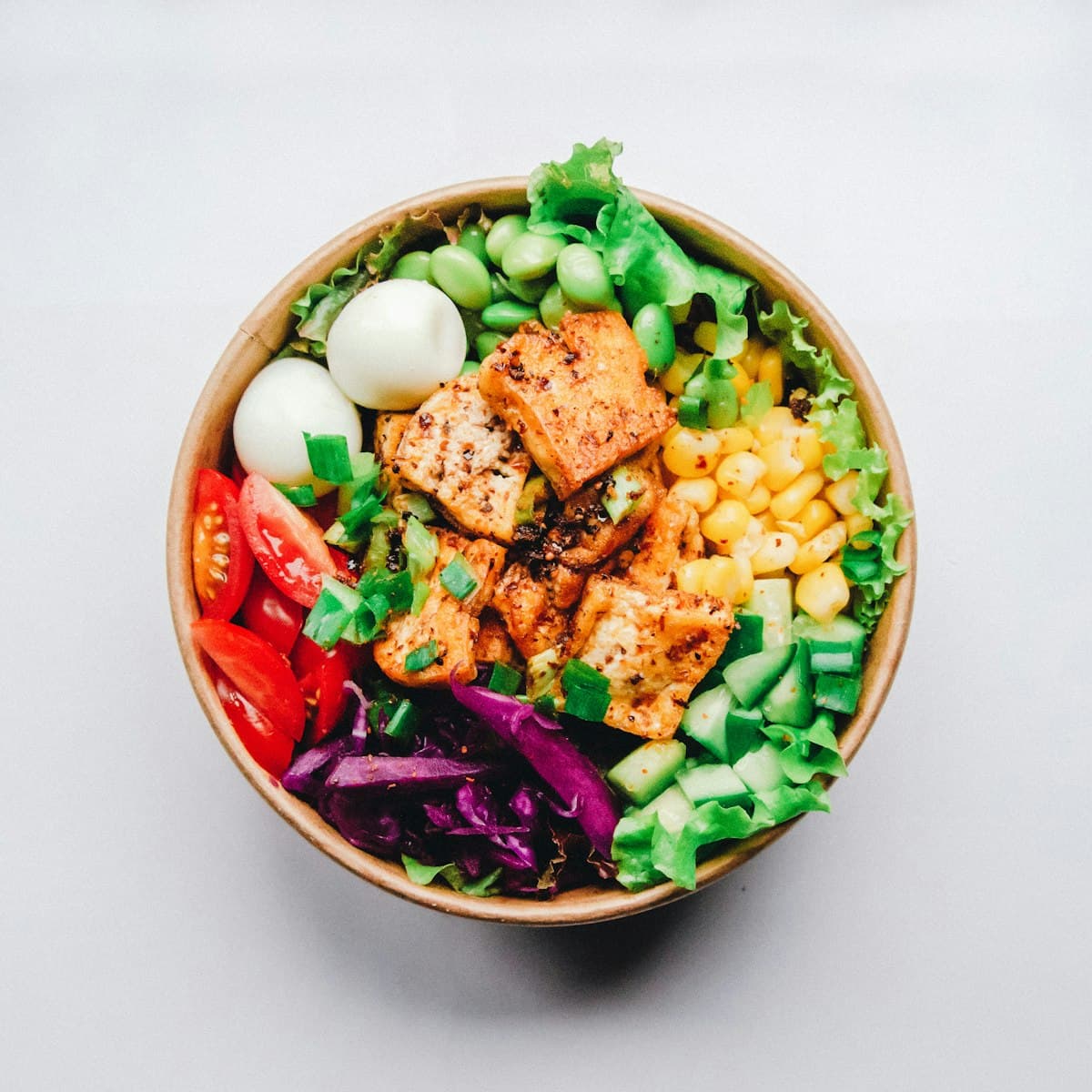
Starting an anti-inflammatory diet can feel overwhelming. You've probably heard it can help with everything from joint pain to brain fog, but where do you actually begin? Let me walk you through exactly what you need to know to get started, without the confusion or extreme restrictions.
Understanding Inflammation (The Quick Version)
Before we talk about food, let's quickly cover what we're working with. Inflammation is your body's natural defense mechanism. When you cut your finger or catch a cold, acute inflammation rushes in to heal and protect you. That's the good kind.
Chronic inflammation is different. It's like your immune system forgot to turn off the alarm. This low-grade, persistent inflammation has been linked to heart disease, diabetes, Alzheimer's, arthritis, and even depression. According to research published in Nature Medicine, chronic inflammation is a common denominator in most chronic diseases affecting modern populations.
The good news? Your diet directly influences inflammatory processes. A study in the Journal of the American College of Cardiology found that dietary patterns account for a significant portion of inflammatory markers in the blood.
What Anti-Inflammatory Eating Actually Means
An anti-inflammatory diet isn't a rigid meal plan or a list of forbidden foods. Think of it as a framework that prioritizes foods that reduce inflammation while minimizing those that trigger it.
You're not counting calories or measuring macros. You're simply choosing foods that work with your body instead of against it. The research backing this approach is solid. A 2020 study in the British Journal of Nutrition demonstrated that participants following an anti-inflammatory eating pattern showed significant reductions in C-reactive protein (CRP), a key marker of inflammation.
Core Principle 1: Eat More Plants
Plants are packed with phytonutrients, compounds that actively fight inflammation. Think colorful vegetables, fruits, whole grains, legumes, nuts, and seeds.
Aim to fill half your plate with vegetables at lunch and dinner. This isn't about going vegetarian (unless you want to). It's about making plants the star of your meals instead of an afterthought. Leafy greens like spinach and kale are particularly powerful due to their high levels of vitamins A, C, and K.
Berries deserve special mention. Blueberries, strawberries, and blackberries contain anthocyanins, compounds that have been shown to reduce inflammatory markers. A study from the University of Eastern Finland found that regular berry consumption decreased inflammation and improved metabolic health markers.
Different colors provide different benefits, so variety matters. Purple cabbage offers different antioxidants than orange sweet potatoes. Try to eat a rainbow each week.
Core Principle 2: Choose Healthy Fats
Not all fats are created equal when it comes to inflammation. You want to increase omega-3 fatty acids while decreasing omega-6s and eliminating trans fats entirely.
Omega-3s are potent anti-inflammatory compounds found in fatty fish like wild salmon, sardines, and mackerel. They work by producing specialized molecules called resolvins that actively resolve inflammation. The American Heart Association recommends eating fatty fish at least twice per week.
Olive oil, particularly extra virgin, contains oleocanthal, a compound that works similarly to ibuprofen in reducing inflammation. Research published in the journal Current Pharmaceutical Design showed that just 3.4 tablespoons daily provided anti-inflammatory benefits comparable to low-dose ibuprofen.
Nuts and seeds, especially walnuts, flaxseeds, and chia seeds, provide plant-based omega-3s called ALA. While not as potent as the omega-3s in fish, they still offer significant benefits. An ounce of walnuts daily (about 14 halves) is a good target.
Avocados bring healthy monounsaturated fats plus carotenoids and tocopherols that work together to reduce inflammation.
Core Principle 3: Minimize Processed Foods
Ultra-processed foods are inflammation's best friend. They're typically loaded with refined grains, added sugars, unhealthy fats, and additives that can trigger inflammatory responses.
Studies show that people who eat the most ultra-processed foods have significantly higher levels of inflammatory markers. Research from NutriNet-Santé, a large French cohort study, found a direct correlation between ultra-processed food consumption and elevated CRP levels.
This means limiting packaged snacks, sugary cereals, soda, energy drinks, instant noodles, white bread, and most frozen meals. For more details, check out how ultra-processed foods drive chronic inflammation.
I'm not saying never eat these foods. I'm saying they shouldn't be daily staples. When you do choose processed items, read ingredients. Shorter lists with recognizable foods are better.
Core Principle 4: Include Quality Protein
Protein is essential for tissue repair and immune function, but the source and preparation matter. Wild-caught fish tops the list due to omega-3 content. Grilled chicken and turkey are lean options that won't trigger inflammation when prepared without excessive oils or charring.
Eggs, particularly from pasture-raised chickens, provide high-quality protein along with anti-inflammatory compounds in the yolk. Greek yogurt offers protein plus probiotics that support gut health, which directly influences systemic inflammation.
Plant proteins like beans, lentils, and quinoa bring fiber and phytonutrients along with the protein. A lentil soup gives you protein, fiber, and antioxidants in one bowl.
Red meat isn't forbidden, but choose grass-fed when possible and keep portions to about 3-4 ounces. Avoid processed meats like bacon and deli meats, which contain nitrates and other preservatives linked to increased inflammation.
Building an Anti-Inflammatory Meal: A Simple Framework
Here's a template you can use for any meal:
Base: Start with vegetables (raw, roasted, sautéed, or steamed). Fill half your plate.
Protein: Add a palm-sized portion of fish, poultry, legumes, or eggs.
Healthy Fat: Include olive oil, avocado, nuts, or seeds.
Complex Carb: Add a fist-sized portion of whole grains, sweet potato, or legumes.
Flavor Boosters: Season generously with anti-inflammatory herbs and spices like turmeric, ginger, garlic, rosemary, and cinnamon.
Example: Roasted vegetables (broccoli, carrots, bell peppers) + grilled salmon + quinoa bowl + olive oil drizzle + garlic and herbs.
This framework works for any cuisine or preference. It's flexible enough to use at home or when eating out.
Common Beginner Mistakes
Mistake 1: Going Too Extreme Too Fast Don't throw out your entire pantry and start over tomorrow. That's a recipe for burnout. Make gradual swaps. Replace white bread with whole grain this week. Add one more serving of vegetables next week.
Mistake 2: Focusing Only on What to Avoid Yes, you want to minimize inflammatory foods, but focusing on what to add is more sustainable. Crowd out the bad with the good. When you're eating more anti-inflammatory foods, there's naturally less room for inflammatory ones.
Mistake 3: Ignoring Preparation Methods How you cook matters. Deep-frying anything, even vegetables, creates inflammatory compounds. Grilling and charring at high heat produces advanced glycation end products (AGEs) that promote inflammation. Stick to baking, roasting, steaming, and sautéing at moderate temperatures.
Mistake 4: Drinking Your Calories Smoothies can be great (more on that in our anti-inflammatory smoothie guide), but fruit juice, soda, and sweetened coffee drinks spike blood sugar and trigger inflammation. Even 100% fruit juice lacks the fiber that helps regulate sugar absorption.
Mistake 5: Not Eating Enough Some people get so focused on eliminating foods that they under-eat, which stresses the body and can actually increase inflammation. You need adequate calories and nutrients to support healthy immune function.
Your 3-Day Starter Meal Plan
Here's a simple plan to help you visualize what anti-inflammatory eating looks like in practice.
Day 1:
- Breakfast: Steel-cut oats topped with blueberries, walnuts, and cinnamon
- Lunch: Large mixed green salad with chickpeas, cucumber, tomatoes, avocado, and olive oil-lemon dressing
- Dinner: Baked wild salmon with roasted sweet potato and steamed broccoli
- Snack: Apple slices with almond butter
Day 2:
- Breakfast: Greek yogurt with strawberries, ground flaxseed, and a drizzle of honey
- Lunch: Lentil soup with a side of mixed greens
- Dinner: Stir-fried vegetables (bell peppers, snap peas, mushrooms) with grilled chicken over brown rice
- Snack: Handful of walnuts and dark chocolate (85%)
Day 3:
- Breakfast: Smoothie with spinach, banana, berries, almond milk, and chia seeds
- Lunch: Quinoa bowl with roasted vegetables, white beans, and tahini dressing
- Dinner: Turkey meatballs with zucchini noodles and marinara sauce
- Snack: Carrot sticks with hummus
This gives you variety while hitting all the anti-inflammatory principles. Notice there's nothing exotic or hard to find. These are regular foods combined thoughtfully.
Making the Transition Sustainable
Start with one meal. Many people find breakfast easiest to change. Once that feels natural, tackle lunch, then dinner, then snacks. This might take several weeks, and that's completely fine.
Meal prep makes everything easier. Spending an hour on Sunday to chop vegetables, cook grains, and prepare proteins sets you up for success all week. You don't need to cook elaborate meals; simple combinations work beautifully.
Keep anti-inflammatory staples on hand. Stock your pantry with olive oil, canned beans, whole grains, nuts, seeds, and spices. Keep your freezer filled with frozen berries, vegetables, and wild-caught fish. These make healthy meals possible even on busy days.
Don't aim for perfection. If you're eating anti-inflammatory meals 80% of the time, you're doing great. The occasional treat or less-than-ideal meal won't derail your progress. What matters is your overall pattern.
Find versions of your favorite foods that fit the framework. Love pasta? Try whole grain or legume-based versions with lots of vegetables and olive oil. Crave something sweet? Dark chocolate (70% cacao or higher) actually has anti-inflammatory benefits.
What to Expect
In the first week or two, you might experience some adjustment. Your taste buds need time to recalibrate if you're used to very sweet or salty processed foods. Stick with it. By week three, fresh foods start tasting better, and processed foods often taste overly sweet or salty.
Many people notice better energy and improved digestion within the first month. Joint pain and stiffness may start to decrease. Brain fog often lifts. These improvements motivate continued adherence.
Significant changes in chronic conditions typically require 8-12 weeks of consistent anti-inflammatory eating, according to research in the Journal of Translational Medicine. Give your body time to heal. Inflammation didn't develop overnight, and it won't resolve overnight either.
Additional Resources
For more detailed information, explore our guides on the complete list of anti-inflammatory foods and the science behind the Dietary Inflammatory Index. Understanding the "why" behind the recommendations helps many people stay motivated.
If you have specific health conditions, check out our guide on anti-inflammatory diet for autoimmune conditions for more targeted information.
The path to reducing inflammation through diet doesn't require perfection or extreme restrictions. It simply requires consistent choices that support your body's natural healing processes. Start where you are, make gradual changes, and pay attention to how your body responds. You've got this.
Sources
-
Furman, D., et al. (2019). Chronic inflammation in the etiology of disease across the life span. Nature Medicine, 25(12), 1822-1832. https://www.nature.com/articles/s41591-019-0675-0
-
Ruiz-Canela, M., et al. (2020). Dietary inflammatory index and anthropometric measures of obesity in a population sample at high cardiovascular risk from the PREDIMED trial. British Journal of Nutrition, 123(1), 85-94. https://pubmed.ncbi.nlm.nih.gov/31594588/
-
Yin, J., et al. (2021). Anthocyanins and inflammatory markers: A systematic review. Journal of Agricultural and Food Chemistry, 69(49), 14913-14928. https://pubmed.ncbi.nlm.nih.gov/34851624/
-
American Heart Association. (2023). Fish and Omega-3 Fatty Acids. https://www.heart.org/en/healthy-living/healthy-eating/eat-smart/fats/fish-and-omega-3-fatty-acids
-
Beauchamp, G.K., et al. (2005). Phytochemistry: ibuprofen-like activity in extra-virgin olive oil. Nature, 437(7055), 45-46. https://pubmed.ncbi.nlm.nih.gov/16136121/
-
Adjibade, M., et al. (2019). Prospective association between ultra-processed food consumption and incident depressive symptoms in the French NutriNet-Santé cohort. BMC Medicine, 17(1), 78. https://pubmed.ncbi.nlm.nih.gov/30982472/
-
Harvard Health Publishing. (2021). Foods that fight inflammation. https://www.health.harvard.edu/staying-healthy/foods-that-fight-inflammation
-
Mayo Clinic. (2023). Anti-inflammatory diet: Can it help with rheumatoid arthritis? https://www.mayoclinic.org/diseases-conditions/arthritis/expert-answers/arthritis/faq-20058222