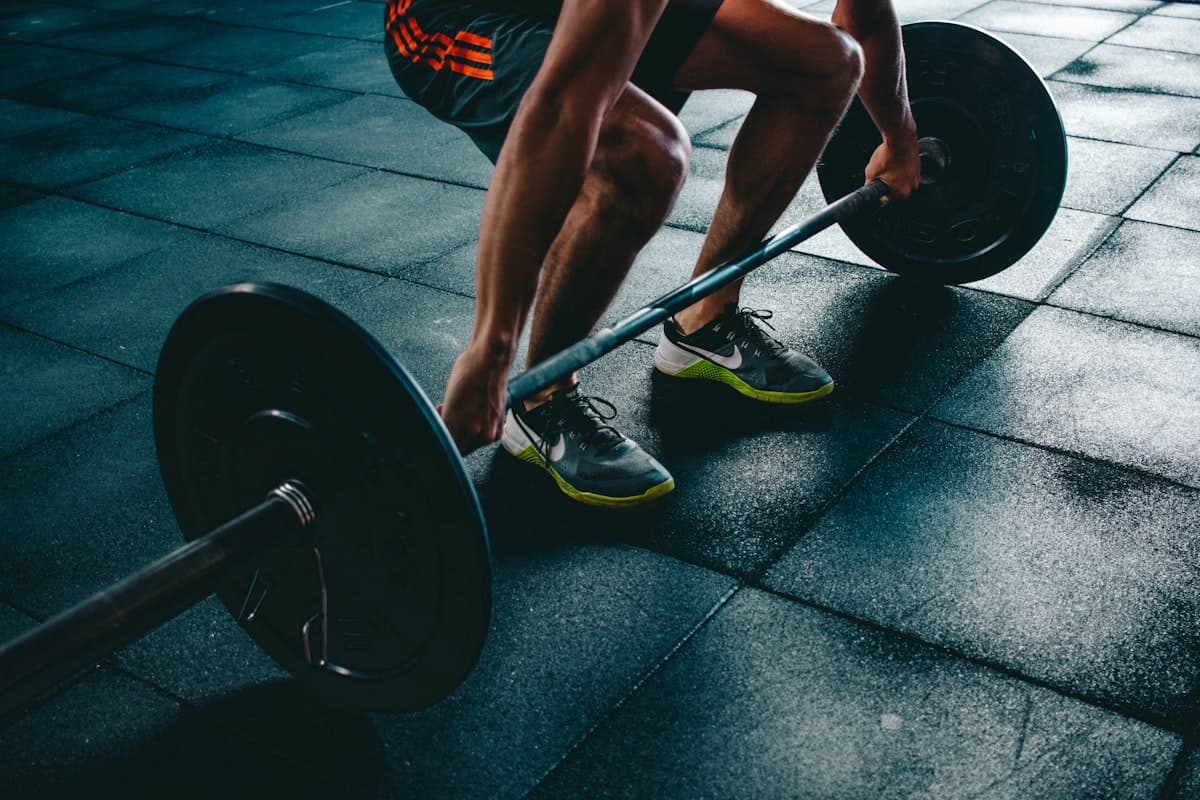
Every serious athlete knows the feeling: the deep muscle soreness 24 to 48 hours after a hard session, the stiff joints the morning after a long run, the general fatigue that settles in during a heavy training block. That soreness is inflammation at work. But here is the part most people get wrong: not all of that inflammation is your enemy.
Understanding which inflammation to manage and which to leave alone is the difference between an athlete who recovers well and one who either stays broken down or, paradoxically, blunts their own training gains. This guide covers what the research actually says about anti-inflammatory nutrition for athletic recovery, which foods have the strongest evidence behind them, and how to time everything for the best results.
Exercise and Inflammation: The Paradox
Training is, by design, a controlled form of damage. When you lift heavy, sprint hard, or grind through an endurance session, you create microscopic tears in muscle fibers, generate reactive oxygen species (oxidative stress), and trigger a cascade of inflammatory signaling molecules. Interleukin-6 (IL-6), one of the primary inflammatory cytokines, can increase up to 100-fold during prolonged exercise (Pedersen & Febbraio, 2008).
This acute inflammatory response is not a design flaw. It is the mechanism through which your body repairs tissue, lays down stronger muscle fibers, and adapts to the training stimulus. Without it, you would never get fitter or stronger.
The problem arises when inflammation becomes chronic. When athletes overtrain, under-recover, eat poorly, or accumulate too much life stress, acute inflammation never fully resolves. It becomes systemic. Chronically elevated C-reactive protein (CRP), persistent joint pain, recurring illness, and stalled progress are all hallmarks of this state. For a deeper look at how chronic inflammation drives disease, see our guide to inflammation and disease.
The goal for athletes is clear: support the acute inflammatory response that drives adaptation, while preventing the chronic inflammation that impairs recovery and long-term health.
How Training Creates Inflammation
During intense exercise, several overlapping processes generate inflammation:
Mechanical muscle damage. Eccentric contractions (the lowering phase of a squat, downhill running) physically disrupt sarcomeres within muscle fibers. This damage activates satellite cells and triggers immune cell infiltration to clean up debris and begin repair.
Oxidative stress. Mitochondria produce more reactive oxygen species during hard exercise. In moderate amounts, these molecules serve as important signaling agents for adaptation. In excess, they damage cell membranes and proteins.
Cytokine release. Working muscles release IL-6, which in turn stimulates production of anti-inflammatory cytokines like IL-10 and IL-1 receptor antagonist. This is why regular exercise is actually anti-inflammatory over time, even though individual sessions are pro-inflammatory.
Gut permeability. Prolonged, intense exercise (particularly in the heat) can temporarily increase intestinal permeability, allowing bacterial endotoxins into the bloodstream and provoking an immune response (Costa et al., 2017).
Why You Should NOT Suppress All Inflammation
This is where many athletes make a critical mistake. Reaching for high-dose NSAIDs (ibuprofen, naproxen) or megadosing antioxidant supplements before or immediately after training can actually interfere with the adaptive process.
A 2017 study in the Journal of Physiology found that taking maximal doses of acetaminophen and ibuprofen after resistance training for eight weeks blunted muscle protein synthesis and reduced muscle growth compared to a placebo group (Trappe et al., 2011). Similarly, high-dose vitamin C and E supplementation has been shown to reduce endurance training adaptations by dampening the very oxidative signaling that triggers mitochondrial biogenesis (Paulsen et al., 2014).
The takeaway: you want to support resolution of inflammation, not suppress it entirely. Food-based anti-inflammatory strategies, with appropriate timing, accomplish this far better than pills.
The Anti-Inflammatory Athlete's Plate
Building your meals around anti-inflammatory whole foods creates a foundation for recovery without the risks of over-supplementation. The pattern is straightforward:
- Protein at every meal (fish, poultry, eggs, legumes) to supply amino acids for muscle repair
- Colorful vegetables and fruits for polyphenols, anthocyanins, and natural antioxidants
- Healthy fats from olive oil, nuts, seeds, avocado, and fatty fish
- Complex carbohydrates (sweet potatoes, oats, quinoa, rice) to replenish glycogen and support immune function
- Herbs and spices (turmeric, ginger, rosemary, garlic) for concentrated anti-inflammatory compounds
This approach closely mirrors the Mediterranean diet, which research consistently links to lower inflammatory markers. For a full breakdown of the best anti-inflammatory foods, check out our complete anti-inflammatory foods list.
Top Recovery Foods With Evidence
Tart Cherry Juice
Tart cherry juice is one of the most studied recovery foods in sports nutrition. A meta-analysis published in the Journal of the International Society of Sports Nutrition found that tart cherry supplementation reduced markers of muscle soreness by 13 to 26% and accelerated strength recovery after intense exercise (Vitale et al., 2017). The active compounds, anthocyanins and other polyphenols, inhibit COX-2 enzymes through a similar pathway to ibuprofen, but without suppressing the adaptive response as aggressively.
Practical dose: 8 to 12 ounces of tart cherry juice (or 1 ounce of concentrate mixed with water) twice daily during heavy training blocks, particularly post-workout.
Fatty Fish (Salmon, Sardines, Mackerel)
Omega-3 fatty acids (EPA and DHA) are foundational to resolving inflammation. They serve as precursors to specialized pro-resolving mediators (SPMs), which actively turn off the inflammatory response once it has done its job (Serhan, 2014). A 2020 study in the European Journal of Sport Science showed that omega-3 supplementation reduced delayed-onset muscle soreness (DOMS) and improved recovery of muscle function after eccentric exercise.
Athletes should aim for at least two to three servings of fatty fish per week. For more on why the omega-3 to omega-6 ratio matters, read our piece on omega-6 vs. omega-3 and the inflammation ratio.
Berries and Anthocyanins
Blueberries, blackberries, strawberries, and acai are packed with anthocyanins, the pigments responsible for their deep colors. Research from the University of Auckland found that blueberry consumption before and after eccentric exercise accelerated recovery of peak isometric strength (McLeay et al., 2012). Berries also support gut health, which matters given the gut permeability issues that can follow hard training.
Turmeric and Ginger
Curcumin (the active compound in turmeric) inhibits NF-kB, a master regulator of inflammatory gene expression. A systematic review in the Journal of Clinical Medicine found that curcumin supplementation reduced exercise-induced muscle damage markers and improved recovery (Fernandez-Lazaro et al., 2020). Ginger operates through similar pathways and has strong evidence for reducing muscle pain: a study at the University of Georgia showed that daily ginger consumption reduced exercise-induced muscle pain by 25% (Black et al., 2010).
Pair turmeric with black pepper (piperine) and a fat source to dramatically improve absorption. We cover this in more detail in our article on turmeric, omega-3s, and polyphenols.
Beet Juice
Beets are rich in dietary nitrates, which the body converts to nitric oxide. Nitric oxide improves blood flow, which supports nutrient delivery to damaged muscles and waste product removal. A meta-analysis in the journal Nutrients confirmed that beetroot juice supplementation improves exercise performance and supports recovery through enhanced oxygen delivery (Dominguez et al., 2017).
Dark Leafy Greens
Spinach, kale, Swiss chard, and arugula provide magnesium (critical for muscle relaxation and sleep quality), vitamin K (regulates inflammatory processes), and a range of polyphenols. Many athletes are magnesium-deficient, and low magnesium is associated with elevated CRP levels (Nielsen, 2018).
Nutrient Timing for Recovery
When you eat anti-inflammatory foods matters almost as much as what you eat.
Within 30 to 60 minutes post-workout: Focus on protein (20 to 40 grams) and carbohydrates to initiate muscle protein synthesis and glycogen replenishment. This is a good time for tart cherry juice or a berry smoothie.
Within 2 hours post-workout: Have a full meal that includes fatty fish or another quality protein, colorful vegetables, and a healthy fat source. This is when the body is actively managing the inflammatory response.
Evening meal: Include turmeric and ginger in cooking. These compounds support overnight recovery and can improve sleep quality.
Before training: Avoid high-dose anti-inflammatory supplements in the 2 to 3 hours before a session. You want the signaling pathways active during training.
For a week of meals built around these principles, see our 7-day anti-inflammatory meal plan with recipes.
Foods That Slow Recovery
Certain foods actively work against recovery by promoting inflammation or impairing immune function:
Alcohol. Even moderate drinking after exercise increases inflammatory cytokines, impairs muscle protein synthesis by up to 37%, and disrupts sleep architecture (Parr et al., 2014). If you train seriously, alcohol is the single biggest dietary obstacle to recovery.
Fried and ultra-processed foods. High in omega-6 fatty acids (from refined seed oils), trans fats, and advanced glycation end products (AGEs), these foods shift the body toward a pro-inflammatory state.
Excess added sugar. High sugar intake spikes blood glucose and insulin, promotes gut dysbiosis, and raises inflammatory markers. This includes sugary sports drinks consumed outside of the actual training window.
Refined carbohydrates. White bread, pastries, and other low-fiber carb sources cause rapid blood sugar fluctuations that promote inflammation.
Sample Recovery Day Meal Plan
Breakfast: Overnight oats made with rolled oats, tart cherry juice, walnuts, ground flaxseed, blueberries, and a scoop of protein powder. Green tea on the side.
Mid-morning snack: Greek yogurt with sliced strawberries, a drizzle of raw honey, and a sprinkle of turmeric.
Lunch: Grilled salmon fillet over a bed of mixed greens (spinach, arugula, kale) with avocado, cherry tomatoes, pumpkin seeds, and extra virgin olive oil dressing.
Afternoon snack: A handful of almonds and an orange. Ginger tea.
Dinner: Baked sweet potato topped with black beans, sauteed Swiss chard with garlic, a generous portion of grilled chicken thighs seasoned with turmeric and black pepper. Side of roasted beets.
Before bed: Small bowl of mixed berries with a tablespoon of almond butter.
This day provides roughly 2,500 calories (adjust portions based on your needs), over 140 grams of protein, abundant omega-3s, and a broad spectrum of polyphenols and antioxidants from whole food sources.
The Bottom Line
Athletic recovery is not about eliminating inflammation. It is about giving your body the raw materials to manage the inflammatory process efficiently: resolving acute inflammation on schedule, preventing it from becoming chronic, and fueling the repair mechanisms that make you stronger. The foods listed here have solid research behind them. Build your plate around them consistently, time them well, and you will recover faster without sacrificing the adaptations you train so hard to earn.
Sources
-
Pedersen, B.K., & Febbraio, M.A. (2008). Muscle as an endocrine organ: IL-6 and other myokines. Journal of Applied Physiology, 105(4), 1246-1256. https://pubmed.ncbi.nlm.nih.gov/18787090/
-
Costa, R.J.S., et al. (2017). Systematic review: exercise-induced gastrointestinal syndrome. Alimentary Pharmacology & Therapeutics, 46(3), 246-265. https://pubmed.ncbi.nlm.nih.gov/28589631/
-
Trappe, T.A., et al. (2011). Effect of ibuprofen and acetaminophen on postexercise muscle protein synthesis. American Journal of Physiology, 300(3), E844-E851. https://pubmed.ncbi.nlm.nih.gov/21266346/
-
Paulsen, G., et al. (2014). Vitamin C and E supplementation hampers cellular adaptation to endurance training. Journal of Physiology, 592(8), 1887-1901. https://pubmed.ncbi.nlm.nih.gov/24492839/
-
Vitale, K.C., et al. (2017). Tart cherry juice in athletes: a literature review and commentary. Current Sports Medicine Reports, 16(4), 230-239. https://pubmed.ncbi.nlm.nih.gov/28696985/
-
Serhan, C.N. (2014). Pro-resolving lipid mediators are leads for resolution physiology. Nature, 510(7503), 92-101. https://pubmed.ncbi.nlm.nih.gov/24899309/
-
McLeay, Y., et al. (2012). Effect of New Zealand blueberry consumption on recovery from eccentric exercise-induced muscle damage. Journal of the International Society of Sports Nutrition, 9(1), 19. https://pubmed.ncbi.nlm.nih.gov/22564864/
-
Fernandez-Lazaro, D., et al. (2020). Modulation of exercise-induced muscle damage, inflammation, and oxidative markers by curcumin supplementation. Nutrients, 12(2), 501. https://pubmed.ncbi.nlm.nih.gov/32079218/
-
Black, C.D., et al. (2010). Ginger (Zingiber officinale) reduces muscle pain caused by eccentric exercise. Journal of Pain, 11(9), 894-903. https://pubmed.ncbi.nlm.nih.gov/20418184/
-
Dominguez, R., et al. (2017). Effects of beetroot juice supplementation on cardiorespiratory endurance in athletes: a systematic review. Nutrients, 9(1), 43. https://pubmed.ncbi.nlm.nih.gov/28067808/
-
Nielsen, F.H. (2018). Magnesium deficiency and increased inflammation: current perspectives. Journal of Inflammation Research, 11, 25-34. https://pubmed.ncbi.nlm.nih.gov/29403302/
-
Parr, E.B., et al. (2014). Alcohol ingestion impairs maximal post-exercise rates of myofibrillar protein synthesis. PLoS ONE, 9(2), e88384. https://pubmed.ncbi.nlm.nih.gov/24533082/