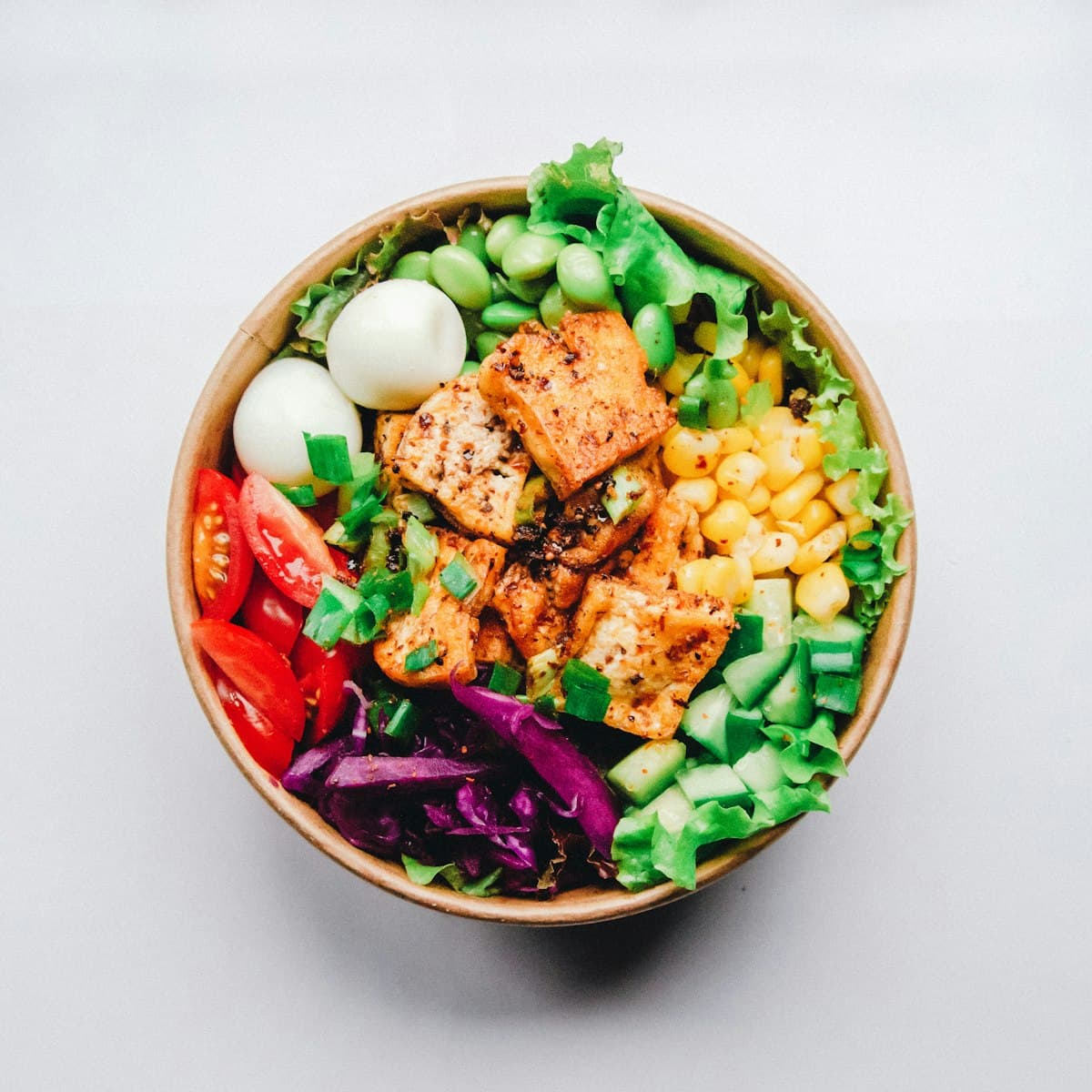
Chronic, low-grade inflammation is a driver behind many of the diseases that shorten lives and reduce quality of life, including heart disease, type 2 diabetes, certain cancers, and neurodegenerative conditions. A 2025 systematic review and meta-analysis published in Frontiers in Nutrition confirmed that anti-inflammatory dietary patterns can improve cardiovascular risk factors by modulating inflammatory mediators and metabolic function (1). The good news: what you eat every single day is one of the most powerful tools you have to fight back.
This seven-day meal plan puts research into practice. Every meal features ingredients chosen for specific anti-inflammatory properties, from omega-3 rich fatty fish to polyphenol-packed berries and cruciferous vegetables. If you want a deeper look at the science behind these food choices, our complete list of anti-inflammatory foods covers the evidence in detail.
The Principles Behind This Meal Plan
Before jumping into recipes, here are the five guidelines that shaped every meal below.
1. Prioritize omega-3 fatty acids. Fatty fish like salmon, sardines, and mackerel reduce C-reactive protein (CRP) and interleukin-6, two key inflammatory proteins in the body (2). This plan includes fish at least three times per week.
2. Load up on polyphenols. These naturally occurring plant compounds have demonstrated anti-inflammatory properties across hundreds of studies. Berries, leafy greens, olive oil, green tea, and dark chocolate are all rich sources (3). You will find them in nearly every meal here.
3. Include fiber from diverse sources. Whole grains, legumes, vegetables, and fruits feed beneficial gut bacteria that produce short-chain fatty acids, which help regulate the immune response and reduce systemic inflammation (4).
4. Use anti-inflammatory spices liberally. Turmeric (specifically its active compound curcumin) has been shown in meta-analyses of randomized controlled trials to reduce CRP, IL-6, and TNF-alpha levels (5). Ginger, cinnamon, and rosemary also contribute meaningful anti-inflammatory activity.
5. Minimize processed foods, added sugars, and refined oils. These are among the most well-documented dietary drivers of inflammation. For a full breakdown, see our guide to inflammatory foods to cut from your diet.
For more on how turmeric, omega-3s, and polyphenols work at the molecular level, read our article on the big three anti-inflammatory compounds.
7-Day Anti-Inflammatory Meal Plan Overview
Before you read through each day's full recipes, here's a quick-reference summary of the entire week. We designed this so you can screenshot it, print it, or save it to your phone for easy reference while shopping or cooking.
| Day | Breakfast | Lunch | Dinner | Snack | |-----|-----------|-------|--------|-------| | Mon | Golden Turmeric Oatmeal with Berries | Mediterranean Chickpea Salad | Baked Salmon with Roasted Broccoli and Sweet Potato | Walnuts and an Apple | | Tue | Green Smoothie Bowl | Lentil and Vegetable Soup | Herb-Crusted Mackerel with Quinoa and Kale | Carrot Sticks with Hummus | | Wed | Avocado Toast on Sprouted Grain Bread | Wild Rice Bowl with Roasted Vegetables | Turkey and Black Bean Chili | Dark Chocolate and Raspberries | | Thu | Chia Pudding with Mango and Coconut | Sardine and White Bean Salad | Ginger-Garlic Stir-Fry with Tofu and Bok Choy | Green Tea and Almonds | | Fri | Berry and Spinach Protein Smoothie | Sweet Potato and Black Bean Tacos | Herb-Roasted Chicken with Cauliflower | Celery with Almond Butter | | Sat | Smoked Salmon and Egg Plate | Roasted Beet and Goat Cheese Salad | Coconut Curry Shrimp with Brown Rice | Frozen Grapes and Pistachios | | Sun | Buckwheat Pancakes with Berry Compote | Mediterranean Tuna Salad Wrap | Slow-Cooked Bone Broth Stew | Turmeric Golden Milk |
A few things to notice about the structure. Fish appears at least three times during the week (salmon, mackerel, sardines, tuna, and shrimp), which keeps your omega-3 intake consistently high. Every single breakfast includes at least one source of healthy fat and fiber. The snacks are intentionally simple so you'll actually eat them instead of reaching for processed alternatives.
If you're new to anti-inflammatory eating and want to understand the "why" behind these food choices, our beginner's guide to the anti-inflammatory diet walks through the fundamentals. And if you want even more breakfast options beyond what's listed here, we have a full collection of anti-inflammatory breakfast ideas with 12 additional recipes.
The full recipes, ingredient details, and the science behind each meal follow below.
Day 1: Monday
Breakfast: Golden Turmeric Oatmeal with Berries
Cook rolled oats in unsweetened almond milk with 1/2 teaspoon of ground turmeric and a pinch of black pepper (piperine increases curcumin absorption by up to 2,000%). Top with a handful of blueberries, a tablespoon of ground flaxseed, and a drizzle of raw honey. Blueberries are rich in anthocyanins, which clinical research has linked to reduced blood pressure, improved lipid profiles, and lower oxidative stress (6). Flaxseed provides alpha-linolenic acid (ALA), a plant-based omega-3.
Lunch: Mediterranean Chickpea Salad
Toss canned chickpeas (rinsed) with diced cucumber, cherry tomatoes, red onion, Kalamata olives, and fresh parsley. Dress with extra-virgin olive oil, lemon juice, and a pinch of sea salt. Chickpeas supply both protein and prebiotic fiber. Extra-virgin olive oil contains oleocanthal, a compound that mimics the anti-inflammatory action of ibuprofen (7). This meal aligns closely with the Mediterranean dietary pattern. For a comparison of Mediterranean and anti-inflammatory approaches, see our article on Mediterranean diet vs. anti-inflammatory diet.
Dinner: Baked Salmon with Roasted Broccoli and Sweet Potato
Season a wild-caught salmon fillet with lemon, garlic, and dill. Roast alongside broccoli florets and cubed sweet potato tossed in olive oil. Salmon delivers EPA and DHA, the most bioavailable forms of omega-3 fatty acids. Broccoli belongs to the cruciferous vegetable family, which contains sulforaphane, a compound that activates the Nrf2 pathway and reduces inflammatory gene expression (8). Sweet potatoes contribute beta-carotene, a precursor to vitamin A with antioxidant properties.
Snack: Walnuts and an Apple
A small handful of walnuts (about 1 ounce) paired with a sliced apple. Walnuts are the richest tree nut source of ALA omega-3s and have been shown in clinical trials to reduce inflammatory markers (9).
Day 2: Tuesday
Breakfast: Green Smoothie Bowl
Blend a large handful of spinach, half a frozen banana, 1/2 cup of frozen mango, a tablespoon of chia seeds, and unsweetened coconut milk until thick. Top with sliced almonds and unsweetened coconut flakes. Spinach provides lutein and several flavonoids with documented anti-inflammatory activity. Chia seeds offer both omega-3 ALA and soluble fiber. For more morning ideas, check out our anti-inflammatory breakfast recipes.
Lunch: Lentil and Vegetable Soup
Simmer green or brown lentils with diced carrots, celery, onion, garlic, canned tomatoes, and vegetable broth. Season with cumin, turmeric, and smoked paprika. Lentils are a top source of prebiotic fiber and plant protein. Tomatoes provide lycopene, a carotenoid antioxidant that becomes more bioavailable when cooked (10). The combination of turmeric and cumin creates a synergistic anti-inflammatory effect.
Dinner: Herb-Crusted Mackerel with Quinoa and Sauteed Kale
Coat mackerel fillets with a mixture of fresh rosemary, thyme, garlic, and olive oil, then bake at 400F for 15 minutes. Serve over cooked quinoa alongside kale sauteed in olive oil with a squeeze of lemon. Mackerel is one of the highest omega-3 fish available, delivering roughly 2.6 grams of combined EPA and DHA per serving. Quinoa provides complete protein with all nine essential amino acids. Kale supplies vitamin K, vitamin C, and kaempferol, a flavonoid that inhibits inflammatory cytokine production.
Snack: Carrot Sticks with Hummus
Slice raw carrots and pair with two tablespoons of hummus. The tahini in hummus provides sesame lignans, which research has associated with reduced oxidative stress markers.
Day 3: Wednesday
Breakfast: Avocado Toast on Sprouted Grain Bread
Mash half a ripe avocado onto a slice of sprouted grain bread. Top with everything bagel seasoning, a few cherry tomatoes, and a drizzle of extra-virgin olive oil. Avocados contain both monounsaturated fatty acids and glutathione, a powerful endogenous antioxidant. Sprouted grain bread has a lower glycemic index than conventional bread, which helps prevent the blood sugar spikes that can trigger inflammatory cascades.
Lunch: Wild Rice Bowl with Roasted Vegetables
Combine cooked wild rice with roasted bell peppers, zucchini, red onion, and mushrooms. Top with pepitas (pumpkin seeds) and a tahini-lemon dressing. Bell peppers are among the highest food sources of vitamin C, which supports immune function and acts as an antioxidant. Mushrooms, particularly shiitake varieties, contain beta-glucans that modulate immune response.
Dinner: Turkey and Black Bean Chili
Brown lean ground turkey with onion and garlic. Add canned black beans, diced tomatoes, green chiles, chili powder, cumin, and oregano. Simmer for 30 minutes. Black beans are rich in anthocyanins (the same compounds found in blueberries) and provide substantial soluble fiber. Turkey supplies lean protein along with selenium, a trace mineral involved in antioxidant defense.
Snack: Dark Chocolate and Raspberries
Two squares of dark chocolate (85% cacao or higher) with a small bowl of raspberries. Dark chocolate is rich in flavanols, which have been shown to improve endothelial function and reduce inflammatory markers. Raspberries contribute ellagic acid, another polyphenol with anti-inflammatory properties.
Day 4: Thursday
Breakfast: Chia Pudding with Mango and Coconut
Mix 3 tablespoons of chia seeds with 1 cup of unsweetened coconut milk and a teaspoon of vanilla extract. Refrigerate overnight. In the morning, top with diced mango and toasted unsweetened coconut flakes. This meal provides approximately 10 grams of fiber and 5 grams of omega-3 ALA before lunch. Mango contains mangiferin, a polyphenol studied for its ability to inhibit NF-kB, a master regulator of inflammatory gene expression (11).
Lunch: Sardine and White Bean Salad
Toss canned sardines (in olive oil) with cannellini beans, arugula, sun-dried tomatoes, capers, and fresh lemon juice. Sardines are one of the most affordable sources of omega-3 fatty acids and also provide vitamin D, which plays a critical role in immune regulation. Cannellini beans supply resistant starch that feeds beneficial gut bacteria.
Dinner: Ginger-Garlic Stir-Fry with Tofu and Bok Choy
Press and cube extra-firm tofu, then stir-fry in avocado oil with sliced bok choy, snap peas, and shredded carrots. Season with fresh grated ginger, garlic, tamari (gluten-free soy sauce), and a splash of rice vinegar. Ginger contains gingerols and shogaols, compounds that inhibit prostaglandin and leukotriene synthesis, two pathways central to the inflammatory response (12). Tofu provides isoflavones, plant compounds with documented anti-inflammatory effects.
Snack: Green Tea and Almonds
Brew a cup of green tea and pair with a small handful of raw almonds. Green tea catechins, particularly EGCG, are among the most studied anti-inflammatory polyphenols. Almonds provide vitamin E, a fat-soluble antioxidant.
Day 5: Friday
Breakfast: Berry and Spinach Protein Smoothie
Blend 1 cup of mixed frozen berries (strawberries, blueberries, blackberries), a large handful of baby spinach, 1 scoop of plain collagen or plant protein powder, 1 tablespoon of almond butter, and unsweetened almond milk. The diverse berry combination provides multiple classes of polyphenols (anthocyanins, ellagitannins, and proanthocyanidins), each targeting different inflammatory pathways. Clinical research has shown that 80% of fruit and vegetable intervention studies demonstrate reductions in circulating inflammatory cytokines (13).
Lunch: Sweet Potato and Black Bean Tacos
Roast cubed sweet potato with chili powder and cumin. Serve in corn tortillas with black beans, shredded red cabbage, sliced avocado, and a squeeze of lime. Red cabbage contains anthocyanins and vitamin C. Corn tortillas (made from whole corn) are naturally gluten-free and provide resistant starch.
Dinner: Herb-Roasted Chicken Thighs with Cauliflower and Olive Tapenade
Season bone-in chicken thighs with rosemary, thyme, oregano, and garlic. Roast alongside cauliflower florets. Serve with a simple olive tapenade (minced olives, capers, olive oil, lemon zest). Cauliflower is another cruciferous vegetable rich in sulforaphane. Olives and olive oil together provide a concentrated dose of oleocanthal and hydroxytyrosol, two phenolic compounds with well-documented anti-inflammatory activity.
Snack: Celery with Almond Butter
Spread almond butter on celery sticks. Simple, crunchy, and packed with vitamin E and fiber.
Day 6: Saturday
Breakfast: Smoked Salmon and Egg Plate
Arrange slices of smoked wild salmon alongside a soft-boiled egg, sliced cucumber, a few cherry tomatoes, and a handful of mixed greens. Drizzle with olive oil and sprinkle with fresh dill. Eggs provide choline, a nutrient involved in reducing the inflammatory marker homocysteine. Combined with the omega-3s from the salmon, this is one of the most nutrient-dense breakfasts in the plan.
Lunch: Roasted Beet and Goat Cheese Salad
Roast beets until tender, then slice and arrange over a bed of arugula with crumbled goat cheese, toasted walnuts, and a balsamic vinaigrette made with extra-virgin olive oil. Beets are rich in betalains, pigments with antioxidant and anti-inflammatory properties that have been shown to inhibit cyclooxygenase enzymes, the same target as nonsteroidal anti-inflammatory drugs (14). Goat cheese provides protein and is often better tolerated than cow's milk dairy.
Dinner: Coconut Curry Shrimp with Brown Rice
Saute shrimp in coconut oil with onion, garlic, ginger, and red curry paste. Add coconut milk and simmer with diced red bell pepper and spinach. Serve over brown rice. Coconut milk provides medium-chain triglycerides. The combination of ginger and turmeric (found in curry paste) creates a potent anti-inflammatory base. Brown rice contributes B vitamins and additional fiber.
Snack: Frozen Grapes and Pistachios
A cup of frozen red grapes with a small handful of pistachios. Red grapes contain resveratrol, a polyphenol that activates sirtuin pathways involved in reducing inflammation. Pistachios are rich in lutein, beta-carotene, and gamma-tocopherol.
Day 7: Sunday
Breakfast: Buckwheat Pancakes with Mixed Berry Compote
Make pancakes with buckwheat flour (naturally gluten-free), an egg, and unsweetened almond milk. Top with a warm compote of mixed berries gently simmered with cinnamon and a touch of maple syrup. Buckwheat is rich in rutin, a flavonoid glycoside that inhibits inflammatory pathways. Cinnamon contains cinnamaldehyde, which has been shown to reduce markers of metabolic inflammation.
Lunch: Mediterranean Tuna Salad Wrap
Mix canned tuna (packed in olive oil) with diced celery, red onion, capers, and a lemon-olive oil dressing. Wrap in a large collard green leaf or whole grain tortilla. Add sliced avocado and a handful of sprouts. Tuna provides omega-3 fatty acids and selenium. Using a collard green wrap adds cruciferous vegetable benefits while reducing refined carbohydrate intake.
Dinner: Slow-Cooked Bone Broth Stew with Root Vegetables
Simmer beef or chicken bones to make a rich broth (or use a pre-made bone broth). Add cubed turnips, parsnips, carrots, celery, onion, and fresh thyme. Cook low and slow for at least two hours. Bone broth provides collagen-derived amino acids (glycine and proline) that support gut lining integrity. A healthy gut barrier is essential for preventing the translocation of bacterial endotoxins that trigger systemic inflammation (15).
Snack: Turmeric Golden Milk
Warm unsweetened almond or oat milk with 1 teaspoon turmeric, 1/2 teaspoon cinnamon, a pinch of black pepper, and a small piece of fresh ginger. Sweeten lightly with raw honey. This traditional preparation delivers curcumin in a fat-soluble medium that enhances absorption.
Weekly Shopping List
Produce
- Blueberries, raspberries, strawberries, blackberries, red grapes, mango, banana, apples, lemons, limes
- Spinach, kale, arugula, collard greens, baby mixed greens, bok choy
- Broccoli, cauliflower, red cabbage, bell peppers (red, green), zucchini, snap peas, mushrooms (shiitake if available)
- Sweet potatoes, beets, carrots, celery, cucumber, cherry tomatoes, red onion, yellow onion, garlic, fresh ginger
- Turnips, parsnips
- Avocados (3 to 4)
- Fresh herbs: dill, rosemary, thyme, oregano, parsley, cilantro
Proteins
- Wild-caught salmon fillets (2)
- Mackerel fillets (2)
- Canned sardines in olive oil (2 tins)
- Canned tuna in olive oil (1 tin)
- Shrimp (1/2 pound)
- Bone-in chicken thighs (4)
- Lean ground turkey (1 pound)
- Extra-firm tofu (1 block)
- Eggs (1/2 dozen)
- Smoked wild salmon (4 ounces)
Pantry Staples
- Extra-virgin olive oil, avocado oil, coconut oil
- Rolled oats, quinoa, brown rice, wild rice, buckwheat flour
- Canned chickpeas, black beans, cannellini beans, green/brown lentils
- Canned diced tomatoes, sun-dried tomatoes, tomato paste
- Chia seeds, ground flaxseed, pepitas (pumpkin seeds)
- Walnuts, almonds, pistachios
- Almond butter, tahini
- Coconut milk (full-fat canned), unsweetened almond milk, unsweetened coconut milk
- Tamari (gluten-free soy sauce), rice vinegar, balsamic vinegar
- Sprouted grain bread, corn tortillas, whole grain tortillas
- Hummus
- Kalamata olives, capers, green chiles (canned)
- Red curry paste
- Dark chocolate (85% cacao or higher)
- Green tea, raw honey, maple syrup
- Bone broth (if not making from scratch)
- Collagen or plant protein powder
- Goat cheese
Spices
- Ground turmeric, ground cumin, chili powder, smoked paprika, ground cinnamon, black pepper, sea salt
- Everything bagel seasoning, oregano (dried)
Meal Prep Tips
Sunday evening prep. Spend 60 to 90 minutes on Sunday preparing key components for the week. Cook a large batch of quinoa and brown rice. Roast a sheet pan of sweet potatoes and broccoli. Make the chia pudding for Thursday. Prepare the lentil soup and refrigerate it for Tuesday.
Batch your proteins. Bake the salmon and mackerel fillets on the same sheet pan on separate nights, or cook them together on Sunday and refrigerate. Most cooked fish stays fresh for three days in the refrigerator.
Pre-wash and chop vegetables. Wash all greens and store them in containers lined with paper towels to absorb moisture. Chop carrots, celery, bell peppers, and cucumber on Sunday and store in airtight containers. This removes the biggest barrier to eating well on busy weekdays.
Make dressings in advance. The lemon-olive oil dressing, tahini-lemon dressing, and balsamic vinaigrette all keep for at least a week in the refrigerator. Store them in small mason jars and shake before using.
Freeze strategically. The turkey and black bean chili and the lentil soup both freeze well for up to three months. Double the recipe and freeze individual portions for weeks when meal prep time is limited.
Keep anti-inflammatory snacks visible. Place walnuts, almonds, dark chocolate, and fruit at eye level in your pantry and refrigerator. Research consistently shows that food visibility and accessibility strongly influence dietary choices.
Anti-Inflammatory Meal Plan for Weight Loss
This meal plan already supports weight loss because it's built entirely around whole, unprocessed foods. But if dropping weight is a primary goal alongside reducing inflammation, a few targeted adjustments will make the plan more effective.
Reduce starchy carbohydrate portions by about a third. The sweet potatoes, brown rice, quinoa, and wild rice in this plan are all anti-inflammatory, but they're also calorie-dense. Instead of a full cup of cooked quinoa, serve half a cup and fill the rest of your plate with extra roasted vegetables or a larger salad. You're not cutting these foods out (they provide fiber that feeds beneficial gut bacteria), just scaling them back.
Increase non-starchy vegetables at every meal. Add an extra handful of spinach to your smoothie. Double the broccoli with your salmon. Throw more kale into the stir-fry. Non-starchy vegetables are incredibly low in calories but high in the polyphenols and fiber that fight inflammation. This is the easiest way to feel full while eating fewer calories.
Skip the optional sweeteners. The raw honey on oatmeal, the maple syrup on pancakes, and the honey in the golden milk are all optional. For weight loss, leave them out. Your palate adjusts surprisingly quickly, and after a week or two, the natural sweetness of berries and mango feels like plenty. Our guide to the relationship between inflammation and disease explains why even small amounts of added sugar contribute to the inflammatory cycle.
Pay attention to your snacks. The snacks in this plan are already reasonable (walnuts and apple, carrots and hummus, dark chocolate and berries), but portions matter. One ounce of walnuts is about 14 halves, roughly 185 calories. Two ounces is 370. Measure until you have a good visual sense of the right amount.
Consider time-restricted eating. Some people find that eating within a 10 to 12 hour window (for example, 8 AM to 6 PM) naturally reduces calorie intake and has independent anti-inflammatory benefits. This meal plan works well within that framework since all meals and snacks can fit comfortably in a 10-hour window.
There's a deeper connection at work here too. Chronic inflammation actively fights against weight loss by disrupting leptin (your satiety hormone) and promoting insulin resistance. By eating anti-inflammatory foods consistently, you're addressing one of the root causes that makes losing weight difficult in the first place. Many people report that once inflammation drops, weight loss that previously stalled starts moving again.
Free Anti-Inflammatory Meal Plan Tips
Eating anti-inflammatory doesn't have to be expensive. We hear this concern constantly, and while wild-caught salmon and organic berries aren't cheap, the core of this eating pattern is surprisingly affordable. Here's how to follow this plan without overspending.
Buy canned fish instead of fresh. Canned wild salmon, sardines, and tuna cost a fraction of fresh fillets and are nutritionally comparable. The omega-3 content is essentially identical. A tin of sardines costs about $2 to $3 and provides a full serving of omega-3 fatty acids. You can follow this entire meal plan using canned fish and save $30 to $40 per week. For a complete shopping strategy, check our anti-inflammatory grocery list on a budget.
Frozen berries are just as anti-inflammatory as fresh. Studies have shown that frozen berries retain their anthocyanin content (the compounds responsible for their anti-inflammatory effects) at levels comparable to fresh. A two-pound bag of frozen mixed berries costs roughly $6 to $8 and lasts the entire week. Fresh berries for the same quantity would cost two to three times more.
Beans and lentils are your most cost-effective protein. A one-pound bag of dried lentils costs about $1.50 and makes roughly six servings. Canned chickpeas and black beans are under $1 per can. These foods provide protein, fiber, and resistant starch that feeds your gut bacteria. They appear throughout this meal plan (chickpea salad, lentil soup, black bean chili, black bean tacos) and are the most budget-friendly anti-inflammatory foods available.
Buy spices in bulk, not in small jars. The turmeric, cumin, cinnamon, and smoked paprika in this plan are used frequently. Buying from bulk bins or purchasing larger containers from warehouse stores cuts the per-serving cost dramatically. Spices last for months when stored in a cool, dark place. Our anti-inflammatory spice guide covers which spices give you the most anti-inflammatory value.
Use olive oil as your default cooking fat. A good bottle of extra virgin olive oil costs $8 to $12 and lasts for weeks. It replaces butter, vegetable oil, and other cooking fats that either promote or fail to counteract inflammation. Per serving, olive oil is one of the cheapest anti-inflammatory ingredients you can use.
Print the shopping list. The weekly shopping list included in this plan is designed to be comprehensive. Print it or save it to your phone before you go to the store. Having a list eliminates impulse purchases and ensures you buy only what you need. Planning meals in advance is consistently associated with healthier dietary patterns and lower food costs.
Why This Plan Works
This meal plan is not a fad diet. It is based on the same dietary patterns that have been studied in large-scale clinical research for decades. A 2021 review in Biomedicines confirmed that anti-inflammatory diets emphasizing whole foods, omega-3 fatty acids, polyphenols, and fiber reduce overall disease risk, morbidity, and mortality (4). The Johns Hopkins Anti-Inflammatory Diet guidelines recommend the same core categories of foods featured in this plan: fatty fish, colorful fruits and vegetables, whole grains, legumes, nuts, seeds, and olive oil (16).
The key is consistency. One anti-inflammatory meal will not move the needle. Seven days of intentional eating, repeated over weeks and months, creates the cumulative effect that clinical trials measure. Track your food choices, notice how your body responds, and adjust portion sizes and ingredients based on what makes you feel your best.
Frequently Asked Questions
Can I repeat this 7-day anti-inflammatory meal plan after the first week?
Yes. This meal plan is built on whole foods and balanced macronutrients, so you can cycle through it continuously. Many people rotate through the plan for four to six weeks and then swap in new seasonal ingredients while keeping the same anti-inflammatory principles. Over time, you'll develop a personal library of meals that work for your schedule and taste preferences.
How quickly will I notice results from an anti-inflammatory diet?
Most people report improved energy, reduced joint stiffness, and better digestion within two to three weeks of consistent anti-inflammatory eating. Measurable changes in inflammatory biomarkers like C-reactive protein (CRP) have been observed in clinical trials after four to twelve weeks of dietary intervention. Individual results vary depending on baseline inflammation levels, sleep quality, stress, and physical activity.
Is this meal plan safe for people with food allergies?
The plan includes common allergens such as fish, nuts, and dairy. If you have allergies, substitute accordingly. Replace salmon or sardines with other omega-3 sources like chia seeds or algae-based supplements. Swap tree nuts for seeds like pumpkin or sunflower. Use coconut yogurt in place of Greek yogurt. The core principle is to focus on whole, colorful, minimally processed foods regardless of specific ingredient swaps. If you suspect certain foods are triggering inflammation, our guide to elimination diets can help you identify your personal triggers.
Can I use this anti-inflammatory meal plan for weight loss?
Yes. The plan is already built around whole, unprocessed foods that naturally support a healthy weight. To adapt it specifically for weight loss, reduce portion sizes of grains and starchy vegetables by about a third, increase non-starchy vegetables, and skip the optional sweeteners like honey and maple syrup. Most people find that reducing inflammation also makes weight loss easier because it improves insulin sensitivity and leptin signaling. See the "Anti-Inflammatory Meal Plan for Weight Loss" section above for detailed adjustments.
How much does this anti-inflammatory meal plan cost per week?
The full shopping list runs roughly $75 to $120 per person per week depending on where you shop and whether you buy organic. To cut costs, buy frozen berries instead of fresh, choose canned wild salmon and sardines over fresh fillets, and buy nuts and seeds in bulk. The core anti-inflammatory ingredients (olive oil, oats, canned fish, frozen vegetables, beans, and spices) are among the most affordable foods in any grocery store. Our anti-inflammatory grocery list on a budget has more specific cost-saving strategies.
Do I need to follow this meal plan exactly, or can I mix and match days?
You can absolutely mix and match. The plan is organized by day for convenience, but every meal stands on its own. The important thing is to maintain variety across the week so you get a broad spectrum of polyphenols, omega-3 fatty acids, and fiber from different sources. Swap meals between days freely based on what you have available. For more flexibility, our anti-inflammatory smoothie recipes and anti-inflammatory breakfast ideas offer additional options you can substitute into any day.
Sources
-
"Impact of anti-inflammatory diets on cardiovascular disease risk factors: a systematic review and meta-analysis." Frontiers in Nutrition, 2025. https://www.frontiersin.org/journals/nutrition/articles/10.3389/fnut.2025.1549831/full
-
"Foods that fight inflammation." Harvard Health Publishing. https://www.health.harvard.edu/staying-healthy/foods-that-fight-inflammation
-
"Diet Review: Anti-Inflammatory Diet." Harvard T.H. Chan School of Public Health, The Nutrition Source. https://nutritionsource.hsph.harvard.edu/healthy-weight/diet-reviews/anti-inflammatory-diet/
-
"Anti-Inflammatory Properties of Diet: Role in Healthy Aging." Biomedicines, 2021. https://pmc.ncbi.nlm.nih.gov/articles/PMC8389628/
-
"Antioxidant and anti-inflammatory effects of curcumin/turmeric supplementation in adults: A GRADE-assessed systematic review and dose-response meta-analysis of randomized controlled trials." Pharmacological Research, 2023. https://pubmed.ncbi.nlm.nih.gov/36804260/
-
"Recent Research on the Health Benefits of Blueberries and Their Anthocyanins." Advances in Nutrition, 2020. https://pmc.ncbi.nlm.nih.gov/articles/PMC7442370/
-
"Anti-Inflammatory Diets." StatPearls, NCBI Bookshelf. https://www.ncbi.nlm.nih.gov/books/NBK597377/
-
"Overview of anti-inflammatory diets and their promising effects on non-communicable diseases." Frontiers in Nutrition, 2024. https://pmc.ncbi.nlm.nih.gov/articles/PMC11576095/
-
"Quick-start guide to an anti-inflammation diet." Harvard Health Publishing. https://www.health.harvard.edu/staying-healthy/quick-start-guide-to-an-antiinflammation-diet
-
"Fighting inflammation with food." Harvard Health Publishing. https://www.health.harvard.edu/nutrition/fighting-inflammation-with-food
-
"Anti-Inflammatory Effects of Curcumin in the Inflammatory Diseases: Status, Limitations and Countermeasures." Drug Design, Development and Therapy, 2021. https://pmc.ncbi.nlm.nih.gov/articles/PMC8572027/
-
"Anti-Inflammatory Diet in Clinical Practice: A Review." Nutrition in Clinical Practice, 2017. https://pubmed.ncbi.nlm.nih.gov/28350517/
-
"Unraveling the Role of Foods on Chronic Anti- and Pro-Inflammatory Cytokines: A Systematic Review." Nutrients, 2025. https://www.mdpi.com/2072-6643/17/17/2834
-
"The state of the science on the health benefits of blueberries: a perspective." Frontiers in Nutrition, 2024. https://www.frontiersin.org/journals/nutrition/articles/10.3389/fnut.2024.1415737/full
-
"Anti-Inflammatory Diets." PubMed, 2015. https://pubmed.ncbi.nlm.nih.gov/26400429/
-
"Anti-Inflammatory Diet." Johns Hopkins Medicine. https://www.hopkinsmedicine.org/health/wellness-and-prevention/anti-inflammatory-diet