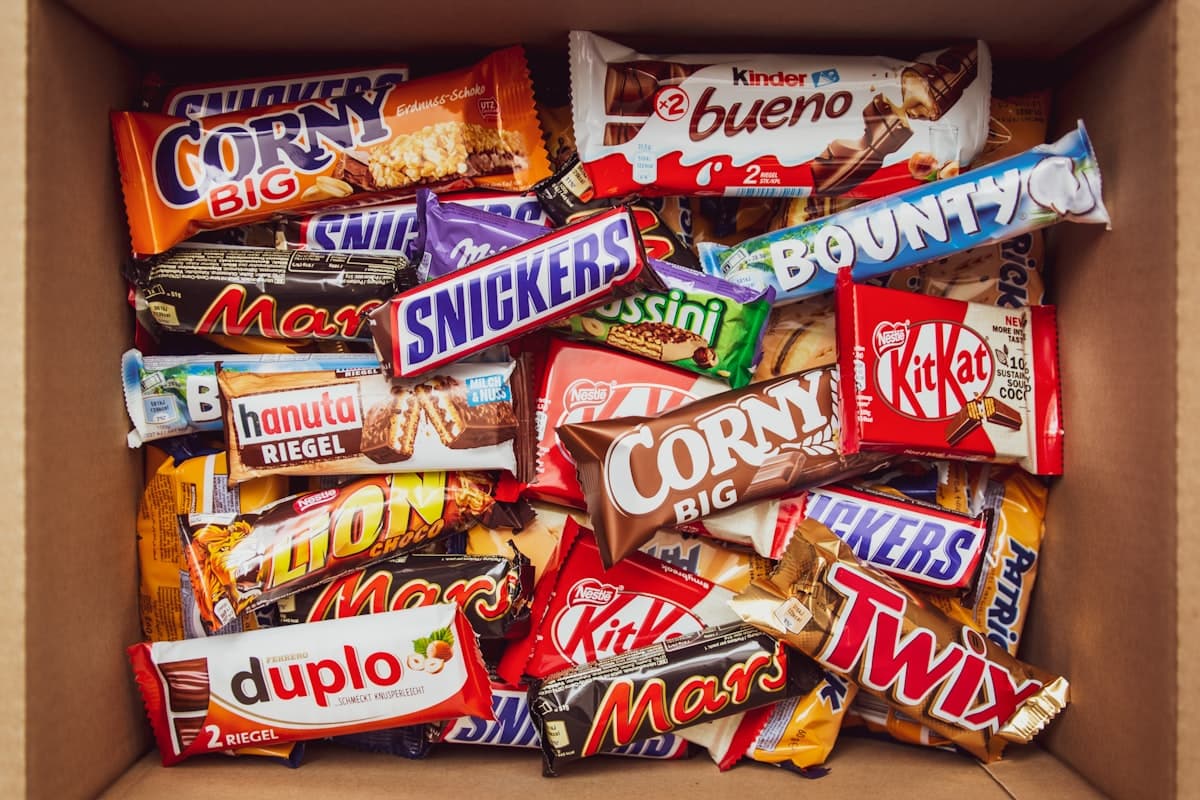
Ultra-processed foods now dominate grocery store shelves, fast food menus, and kitchen pantries across the developed world. These products, engineered for maximum shelf life and palatability, have become so routine that most people consume them at every meal without a second thought. But a growing body of scientific research reveals that these industrial food products are fueling a silent epidemic of chronic, low-grade inflammation linked to heart disease, type 2 diabetes, autoimmune conditions, and certain cancers.
This article breaks down exactly what ultra-processed foods are, how they promote inflammation through five distinct biological mechanisms, and what the peer-reviewed science says about their health consequences.
What Are Ultra-Processed Foods? The NOVA Classification System
The most widely accepted framework for categorizing foods by their degree of processing is the NOVA classification system, developed by Carlos Monteiro and colleagues at the University of Sao Paulo in Brazil. First introduced in 2009 and refined through subsequent publications, NOVA divides all foods into four groups (Monteiro et al., 2019):
Group 1: Unprocessed or Minimally Processed Foods. These are whole foods altered only by processes like drying, freezing, pasteurizing, or fermenting. Examples include fresh fruits, vegetables, eggs, plain milk, legumes, nuts, fish, and unprocessed meats.
Group 2: Processed Culinary Ingredients. These are substances extracted from Group 1 foods and used in cooking: oils pressed from seeds or fruits, butter, sugar, salt, flour, and starches.
Group 3: Processed Foods. These are Group 1 foods modified with Group 2 ingredients through simple methods like canning, bottling, or fermentation. Examples include canned vegetables with added salt, artisan cheeses, freshly baked bread, and cured meats.
Group 4: Ultra-Processed Foods (UPFs). This is the category driving concern. UPFs are industrial formulations made mostly or entirely from substances derived from foods and additives, with little or no intact Group 1 food remaining. They typically contain five or more ingredients, including substances not commonly used in home kitchens: high-fructose corn syrup, hydrogenated oils, modified starches, protein isolates, emulsifiers, humectants, flavor enhancers, colorings, and artificial sweeteners.
Common examples of Group 4 UPFs include soft drinks, packaged snack chips, mass-produced breads, instant noodles, reconstituted meat products (chicken nuggets, hot dogs), sweetened breakfast cereals, flavored yogurts, and frozen ready-to-eat meals.
The Scale of the Problem
The sheer volume of ultra-processed food consumption is staggering. According to a 2025 data brief from the U.S. Centers for Disease Control and Prevention, ultra-processed foods account for approximately 55% of total daily calories consumed by Americans aged one year and older. Among children and adolescents (ages 1 to 18), UPFs make up nearly 62% of all calories. The top contributors include sandwiches and burgers, sweet baked goods, savory snacks, and sugar-sweetened beverages.
These numbers are not unique to the United States. UPF consumption has been rising sharply across Europe, Latin America, and parts of Asia over the past two decades. Wherever populations transition toward Western dietary patterns, ultra-processed food consumption follows, and chronic inflammatory diseases tend to follow close behind.
With that context established, let's examine the specific biological pathways through which these foods promote chronic inflammation.
Mechanism 1: Gut Barrier Disruption
The intestinal barrier is a single layer of epithelial cells held together by tight junction proteins. This barrier serves a critical function: it allows nutrients to pass into the bloodstream while keeping bacteria, toxins, and undigested food particles confined to the gut lumen. When this barrier becomes compromised (a condition often called "leaky gut" or increased intestinal permeability), bacterial fragments like lipopolysaccharide (LPS) leak into systemic circulation and trigger an immune response.
Ultra-processed foods attack this barrier through multiple routes. Research published in Nature Reviews Gastroenterology and Hepatology in 2024 documented how UPF components, including artificial sweeteners, emulsifiers, and preservatives, disrupt the gut microbial ecosystem by reducing microbial diversity, thinning the protective mucus layer, and impairing tight junction protein expression (Laudisi et al., 2024).
A landmark 2015 study published in Nature by Chassaing and colleagues at Georgia State University demonstrated that two common emulsifiers, polysorbate 80 and carboxymethylcellulose, induced low-grade inflammation and metabolic syndrome in mice at concentrations well within those found in processed foods. The emulsifiers degraded the mucus layer separating gut bacteria from the intestinal epithelium, altered microbial species composition, and increased the pro-inflammatory potential of the microbiome (Chassaing et al., 2015).
Subsequent research has confirmed that UPF consumption is associated with decreased abundance of beneficial bacterial species, notably Akkermansia muciniphila and Faecalibacterium prausnitzii, both of which play key roles in maintaining gut barrier integrity and producing anti-inflammatory short-chain fatty acids (SCFAs). For a deeper exploration of how diet shapes gut health, see our guide to anti-inflammatory foods for gut health.
Mechanism 2: Advanced Glycation End Products (AGEs)
Advanced glycation end products are harmful compounds formed when proteins or fats react with sugars through nonenzymatic glycation, a process accelerated by high heat during industrial food manufacturing. The Maillard reaction, responsible for the browning and flavor development in cooked foods, is a primary source of dietary AGEs.
Ultra-processed foods are particularly high in AGEs because industrial processing frequently involves high temperatures, extended cooking times, and the combination of refined sugars with proteins and fats. Research published in the Journal of the American Dietetic Association found that dry heat cooking methods used in UPF manufacturing can increase AGE content by 10 to 100 times compared to uncooked foods (Uribarri et al., 2010). Products like commercial breakfast cereals, packaged baked goods, processed meats, and fast food items consistently rank among the highest dietary sources of AGEs.
Once consumed, AGEs bind to a receptor called RAGE (Receptor for Advanced Glycation End Products) on cell surfaces throughout the body. This binding triggers a cascade of intracellular signaling that activates NF-kB, a master transcription factor for inflammatory gene expression. The result is increased production of pro-inflammatory cytokines including TNF-alpha, IL-6, and C-reactive protein (CRP), along with elevated oxidative stress (Singh et al., 2014).
Over time, chronic AGE exposure from a UPF-heavy diet contributes to sustained, low-grade inflammation that damages blood vessels, accelerates aging, and increases the risk of cardiovascular disease, diabetes, kidney disease, and neurodegenerative conditions.
Mechanism 3: Omega-6 Fatty Acid Overload
Ultra-processed foods rely heavily on refined seed oils, including soybean oil, corn oil, sunflower oil, and safflower oil, as inexpensive ingredients for texture, shelf stability, and flavor. These oils are exceptionally high in omega-6 polyunsaturated fatty acids, particularly linoleic acid.
While omega-6 fatty acids are essential nutrients, the problem lies in their ratio relative to omega-3 fatty acids. Ancestral human diets maintained an omega-6 to omega-3 ratio of roughly 1:1 to 4:1. The modern Western diet, dominated by UPFs made with seed oils, has pushed this ratio to approximately 15:1 or even 20:1 (Simopoulos, 2002). This imbalance matters because omega-6 fatty acids serve as precursors to pro-inflammatory eicosanoids (prostaglandins and leukotrienes), while omega-3 fatty acids generate specialized pro-resolving mediators that help shut down inflammatory responses.
Research published in Frontiers in Nutrition in 2024, analyzing NHANES data from 1999 to 2020, found that a higher omega-6 to omega-3 intake ratio was associated with elevated systemic inflammatory biomarkers. Meanwhile, linoleic acid intake in the United States has more than doubled over the past century, primarily driven by the widespread use of refined seed oils in processed food manufacturing (Simopoulos, 2016).
This does not mean all omega-6 fats are harmful in isolation. The concern is specifically about the chronic, excessive consumption driven by ultra-processed food formulations that simultaneously crowd out omega-3 rich foods like fatty fish, walnuts, and flaxseeds. We cover this topic extensively in our article on omega-6 vs. omega-3: the inflammation ratio explained.
Mechanism 4: Additive-Driven Inflammation
Beyond macronutrient imbalances, ultra-processed foods contain a wide array of synthetic additives that independently promote inflammatory responses.
Emulsifiers like polysorbate 80, carboxymethylcellulose, and carrageenan are used to improve the texture and stability of processed foods. As described above, the Chassaing et al. research demonstrated that these compounds erode the gut mucus barrier and promote bacterial translocation. A follow-up study published in Gut in 2017 confirmed that dietary emulsifiers directly alter human microbiota composition and gene expression, potentiating intestinal inflammation even in healthy subjects (Chassaing et al., 2017).
Artificial sweeteners, particularly sucralose and saccharin, have been shown to disrupt the gut microbiome in both animal and human studies. Research in mice demonstrated that sucralose enriched pro-inflammatory bacterial genes related to LPS synthesis and flagella protein production, while reducing populations of beneficial bacteria. A study published in Frontiers in Physiology found that sucralose consumption led to an enrichment of pro-inflammatory genes in the gut microbiome and increased expression of hepatic pro-inflammatory markers (Bian et al., 2017).
Preservatives and colorings, including sodium benzoate, BHA, BHT, and various synthetic dyes, have been linked to oxidative stress and immune activation in cell culture and animal studies, though human research remains more limited.
The cumulative effect of consuming multiple additives across multiple UPF products throughout the day creates a compounding inflammatory burden that individual ingredient safety testing does not capture.
Mechanism 5: Nutrient Displacement
Perhaps the most straightforward mechanism linking ultra-processed foods to inflammation is what they push off the plate. Every calorie spent on a packaged snack cake or sugary beverage is a calorie not spent on fruits, vegetables, legumes, nuts, or fatty fish, all of which provide anti-inflammatory compounds like polyphenols, carotenoids, fiber, magnesium, and omega-3 fatty acids.
This displacement effect is measurable. Studies consistently show that higher UPF intake correlates with lower consumption of fiber, vitamins C and D, zinc, magnesium, and potassium, all nutrients with documented anti-inflammatory roles. The Dietary Inflammatory Index (DII), a validated tool for scoring the inflammatory potential of diets, consistently assigns pro-inflammatory scores to dietary patterns dominated by ultra-processed foods, largely because of this nutrient displacement.
The added sugar load in UPFs deserves special mention. Ultra-processed foods are the primary source of added sugars in the American diet, and excess sugar consumption activates inflammatory pathways through insulin resistance, AGE formation, and increased uric acid production.
Key Studies Linking UPFs to Inflammation
The evidence connecting ultra-processed food consumption to inflammatory biomarkers has grown substantially in recent years:
A 2023 review published in Nutrients examined the relationship between UPF consumption and low-grade inflammation, concluding that human evidence, most consistently for CRP and hs-CRP in adults, supports an association between greater UPF consumption and higher levels of systemic inflammatory biomarkers, with additional signals for IL-6 and TNF-alpha (Tristan Asensi et al., 2023).
A large-scale study published in the European Journal of Nutrition in 2025 found significant direct associations between ultra-processed food and drink weight ratios and higher concentrations of IL-6, TNF-alpha, white blood cells, neutrophils, basophils, and the neutrophil-to-lymphocyte ratio. Ultra-processed beverages emerged as the strongest drivers of these inflammatory associations.
A 2023 review published in PMC titled "Our Hidden Enemy: Ultra-Processed Foods, Inflammation, and the Battle for Heart Health" documented how UPF consumption triggers a pro-inflammatory cascade that contributes to atherosclerosis development, with evidence from both observational and interventional studies.
These findings align with broader epidemiological data linking UPF consumption to increased all-cause mortality, cardiovascular disease, type 2 diabetes, depression, and certain cancers, conditions that all share chronic inflammation as a common underlying mechanism.
Practical Steps: How to Reduce Ultra-Processed Food Intake
Eliminating all ultra-processed foods overnight is unrealistic for most people. A more sustainable approach involves gradual, strategic substitutions. Here are evidence-based steps to reduce your UPF exposure and lower your inflammatory burden:
1. Audit your current intake. Spend three days reading ingredient labels on everything you eat. If a product contains five or more ingredients, or includes substances you would not find in a home kitchen (such as maltodextrin, sodium stearoyl lactylate, or artificial colors), it qualifies as ultra-processed.
2. Replace one UPF category per week. Start with the easiest substitutions. Swap sugary breakfast cereals for oatmeal with fresh fruit. Replace flavored yogurt with plain yogurt and a drizzle of honey. Trade packaged snack bars for a handful of nuts and dried fruit.
3. Prioritize beverages. Sugar-sweetened drinks and artificially sweetened diet sodas are among the most inflammatory UPF categories. Switching to water, unsweetened tea, or sparkling water with lemon is one of the highest-impact changes you can make.
4. Cook simple meals more often. You do not need elaborate recipes. A meal of baked salmon, steamed broccoli, and brown rice takes 25 minutes and contains zero ultra-processed ingredients. Batch cooking on weekends can supply several days of meals.
5. Shop the perimeter. Fresh produce, meat, fish, dairy, and eggs are generally located around the edges of grocery stores. The interior aisles are where most UPFs reside. This is not a perfect rule, but it is a useful mental shortcut.
6. Focus on anti-inflammatory replacements. Rather than simply removing foods, actively add anti-inflammatory options. Our list of 15 inflammatory foods to cut from your diet provides specific swap recommendations for common UPF staples.
7. Read beyond marketing claims. Products labeled "natural," "organic," or "whole grain" can still be ultra-processed. The ingredient list, not the front-of-package marketing, reveals the truth about a product's processing level.
The Bottom Line
Ultra-processed foods promote chronic inflammation through at least five overlapping mechanisms: gut barrier disruption, AGE accumulation, omega-6 fatty acid overload, additive-driven immune activation, and displacement of anti-inflammatory nutrients. With UPFs comprising more than half of calories consumed in the United States, these mechanisms operate continuously, day after day, meal after meal.
The science is clear, though the solution is not about perfection. Even modest reductions in ultra-processed food intake, paired with increased consumption of whole, minimally processed foods, can measurably lower inflammatory biomarkers and reduce the risk of chronic disease. The goal is progress, not purity: every ultra-processed item you replace with a whole food shifts your body's inflammatory balance in the right direction.
Sources
-
Monteiro, C.A., Cannon, G., Lawrence, M., Costa Louzada, M.L. and Pereira Machado, P. (2019). Ultra-processed foods, diet quality, and health using the NOVA classification system. FAO. https://openknowledge.fao.org/server/api/core/bitstreams/5277b379-0acb-4d97-a6a3-602774104629/content
-
Monteiro, C.A. et al. (2019). Ultra-processed foods: what they are and how to identify them. Public Health Nutrition. https://pubmed.ncbi.nlm.nih.gov/30744710/
-
Centers for Disease Control and Prevention (2025). Products - Data Briefs - Number 536. https://www.cdc.gov/nchs/products/databriefs/db536.htm
-
Laudisi, F. et al. (2024). Ultra-processed foods and food additives in gut health and disease. Nature Reviews Gastroenterology and Hepatology. https://pubmed.ncbi.nlm.nih.gov/38388570/
-
Chassaing, B. et al. (2015). Dietary emulsifiers impact the mouse gut microbiota promoting colitis and metabolic syndrome. Nature, 519, 92-96. https://pubmed.ncbi.nlm.nih.gov/25731162/
-
Chassaing, B. et al. (2017). Dietary emulsifiers directly alter human microbiota composition and gene expression ex vivo potentiating intestinal inflammation. Gut. https://pubmed.ncbi.nlm.nih.gov/28325746/
-
Uribarri, J. et al. (2010). Advanced glycation end products in foods and a practical guide to their reduction in the diet. Journal of the American Dietetic Association. https://pmc.ncbi.nlm.nih.gov/articles/PMC3704564/
-
Singh, R. et al. (2014). Advanced glycation end products, inflammation, and chronic metabolic diseases: links in a chain? Critical Reviews in Food Science and Nutrition. https://pubmed.ncbi.nlm.nih.gov/25259686/
-
Simopoulos, A.P. (2002). The importance of the ratio of omega-6/omega-3 essential fatty acids. Biomedicine and Pharmacotherapy. https://pubmed.ncbi.nlm.nih.gov/12442909/
-
Simopoulos, A.P. (2016). The importance of maintaining a low omega-6/omega-3 ratio for reducing inflammation. Experimental Biology and Medicine. https://pmc.ncbi.nlm.nih.gov/articles/PMC8504498/
-
Bian, X. et al. (2017). Gut microbiome response to sucralose and its potential role in inducing liver inflammation in mice. Frontiers in Physiology. https://www.frontiersin.org/journals/physiology/articles/10.3389/fphys.2017.00487/full
-
Tristan Asensi, M. et al. (2023). Low-grade inflammation and ultra-processed foods consumption: a review. Nutrients. https://pubmed.ncbi.nlm.nih.gov/36986276/
-
Lane, M.M. et al. (2025). Ultra-processed foods and human health: the main thesis and the evidence. The Lancet. https://www.thelancet.com/journals/lancet/article/PIIS0140-6736(25)01565-X/abstract