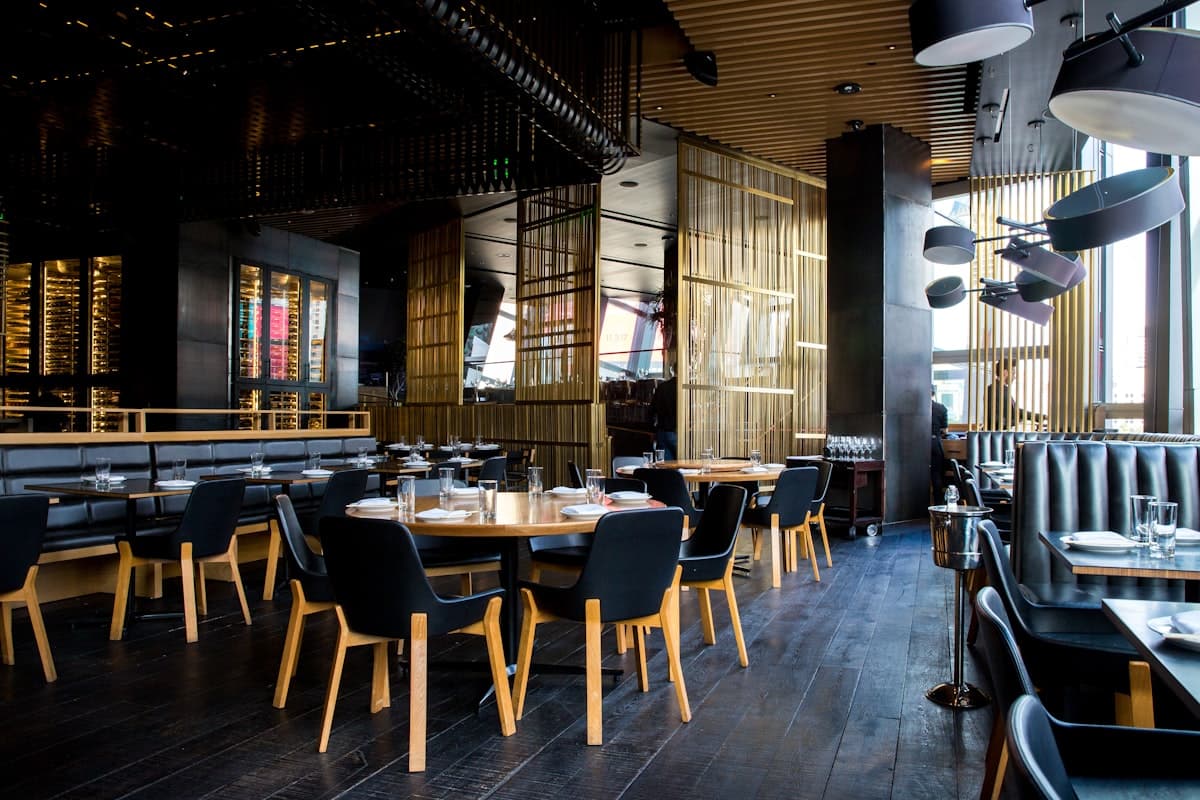
You're trying to eat anti-inflammatory, but life doesn't stop. You have work lunches, family dinners, date nights, and social gatherings. Avoiding restaurants entirely isn't realistic or enjoyable. The good news is that you don't have to. With the right knowledge and strategies, you can eat out regularly while staying true to your health goals.
Let me show you exactly what to order and what to skip across different cuisines, plus how to modify dishes to make them work for you.
General Principles for Anti-Inflammatory Restaurant Dining
Before we get into specific cuisines, understand these universal principles:
Load Up on Vegetables: Every cuisine offers vegetable-based dishes. Make them the foundation of your meal. Aim for at least half your plate to be vegetables, whether that's a salad, roasted vegetables, stir-fried greens, or vegetable-based soups.
Choose Quality Proteins: Prioritize fish (especially fatty fish like salmon, sardines, or mackerel), poultry, beans, and lentils. Go easy on red meat, and avoid processed meats like bacon, sausage, and deli meats.
Request Simple Preparations: Grilled, baked, roasted, steamed, and poached dishes are your friends. Avoid fried, breaded, or anything described as "crispy" (usually code for fried). Heavy cream sauces, cheese sauces, and butter-heavy preparations increase inflammatory fats.
Ask Questions: Don't hesitate to ask how dishes are prepared, what oils they use, or if modifications are possible. Most restaurants accommodate reasonable requests.
Control Portions: Restaurant servings are often 2-3 times what you need. Consider sharing an entrée, ordering appetizer portions, or immediately boxing half for tomorrow's lunch.
Skip the Bread Basket: That pre-meal bread is usually refined white flour that spikes blood sugar and triggers inflammation. If you must have it, limit yourself to one small piece and use olive oil instead of butter.
Research from the Journal of the Academy of Nutrition and Dietetics found that people who ate out frequently had higher inflammatory markers than those who ate mostly home-cooked meals. However, those who made conscious choices at restaurants (more vegetables, less fried food, smaller portions) didn't show the same increase. Your choices matter more than the venue.
Mediterranean Cuisine
Mediterranean food is inherently anti-inflammatory, based on vegetables, fish, olive oil, and herbs. This is one of the easiest cuisines for making healthy choices.
What to Order:
- Greek salad with olive oil and lemon (ask for dressing on the side to control quantity)
- Grilled fish (whole fish, salmon, sea bass, or octopus)
- Hummus with vegetables (request vegetable sticks instead of pita, or have one piece of whole wheat pita)
- Lentil soup (hearty, filling, and packed with fiber)
- Grilled chicken or lamb kebabs with vegetables
- Roasted vegetable platters
- Stuffed grape leaves (dolmas)
- Baba ganoush (roasted eggplant dip)
What to Avoid:
- Fried falafel (baked is fine)
- Gyros in white pita bread (the meat is often processed)
- Spanakopita and other phyllo pastries (butter-heavy)
- Creamy tzatziki in large quantities (a little is fine)
- Fried calamari or fried cheese (saganaki)
Modification Tips: Ask for extra vegetables on kebabs, request olive oil and lemon instead of heavy dressings, and choose grilled over fried for any protein. Many Mediterranean restaurants are happy to create a custom vegetable plate.
The Mediterranean diet has been extensively studied for its anti-inflammatory properties, with research published in the New England Journal of Medicine demonstrating significant reductions in cardiovascular events and inflammatory markers among adherents.
Japanese Cuisine
Japanese food emphasizes fish, vegetables, fermented foods, and minimal oil, making it excellent for anti-inflammatory eating.
What to Order:
- Sashimi (raw fish without rice)
- Wild salmon nigiri or rolls
- Miso soup (fermented soybeans provide probiotics)
- Edamame (steamed soybeans)
- Seaweed salad
- Grilled fish (salmon, mackerel, or yellowtail)
- Vegetable rolls with brown rice (if available)
- Yakitori (grilled chicken skewers)
- Shabu-shabu or steamed dishes
What to Avoid:
- Tempura (fried vegetables and seafood)
- Heavy teriyaki sauce (high in sugar and sodium)
- Fried gyoza
- Tonkatsu (fried pork cutlet)
- Cream cheese in rolls (not traditional and adds inflammatory dairy)
- Excessive soy sauce (high sodium can trigger inflammation in sensitive individuals)
Modification Tips: Request brown rice instead of white if available. Ask for sauce on the side so you can control how much you use. Choose cucumber or avocado rolls over mayo-heavy spicy tuna. Order sashimi to avoid rice entirely if you're watching carbs.
Studies in the Journal of Nutrition show that traditional Japanese dietary patterns, rich in fish and fermented foods, correlate with lower inflammatory markers and reduced chronic disease risk.
Mexican Cuisine
Mexican food can be tricky because many restaurant versions are heavy on cheese, sour cream, and fried items. But authentic Mexican cuisine includes plenty of anti-inflammatory options.
What to Order:
- Grilled fish tacos with corn tortillas
- Fajitas (chicken, shrimp, or vegetable) with extra vegetables, no tortillas or just one corn tortilla
- Black bean soup
- Ceviche (raw fish marinated in citrus)
- Grilled chicken or shrimp with salsa and guacamole
- Veggie-loaded burrito bowl with beans, vegetables, salsa, and avocado (skip the rice and sour cream)
- Ensalada (salad) with grilled protein
What to Avoid:
- Fried chips (ask for vegetables or just skip them)
- Queso (cheese dip)
- Chimichangas (deep-fried burritos)
- Loaded nachos
- Excessive cheese and sour cream
- Refried beans (often made with lard)
- Flour tortillas (corn is less processed)
Modification Tips: Request extra salsa and guacamole instead of cheese and sour cream. Ask for black beans instead of refried. Load up on fajita vegetables. Many places will substitute lettuce wraps for tortillas. Request corn tortillas instead of flour when you do eat tortillas.
Thai Cuisine
Thai food features anti-inflammatory ingredients like turmeric, ginger, lemongrass, and coconut, but restaurant versions often include excessive sugar and inflammatory oils.
What to Order:
- Tom Yum soup (spicy, sour soup with shrimp or chicken)
- Green papaya salad (ask for less sugar)
- Grilled meats or seafood
- Larb (meat salad with herbs)
- Steamed fish with ginger
- Vegetable curry with protein (request coconut milk base, not heavy cream)
- Stir-fried vegetables with protein
What to Avoid:
- Pad Thai (typically loaded with sugar and made with inflammatory oils)
- Deep-fried spring rolls
- Fried rice
- Anything described as "crispy"
- Overly sweet curries or sauces
- Excessive white rice
Modification Tips: Request less sugar in sauces (Thai restaurants often add palm sugar liberally). Ask for brown rice or substitute extra vegetables for rice. Request steamed instead of fried. Specify that you want dishes prepared with minimal oil. For more on inflammation and diet, check out our guide on the Dietary Inflammatory Index.
Italian Cuisine
Italian restaurants can be challenging due to pasta, pizza, and cheese, but there are plenty of anti-inflammatory choices if you know where to look.
What to Order:
- Grilled fish or chicken with vegetables
- Minestrone soup (vegetable and bean soup)
- Insalata Caprese (tomato, basil, mozzarella, but go light on the cheese)
- Mixed green salad with olive oil and balsamic
- Grilled calamari (not fried)
- Cioppino (Italian fish stew)
- Pasta with marinara and vegetables (whole wheat if available, small portion)
- White beans with greens
What to Avoid:
- Garlic bread and breadsticks
- Creamy Alfredo or carbonara sauces
- Fried mozzarella sticks or fried calamari
- Heavy meat sauces
- Excessive cheese
- Large pasta portions
- Pizza (especially deep dish or cheese-heavy)
Modification Tips: If you order pasta, request whole wheat if available, get a half portion or appetizer size, and load it with vegetables. Ask for marinara or olive oil-based sauces instead of cream sauces. Request a side of vegetables instead of pasta. Share dishes to control portions.
Traditional Italian food, particularly Southern Italian cuisine rich in vegetables and fish, forms part of the Mediterranean dietary pattern proven to reduce inflammation. Restaurant versions, however, often americanize dishes by adding excessive cheese and cream.
American Cuisine
American restaurants run the gamut from steakhouses to casual chains. The key is sticking to simple, recognizable preparations.
What to Order:
- Grilled fish or chicken with steamed or roasted vegetables
- Large mixed green salad with protein (grilled chicken, salmon, or shrimp)
- Vegetable-based soups (except cream-based)
- Sweet potato (plain or with a small amount of butter)
- Grilled vegetable sides
- Quinoa bowls if available
- Egg-based dishes with vegetables for breakfast
What to Avoid:
- Fried chicken or fried fish
- Burgers on white buns (or skip the bun entirely)
- French fries or onion rings
- Creamy soups and heavy gravies
- Loaded baked potatoes with bacon, cheese, and sour cream
- Breaded and fried anything
- Soda and energy drinks
Modification Tips: Ask for vegetables or salad instead of fries. Request dressing on the side. If you order a burger, ask for a lettuce wrap instead of a bun or choose whole grain. Skip the bacon and cheese. Load up on vegetable toppings. Request grilled instead of fried for all proteins.
Indian Cuisine
Indian food features anti-inflammatory spices like turmeric, ginger, cumin, and coriander, but restaurant preparations often include heavy cream and ghee (clarified butter).
What to Order:
- Tandoori chicken or fish (cooked in a clay oven)
- Chana masala (chickpea curry)
- Dal (lentil dishes)
- Vegetable curries (ask about cream content)
- Saag (spinach-based dishes, preferably without heavy cream)
- Chicken tikka (without the masala sauce, which is cream-based)
- Vegetable biryani
What to Avoid:
- Naan bread (refined flour)
- Samosas and pakoras (fried)
- Korma dishes (heavy cream sauces)
- Tikka masala (cream-based)
- Excessive rice
- Fried breads like puri or bhatura
Modification Tips: Ask if curries can be made with coconut milk instead of cream. Request brown rice or have just a small portion of basmati. Choose tandoori preparations when possible. Ask for less oil or ghee in preparations. For more on anti-inflammatory cooking, see our article on turmeric and omega-3s.
Chinese Cuisine
Chinese restaurant food in America tends to be heavy on inflammatory oils, sugar, and salt, but better choices exist.
What to Order:
- Steamed fish with ginger and scallions
- Buddha's delight (mixed steamed vegetables)
- Stir-fried vegetables with protein (request light oil)
- Hot and sour soup (watch sodium)
- Steamed chicken or shrimp with broccoli (sauce on the side)
- Moo goo gai pan (chicken with mushrooms)
- Stir-fried greens (bok choy, Chinese broccoli)
What to Avoid:
- Anything "crispy" (fried)
- Sweet and sour dishes (high sugar)
- Orange chicken, General Tso's chicken (fried and sugary)
- Egg rolls and fried wontons
- Fried rice
- Lo mein (oily noodles)
- Heavy brown sauces
Modification Tips: Request steamed instead of stir-fried (then add a little sauce yourself). Ask for brown rice or skip rice entirely. Request sauces on the side so you control quantity. Specify no MSG if you're sensitive. Ask them to use minimal oil.
Fast Food in a Pinch
Sometimes you're traveling, in a rush, or stuck with limited options. Here's how to make the least inflammatory choices at fast-food restaurants.
Best Options:
- Grilled chicken salad (no croutons, dressing on the side)
- Grilled chicken sandwich (no mayo, skip the bun or choose whole grain)
- Vegetable-based bowls if available
- Side salad with oil and vinegar
- Apple slices or fruit cups (many places now offer these)
- Plain baked potato
- Chili (bean-based is better than meat-heavy)
Avoid:
- Fried chicken sandwiches and nuggets
- Burgers with multiple patties and heavy sauces
- French fries
- Milkshakes and sodas
- Breakfast sandwiches on white bread with processed meats
- White bread buns
Modification Tips: Always request no mayo or special sauce. Ask for extra lettuce, tomato, and onion. Skip cheese. Choose grilled over fried every time. Drink water or unsweetened iced tea instead of soda.
For more on avoiding inflammatory foods, read our guide on 15 inflammatory foods to cut from your diet.
Navigating Buffets
Buffets present both opportunity and danger. The opportunity is variety and customization. The danger is overloading your plate with inflammatory options.
Strategy:
- Survey the entire buffet before filling your plate
- Start with a salad using lots of vegetables and olive oil-based dressing
- Choose grilled or roasted proteins
- Load up on steamed or roasted vegetables
- Take small portions of everything to avoid overeating
- Skip the fried section entirely
- Avoid creamy casseroles and cheese-heavy dishes
- Choose fresh fruit for dessert instead of pastries
Use a smaller plate if available, which naturally limits portions. Fill your plate once and sit down to eat mindfully rather than making multiple trips.
Social Strategies for Sticking with Your Plan
Eating out is social. Don't let your health choices create awkwardness or make others uncomfortable.
Be Confident: Order what you want without lengthy explanations. A simple "I'll have the grilled salmon with extra vegetables instead of potatoes" requires no justification.
Suggest Restaurants: When possible, suggest places you know have good options. Friends usually don't care where they eat as much as the company.
Don't Preach: Unless someone specifically asks about your choices, keep your dietary philosophy to yourself. Nobody wants a lecture about inflammation at dinner.
Focus on What You Can Eat: Rather than lamenting what you're avoiding, emphasize the delicious food you're enjoying.
Plan Ahead: Check menus online before you go. Many restaurants post menus on their websites, allowing you to identify good options in advance.
Eat Something Small First: If you're going somewhere with limited options, have a small anti-inflammatory snack beforehand so you're not starving. Check our guide on anti-inflammatory snacks for ideas.
Remember the 80/20 Rule: If you eat anti-inflammatory meals 80% of the time, an occasional less-than-ideal restaurant meal won't derail your progress. Don't stress about perfection.
Special Occasions and Events
Weddings, parties, and celebrations often involve food choices you wouldn't normally make. That's okay. Life is meant to be enjoyed.
For special events, focus on:
- Eating normally throughout the day (don't "save up" calories)
- Choosing vegetable-based appetizers when available
- Selecting the protein and vegetable options at plated dinners
- Enjoying a small portion of dessert if you want it
- Drinking plenty of water
- Getting back to your normal pattern at the next meal
One celebratory meal doesn't cause chronic inflammation. The pattern of your daily choices matters far more than occasional indulgences.
Building Long-Term Restaurant Habits
As you practice these strategies, certain choices become automatic. You'll instinctively scan menus for grilled fish and vegetable options. You'll reflexively ask for dressing on the side. You'll feel more comfortable requesting modifications.
Keep learning. Try new cuisines and restaurants. Ask questions. Pay attention to how different foods make you feel. Some people tolerate certain foods better than others, even within anti-inflammatory guidelines.
For comprehensive information on building an anti-inflammatory lifestyle, see our beginner's guide and our 7-day meal plan.
Eating out while following an anti-inflammatory diet isn't about restriction or deprivation. It's about making informed choices that support your health while still enjoying social meals and trying new foods. With practice, it becomes second nature.
Sources
-
Tapsell, L.C., et al. (2016). Foods, nutrients, and dietary patterns: Interconnections and implications for dietary guidelines. Journal of the Academy of Nutrition and Dietetics, 116(4), 607-615. https://pubmed.ncbi.nlm.nih.gov/26522988/
-
Estruch, R., et al. (2018). Primary prevention of cardiovascular disease with a Mediterranean diet supplemented with extra-virgin olive oil or nuts. New England Journal of Medicine, 378(25), e34. https://pubmed.ncbi.nlm.nih.gov/29897866/
-
Niu, K., et al. (2013). A tomato-rich diet is related to depressive symptoms among an elderly population aged 70 years and over: A population-based, cross-sectional analysis. Journal of Affective Disorders, 144(1-2), 165-170. https://pubmed.ncbi.nlm.nih.gov/22963895/
-
Kawada, T. (2014). Dietary patterns and inflammation: Japanese dietary pattern. Journal of Nutrition, 144(10), 1663-1664. https://pubmed.ncbi.nlm.nih.gov/25080533/
-
Harvard Health Publishing. (2021). Eating out while eating healthy. https://www.health.harvard.edu/nutrition/eating-out-while-eating-healthy
-
Cleveland Clinic. (2023). How to eat healthy at restaurants. https://health.clevelandclinic.org/how-to-eat-healthy-at-restaurants/
-
Mayo Clinic. (2023). Restaurant nutrition: How to make healthier choices. https://www.mayoclinic.org/healthy-lifestyle/nutrition-and-healthy-eating/in-depth/restaurant-nutrition/art-20046583