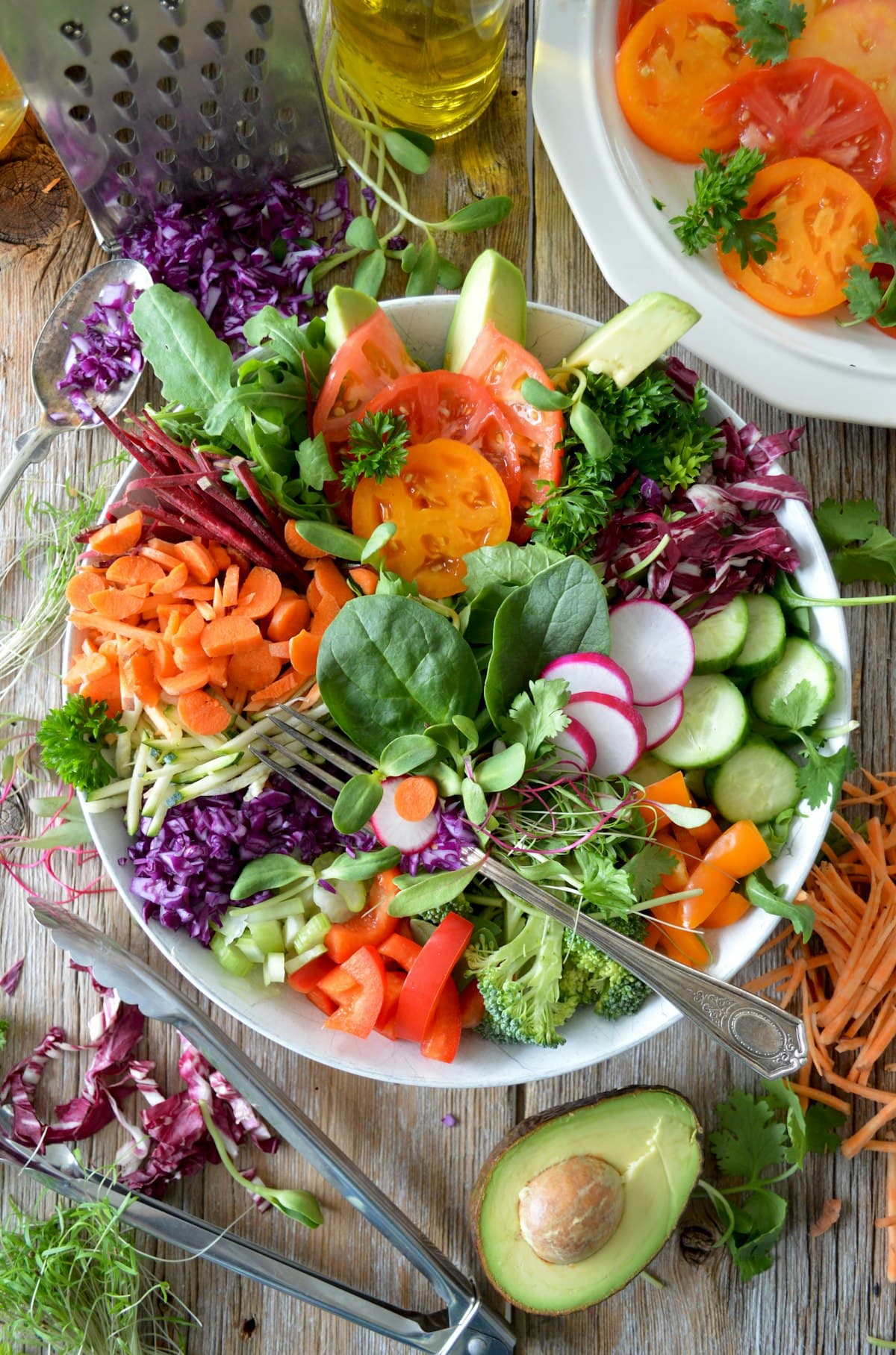
Psoriasis affects roughly 2-3% of the global population, causing not just visible skin changes but significant inflammation throughout the body. If you've been dealing with psoriasis, you've probably noticed that flares seem to come and go without much rhyme or reason. But emerging research shows that what you eat plays a bigger role than most dermatologists traditionally acknowledged.
The connection between diet and psoriasis isn't about miracle cures or eliminating entire food groups forever. It's about understanding how certain foods fuel the inflammatory pathways that drive your symptoms, and how other foods can help calm that response down. If you are new to anti-inflammatory eating, our beginner's guide is a good starting point before diving into psoriasis-specific strategies.
The Inflammatory Nature of Psoriasis
Psoriasis isn't just a skin problem. It's a systemic inflammatory condition driven by an overactive immune system. Specifically, psoriasis involves the Th17/IL-17 pathway, where T helper 17 cells produce interleukin-17 (IL-17), a powerful inflammatory cytokine that tells your skin cells to multiply too quickly.
Normal skin cells mature and shed in about 28-30 days. In psoriasis, this process speeds up to just 3-5 days. The result is those characteristic thick, scaly plaques that itch, crack, and bleed. But here's the thing: this same inflammatory pathway affects more than just your skin. People with psoriasis have higher rates of cardiovascular disease, metabolic syndrome, inflammatory bowel disease, and depression. All of these conditions share common inflammatory mechanisms.
Research published in the Journal of the American Academy of Dermatology found that psoriasis patients have elevated levels of C-reactive protein (CRP), tumor necrosis factor-alpha (TNF-α), and IL-6, the same inflammatory markers associated with heart disease and diabetes. This systemic inflammation is exactly what makes dietary intervention so promising.
The Gut-Skin Axis in Psoriasis
One of the most interesting developments in psoriasis research involves the gut microbiome. The gut-skin axis refers to the bidirectional communication between your intestinal bacteria and your skin health. People with psoriasis consistently show altered gut bacteria composition compared to healthy controls.
A 2020 study in Frontiers in Cellular and Infection Microbiology found that psoriasis patients have lower diversity in their gut microbiome, with decreased beneficial bacteria like Faecalibacterium and Coprococcus, and increased inflammatory bacteria. When your gut barrier becomes compromised (often called "leaky gut"), bacterial fragments called lipopolysaccharides (LPS) can enter your bloodstream, triggering the immune response that worsens psoriasis.
This is where diet becomes critical. The foods you eat directly shape your gut bacteria. Fermented foods and fiber-rich vegetables feed beneficial bacteria that produce short-chain fatty acids (SCFAs) like butyrate, which strengthen your gut lining and reduce systemic inflammation. For more on how fiber specifically supports this process, see our article on fiber and inflammation.
Omega-3 Fatty Acids: The Best-Studied Dietary Intervention
If you're going to make one dietary change for psoriasis, focus on omega-3 fatty acids. Multiple randomized controlled trials show that omega-3 supplementation improves psoriasis symptoms, and the mechanism makes perfect sense.
Omega-3s (EPA and DHA from fish oil) are incorporated into cell membranes and compete with omega-6 fatty acids (abundant in the Western diet) for conversion into signaling molecules. When omega-3s are converted, they produce resolvins and protectins, which actively resolve inflammation. When omega-6s dominate, they produce more inflammatory prostaglandins and leukotrienes.
A meta-analysis published in JAMA Dermatology reviewing 12 randomized trials found that omega-3 supplementation (typically 3-4 grams daily of EPA/DHA) significantly improved psoriasis symptoms, with the greatest benefits seen after 12-16 weeks. The improvement in PASI scores (Psoriasis Area and Severity Index) ranged from 15-30%, comparable to some topical treatments.
The best food sources are fatty fish like wild salmon, mackerel, sardines, and anchovies. You'd need to eat these fish 3-4 times per week to match the doses used in clinical trials, which is why many people also use high-quality fish oil supplements.
Anti-Inflammatory Foods That May Reduce Psoriasis Flares
Beyond omega-3s, several food groups show promise for psoriasis management based on their anti-inflammatory properties.
Colorful Vegetables and Fruits
Vegetables and fruits rich in polyphenols, carotenoids, and flavonoids help neutralize oxidative stress and reduce inflammatory cytokines. People with psoriasis have higher oxidative stress levels, which damages cells and perpetuates inflammation.
Leafy greens like spinach and kale provide folate, vitamin K, and lutein. Berries deliver anthocyanins that inhibit NF-κB, a key regulator of inflammatory genes. Cruciferous vegetables (broccoli, cauliflower, Brussels sprouts) contain sulforaphane, which activates Nrf2, your body's master antioxidant switch.
A large observational study in JAMA Dermatology following over 170,000 women found that those eating more fruits and vegetables had significantly lower risk of developing psoriasis. While this doesn't prove causation, it aligns with what we know about how these foods affect inflammatory pathways.
Olive Oil and Healthy Fats
Extra virgin olive oil contains oleocanthal, a compound with anti-inflammatory effects similar to ibuprofen. It also provides oleic acid, a monounsaturated fat that reduces inflammatory markers when it replaces saturated fats.
Mediterranean diet studies consistently show benefits for inflammatory conditions, and psoriasis is no exception. A 2018 study in JAMA Dermatology found that adherence to a Mediterranean dietary pattern was associated with lower psoriasis severity. This makes sense given that the Mediterranean diet is rich in omega-3s, polyphenols, fiber, and healthy fats while low in processed foods and red meat.
Turmeric and Other Spices
Curcumin, the active compound in turmeric, has been specifically studied in psoriasis. It inhibits multiple inflammatory pathways, including the NF-κB pathway that drives IL-17 production. A randomized controlled trial published in Biochimie found that curcumin supplementation (2 grams daily) combined with standard therapy improved outcomes more than standard therapy alone.
The challenge with curcumin is bioavailability. Consuming it with black pepper (which contains piperine) increases absorption by up to 2,000%. Adding turmeric to meals cooked with healthy fats also improves uptake since curcumin is fat-soluble.
Foods to Limit or Avoid
While adding anti-inflammatory foods helps, removing pro-inflammatory triggers often produces the most dramatic improvements.
Alcohol
The evidence here is clear: alcohol worsens psoriasis. A large study in Archives of Dermatology found that alcohol consumption increased psoriasis risk in women in a dose-dependent manner, with even moderate drinking showing effects.
Alcohol increases gut permeability, disrupts the gut microbiome, generates oxidative stress, and directly triggers inflammatory pathways. Many patients report that reducing or eliminating alcohol leads to noticeable improvements within weeks.
Processed Foods and Added Sugars
Ultra-processed foods drive inflammation through multiple mechanisms. They're typically high in omega-6 vegetable oils, added sugars, and advanced glycation end products (AGEs) formed during high-heat processing.
Sugar specifically triggers inflammation through several pathways. It increases insulin and insulin-like growth factor 1 (IGF-1), both of which can worsen psoriasis. High blood sugar also promotes glycation, creating inflammatory compounds that damage tissues.
Observational studies show that psoriasis patients who consume more processed foods and added sugars have more severe disease. While this doesn't prove causation, removing these foods from your diet is low-risk and potentially high-reward.
The Gluten Question
Some people with psoriasis, particularly those with celiac disease or non-celiac gluten sensitivity, improve dramatically on a gluten-free diet. Research suggests that about 5-10% of psoriasis patients have celiac disease (higher than the general population), and a subset without celiac disease still respond to gluten elimination.
A study in Experimental Dermatology found that patients with anti-gliadin antibodies (markers of gluten sensitivity) who followed a gluten-free diet for three months showed significant improvement in PASI scores. However, patients without these antibodies didn't improve, suggesting gluten removal only helps certain individuals.
The bottom line: if you have unexplained digestive symptoms, fatigue, or a family history of celiac disease, getting tested makes sense. Otherwise, a strict gluten-free diet may not be necessary, though reducing processed wheat products (which are often high in refined carbs and additives) is still beneficial.
The Nightshade Debate
Some psoriasis patients report that nightshade vegetables (tomatoes, peppers, eggplant, white potatoes) trigger flares. The theory is that alkaloids in these vegetables might increase inflammation in sensitive individuals.
However, there's virtually no scientific research supporting this. Tomatoes and peppers are rich in beneficial compounds like lycopene and vitamin C. Unless you've personally noticed a clear pattern where nightshades worsen your symptoms, there's no strong reason to eliminate them. An elimination diet approach can help identify your individual triggers.
Weight Management and Psoriasis: A Critical Connection
If you're carrying extra weight, losing even 5-10% of your body weight can significantly improve psoriasis symptoms. This isn't about aesthetics; it's about biology.
Adipose tissue (body fat) isn't just storage. It's an active endocrine organ that produces inflammatory cytokines, including TNF-α, IL-6, and leptin. The more adipose tissue you have, the more inflammatory signals circulate in your body. This is why obesity is one of the strongest risk factors for developing psoriasis and for having more severe disease.
A landmark study in JAMA Dermatology randomized obese psoriasis patients to either a low-calorie diet or no dietary intervention. The weight loss group lost an average of 15 kg (33 pounds) over 16 weeks and showed significant improvement in PASI scores. The control group showed no improvement.
Importantly, the mechanism isn't just weight loss reducing inflammation. Weight loss also improves insulin sensitivity, reduces fatty liver disease, and improves gut barrier function. All of these changes reduce the inflammatory burden that drives psoriasis.
Practical Dietary Recommendations for Psoriasis
Based on the evidence, here's a practical framework for eating to support psoriasis management:
Prioritize these foods:
- Fatty fish 3-4 times per week (wild salmon, mackerel, sardines)
- Olive oil as your primary cooking and dressing oil
- Colorful vegetables at every meal (leafy greens, berries, cruciferous vegetables)
- Legumes, quinoa, and steel-cut oats for fiber and steady blood sugar
- Herbs and spices, especially turmeric, ginger, and garlic
- Greek yogurt or kefir for probiotics (if you tolerate dairy)
Limit or avoid:
- Alcohol, especially beer and spirits
- Processed meats, fried foods, and fast food
- Sugary beverages and energy drinks
- White bread, pastries, and refined grains
- Foods with partially hydrogenated oils (trans fats)
Consider supplementing:
- Omega-3s: 2-3 grams combined EPA/DHA daily (if not eating fatty fish regularly)
- Vitamin D: Many psoriasis patients are deficient; aim for blood levels of 40-60 ng/mL
- Probiotics: Strains like Lactobacillus and Bifidobacterium may support gut health
Meal timing strategies: Some people with psoriasis benefit from time-restricted eating (eating within an 8-10 hour window). This approach may reduce inflammation by giving your gut time to repair and reducing overall caloric intake without feeling restricted.
Working With Your Healthcare Team
Dietary changes complement medical treatment but shouldn't replace it. Biologics, topicals, and phototherapy all have strong evidence for psoriasis management. The beauty of dietary intervention is that it addresses the systemic inflammation that drives not just psoriasis but your overall health risks.
Talk with your dermatologist before making major dietary changes or starting supplements, especially if you're on medications. Some supplements can interact with medications, and your doctor can help monitor your progress with objective measures like PASI scores and inflammatory markers.
Consider working with a registered dietitian who specializes in inflammatory conditions. They can help you design a sustainable eating pattern that fits your life while supporting your skin health.
The Bottom Line
Psoriasis is a complex condition influenced by genetics, immune function, environmental triggers, and yes, diet. While there's no one perfect diet for psoriasis, the evidence points toward an anti-inflammatory eating pattern rich in omega-3s, colorful plants, and healthy fats, while limiting alcohol, processed foods, and excess body weight.
The changes that help psoriasis also happen to be the same changes that reduce your risk of heart disease, diabetes, and other inflammatory conditions. That's not a coincidence. You're addressing the root cause: chronic, systemic inflammation.
Give dietary changes at least 3-6 months before judging their effectiveness. Skin turnover takes time, and reducing inflammation is a gradual process. Track your symptoms, take photos, and pay attention to how you feel overall. Many people find that as their skin improves, so does their energy, mood, and digestive health.
For more guidance on anti-inflammatory eating, check out our complete anti-inflammatory food list and meal planning strategies.
Psoriasis Foods to Avoid: A Complete List
We touched on several problematic food categories above, but a single consolidated list makes it easier to reference when you are shopping or planning meals. Here is everything the research points to, organized by strength of evidence.
Avoid completely or nearly completely:
- Alcohol (especially beer and spirits). This is the single most consistent dietary trigger in psoriasis research. Beer is particularly problematic because it contains gluten in addition to alcohol. Even moderate drinking (more than 2 to 3 drinks per week) worsens flare frequency in most patients. If you can cut alcohol entirely, the research suggests you will see results faster than almost any other dietary change.
- Trans fats and partially hydrogenated oils. These are found in many margarines, packaged baked goods, and fried fast food. Trans fats directly increase TNF-alpha and IL-6 production, the same cytokines your biologic medications are trying to suppress. Read ingredient labels and avoid anything listing "partially hydrogenated" oil.
Strongly limit (once per week or less):
- Processed meats (bacon, sausage, hot dogs, deli meats). The combination of saturated fat, nitrites, sodium, and AGEs from high-heat processing makes these a concentrated source of inflammatory triggers.
- Sugar-sweetened beverages and energy drinks. Liquid sugar spikes insulin and IGF-1, both of which worsen psoriasis through separate mechanisms. This includes fruit juices with added sugar.
- White bread, pastries, cookies, and refined grain products. These behave like sugar in your bloodstream and lack the fiber that would slow absorption.
- Ultra-processed snacks (chips, packaged crackers, candy bars). These typically combine refined carbs, omega-6 oils, and artificial additives.
Limit and monitor your personal response:
- Gluten-containing grains (wheat, barley, rye). Only about 5 to 10% of psoriasis patients have true gluten sensitivity, but if you have digestive symptoms alongside your psoriasis, a 3-month elimination trial is worth trying. Use an elimination diet approach for accurate results.
- Dairy products (milk, cheese, ice cream). Some patients report worsened flares with dairy, though the evidence is mixed. Fermented dairy like yogurt and kefir may actually be beneficial due to probiotic content.
- Nightshade vegetables (tomatoes, peppers, eggplant, potatoes). Scientific support is weak, and these vegetables provide valuable nutrients. Only eliminate if you see a clear pattern in your own symptom tracking.
- High omega-6 cooking oils (soybean, corn, sunflower, safflower). Switch to olive oil or avocado oil for everyday cooking to improve your omega-6 to omega-3 ratio.
The goal is not to create an impossibly restrictive diet. Start with the top categories (alcohol, trans fats, processed meats, sugary drinks) and give those changes 2 to 3 months before adding more eliminations.
Psoriasis Diet Plan: What to Eat in a Day
Turning research into real meals can feel overwhelming, so here is a concrete daily framework. Think of this as a template you can customize based on your preferences and what is available to you. For a full week of structured recipes, see our 7-day anti-inflammatory meal plan.
Breakfast:
Option A: Steel-cut oats topped with 1/2 cup blueberries, 1 tablespoon ground flaxseed, and a handful of walnuts. Drizzle with a little raw honey instead of sugar. This gives you fiber, omega-3s from the flax and walnuts, and anthocyanins from the berries.
Option B: Two eggs scrambled with spinach, cherry tomatoes, and turmeric, cooked in olive oil. Serve with a slice of whole grain or gluten-free bread. Quick, high in protein, and the turmeric adds curcumin right at the start of your day. More breakfast ideas in our anti-inflammatory breakfast guide.
Lunch:
A large bowl built around greens: mixed kale and spinach, topped with canned sardines or leftover baked salmon, chickpeas, avocado, cucumber, and an olive oil and lemon dressing with a pinch of turmeric. This single meal delivers omega-3s, fiber, polyphenols, and healthy monounsaturated fats. If sardines feel too adventurous, grilled chicken works too.
Afternoon snack:
Plain Greek yogurt (if you tolerate dairy) with a handful of mixed berries. Or an apple with almond butter and a few walnuts. Keep portions moderate. If you need more snack ideas for the workday, check out our anti-inflammatory snacks for work collection.
Dinner:
Baked wild salmon (aim for 3 to 4 fish dinners per week) with roasted broccoli and Brussels sprouts tossed in olive oil and garlic, alongside a serving of quinoa or sweet potato. On non-fish nights, try a lentil soup with turmeric and ginger, or grilled chicken with a large mixed vegetable side.
Evening:
Ginger-turmeric tea or a turmeric latte made with unsweetened almond milk and black pepper. Skip the sugary desserts. If you want something sweet, a small handful of dark chocolate (70% cacao or higher) provides flavonoids without a sugar bomb.
Daily targets:
- Vegetables: 5 to 7 servings (at least half your plate at lunch and dinner)
- Omega-3 rich fish: 3 to 4 times per week
- Olive oil: 3 to 4 tablespoons as your primary fat
- Berries or colorful fruit: at least 1 serving
- Water and herbal tea: 8 or more cups (replace soda and alcohol entirely)
- Alcohol: zero, or as close to zero as you can manage
Best Foods for Psoriasis: What the Research Supports
Not every anti-inflammatory food has been specifically studied in psoriasis patients. Here are the foods with the strongest direct evidence or the most relevant biological mechanisms for calming the IL-17/Th17 pathway and reducing skin inflammation.
1. Fatty fish (salmon, mackerel, sardines, anchovies). The strongest dietary evidence in psoriasis. A meta-analysis of 12 randomized trials showed 15 to 30% improvement in PASI scores with omega-3 supplementation at doses of 3 to 4 grams EPA/DHA daily. Eating fatty fish 3 to 4 times per week provides a solid dietary foundation for this benefit. For deeper reading on why omega-3s are so effective, see our guide to the big three anti-inflammatory compounds.
2. Extra virgin olive oil. The oleocanthal in high-quality olive oil inhibits the same COX enzymes as ibuprofen. Mediterranean diet studies in psoriasis patients show that higher olive oil intake correlates with lower disease severity. Use it as your default cooking and dressing oil, aiming for 3 to 4 tablespoons daily.
3. Berries (blueberries, strawberries, blackberries, raspberries). Anthocyanins in berries directly inhibit NF-kB, the inflammatory master switch that activates IL-17 production. Blueberries have been the most studied, but all deeply colored berries provide similar compounds. Frozen options retain their nutritional value and cost less than fresh. Blend them into a morning anti-inflammatory smoothie for an easy daily serving.
4. Cruciferous vegetables (broccoli, cauliflower, Brussels sprouts, kale). Sulforaphane in these vegetables activates the Nrf2 pathway, your body's master antioxidant defense. This is particularly relevant for psoriasis because oxidative stress drives skin cell hyperproliferation. Lightly steaming preserves the most sulforaphane.
5. Turmeric (curcumin). A randomized trial found that 2 grams of curcumin daily improved psoriasis outcomes when added to standard therapy. Curcumin directly inhibits NF-kB and reduces IL-17 production. Pair it with black pepper and a fat source for absorption. Daily cooking use plus supplementation provides the best coverage.
6. Fermented foods (yogurt, kefir, sauerkraut, kimchi). These directly support the gut-skin axis by providing beneficial bacteria and supporting gut barrier integrity. Given the consistent finding that psoriasis patients have altered gut microbiomes, rebuilding microbial diversity makes biological sense. Read more in our article on fermented foods and inflammation.
7. Walnuts. The highest omega-3 content of any nut (2.5 grams ALA per ounce), plus polyphenols including ellagic acid that reduce inflammatory markers. A daily handful provides meaningful anti-inflammatory support between fish meals.
8. Leafy greens (spinach, kale, Swiss chard). Rich in folate, vitamin K, and quercetin. Folate is especially relevant if you are taking methotrexate for psoriasis, as the medication depletes folate stores. Two cups of raw greens daily (or one cup cooked) is a good target.
The pattern here is clear: a diet built around fish, colorful vegetables, olive oil, berries, and anti-inflammatory spices directly targets the pathways that drive psoriasis. Combine these foods consistently for 3 to 6 months, and track your PASI scores or take regular photos to measure your progress.
Frequently Asked Questions
Can diet really help with psoriasis symptoms?
Yes. Research shows that omega-3 fatty acids, weight loss in overweight individuals, and reducing alcohol can significantly improve psoriasis symptoms. While diet alone cannot cure psoriasis, it can reduce inflammation and flare frequency. Think of it as reducing the inflammatory "background noise" so your medications and topicals can work more effectively.
What foods trigger psoriasis flares?
Common triggers include alcohol (especially beer), processed foods high in sugar and trans fats, and in some people, gluten. Some patients report sensitivity to nightshade vegetables, though research on this is limited. The best approach is to keep a food-symptom diary for 4 to 6 weeks to identify your personal triggers.
How long does it take for dietary changes to improve psoriasis?
Most people notice improvements within 3 to 6 months of consistent dietary changes, particularly with omega-3 supplementation and weight loss. Skin turnover takes time, so patience is important. Take photos monthly to track changes you might not notice day to day.
Is a psoriasis diet the same as an anti-inflammatory diet?
There is significant overlap. A psoriasis diet focuses on the same anti-inflammatory principles (omega-3s, colorful vegetables, olive oil, limiting processed foods) but places extra emphasis on weight management, alcohol avoidance, and gut health because of their specific effects on the IL-17 pathway that drives psoriasis. For a broader overview, see our complete list of anti-inflammatory foods.
Can losing weight improve psoriasis?
Yes. Clinical trials show that losing even 5 to 10% of body weight can significantly improve psoriasis severity scores. Fat tissue produces inflammatory cytokines like TNF-alpha and IL-6 that directly fuel the immune response behind psoriasis plaques. Weight loss also improves insulin sensitivity and gut barrier function, both of which benefit skin health.
Sources
- Zhu TH, et al. Systemic inflammation in psoriasis: understanding mechanisms and identifying biomarkers. Journal of the American Academy of Dermatology. 2021;84(4):1213-1222.
- Sikora M, et al. Intestinal barrier integrity in psoriatic patients. Frontiers in Cellular and Infection Microbiology. 2020;10:369. https://www.frontiersin.org/articles/10.3389/fcimb.2020.00369/full
- Upala S, Sanguankeo A. Effect of omega-3 fatty acids on psoriasis: a meta-analysis. JAMA Dermatology. 2017;153(8):763-770.
- Li S, et al. Dietary factors and risk of incident psoriasis in US women. JAMA Dermatology. 2018;154(10):1154-1162. https://jamanetwork.com/journals/jamadermatology/fullarticle/2688788
- Barrea L, et al. Adherence to Mediterranean diet and psoriasis severity. JAMA Dermatology. 2018;154(12):1439-1441.
- Antiga E, et al. Oral curcumin in psoriasis: a randomized controlled trial. Biochimie. 2015;116:55-61.
- Qureshi AA, et al. Alcohol intake and risk of incident psoriasis in US women. Archives of Dermatology. 2010;146(12):1364-1369. https://pubmed.ncbi.nlm.nih.gov/21173324/
- Michaelsson G, et al. Psoriasis patients with antibodies to gliadin can be improved by gluten-free diet. Experimental Dermatology. 2000;9(3):228-231.
- Jensen P, et al. Effect of weight loss on the severity of psoriasis. JAMA Dermatology. 2013;149(7):795-801. https://jamanetwork.com/journals/jamadermatology/fullarticle/1686762
- Debbaneh M, et al. Diet and psoriasis: the role of diet in psoriasis. Journal of the American Academy of Dermatology. 2014;71(2):350-358.