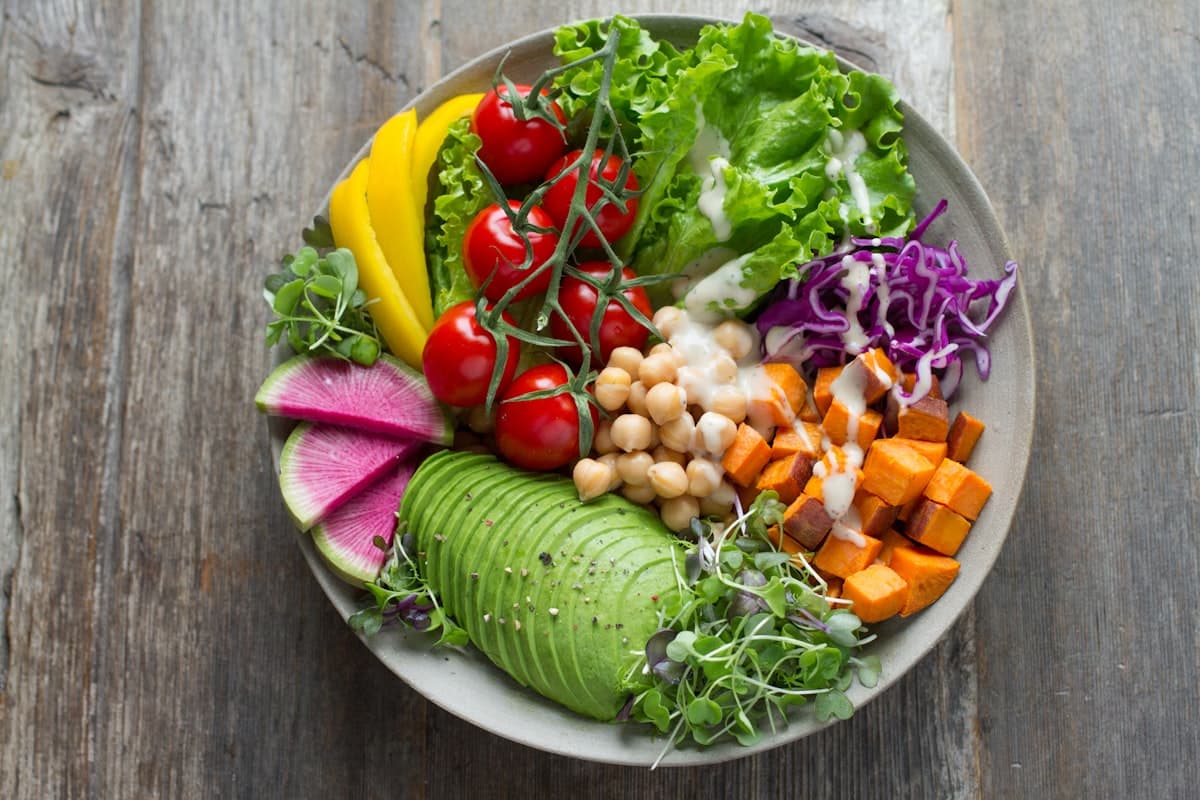
What Makes a Food Anti-Inflammatory?
The term "anti-inflammatory food" gets used loosely, so let's be precise. A food earns this label when research demonstrates that its consumption is associated with reduced levels of inflammatory biomarkers, specifically C-reactive protein (CRP), interleukin-6 (IL-6), and tumor necrosis factor alpha (TNF-alpha). These markers drive the chronic, low-grade inflammation linked to heart disease, type 2 diabetes, certain cancers, and autoimmune conditions.
Three categories of compounds do the heavy lifting. Omega-3 fatty acids (EPA and DHA) inhibit pro-inflammatory eicosanoid production and activate specialized pro-resolving mediators that help the body shut down inflammatory cascades. Polyphenols, including flavonoids, anthocyanins, and phenolic acids, suppress the NF-kB signaling pathway, one of the master switches of inflammation at the cellular level. Dietary fiber feeds beneficial gut bacteria that produce short-chain fatty acids like butyrate, which regulate immune responses throughout the body.
For a deeper look at these three compound classes, see our breakdown of turmeric, omega-3, and polyphenols.
The mechanism matters because it separates evidence from marketing. A food with verified effects on NF-kB suppression or cytokine reduction is fundamentally different from a food that simply carries a "superfood" label on its packaging.
The DII Framework: Scoring Your Diet's Inflammatory Potential
The Dietary Inflammatory Index (DII) provides the scientific backbone for understanding how individual foods and nutrients contribute to overall dietary inflammation. Developed by researchers at the University of South Carolina, the DII assigns scores to 45 food parameters based on their demonstrated relationship with six key inflammatory biomarkers: CRP, IL-1B, IL-4, IL-6, IL-10, and TNF-alpha.
A negative DII score indicates an anti-inflammatory diet. A positive score indicates a pro-inflammatory one. The foods on this list consistently pull your DII score in the negative (anti-inflammatory) direction.
What makes DII useful is that it was built from a review of nearly 2,000 peer-reviewed studies linking dietary components to inflammation. Parameters that score most strongly anti-inflammatory include fiber, omega-3 fatty acids, magnesium, vitamins A, C, D, and E, beta-carotene, flavonoids, and spice-derived compounds like curcumin and gingerol. Parameters that score most strongly pro-inflammatory include saturated fat, trans fat, cholesterol, and high carbohydrate loads from refined sources.
Our full guide on the science behind the Dietary Inflammatory Index explains the scoring methodology in detail. For now, think of DII as a compass: the foods below consistently point the needle toward lower inflammation.
Fatty Fish: The Omega-3 Powerhouses
Top picks: Wild salmon, sardines, mackerel, anchovies, herring, rainbow trout
Key compounds: EPA (eicosapentaenoic acid), DHA (docosahexaenoic acid)
Why they work: EPA and DHA are the most potent dietary anti-inflammatory agents with robust clinical evidence. They reduce the production of pro-inflammatory prostaglandins and leukotrienes derived from arachidonic acid. They also suppress the expression of adhesion molecules on blood vessel walls and lower circulating levels of IL-6 and TNF-alpha. A 2014 review in Biochimica et Biophysica Acta confirmed that EPA and DHA inhibit multiple inflammatory pathways, including NF-kB activation and T-helper cell reactivity.
A typical 3.5-ounce serving of wild salmon provides approximately 1.5 to 2.2 grams of combined EPA and DHA. Research suggests that a minimum of 2 grams per day is needed to achieve measurable anti-inflammatory effects. Sardines and mackerel deliver similar concentrations at a lower price point.
Practical note: Canned wild salmon and canned sardines are affordable, shelf-stable, and nutritionally equivalent to fresh. They remove the "I don't have time to cook fish" barrier entirely.
Leafy Greens and Cruciferous Vegetables
Top picks: Spinach, kale, Swiss chard, arugula, collard greens, broccoli, Brussels sprouts, cauliflower
Key compounds: Kaempferol, quercetin, lutein, sulforaphane, vitamin K, folate, magnesium
Why they work: Dark leafy greens are among the most nutrient-dense foods on the planet per calorie. Spinach and kale are rich in the flavonoid kaempferol, which has been shown to block the production of inflammatory cytokines in cell studies. Cruciferous vegetables (broccoli, Brussels sprouts, cauliflower) contain sulforaphane, a compound that activates the Nrf2 pathway, the body's master antioxidant defense system, while simultaneously suppressing NF-kB.
These vegetables also deliver magnesium, a mineral with direct anti-inflammatory effects. Population studies consistently link higher magnesium intake with lower CRP levels. One cup of cooked spinach provides roughly 157 mg of magnesium, about 37% of the daily recommended value.
Practical note: Frozen spinach and broccoli retain their nutrient profiles remarkably well. For people who dislike the taste of raw kale, blending it into smoothies with berries and banana eliminates the bitterness.
Berries: Concentrated Polyphenol Sources
Top picks: Blueberries, strawberries, blackberries, raspberries, tart cherries, cranberries
Key compounds: Anthocyanins, quercetin, ellagic acid, vitamin C
Why they work: Berries are polyphenol concentrates. Blueberries alone contain between 85 and 270 mg of anthocyanins per 100 grams. Anthocyanins are the pigments responsible for deep blue, purple, and red colors, and they are also powerful inhibitors of COX-2 and iNOS, two enzymes central to the inflammatory response.
A 2019 systematic review in Advances in Nutrition found that berry consumption was associated with significant reductions in CRP, TNF-alpha, and IL-6 across multiple randomized controlled trials. Tart cherries deserve special mention: they contain high concentrations of anthocyanins and have been shown to reduce post-exercise inflammation and lower uric acid levels, making them particularly relevant for gout and joint pain.
Strawberries provide ellagic acid, a compound that inhibits the binding of pro-inflammatory molecules to their receptors. Raspberries share this compound and also supply fiber (8 grams per cup), reinforcing the gut-immune axis.
Practical note: Frozen berries are picked at peak ripeness and flash-frozen, often making them nutritionally superior to fresh berries that have spent days in transit. A bag of frozen mixed berries costs a fraction of fresh and lasts for weeks. For recipe ideas using berries and other anti-inflammatory ingredients, see our anti-inflammatory smoothie recipes.
Nuts and Seeds
Top picks: Walnuts, almonds, flaxseed, chia seeds, hemp seeds, pumpkin seeds
Key compounds: Alpha-linolenic acid (ALA), vitamin E (gamma-tocopherol), magnesium, L-arginine, polyphenols
Why they work: Walnuts stand out as the only tree nut with a significant amount of ALA, the plant-based omega-3 fatty acid. One ounce of walnuts provides 2.5 grams of ALA. While the body converts ALA to EPA and DHA at a low rate (roughly 5 to 10%), walnuts also contain ellagitannins, a class of polyphenols with independent anti-inflammatory activity. A study published in the Journal of the American Heart Association found that walnut consumption for eight weeks significantly reduced several inflammatory biomarkers compared to a control diet.
Flaxseed and chia seeds offer a combination of ALA, lignans, and soluble fiber. Ground flaxseed provides 1.6 grams of ALA per tablespoon. Lignans are phytoestrogens with documented effects on reducing inflammatory markers in postmenopausal women.
Almonds deliver alpha-tocopherol (vitamin E), which protects cell membranes from oxidative damage that triggers inflammatory responses. Pumpkin seeds contribute zinc and magnesium, both minerals with roles in immune regulation.
Practical note: Pre-portion nuts into small containers or bags. A one-ounce serving (about a small handful) is the evidence-based amount used in most clinical trials.
Extra Virgin Olive Oil
Key compounds: Oleocanthal, oleuropein, hydroxytyrosol, oleic acid
Why it works: Extra virgin olive oil (EVOO) is the cornerstone fat of the Mediterranean diet, and its anti-inflammatory properties go well beyond its monounsaturated fat content. Oleocanthal, the compound responsible for the peppery "bite" at the back of the throat, has been shown to inhibit COX-1 and COX-2 enzymes in a mechanism similar to ibuprofen. Researchers estimate that 50 ml of EVOO provides roughly 10% of the ibuprofen dose used for pain relief in adults.
Hydroxytyrosol and oleuropein are additional polyphenols that suppress NF-kB signaling and reduce oxidative stress markers. The PREDIMED trial, one of the largest randomized dietary intervention studies ever conducted, found that participants consuming at least 4 tablespoons of EVOO daily had significantly lower CRP and IL-6 levels than control groups.
For a comparison of how olive oil fits into different dietary frameworks, read our article on Mediterranean diet vs. anti-inflammatory diet.
Practical note: Use EVOO as your default cooking oil for sauteing at low to medium heat and for all dressings and finishing. Look for bottles with a harvest date (not just an expiration date) to ensure freshness.
Spices and Herbs
Top picks: Turmeric, ginger, garlic, rosemary, cinnamon, oregano, black pepper
Key compounds: Curcumin, gingerol, allicin, rosmarinic acid, cinnamaldehyde, carvacrol, piperine
Why they work: Spices pack anti-inflammatory punch far out of proportion to their serving size. Turmeric contains curcumin, which inhibits NF-kB, COX-2, and multiple interleukins. Its bioavailability jumps dramatically (up to 2,000%) when consumed with piperine from black pepper, which inhibits the liver enzyme that normally breaks curcumin down.
Ginger contains 6-gingerol and 6-shogaol, compounds that suppress prostaglandin synthesis through inhibition of the COX-2 enzyme. A meta-analysis in Phytotherapy Research found that ginger supplementation significantly reduced CRP and TNF-alpha levels.
Garlic provides allicin upon crushing or chopping, which inhibits pro-inflammatory cytokine production and modulates T-cell function. Rosemary contains rosmarinic acid, one of the most potent natural inhibitors of complement activation, an arm of the immune system involved in chronic inflammatory conditions.
Practical note: Add turmeric and black pepper to scrambled eggs, soups, and grain bowls. Use fresh ginger in stir-fries and teas. These are daily-use ingredients, not occasional supplements.
Legumes and Whole Grains
Top picks (legumes): Lentils, chickpeas, black beans, kidney beans, edamame
Top picks (grains): Steel-cut oats, quinoa, brown rice, barley, buckwheat
Key compounds: Soluble fiber, resistant starch, folate, magnesium, polyphenols (in bean skins)
Why they work: Legumes and whole grains are the unsung workhorses of anti-inflammatory eating. Their primary mechanism is through the gut microbiome. Soluble fiber and resistant starch are fermented by beneficial bacteria into short-chain fatty acids (SCFAs), particularly butyrate. Butyrate strengthens the intestinal barrier, reduces intestinal permeability ("leaky gut"), and directly suppresses inflammatory signaling in immune cells lining the gut wall.
One cup of cooked lentils provides 16 grams of fiber, 18 grams of protein, and significant amounts of folate, iron, and magnesium. Black beans and kidney beans contain anthocyanins in their skins, the same compounds that make blueberries anti-inflammatory. For more on how fiber supports immune health through the gut, read our article on fiber and inflammation: the gut connection.
Oats contain beta-glucan, a type of soluble fiber that has been shown to lower CRP levels in clinical trials. Barley is another potent beta-glucan source, providing roughly 2.5 to 3 grams of beta-glucan per cooked cup.
The opposite end of the grain spectrum, refined white flour and added sugars, is strongly pro-inflammatory. Learn which specific processed foods cause the most damage in our guide on how ultra-processed foods drive chronic inflammation.
Practical note: Canned beans (rinsed to reduce sodium) are just as nutritious as dried beans and take zero preparation time. Keep four to five cans in the pantry at all times.
Other High-Impact Anti-Inflammatory Foods
Dark chocolate and cocoa (70%+ cacao): Rich in flavanols, particularly epicatechin, which improves endothelial function and reduces vascular inflammation. Aim for a one-ounce portion of dark chocolate with at least 70% cacao content.
Green tea: Contains epigallocatechin-3-gallate (EGCG), one of the most studied polyphenols in inflammation research. EGCG inhibits NF-kB and reduces IL-8 production. Two to three cups per day is the amount most commonly used in clinical trials.
Tomatoes: Cooked tomatoes are a top source of lycopene, a carotenoid that suppresses NF-kB activation and reduces IL-6. Cooking increases lycopene bioavailability by breaking down cell walls.
Avocados: Provide monounsaturated oleic acid, carotenoids (lutein, zeaxanthin), and a unique sugar called D-mannoheptulose that may reduce inflammatory responses. One study in Food & Function found that adding avocado to a hamburger meal significantly blunted the post-meal rise in IL-6 and NF-kB activation.
Fermented foods: Yogurt, kefir, kimchi, sauerkraut, and miso supply live probiotics that support gut barrier integrity. A 2021 Stanford study published in Cell found that a high-fermented-food diet increased microbial diversity and decreased 19 inflammatory proteins over 10 weeks. We cover the evidence in detail in our article on fermented foods and inflammation.
Beets: Contain betalains, pigments with direct anti-inflammatory effects on COX-2, and nitrates that improve blood flow and reduce vascular inflammation.
The Anti-Inflammatory Shopping Framework
Grocery shopping is where intentions become actions. This framework simplifies decision-making.
The 50/25/25 cart rule:
- 50% of your cart should be produce and legumes (fresh, frozen, or canned)
- 25% should be quality proteins (fatty fish, poultry, eggs, tofu)
- 25% should be whole grains, nuts, seeds, oils, and fermented foods
Your weekly non-negotiables:
- At least two servings of fatty fish (salmon, sardines, or mackerel)
- One bottle of extra virgin olive oil (use it for everything)
- A bag of frozen berries (blueberry and mixed berry blends are versatile)
- Two types of leafy greens (one for cooking, one for salads)
- Two cans of beans or lentils
- One anti-inflammatory spice to replenish (turmeric, ginger, or garlic)
Budget-friendly swaps:
Canned wild salmon replaces fresh fillets at one-third the cost. Frozen broccoli and spinach replace fresh at half the cost with equivalent nutrition. Dried lentils are among the cheapest protein sources per gram available anywhere. Store-brand oats cost pennies per serving and deliver beta-glucan just like premium brands. For a full breakdown of affordable anti-inflammatory shopping, see our anti-inflammatory grocery list on a budget.
For a list of what to keep out of your cart, see our article on 15 inflammatory foods to cut from your diet today.
Meal Building Tactics: Putting It All Together
Knowing which foods are anti-inflammatory is only useful if you can assemble them into meals you actually eat. Here is a simple formula.
The Anti-Inflammatory Plate Formula:
- Base: one serving of whole grains or legumes (brown rice, quinoa, lentils)
- Protein: one serving of fatty fish, poultry, eggs, or plant protein
- Vegetables: two or more types, at least one leafy green
- Fat: extra virgin olive oil, avocado, or a handful of nuts
- Flavor layer: spices (turmeric, ginger, garlic), herbs, citrus, or fermented condiment
Breakfast examples:
- Steel-cut oats topped with blueberries, walnuts, ground flaxseed, and cinnamon
- Scrambled eggs with spinach, turmeric, black pepper, and avocado on sprouted grain toast
- Greek yogurt with mixed berries, hemp seeds, and a drizzle of raw honey
Lunch examples:
- Mixed greens salad with canned sardines, chickpeas, cherry tomatoes, olive oil, and lemon
- Lentil soup with kale, garlic, ginger, and a side of whole grain bread
- Quinoa bowl with roasted broccoli, edamame, avocado, and a turmeric-tahini dressing
Dinner examples:
- Baked salmon with roasted Brussels sprouts, sweet potato, and rosemary olive oil
- Black bean and vegetable stir-fry with brown rice, ginger, and garlic
- Mackerel with barley pilaf, sauteed Swiss chard, and a walnut-herb gremolata
For a full week of structured recipes, visit our anti-inflammatory meal plan with 7 days of recipes.
The consistency principle: Research consistently shows that dietary patterns over weeks and months matter far more than individual meals. A single anti-inflammatory meal will not offset a consistently pro-inflammatory diet. Conversely, an occasional slice of cake will not undo weeks of solid eating. Build habits around the foods above, and your inflammatory markers will follow.
What About Supplements?
Whole foods should be the foundation. Supplements can fill specific gaps, but they rarely replicate the synergistic effects of compounds in their food matrix. For example, the anti-inflammatory effects of blueberries come from the interaction between their anthocyanins, fiber, vitamin C, and other polyphenols working together. An isolated anthocyanin supplement misses that synergy.
That said, three supplements have strong evidence when dietary intake falls short: fish oil (providing at least 2 grams of combined EPA and DHA daily), vitamin D (particularly for people living in northern latitudes or with documented deficiency), and curcumin with piperine for targeted joint or systemic inflammation support.
For those managing autoimmune conditions specifically, dietary strategies require additional nuance. Our guide on anti-inflammatory diet for autoimmune conditions covers these considerations in detail.
Anti-Inflammatory Foods Chart: Quick Reference
We organized every food on this list into a single chart format so you can see your options at a glance. Each category lists the top picks, the primary anti-inflammatory compound, and a simple serving target.
| Category | Top Foods | Key Compound | Weekly Target | |---|---|---|---| | Fatty Fish | Wild salmon, sardines, mackerel, herring, anchovies | EPA and DHA (omega-3s) | 3 to 4 servings (4 oz each) | | Leafy Greens | Spinach, kale, Swiss chard, arugula, collard greens | Kaempferol, magnesium, folate | Daily (1 to 2 cups) | | Cruciferous Vegetables | Broccoli, Brussels sprouts, cauliflower, cabbage | Sulforaphane (Nrf2 activator) | 4 to 5 servings | | Berries | Blueberries, strawberries, blackberries, tart cherries | Anthocyanins | Daily (0.5 to 1 cup) | | Nuts | Walnuts, almonds, pistachios | ALA, vitamin E, polyphenols | Daily (1 oz handful) | | Seeds | Flaxseed, chia seeds, hemp seeds, pumpkin seeds | ALA, lignans, zinc | Daily (1 to 2 tbsp) | | Healthy Fats | Extra virgin olive oil, avocados | Oleocanthal, oleic acid | Daily (2 to 3 tbsp EVOO) | | Legumes | Lentils, chickpeas, black beans, kidney beans | Soluble fiber, resistant starch | 3 to 4 servings | | Whole Grains | Steel-cut oats, quinoa, brown rice, barley | Beta-glucan, magnesium | Daily (1 to 2 servings) | | Spices | Turmeric, ginger, garlic, rosemary, cinnamon | Curcumin, gingerol, allicin | Daily (use in cooking) | | Alliums | Garlic, onions, leeks, shallots | Allicin, quercetin | Daily (in meals) | | Root Vegetables | Sweet potatoes, beets, carrots | Beta-carotene, betalains | 3 to 4 servings | | Fermented Foods | Yogurt, kefir, sauerkraut, kimchi, miso | Live probiotics | Daily (1 serving) | | Beverages | Green tea, tart cherry juice | EGCG, anthocyanins | 2 to 3 cups green tea daily | | Dark Chocolate | 70%+ cacao | Flavanols (epicatechin) | 1 oz, several times per week |
The serving targets are based on amounts used in clinical research, not arbitrary recommendations. If you hit even half of these consistently, you are eating a strongly anti-inflammatory diet by DII standards.
For help building these foods into actual meals, our anti-inflammatory breakfast ideas and anti-inflammatory snack guide provide ready-to-use recipes.
Printable Anti-Inflammatory Foods List
This section is designed as a clean, category-by-category reference you can save, bookmark, or print out. Keep it on your fridge or pull it up on your phone at the grocery store.
PROTEINS
- Wild salmon (fresh or canned)
- Sardines (canned in olive oil or water)
- Mackerel
- Herring
- Anchovies
- Rainbow trout
- Shrimp and shellfish
- Pasture-raised chicken and turkey
- Grass-fed beef (in moderation)
- Eggs (pasture-raised)
- Tofu and tempeh
VEGETABLES
- Spinach
- Kale
- Swiss chard
- Arugula
- Collard greens
- Broccoli
- Brussels sprouts
- Cauliflower
- Cabbage (red and green)
- Bok choy
- Sweet potatoes
- Beets
- Carrots
- Asparagus
- Zucchini
- Mushrooms (shiitake, maitake)
- Onions
- Garlic
- Leeks
- Celery
- Artichokes
FRUITS
- Blueberries
- Strawberries
- Blackberries
- Raspberries
- Tart cherries
- Cranberries
- Oranges
- Grapefruits
- Pomegranates
- Apples
- Grapes (red and purple)
- Tomatoes (cooked for lycopene)
- Avocados
NUTS AND SEEDS
- Walnuts
- Almonds
- Pistachios
- Flaxseed (ground)
- Chia seeds
- Hemp seeds
- Pumpkin seeds
- Sunflower seeds
WHOLE GRAINS AND LEGUMES
- Steel-cut oats
- Quinoa
- Brown rice
- Barley
- Buckwheat
- Lentils (all varieties)
- Chickpeas
- Black beans
- Kidney beans
- Edamame
FATS AND OILS
- Extra virgin olive oil
- Avocado oil
- Coconut oil (virgin, in moderation)
- Flaxseed oil (unheated only)
SPICES AND HERBS
- Turmeric (with black pepper)
- Ginger (fresh and dried)
- Garlic
- Rosemary
- Cinnamon (Ceylon)
- Oregano
- Basil
- Thyme
- Black pepper
- Cayenne (small amounts)
- Cloves
FERMENTED FOODS
- Plain yogurt (Greek or regular)
- Kefir
- Sauerkraut (unpasteurized)
- Kimchi
- Miso
- Kombucha
- Tempeh
BEVERAGES
- Green tea
- Black tea
- Tart cherry juice (unsweetened)
- Water with lemon
- Bone broth
- Dark chocolate (70%+ cacao, as a treat)
WHAT TO MINIMIZE OR AVOID
- Processed meats (bacon, hot dogs, deli meats)
- Refined sugars and high-fructose corn syrup
- White bread, pastries, and refined flour products
- Fried foods and trans fats
- Sugary drinks and sodas
- Excessive alcohol
- Highly processed seed oils (when used in ultra-processed foods)
- Artificial additives and preservatives
For a budget-conscious version of this list, see our anti-inflammatory grocery list on a budget.
Top 10 Anti-Inflammatory Foods to Eat Every Day
If the full list above feels overwhelming, start here. We ranked these 10 foods based on the strength of clinical evidence, how easily they fit into daily meals, and how much anti-inflammatory impact you get per serving. If you eat most of these on most days, you are covering the core bases.
1. Wild Salmon (or Sardines) The single most effective anti-inflammatory food by research volume. A 4-ounce serving delivers 1.5 to 2.2 grams of EPA and DHA, which directly suppress IL-6, TNF-alpha, and NF-kB activation. Canned salmon and sardines count, cost less, and require zero cooking. Aim for 3 to 4 servings per week, which effectively means every other day.
2. Extra Virgin Olive Oil Your default cooking fat and dressing base. Oleocanthal inhibits COX-1 and COX-2 enzymes with a mechanism similar to ibuprofen. Two to three tablespoons daily is the target from the PREDIMED trial that showed significant CRP reductions. Drizzle it on everything.
3. Blueberries The most studied berry for inflammation. Anthocyanins reduce CRP, TNF-alpha, and IL-6 across multiple clinical trials. Half a cup to one cup daily, fresh or frozen. Add to oatmeal, yogurt, smoothies, or eat straight from the container.
4. Spinach Provides kaempferol (anti-inflammatory flavonoid), magnesium (157 mg per cooked cup, directly linked to lower CRP), and folate. Versatile enough to put in smoothies, scrambled eggs, salads, soups, and grain bowls. Two cups raw or one cup cooked daily is a realistic goal.
5. Walnuts The only tree nut with significant ALA omega-3 content (2.5 grams per ounce) plus ellagitannins that independently reduce inflammatory biomarkers. One small handful (about 14 halves) per day as a snack, salad topper, or oatmeal addition.
6. Turmeric (with Black Pepper) Curcumin inhibits NF-kB and multiple interleukins. Pairing it with black pepper increases absorption by up to 2,000%. Half a teaspoon of turmeric daily in scrambled eggs, soups, rice, or as a golden milk latte is enough to make a difference.
7. Lentils Sixteen grams of fiber per cup feeds beneficial gut bacteria that produce anti-inflammatory butyrate. Also delivers 18 grams of plant protein, iron, and folate. Cook a big batch on Sunday and use them all week in soups, salads, and bowls.
8. Broccoli Sulforaphane activates the Nrf2 antioxidant pathway, your body's master switch for neutralizing oxidative stress. One cup of steamed broccoli several times per week. Broccoli sprouts have even higher sulforaphane concentrations if you want to go further.
9. Ginger Gingerol and shogaol inhibit COX-2 prostaglandin synthesis. A meta-analysis found that ginger significantly reduces CRP and TNF-alpha. Fresh ginger in stir-fries, teas, and smoothies. A one-inch piece grated into hot water makes a simple anti-inflammatory tea.
10. Greek Yogurt (or Kefir) Provides live probiotics that support gut barrier integrity, calcium for bone health, and protein for satiety. The 2021 Stanford study showed fermented food consumption decreased 19 inflammatory proteins over 10 weeks. One serving daily, plain and unsweetened, topped with berries and nuts.
This top 10 covers the three pillars of anti-inflammatory eating: omega-3s (salmon, walnuts), polyphenols (blueberries, turmeric, olive oil, ginger), and fiber for gut health (lentils, spinach, broccoli). If you are just getting started with anti-inflammatory eating, our anti-inflammatory diet for beginners guide walks you through building these habits step by step.
Frequently Asked Questions
What are the top 10 anti-inflammatory foods?
Based on clinical evidence, the top 10 are: wild salmon, extra virgin olive oil, blueberries, spinach, walnuts, turmeric (with black pepper), sardines, broccoli, lentils, and ginger. These foods consistently lower CRP, IL-6, and other inflammatory markers across multiple randomized controlled trials. See our ranked list above for specific serving amounts and how to include each one daily.
Is there a printable anti-inflammatory foods list?
Yes. The reference list above is organized by category (proteins, vegetables, fruits, nuts and seeds, grains and legumes, fats, spices, fermented foods, and beverages) specifically for easy reference. Save this page, bookmark it, or print the list section for quick access at the grocery store.
How many anti-inflammatory foods should I eat per day?
There is no magic number, but research suggests that eating from at least 4 to 5 different anti-inflammatory food categories daily produces the strongest results. A typical day might include fatty fish, leafy greens, berries, olive oil, whole grains, and a spice like turmeric or ginger. Variety matters more than perfection in any single category.
Are anti-inflammatory foods safe for people with autoimmune conditions?
Most anti-inflammatory foods are well-tolerated by people with autoimmune conditions, but individual responses vary. Some people with autoimmune diseases react to nightshades (tomatoes, peppers), legumes, or grains. If you have an autoimmune condition, consider working through an elimination diet to identify your personal triggers while keeping the core anti-inflammatory foods (fish, greens, olive oil, berries) that are universally well-tolerated.
What is the difference between an anti-inflammatory foods chart and the DII?
The Dietary Inflammatory Index (DII) is a research tool that scores 45 dietary parameters based on their relationship with inflammatory biomarkers. An anti-inflammatory foods chart is a practical, simplified version that translates DII research into a grocery-friendly format. Our chart above is informed by DII scoring but presented in a way that is immediately actionable for meal planning and shopping.
The Bottom Line
Anti-inflammatory eating is not about a single miracle food. It is a pattern built on fatty fish, colorful vegetables, berries, nuts, seeds, olive oil, legumes, whole grains, and spices, consumed consistently over time. The science behind the DII confirms that these foods shift your body's inflammatory balance toward resolution rather than escalation.
Start with the shopping framework above. Build meals using the plate formula. Give it four to six weeks, and pay attention to how you feel. Reduced joint stiffness, better energy, improved digestion, and clearer skin are among the earliest signals that the pattern is working.
Your grocery list is your most powerful anti-inflammatory tool. Use it.
Sources
-
Shivappa, N., et al. "Designing and developing a literature-derived, population-based dietary inflammatory index." Public Health Nutrition, 2014. https://pubmed.ncbi.nlm.nih.gov/22296169/
-
Calder, P.C. "Marine omega-3 fatty acids and inflammatory processes: Effects, mechanisms and clinical relevance." Biochimica et Biophysica Acta, 2015. https://pubmed.ncbi.nlm.nih.gov/25149823/
-
Harvard Health Publishing. "Foods that fight inflammation." Harvard Medical School. https://www.health.harvard.edu/staying-healthy/foods-that-fight-inflammation
-
Mayo Clinic Health System. "Want to ease chronic inflammation? Start with your grocery list." https://www.mayoclinichealthsystem.org/hometown-health/speaking-of-health/want-to-ease-chronic-inflammation
-
Estruch, R., et al. "Primary Prevention of Cardiovascular Disease with a Mediterranean Diet Supplemented with Extra-Virgin Olive Oil or Nuts." New England Journal of Medicine, 2018. https://pubmed.ncbi.nlm.nih.gov/29897866/
-
Kunnumakkara, A.B., et al. "Chronic diseases, inflammation, and spices: how are they linked?" Journal of Translational Medicine, 2018. https://pubmed.ncbi.nlm.nih.gov/29370858/
-
Solverson, P.M., et al. "Anthocyanin bioactivity in obesity and diabetes: A review." Journal of Food Bioactives, 2020. https://pmc.ncbi.nlm.nih.gov/articles/PMC9357159/
-
Wastyk, H.C., et al. "Gut-microbiota-targeted diets modulate human immune status." Cell, 2021. https://pubmed.ncbi.nlm.nih.gov/34256014/
-
Harvard T.H. Chan School of Public Health. "Diet Review: Anti-Inflammatory Diet." The Nutrition Source. https://nutritionsource.hsph.harvard.edu/healthy-weight/diet-reviews/anti-inflammatory-diet/
-
Nani, A., et al. "Overview of anti-inflammatory diets and their promising effects on non-communicable diseases." Nutrients, 2024. https://pubmed.ncbi.nlm.nih.gov/39411832/
-
NIH Office of Dietary Supplements. "Omega-3 Fatty Acids: Fact Sheet for Health Professionals." https://ods.od.nih.gov/factsheets/Omega3FattyAcids-HealthProfessional/