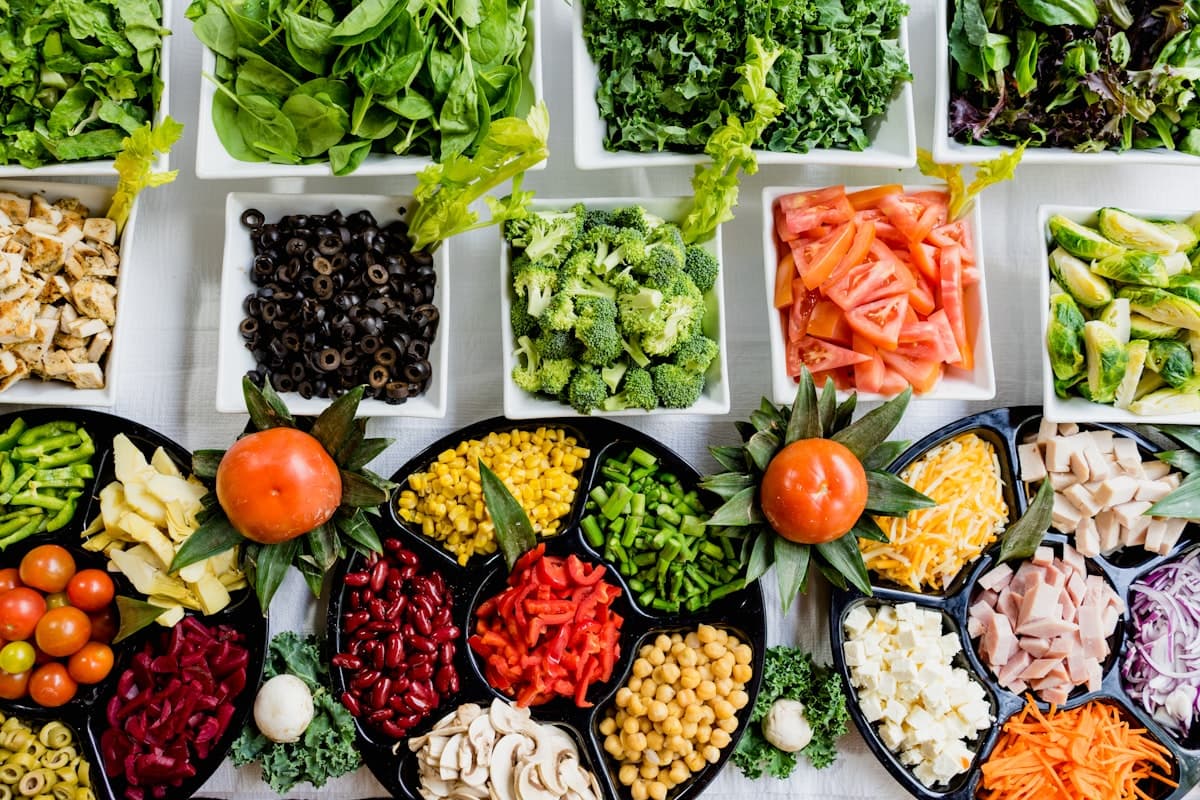
If you have ever searched for the best way to eat for long-term health, you have probably encountered two popular approaches: the Mediterranean diet and the anti-inflammatory diet. They share a lot of common ground, and the overlap can make it hard to tell them apart. But they are not the same thing. Each has a distinct origin, a different philosophy, and specific strengths depending on your goals. This guide breaks down both diets side by side so you can decide which approach fits your life, or whether combining them makes the most sense.
What Is the Mediterranean Diet?
The Mediterranean diet is a dietary pattern modeled after the traditional eating habits of people living in countries bordering the Mediterranean Sea, particularly Greece, southern Italy, and Spain, during the mid-20th century. Researchers first noticed that these populations had remarkably low rates of heart disease despite relatively high fat intake. The difference was the type of fat and the overall pattern of eating.
Core Principles
The Mediterranean diet is built around whole, minimally processed plant foods. Olive oil serves as the primary fat source. Fruits, vegetables, legumes, nuts, seeds, and whole grains form the foundation of daily meals. Fish and seafood appear several times per week. Poultry, eggs, and dairy (mostly yogurt and cheese) are consumed in moderate amounts. Red meat is limited to a few times per month. Moderate red wine consumption with meals is considered acceptable, though not required.
This is a pattern-based approach. There are no strict calorie counts, no point systems, and no banned food groups. The emphasis is on the overall composition of the diet across weeks and months rather than on any single meal or ingredient.
What the Research Shows
The Mediterranean diet is one of the most studied dietary patterns in clinical research. Two landmark trials stand out:
The PREDIMED Trial: This large randomized controlled trial enrolled over 7,400 participants at high cardiovascular risk in Spain. Participants assigned to a Mediterranean diet supplemented with extra-virgin olive oil or mixed nuts experienced a 30% reduction in major cardiovascular events compared to the control group on a low-fat diet. The study also demonstrated significant reductions in inflammatory markers, including C-reactive protein (CRP), interleukin-6 (IL-6), and tumor necrosis factor alpha (TNF-alpha) (Estruch et al., NEJM, 2013).
The Lyon Diet Heart Study: This secondary prevention trial followed 605 patients who had already suffered a heart attack. Those assigned to a Mediterranean-style diet experienced a 50% to 70% lower risk of recurrent cardiac events over a mean follow-up of 46 months (de Lorgeril et al., Circulation, 1999).
What Is an Anti-Inflammatory Diet?
An anti-inflammatory diet is not a single, codified eating plan. Rather, it is a strategy that selects and prioritizes foods based on their measured effect on inflammatory biomarkers in the body. The most rigorous version of this approach uses the Dietary Inflammatory Index (DII), a scoring tool developed by researchers at the University of South Carolina that assigns inflammation scores to 45 dietary components based on their relationship to six inflammatory markers.
You can read a deeper explanation in our article on the science behind the Dietary Inflammatory Index.
Core Principles
Where the Mediterranean diet asks "Does this food fit the traditional pattern?", an anti-inflammatory diet asks "What is this food's measurable impact on inflammation?" Every ingredient gets a score. Foods rich in omega-3 fatty acids, polyphenols, fiber, and certain vitamins (like vitamins A, C, D, and E) receive anti-inflammatory (negative) scores. Foods high in saturated fat, trans fat, refined carbohydrates, and certain pro-inflammatory nutrients receive positive scores that indicate they promote inflammation.
This is a precision-based approach. It does not prescribe a cultural eating pattern. Instead, it provides a framework for evaluating any food, from any cuisine, by its inflammatory potential.
What the Research Shows
The DII has been validated in over 300 datasets across 36 countries. Meta-analyses of cohort studies have found that participants with the most pro-inflammatory diets (highest DII scores) had a 41% higher risk of cardiovascular disease incidence and a 31% higher risk of cardiovascular mortality compared to those with the most anti-inflammatory diets (Zahedi et al., 2020). Higher DII scores have also been linked to increased risk of colorectal cancer, depression, dementia, and all-cause mortality.
A comprehensive umbrella review published in Frontiers in Nutrition identified 35 meta-analyses connecting pro-inflammatory diets to cancer, metabolic disease, and premature death (Namazi et al., 2021).
Side-by-Side Comparison
| Feature | Mediterranean Diet | Anti-Inflammatory Diet | |---|---|---| | Origin | Traditional eating patterns of Mediterranean populations | Nutritional science and biomarker research | | Guiding framework | Cultural food pattern | Dietary Inflammatory Index (DII) scores | | Primary fat source | Extra-virgin olive oil | Olive oil, omega-3 rich oils, fatty fish | | Fruits and vegetables | High intake encouraged | High intake, selected by antioxidant and polyphenol content | | Whole grains | Emphasized (bread, pasta, couscous) | Included if DII score is favorable | | Refined grains | Allowed in moderation | Generally discouraged | | Fish and seafood | 2-3 servings per week | Fatty fish strongly prioritized for omega-3 content | | Red meat | Limited (few times per month) | Limited or excluded | | Dairy | Moderate (yogurt, cheese) | Varies by individual tolerance and DII scoring | | Alcohol | Moderate red wine permitted | Generally discouraged or limited | | Nightshades | No restriction | Some protocols restrict based on individual response | | Supplements considered | Not typically | Turmeric, omega-3, vitamin D often included | | Precision level | Pattern-based (broad) | Ingredient-level (specific) | | Ease of adherence | High (flexible, culturally rich) | Moderate (requires more food knowledge) | | Clinical trial evidence | Extensive (PREDIMED, Lyon Heart Study) | Growing (DII cohort studies, meta-analyses) |
Where They Overlap
These two diets agree on far more than they disagree. Roughly 80% of their food recommendations are identical. Here are the major areas of agreement.
Olive Oil as a Central Fat
Both diets place extra-virgin olive oil at the center of the plate. Olive oil is rich in oleocanthal and hydroxytyrosol, two compounds with potent anti-inflammatory properties. The PREDIMED trial specifically tested olive oil as an intervention and found significant reductions in inflammatory markers (Casas et al., 2014).
Fatty Fish
Salmon, sardines, mackerel, and anchovies are staples in both approaches. These fish provide EPA and DHA, the long-chain omega-3 fatty acids that serve as precursors to resolvins and protectins, specialized molecules that actively resolve inflammation. For a closer look at why omega-3s matter, see our guide to turmeric, omega-3, and polyphenols: the big three anti-inflammatory compounds.
Abundant Vegetables and Fruits
Both diets emphasize eating a wide variety of colorful produce. Leafy greens, berries, cruciferous vegetables, tomatoes, and citrus fruits provide fiber, vitamins, and thousands of polyphenolic compounds that reduce oxidative stress and modulate inflammatory pathways. Our complete list of anti-inflammatory foods covers these categories in detail.
Nuts, Seeds, and Legumes
Almonds, walnuts, flaxseeds, chickpeas, and lentils appear frequently in both frameworks. These foods contribute plant-based protein, fiber, magnesium, and anti-inflammatory fats. The PREDIMED trial's nut-supplemented arm showed cardiovascular benefits comparable to the olive oil arm.
Whole Grains over Refined Grains
Both diets prefer intact grains (oats, brown rice, quinoa, farro) over processed white flour products. Whole grains provide fiber that feeds beneficial gut bacteria, which in turn produce short-chain fatty acids that help regulate systemic inflammation.
Where They Diverge
The differences between these diets are less about what they include and more about philosophy, precision, and a handful of specific food categories.
Alcohol
The Mediterranean diet has traditionally included moderate red wine consumption (one glass per day for women, up to two for men) as part of the cultural pattern. Some researchers attribute part of the diet's benefit to resveratrol and other polyphenols in red wine.
An anti-inflammatory diet, by contrast, tends to view alcohol skeptically. While small amounts of red wine may contain beneficial compounds, alcohol itself is metabolized into acetaldehyde, a known irritant, and chronic consumption raises levels of CRP and other inflammatory markers. Most DII-based protocols either discourage alcohol entirely or treat it as neutral at best.
Refined Grains and Bread
Traditional Mediterranean eating includes white bread, regular pasta, and couscous as daily staples. These foods are part of the cultural pattern and were consumed by the healthy Mediterranean populations that researchers originally studied.
A strict anti-inflammatory approach flags refined grains as pro-inflammatory because they cause rapid blood sugar spikes, which trigger insulin surges and downstream inflammatory signaling. This is one of the clearest points of divergence between the two diets.
Dairy
The Mediterranean diet includes moderate dairy, particularly fermented forms like Greek yogurt and aged cheeses. These foods provide calcium, probiotics, and protein.
Anti-inflammatory protocols are more cautious with dairy. Some individuals experience increased inflammation from casein or lactose, and the DII treats full-fat dairy as mildly pro-inflammatory. Fermented dairy tends to score better, but the anti-inflammatory approach requires more individual assessment.
Nightshade Vegetables
The Mediterranean diet makes no distinction for nightshades (tomatoes, peppers, eggplant, potatoes). These are core ingredients in Mediterranean cuisine.
Some anti-inflammatory protocols, particularly those designed for autoimmune conditions, temporarily restrict nightshades. The rationale involves solanine and other alkaloids that may aggravate inflammation in sensitive individuals. This is not a universal recommendation but represents a level of personalization that the Mediterranean diet does not typically address.
Precision vs. Pattern
Perhaps the most fundamental difference is the level of specificity. The Mediterranean diet says, "Eat like this overall, and you will be healthier." The anti-inflammatory diet says, "Here is the inflammatory score of every food you eat, and here is how to optimize your total score." One is a painting; the other is a spreadsheet. Both can lead to excellent health outcomes, but they appeal to different personalities and needs.
The Evidence for Each
Mediterranean Diet: Clinical Trials
The Mediterranean diet benefits from decades of randomized controlled trials, the gold standard of nutritional research. Beyond PREDIMED and the Lyon Diet Heart Study, a 2019 Cochrane review of Mediterranean-style diets for cardiovascular prevention included seven trials with over 11,000 participants and confirmed significant reductions in cardiovascular events (Rees et al., 2019). Harvard's Nutrition Source recognizes the Mediterranean diet as one of the best-studied dietary patterns for disease prevention (Harvard T.H. Chan School of Public Health).
A 2021 study tracking PREDIMED participants over three years found sustained reductions in plasma levels of IL-1-beta, IL-6, IL-8, TNF-alpha, and high-sensitivity CRP (Casas et al., 2021). These are the same biomarkers that drive atherosclerosis, joint degeneration, and metabolic dysfunction.
Anti-Inflammatory Diet: Cohort Studies and Meta-Analyses
The DII lacks large randomized controlled trials of its own, but its observational evidence is broad and consistent. The index has been applied to cohort data from the Nurses' Health Study, the Health Professionals Follow-Up Study, the NHANES dataset, and dozens of international cohorts. A 2019 perspective article in Advances in Nutrition detailed how the DII has been refined through over 160 publications and 12 meta-analyses (Shivappa et al., 2019).
The MedLey Study, published in 2023, directly connected the dots: participants who followed a Mediterranean diet for six months significantly improved their DII scores, confirming that Mediterranean eating does, in fact, shift the body's inflammatory profile in a favorable direction (Davis et al., 2023).
Who Should Choose Which?
General Health and Longevity
Choose the Mediterranean diet. Its evidence base for preventing heart disease, stroke, type 2 diabetes, and cognitive decline is unmatched. It requires no special tracking or scoring, and it is enjoyable and sustainable for most people over a lifetime. If you enjoy cooking, meals with family, and a relaxed approach to nutrition, this is a natural fit.
Specific Inflammatory Conditions
Choose a targeted anti-inflammatory diet. If you are managing rheumatoid arthritis, inflammatory bowel disease, psoriasis, lupus, or chronic pain syndromes, the ingredient-level precision of DII scoring lets you identify and eliminate specific foods that may be triggering your symptoms. Protocols like the Autoimmune Protocol (AIP) fall under this umbrella and offer structured elimination and reintroduction phases.
Athletic Performance and Recovery
Consider the anti-inflammatory approach. Athletes recovering from intense training benefit from targeted anti-inflammatory nutrition that can accelerate recovery and reduce exercise-induced inflammation. Specific attention to omega-3 intake, polyphenol-rich foods, and tart cherry juice (which has documented effects on muscle soreness) gives athletes a measurable edge.
Heart Health with Structured Guidance
If you want a structured plan that bridges both approaches, the DASH diet for inflammation and heart health offers another well-researched option with significant overlap.
How to Combine Them Effectively
Building a combined approach is straightforward. Start with the Mediterranean framework and make these targeted adjustments:
Swap refined grains for whole grains. Replace white pasta with whole-grain or legume-based alternatives. Choose sourdough or sprouted bread instead of white bread. This single change removes one of the main pro-inflammatory elements the Mediterranean diet permits.
Prioritize the highest-scoring anti-inflammatory foods. Within the Mediterranean framework, lean toward the ingredients with the strongest anti-inflammatory DII scores: turmeric, ginger, green tea, berries, leafy greens, and fatty fish. Our 7-day anti-inflammatory meal plan shows exactly how to build these into practical, daily meals.
Reconsider alcohol. If you currently drink wine with dinner, consider reducing to a few times per week or replacing it with green tea or tart cherry juice, both of which have strong anti-inflammatory profiles without the metabolic downsides of alcohol.
Track your response. If you have a specific inflammatory condition, keep a simple food journal for two to four weeks. Note which foods seem to worsen or improve your symptoms. This individual data is more valuable than any generalized dietary guideline.
Add targeted supplements when appropriate. Omega-3 fish oil (2 to 3 grams of combined EPA and DHA per day), vitamin D (if levels are below 40 ng/mL), and curcumin (the active compound in turmeric) have robust evidence supporting their anti-inflammatory effects. These supplements complement both dietary approaches.
The Bottom Line
The Mediterranean diet and the anti-inflammatory diet are not competitors. They are complementary tools built on the same scientific foundation: that whole, plant-rich, omega-3-abundant diets reduce chronic inflammation and protect against disease. The Mediterranean diet offers a time-tested, enjoyable, and deeply researched eating pattern. The anti-inflammatory diet offers granular, biomarker-driven precision. Used together, they represent the most evidence-based approach to eating for long-term health.
The most important step is not choosing the "perfect" diet. It is moving away from the standard Western diet, which scores consistently pro-inflammatory on the DII and is associated with higher rates of heart disease, cancer, diabetes, and neurodegenerative disease. Whether you start with a Mediterranean pattern, an anti-inflammatory framework, or a combination of both, you will be making a meaningful investment in reducing chronic inflammation and improving your quality of life.
Sources
-
Estruch, R., et al. "Primary Prevention of Cardiovascular Disease with a Mediterranean Diet." New England Journal of Medicine, 2013. https://www.nejm.org/doi/full/10.1056/NEJMoa1200303
-
de Lorgeril, M., et al. "Mediterranean diet, traditional risk factors, and the rate of cardiovascular complications after myocardial infarction: final report of the Lyon Diet Heart Study." Circulation, 1999. https://pubmed.ncbi.nlm.nih.gov/9989963/
-
Casas, R., et al. "The effects of the Mediterranean diet on biomarkers of vascular wall inflammation and plaque vulnerability in subjects with high risk for cardiovascular disease." PLoS One, 2014. https://pubmed.ncbi.nlm.nih.gov/24925270/
-
Casas, R., et al. "The 3-Year Effect of the Mediterranean Diet Intervention on Inflammatory Biomarkers Related to Cardiovascular Disease." Biomedicines, 2021. https://pubmed.ncbi.nlm.nih.gov/34440065/
-
Urpi-Sarda, M., et al. "Anti-inflammatory effects of the Mediterranean diet: the experience of the PREDIMED study." Proceedings of the Nutrition Society, 2010. https://pubmed.ncbi.nlm.nih.gov/20515519/
-
Zahedi, H., et al. "Dietary inflammatory index and cardiovascular risk and mortality: A meta-analysis of cohort studies." European Journal of Clinical Nutrition, 2020. https://pubmed.ncbi.nlm.nih.gov/32443378/
-
Namazi, N., et al. "Dietary Inflammatory Index and Health Outcomes: An Umbrella Review of Systematic Review and Meta-Analyses of Observational Studies." Frontiers in Nutrition, 2021. https://www.frontiersin.org/journals/nutrition/articles/10.3389/fnut.2021.647122/full
-
Shivappa, N., et al. "Perspective: The Dietary Inflammatory Index (DII): Lessons Learned, Improvements Made, and Future Directions." Advances in Nutrition, 2019. https://pmc.ncbi.nlm.nih.gov/articles/PMC6416047/
-
Rees, K., et al. "Mediterranean-style diet for the primary and secondary prevention of cardiovascular disease." Cochrane Database of Systematic Reviews, 2019. https://pmc.ncbi.nlm.nih.gov/articles/PMC6414510/
-
Davis, C.R., et al. "Adherence to a Mediterranean Diet for 6 Months Improves the Dietary Inflammatory Index in a Western Population: Results from the MedLey Study." Nutrients, 2023. https://pubmed.ncbi.nlm.nih.gov/36678237/
-
Harvard T.H. Chan School of Public Health. "Diet Review: Anti-Inflammatory Diet." The Nutrition Source. https://nutritionsource.hsph.harvard.edu/healthy-weight/diet-reviews/anti-inflammatory-diet/
-
Harvard Health Publishing. "Foods that fight inflammation." https://www.health.harvard.edu/staying-healthy/foods-that-fight-inflammation
-
Mayo Clinic Health System. "Groceries to ease chronic inflammation." https://www.mayoclinichealthsystem.org/hometown-health/speaking-of-health/want-to-ease-chronic-inflammation