Alzheimer's disease is the most common form of dementia, affecting millions of people worldwide. While genetics play a role, research increasingly shows that lifestyle factors, particularly diet, significantly influence your risk of developing this devastating condition.
At the heart of Alzheimer's pathology is chronic inflammation in the brain, called neuroinflammation. This isn't the acute, helpful inflammation that fights infections. It's persistent, low-grade inflammation that damages neurons, disrupts communication between brain cells, and accelerates the accumulation of toxic proteins like amyloid-beta and tau that characterize Alzheimer's disease.
The encouraging news is that your food choices directly affect brain inflammation. Specific dietary patterns can reduce neuroinflammation, support brain vascular health, provide neuroprotective compounds, and significantly lower your risk of cognitive decline and Alzheimer's disease.
Neuroinflammation: The Brain's Double-Edged Sword
Your brain has its own immune system, primarily composed of cells called microglia. In a healthy brain, microglia patrol for damage and pathogens, clear cellular debris, and support neuronal function. They're essential for brain health.
But when chronically activated by factors like poor diet, oxidative stress, vascular damage, or toxic protein accumulation, microglia shift from helpful to harmful. They begin producing inflammatory cytokines like IL-1β, IL-6, and TNF-alpha, along with reactive oxygen species that damage neurons and synapses.
This chronic microglial activation creates a vicious cycle. Inflammatory molecules promote the production and aggregation of amyloid-beta proteins into plaques, which further activate microglia. Similarly, inflammation accelerates tau protein misfolding and accumulation into tangles. Both amyloid plaques and tau tangles are hallmarks of Alzheimer's disease, and both are exacerbated by chronic neuroinflammation.
Neuroinflammation also damages the blood-brain barrier, the protective membrane that normally keeps harmful substances out of your brain. When this barrier becomes permeable, inflammatory molecules from the body can enter the brain, worsening neuroinflammation and accelerating cognitive decline.
Autopsies of Alzheimer's patients consistently show elevated inflammatory markers throughout brain tissue, and studies measuring inflammatory biomarkers in living people show that higher inflammation correlates with faster cognitive decline and greater brain atrophy.
Understanding this inflammatory component opens the door to dietary interventions that can reduce neuroinflammation and protect cognitive function as you age.
The MIND Diet: Specifically Designed for Brain Health
While several dietary patterns show brain-protective benefits, the MIND diet (Mediterranean-DASH Intervention for Neurodegenerative Delay) was specifically developed to reduce Alzheimer's risk based on nutritional neuroscience research.
The MIND diet combines elements of the Mediterranean diet and the DASH (Dietary Approaches to Stop Hypertension) diet, emphasizing foods with specific evidence for brain health. The results are impressive.
The landmark Rush Memory and Aging Project followed 923 older adults for an average of 4.5 years. Those who adhered most closely to the MIND diet had a 53% reduction in Alzheimer's disease risk compared to those with the lowest adherence. Even moderate adherence reduced risk by 35%.
Another study found that the MIND diet slowed cognitive decline by the equivalent of 7.5 years of aging. This isn't a small effect. This is comparable to what many people hope to achieve with expensive supplements or unproven interventions, but it comes from simply eating specific foods consistently.
What makes the MIND diet so effective? It emphasizes ten brain-healthy food groups while limiting five harmful categories. Let's examine the components that protect your brain.
Brain-Protective Foods to Emphasize
Leafy Greens: Daily Brain Protection
Leafy greens like spinach, kale, collard greens, and lettuce are the foundation of brain-healthy eating. The MIND diet recommends at least six servings per week, though daily consumption is ideal.
Why are greens so powerful for brain health? They provide folate, which supports neurotransmitter production and reduces homocysteine (elevated homocysteine is associated with cognitive decline and brain atrophy), vitamin K, which is essential for sphingolipid metabolism in brain cell membranes, lutein and other carotenoids that accumulate in brain tissue and correlate with better cognitive function, nitrates that improve blood flow to the brain, and antioxidants that combat oxidative stress.
A study in Neurology followed older adults for five years and found that eating just one serving of leafy greens daily was associated with slower cognitive decline equivalent to being 11 years younger cognitively. MRI studies show that people who eat more leafy greens have greater gray matter volume and less brain atrophy as they age.
Make spinach salads or kale salads a daily habit, add greens to smoothies, omelets, soups, and stir-fries, or sauté them as a side dish with garlic and olive oil.
Berries: Anthocyanins for Memory
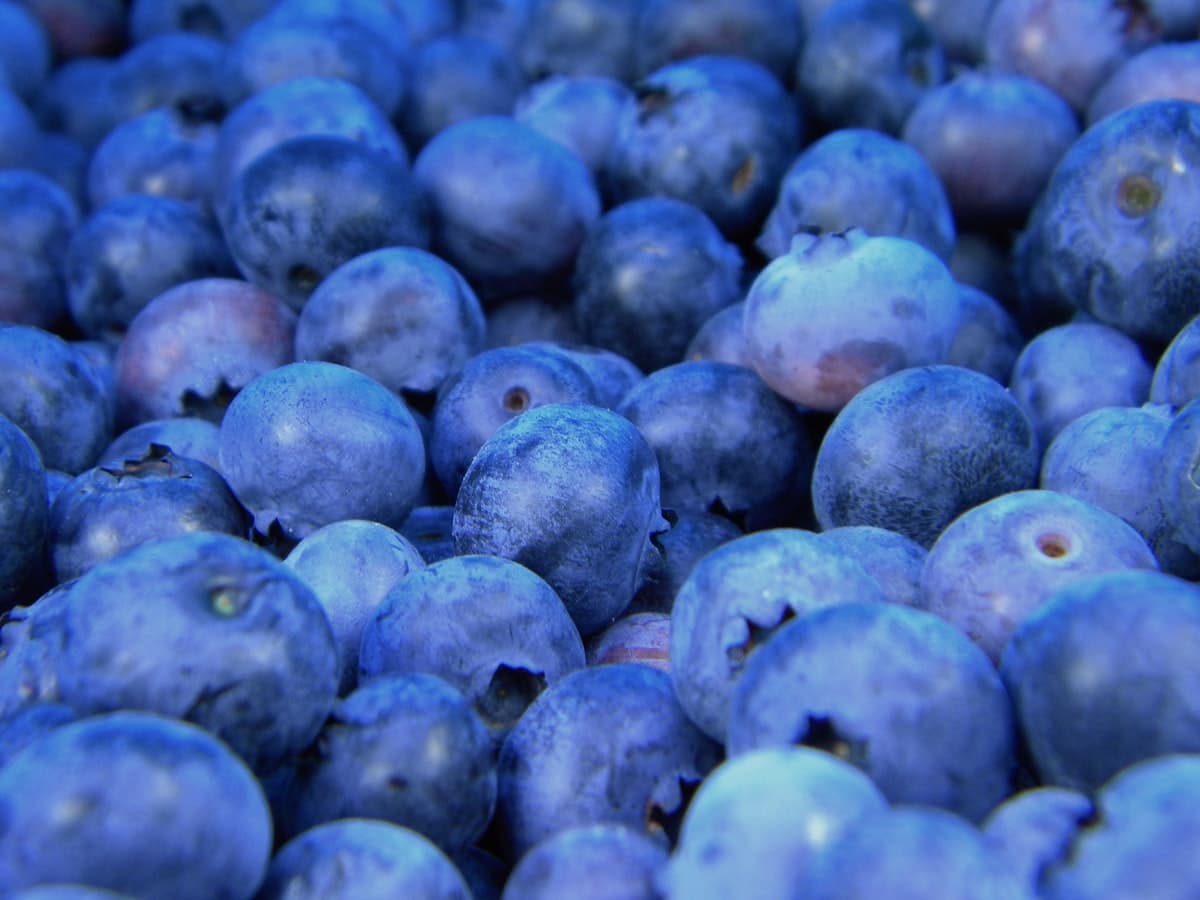
Among all fruits, berries stand out for brain protection, particularly blueberries and strawberries. The MIND diet specifically recommends berries (not just any fruit) at least twice weekly, though more frequent consumption is better.
Blueberries contain anthocyanins, powerful antioxidant compounds that cross the blood-brain barrier and accumulate in brain regions critical for memory, like the hippocampus. These compounds reduce neuroinflammation, improve neuronal signaling, enhance brain-derived neurotrophic factor (BDNF, which supports neuron survival and growth), and protect against oxidative damage.
A randomized controlled trial published in the Journal of Agricultural and Food Chemistry found that older adults with mild cognitive impairment who consumed blueberry juice daily for 12 weeks showed improved memory function and reduced depressive symptoms compared to placebo. Brain imaging studies show increased brain activation during memory tasks in berry consumers.
The Nurses' Health Study, following over 16,000 women for decades, found that higher berry consumption was associated with slower rates of cognitive decline. Women who ate the most berries delayed cognitive aging by up to 2.5 years.
Strawberries, raspberries, and blackberries also provide brain benefits through different polyphenol profiles. Eat a variety of berries fresh or frozen (freezing preserves nutrients) in smoothies, with Greek yogurt, on oatmeal, or simply as snacks.
Nuts: Vitamin E and Healthy Fats
Nuts, especially walnuts and almonds, provide vitamin E (a fat-soluble antioxidant that protects brain cell membranes), healthy monounsaturated and polyunsaturated fats that support brain structure, polyphenols with anti-inflammatory properties, and in walnuts, omega-3 alpha-linolenic acid (ALA).
The MIND diet recommends nuts at least five times per week. Research from the Nurses' Health Study found that women who ate nuts at least five times weekly had significantly better cognitive function and slower cognitive decline than those who rarely ate nuts.
Walnuts deserve special mention. Their unique omega-3 content and high polyphenol levels make them particularly brain-protective. A study in the Journal of Nutrition, Health & Aging found that walnut consumption was associated with improved cognitive test scores across all ages studied.
Keep portions reasonable (1-1.5 ounces, or about a small handful) since nuts are calorie-dense, but don't fear the fat. It's the type of fat your brain needs.
Fatty Fish: Omega-3s for Brain Structure and Function
Your brain is nearly 60% fat by dry weight, and omega-3 fatty acids (particularly DHA) are structural components of neuronal membranes, essential for synaptic plasticity and neurotransmitter function.
Wild salmon, sardines, mackerel, herring, and other fatty fish provide EPA and DHA that reduce neuroinflammation, support brain-derived neurotrophic factor (BDNF), improve cerebral blood flow, and may reduce amyloid and tau accumulation.
The MIND diet recommends fish at least once weekly, though many brain health experts suggest twice weekly. Observational studies consistently show that people who eat fish regularly have lower rates of Alzheimer's disease and slower cognitive decline.
A meta-analysis in the American Journal of Preventive Medicine found that fish consumption was associated with reduced risk of cognitive impairment and Alzheimer's disease. Brain imaging studies show that people who regularly eat fish have greater gray matter volume in brain regions responsible for memory and cognition.
The Chicago Health and Aging Project found that eating fish once or more per week reduced Alzheimer's disease risk by 60% compared to rarely eating fish.
Omega-3 supplementation studies show mixed results, suggesting that getting omega-3s from whole fish (which also provides selenium, vitamin D, and other nutrients) may be more beneficial than supplements alone. Still, if you don't eat fish, algae-based DHA supplements are worth considering.
For more on omega-3s and brain health, see our article on turmeric, omega-3, and polyphenols.
Olive Oil: Polyphenols and Healthy Fats
Extra virgin olive oil is the primary fat source in Mediterranean diets and a cornerstone of brain-healthy eating. It provides oleic acid (a monounsaturated fat that supports brain structure), polyphenols like oleocanthal that reduce neuroinflammation and may help clear amyloid-beta from the brain, and antioxidants that protect against oxidative damage.
Research in the Annals of Clinical and Translational Neurology found that higher olive oil consumption was associated with better cognitive function and reduced risk of cognitive impairment. A study in mice showed that extra virgin olive oil reduced amyloid plaque load and improved memory, with effects potentially mediated by enhanced clearance of toxic proteins.
Use olive oil as your primary cooking fat (it's stable at moderate cooking temperatures despite myths to the contrary), drizzle it on salads and cooked vegetables, and use it in place of butter. Aim for 3-4 tablespoons daily for maximal benefit.
Choose extra virgin varieties, which have the highest polyphenol content. The slight bitterness or peppery sensation indicates beneficial compounds.
Whole Grains: B Vitamins and Sustained Energy
While low-carb advocates sometimes vilify all grains, intact whole grains like steel-cut oats, quinoa, brown rice, and whole wheat provide B vitamins essential for neurotransmitter synthesis and homocysteine metabolism, fiber that supports gut microbiome diversity (which influences brain health through the gut-brain axis), and steady glucose supply (the brain's primary fuel).
The MIND diet recommends at least three servings of whole grains daily. Observational studies suggest that whole grain consumption is associated with reduced cognitive decline, though effects are more modest than for foods like berries and leafy greens.
The key is choosing intact, minimally processed whole grains rather than whole grain flour products (which behave more like refined grains in terms of blood sugar impact). Steel-cut oats are superior to instant oatmeal, and whole grain pasta is better than bread.
Portions matter, as excessive carbohydrate intake can promote inflammation and insulin resistance, both harmful to the brain. Stick to 1/2 to 1 cup cooked portions and pair grains with vegetables, protein, and healthy fats.
Beans and Legumes: Fiber and Nutrients
Lentils, chickpeas, black beans, and other legumes provide fiber that feeds beneficial gut bacteria, plant-based protein, B vitamins, and minerals like magnesium and folate.
The MIND diet recommends at least four servings of beans weekly. While research on legumes and cognitive function is less extensive than for some other foods, their role in reducing inflammation, supporting vascular health, and providing sustained energy makes them valuable for brain health.
Include legumes in soups, salads, grain bowls, or as main dishes. Their high fiber and protein content also supports satiety and weight management, indirectly benefiting brain health.
Foods That Harm Brain Health
Just as certain foods protect your brain, others accelerate neuroinflammation and cognitive decline. The MIND diet specifically limits these categories.
Red Meat and Processed Meats
Red meat, particularly in large amounts, contains saturated fats that may promote inflammation, heme iron that can contribute to oxidative stress, and advanced glycation end products (AGEs) that accumulate in brain tissue and promote neuroinflammation.
Processed meats like bacon, sausage, and deli meats are even more problematic, adding nitrites and excess sodium to the mix.
The MIND diet recommends limiting red meat to fewer than four servings per week. Studies show that people who eat more red meat have faster cognitive decline and higher Alzheimer's risk. The Chicago Health and Aging Project found that people consuming the most saturated fat had double the risk of Alzheimer's disease.
Choose fish, poultry, or plant-based proteins more often. When eating red meat, select lean cuts and keep portions modest (3-4 ounces).
Butter and Margarine
The MIND diet recommends limiting butter to less than 1 tablespoon daily and avoiding margarine entirely (particularly types containing trans fats, though these are now largely banned).
Butter provides saturated fats that may increase inflammation and negatively affect vascular health. Margarine, particularly older formulations, contained trans fats that consistently show harmful effects on brain health.
Replace butter with olive oil for cooking and on bread. This single swap significantly improves your fat quality and provides brain-protective polyphenols.
Cheese
While cheese provides calcium and protein, it's also high in saturated fat and sodium. The MIND diet recommends limiting cheese to less than one serving per week.
This doesn't mean you can never enjoy cheese, but making it an occasional pleasure rather than a daily staple is wise for brain health. When you do eat cheese, choose stronger flavored varieties so smaller amounts satisfy.
Pastries and Sweets
Cookies, cakes, doughnuts, ice cream, and candy provide refined sugars and unhealthy fats while lacking nutrients that support brain function. The MIND diet recommends limiting these to fewer than five servings per week.
Added sugar and refined carbohydrates spike blood glucose and insulin, promote inflammation and oxidative stress, contribute to insulin resistance (which is associated with cognitive decline and Alzheimer's risk), and displace more nutritious foods from your diet.
Studies show strong associations between high sugar intake and cognitive impairment. A study in Diabetologia found that even in people without diabetes, higher blood glucose levels were associated with faster cognitive decline and greater brain atrophy. Learn more about sugar and inflammation.
Save sweets for special occasions and choose dark chocolate (85% cacao or higher) when you want something sweet. Dark chocolate provides flavonoids with potential cognitive benefits when consumed in small amounts.
Fried and Fast Food
French fries, fried chicken, fast food burgers, and similar items combine unhealthy fats (often trans fats or oxidized oils), refined carbohydrates, excess sodium, and minimal nutrients.
The MIND diet recommends limiting fried or fast food to less than once per week. Research shows that regular fried food consumption is associated with increased inflammation, cardiovascular disease (which increases dementia risk), and faster cognitive decline.
When dining out, choose grilled, baked, or steamed options over fried, and fill half your plate with vegetables.
Building a Brain-Healthy Eating Pattern
Understanding individual foods is valuable, but implementing a brain-protective dietary pattern requires practical strategies that fit into daily life.
Sample Day of MIND Diet Eating
Breakfast: Steel-cut oatmeal topped with 1/2 cup blueberries, 2 tablespoons walnuts, ground flaxseed, and a sprinkle of cinnamon. Green tea on the side.
Lunch: Large spinach salad with grilled wild salmon, cherry tomatoes, cucumber, chickpeas, sliced almonds, and extra virgin olive oil-lemon dressing. Whole grain crackers on the side.
Snack: Small handful of mixed nuts and berries, or carrot sticks with hummus.
Dinner: Baked cod or grilled chicken seasoned with herbs and garlic, roasted Brussels sprouts and sweet potato with olive oil, and a side of quinoa. Mixed green salad with olive oil vinaigrette.
Evening: Herbal tea or small square of dark chocolate (85% cacao).
This day includes leafy greens (spinach twice), berries, nuts (walnuts and almonds), fatty fish (salmon), whole grains (oats, quinoa, whole grain crackers), beans (chickpeas), and olive oil as the primary fat source. It naturally limits red meat, cheese, butter, and sweets.
For more comprehensive meal planning, see our 7-day anti-inflammatory meal plan.
Practical Implementation Tips
Start with additions, not restrictions. Rather than focusing on what you can't eat, begin by adding one serving of leafy greens daily, incorporating berries several times weekly, and switching to olive oil. These positive additions naturally crowd out less healthy options.
Make brain-healthy foods convenient. Keep washed greens, frozen berries, and shelled nuts readily available. Batch cook lentil soup, vegetable-rich stews, or grain salads on weekends.
Build meals around vegetables. Fill half your plate with non-starchy vegetables at lunch and dinner. This automatically improves nutrient density and reduces room for less healthy foods.
Plan fish into your weekly routine. Designate specific days for fish (Tuesday and Friday, for example) and keep wild salmon, sardines, or other options in your freezer or pantry.
Rethink breakfast. Instead of pastries, toast with butter, or sugary cereal, start with oatmeal, eggs with vegetables, or Greek yogurt with berries and nuts. For inspiration, see our anti-inflammatory breakfast ideas.
Modify favorite recipes. Use olive oil instead of butter, add extra vegetables to pasta dishes, include beans in chili and soups, and swap refined grains for whole grains gradually.
Be realistic about adherence. You don't need perfection. The MIND diet studies showed significant benefits even with moderate adherence. Focus on consistency over perfection.
Beyond Diet: Supporting Brain Health Holistically
While diet is crucial, other lifestyle factors work synergistically to protect cognitive function and reduce Alzheimer's risk.
Physical exercise may be as important as diet for brain health. Aerobic exercise increases blood flow to the brain, promotes growth of new neurons and connections, reduces inflammation, improves insulin sensitivity, and decreases Alzheimer's risk by 30-50% in observational studies. Aim for at least 150 minutes of moderate activity weekly, plus strength training twice weekly.
Cognitive engagement through learning new skills, reading, puzzles, social interaction, and mentally challenging activities builds cognitive reserve that protects against decline. Think of it as cross-training for your brain.
Quality sleep is essential because deep sleep is when your brain clears metabolic waste products, including amyloid-beta. Chronic sleep deprivation increases amyloid accumulation and cognitive decline risk. Prioritize 7-9 hours of quality sleep nightly.
Stress management matters because chronic stress elevates cortisol, which damages the hippocampus (the brain's memory center) and increases inflammation. Meditation, yoga, nature time, or other stress-reduction practices all support brain health.
Social connection consistently predicts better cognitive outcomes. Loneliness and social isolation increase dementia risk as much as physical inactivity. Maintain meaningful relationships and community involvement.
Cardiovascular health is brain health. What's good for your heart is good for your brain, as vascular factors contribute significantly to dementia risk. Control blood pressure, cholesterol, and blood sugar through diet, exercise, and medication if needed. For more on this, see our article on inflammation and heart disease.
Avoid head injuries. Traumatic brain injury increases long-term dementia risk. Wear seatbelts, use helmets for biking and sports, and fall-proof your home as you age.
The Bottom Line
Alzheimer's disease is devastating, but you're not helpless. While genetics influence risk, lifestyle factors, particularly diet, significantly affect whether and when cognitive decline occurs.
Chronic neuroinflammation drives Alzheimer's pathology, and specific foods dramatically influence brain inflammation. The MIND diet, emphasizing leafy greens, berries, nuts, fatty fish, olive oil, whole grains, and beans while limiting red meat, butter, cheese, sweets, and fried foods, reduces Alzheimer's risk by 30-53% and slows cognitive decline by years.
These aren't marginal effects. A 53% risk reduction is comparable to what we hope future medications might achieve, but you can start today by choosing wild salmon instead of a burger, adding berries to your breakfast, or making a large kale salad for lunch.
You don't need perfection. Start with one or two changes, like adding leafy greens daily and eating fish weekly. Build from there. Your brain will thank you not just decades from now, but in improved energy, mood, and cognitive clarity today.
For comprehensive background on inflammation and disease, see our ultimate guide to inflammation and disease and our complete list of anti-inflammatory foods.
Sources
-
Morris MC, et al. MIND diet associated with reduced incidence of Alzheimer's disease. Alzheimer's & Dementia. 2015;11(9):1007-1014. https://pubmed.ncbi.nlm.nih.gov/25681666/
-
Morris MC, et al. MIND diet slows cognitive decline with aging. Alzheimer's & Dementia. 2015;11(9):1015-1022. https://pubmed.ncbi.nlm.nih.gov/26086182/
-
Devore EE, et al. Dietary intakes of berries and flavonoids in relation to cognitive decline. Annals of Neurology. 2012;72(1):135-143. https://pubmed.ncbi.nlm.nih.gov/22535616/
-
Morris MC, et al. Consumption of fish and omega-3 fatty acids and risk of incident Alzheimer disease. Archives of Neurology. 2003;60(7):940-946. https://pubmed.ncbi.nlm.nih.gov/12873849/
-
Scarmeas N, et al. Mediterranean diet and risk for Alzheimer's disease. Annals of Neurology. 2006;59(6):912-921. https://pubmed.ncbi.nlm.nih.gov/16622828/
-
Heneka MT, et al. Neuroinflammation in Alzheimer's disease. The Lancet Neurology. 2015;14(4):388-405. https://pubmed.ncbi.nlm.nih.gov/25792098/
-
National Institute on Aging. What do we know about diet and prevention of Alzheimer's disease? https://www.nia.nih.gov/health/alzheimers-and-dementia/what-do-we-know-about-diet-and-prevention-alzheimers-disease
-
Harvard Health Publishing. MIND diet may be best for brain health. Harvard Medical School. https://www.health.harvard.edu/blog/mind-diet-may-be-best-for-brain-health-2017031611299
-
Mayo Clinic. Alzheimer's prevention: Does it exist? https://www.mayoclinic.org/diseases-conditions/alzheimers-disease/in-depth/alzheimers-prevention/art-20048665