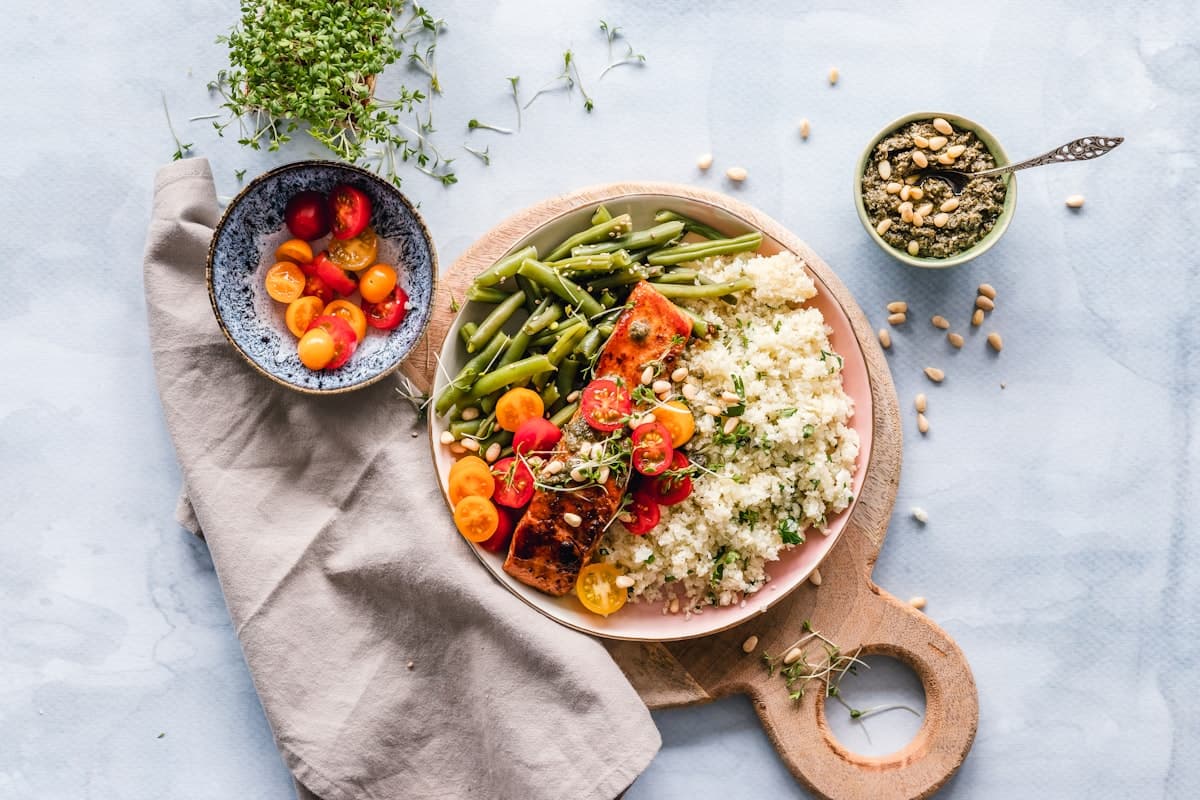
Polycystic ovary syndrome (PCOS) affects 8-13% of women of reproductive age, making it one of the most common hormonal disorders. If you have PCOS, you're likely familiar with the frustrating constellation of symptoms: irregular periods, acne, unwanted hair growth, difficulty losing weight, and increased risk for type 2 diabetes and heart disease.
What you might not realize is that chronic low-grade inflammation sits at the center of PCOS pathology. This isn't the acute inflammation you get with an injury or infection. It's a persistent inflammatory state that disrupts hormone balance, worsens insulin resistance, and drives many of the symptoms you experience daily.
The encouraging news? Diet is one of the most powerful tools for managing PCOS. Unlike genetics, which you can't change, your food choices directly influence inflammation, insulin sensitivity, and hormone production. Multiple studies show that dietary interventions can improve PCOS symptoms as effectively as medications for many women, and the benefits extend far beyond symptom management to long-term metabolic health.
The Inflammation-Insulin-Androgen Connection in PCOS
To understand why diet matters so much for PCOS, you need to understand the vicious cycle that drives this condition.
Women with PCOS consistently show elevated inflammatory markers, even when accounting for body weight. Studies published in The Journal of Clinical Endocrinology & Metabolism show that women with PCOS have higher levels of C-reactive protein (CRP), interleukin-6 (IL-6), and tumor necrosis factor-alpha (TNF-α) compared to women without PCOS.
This inflammation doesn't just float around causing general havoc. It specifically interferes with insulin signaling. Inflammatory cytokines activate stress kinases like JNK and IKK, which phosphorylate insulin receptor substrates in the wrong places, blocking insulin's ability to move glucose into cells. The result is insulin resistance, meaning your pancreas has to pump out more insulin to achieve the same effect.
Here's where it gets particularly problematic for PCOS: excess insulin stimulates your ovaries to produce more androgens (male hormones like testosterone). It also reduces sex hormone-binding globulin (SHBG), the protein that normally binds and inactivates testosterone. More production plus less binding equals much higher levels of active androgens circulating in your body.
These elevated androgens cause many of the symptoms you recognize as PCOS: acne, hirsutism (unwanted hair growth), male-pattern hair loss, and irregular ovulation. High androgens also promote fat storage, especially around your midsection, and that abdominal fat is metabolically active, producing more inflammatory cytokines. The cycle perpetuates itself.
Breaking this cycle requires addressing inflammation and insulin resistance simultaneously. That's exactly what an anti-inflammatory diet does.
Anti-Inflammatory Foods That Improve PCOS Markers
Research on PCOS and diet consistently points to several food groups that improve metabolic markers, reduce inflammation, and support hormone balance.
Fatty Fish: The Omega-3 Advantage
If you're going to prioritize one dietary change for PCOS, make it increasing omega-3 fatty acids. Omega-3s (EPA and DHA) directly combat the inflammatory processes that worsen insulin resistance.
A randomized controlled trial published in The American Journal of Clinical Nutrition found that women with PCOS who supplemented with omega-3s (3.5 grams daily for 8 weeks) showed significant improvements in insulin sensitivity, triglycerides, and inflammatory markers compared to placebo.
The mechanism is multifaceted. Omega-3s get incorporated into cell membranes, making them more fluid and improving insulin receptor function. They also reduce production of inflammatory prostaglandins and cytokines, and they increase adiponectin, a hormone that improves insulin sensitivity.
Fatty fish like wild salmon, mackerel, sardines, and anchovies are the best sources. Aim for 3-4 servings per week. If you don't eat fish, consider a high-quality fish oil supplement providing 2-3 grams combined EPA and DHA daily.
Leafy Greens and Non-Starchy Vegetables
Vegetables are nutrition powerhouses for PCOS management. They're high in fiber, low in calories, rich in antioxidants, and have minimal impact on blood sugar.
Leafy greens like spinach, kale, Swiss chard, and collards provide folate, magnesium, and antioxidants like lutein. Cruciferous vegetables (broccoli, cauliflower, Brussels sprouts) contain compounds that support healthy estrogen metabolism. Colorful vegetables like peppers, tomatoes, and carrots deliver carotenoids that reduce oxidative stress.
A study in Fertility and Sterility found that women with PCOS who increased vegetable intake had improved insulin sensitivity and reduced inflammation markers. The fiber in vegetables also feeds beneficial gut bacteria, which produce short-chain fatty acids (SCFAs) that improve insulin sensitivity and reduce inflammation.
Aim for at least 5 servings daily, with emphasis on variety and color. For a full breakdown of which foods fight inflammation best, see our complete list of anti-inflammatory foods.
Berries and Low-Glycemic Fruits
Fruits often get a bad reputation in PCOS circles because of their sugar content, but this oversimplifies the science. The type of fruit and portion size matter tremendously.
Berries (blueberries, strawberries, raspberries, blackberries) are particularly beneficial for PCOS. They're rich in anthocyanins, which reduce insulin resistance and inflammation. They also have a low glycemic load, meaning they don't spike blood sugar like higher-sugar fruits.
Research in The Journal of Nutrition shows that anthocyanin consumption improves insulin sensitivity in insulin-resistant individuals. Other good choices include citrus fruits, apples, pears, and cherries.
Aim for 2-3 servings daily, preferably paired with protein or fat to further minimize blood sugar impact. A serving of berries with Greek yogurt or an apple with almond butter are examples of balanced snacks.
Whole Grains and Legumes: The Fiber and Protein Connection
Despite the low-carb trend in PCOS management (which we'll discuss), whole grains and legumes can be part of a healthy PCOS diet when chosen wisely and portioned appropriately.
Legumes like lentils, chickpeas, and black beans provide protein, fiber, and resistant starch, which feeds beneficial gut bacteria. The protein helps stabilize blood sugar and supports satiety. The fiber slows glucose absorption and promotes healthy bowel movements, which helps eliminate excess estrogen.
A meta-analysis in The American Journal of Clinical Nutrition found that legume consumption improves glycemic control and insulin sensitivity in people with diabetes and metabolic syndrome.
Whole grains like quinoa, steel-cut oats, bulgur, and brown rice provide fiber, B vitamins, and minerals like magnesium (which improves insulin sensitivity). The key is choosing intact or minimally processed grains rather than flour products.
Portion control matters here. For most women with PCOS, 1/2 to 1 cup of cooked whole grains or legumes per meal is appropriate, adjusted based on individual carbohydrate tolerance and activity level.
Healthy Fats: Olive Oil, Avocados, Nuts, and Seeds
Healthy fats improve satiety, support hormone production (cholesterol is the building block for all steroid hormones), and don't spike blood sugar.
Extra virgin olive oil is particularly well-studied. It's rich in oleic acid and polyphenols like oleocanthal, which have anti-inflammatory effects. The DASH-Mediterranean diet, which emphasizes olive oil, has shown benefits for PCOS in multiple studies.
Avocados provide monounsaturated fats, fiber, and potassium. Nuts and seeds offer healthy fats, protein, fiber, and minerals. Walnuts are particularly rich in omega-3s (though in ALA form, which converts less efficiently than fish-based EPA/DHA).
Don't fear dietary fat. The low-fat diet trend has been debunked for metabolic health. What matters is the type of fat: emphasize monounsaturated and omega-3 polyunsaturated fats while limiting saturated fats and eliminating trans fats.
The Role of Omega-3s and Inositol
Two specific nutrients deserve special mention for PCOS management: omega-3 fatty acids (discussed above) and inositol.
Inositol is a vitamin-like substance that improves insulin signaling and supports ovarian function. The two forms studied in PCOS are myo-inositol and D-chiro-inositol. Dozens of studies show that inositol supplementation (typically 2-4 grams myo-inositol daily) improves insulin sensitivity, promotes regular ovulation, reduces androgens, and improves metabolic markers in women with PCOS.
A comprehensive review in The European Review for Medical and Pharmacological Sciences analyzing 13 randomized trials concluded that inositol supplementation significantly improves reproductive and metabolic parameters in PCOS.
While you can get small amounts of inositol from foods like beans, whole grains, nuts, and fruits, therapeutic doses typically require supplementation. Discuss this with your healthcare provider as part of your comprehensive PCOS management plan.
Foods to Limit for PCOS Management
Just as important as what to eat is what to minimize. Certain foods directly worsen the inflammation and insulin resistance that drive PCOS.
Sugar and Refined Carbohydrates
Added sugars and refined carbohydrates are perhaps the most problematic foods for PCOS. They cause rapid blood sugar and insulin spikes, worsening insulin resistance over time. They also promote inflammatory processes and contribute to weight gain, particularly abdominal fat.
Foods to minimize or avoid include soda, energy drinks, candy, pastries, white bread, white rice, and most processed snacks. Even natural sweeteners like honey and maple syrup should be used sparingly.
This doesn't mean you can never have these foods, but they shouldn't be daily staples. When you do indulge, pair sweets with protein and fat to minimize blood sugar impact.
Processed and Ultra-Processed Foods
Ultra-processed foods are engineered to be hyperpalatable, easy to overconsume, and often loaded with inflammatory ingredients: refined grains, added sugars, vegetable oils high in omega-6, trans fats, and additives.
Research shows that ultra-processed food consumption correlates strongly with obesity, metabolic syndrome, and inflammation, all of which worsen PCOS.
Read ingredient labels. If a food has more than 5-7 ingredients, many of which you don't recognize, it's likely ultra-processed. Choose whole or minimally processed foods most of the time.
The Dairy Debate
Dairy's role in PCOS is controversial and appears to be individual. Some research suggests that dairy consumption, particularly low-fat dairy, may worsen acne and insulin resistance in some women with PCOS. The proposed mechanisms include:
- Whey protein stimulating insulin and IGF-1 (insulin-like growth factor 1), which can increase androgen production
- Hormones naturally present in dairy from pregnant cows
- Individual lactose intolerance causing inflammation
However, fermented dairy like Greek yogurt and kefir provide probiotics that support gut health and may actually improve metabolic markers. A study in Diabetes Research and Clinical Practice found that probiotic yogurt improved glycemic markers in women with PCOS.
The practical approach: if you notice that dairy worsens your acne or other symptoms, try eliminating it for 4-6 weeks to see if you improve. If dairy doesn't seem to affect you negatively, moderate consumption of full-fat fermented options is likely fine. Avoid low-fat, sweetened dairy products, which often have added sugars.
Trans Fats and Excessive Omega-6
Trans fats (partially hydrogenated oils) are unequivocally harmful, increasing inflammation and worsening insulin resistance. They're banned in many countries but still lurk in some processed foods, fried foods, and baked goods.
The omega-6 to omega-3 ratio also matters. The typical Western diet provides 15-20 times more omega-6 than omega-3, when the ideal ratio is closer to 4:1 or lower. Excessive omega-6 (from corn oil, soybean oil, sunflower oil) shifts prostaglandin production toward inflammation.
Use olive oil or avocado oil for cooking instead of vegetable oils, and read labels to avoid products made with soybean or corn oil.
Carbohydrate Considerations: Low-Carb vs. Moderate Carb
One of the most debated topics in PCOS nutrition is carbohydrate intake. Should you go low-carb or even ketogenic? Or can you include moderate amounts of carbohydrates from healthy sources?
The research shows benefits from both approaches, depending on the individual.
Low-Carb and Ketogenic Diets
Several studies show that low-carb diets (typically under 100 grams daily) or ketogenic diets (under 50 grams daily) can improve insulin sensitivity, promote weight loss, reduce androgens, and improve menstrual regularity in women with PCOS.
A study in Nutrition & Metabolism found that women with PCOS following a ketogenic diet for 24 weeks experienced significant improvements in weight, testosterone, insulin levels, and menstrual regularity.
The mechanism makes sense: limiting carbohydrates reduces insulin production, which reduces ovarian androgen production and improves metabolic markers.
However, very low-carb diets aren't necessary or sustainable for everyone. Some women experience negative effects like low energy, disrupted sleep, worsened mood, or menstrual irregularities when carbs are too restricted.
Moderate Carb with Focus on Quality and Timing
An alternative approach emphasizes moderate carbohydrate intake (30-40% of calories) from low-glycemic, whole food sources like legumes, whole grains, fruits, and starchy vegetables. The focus is on quality, portion control, and pairing carbs with protein and fat.
This approach aligns with Mediterranean and DASH diet patterns, which have shown benefits for PCOS in multiple studies. A randomized trial in Fertility and Sterility found that a DASH diet improved insulin resistance and inflammatory markers in women with PCOS.
The practical approach: start with moderate carb intake (around 100-150 grams daily) from whole food sources, distributed throughout the day with protein and fat. If you don't see improvements after 2-3 months, try reducing carbs further (to 75-100 grams daily). Pay attention to how you feel: energy levels, mood, sleep quality, and symptom changes.
There's no single perfect macronutrient ratio for everyone with PCOS. Individual experimentation within an anti-inflammatory framework is key.
Practical Meal Planning for PCOS
Here's a practical framework for building an anti-inflammatory PCOS diet:
Build each meal around:
- A palm-sized portion of protein (salmon, chicken, eggs, legumes, Greek yogurt)
- 2-3 servings of non-starchy vegetables (the more colorful, the better)
- A serving of healthy fat (olive oil, avocado, nuts, seeds)
- An optional serving of whole grains or starchy vegetables (adjusted to your carb tolerance)
Sample day of eating:
Breakfast: Vegetable omelet with spinach and tomatoes, cooked in olive oil, with berries on the side
Lunch: Grilled salmon over mixed greens with cucumbers, bell peppers, avocado, and olive oil-lemon dressing, plus a small serving of quinoa
Snack: Greek yogurt with berries and walnuts
Dinner: Grilled chicken with roasted Brussels sprouts and cauliflower, side salad, and brown rice (optional, depending on carb tolerance)
Beverage: Water, green tea, or unsweetened kombucha
This pattern provides adequate protein (supports satiety and blood sugar stability), abundant vegetables (fiber, antioxidants, volume), healthy fats (hormone production, satiety, anti-inflammatory), and moderate, quality carbohydrates.
The Importance of Meal Timing and Consistency
When you eat matters almost as much as what you eat for PCOS management. Irregular eating patterns can worsen insulin resistance and promote weight gain.
Research shows that eating breakfast improves metabolic markers in women with PCOS. A study in Clinical Science found that women with PCOS who consumed most calories at breakfast had improved insulin sensitivity, reduced testosterone, and improved ovulation rates compared to those who ate larger dinners.
Time-restricted eating (eating within a consistent 8-10 hour window) may also benefit insulin sensitivity and weight management, though research specifically in PCOS is limited. The approach aligns with natural circadian rhythms and may improve metabolic function.
Aim for consistent meal timing, don't skip breakfast, and avoid late-night eating. Give your body at least 12 hours overnight without food to allow for cellular repair and insulin sensitivity restoration.
Supplements Worth Considering
Beyond whole foods, certain supplements have specific evidence for PCOS:
- Omega-3 fish oil: 2-3 grams EPA/DHA daily if not eating fatty fish regularly
- Inositol: 2-4 grams myo-inositol daily (often combined with D-chiro-inositol in a 40:1 ratio)
- Vitamin D: Many women with PCOS are deficient; aim for blood levels of 40-60 ng/mL
- Magnesium: Improves insulin sensitivity; 300-400 mg daily
- Chromium: May improve insulin sensitivity; 200-400 mcg daily
- Berberine: Shown to improve insulin sensitivity comparable to metformin in some studies; 500 mg three times daily
Always discuss supplements with your healthcare provider to ensure they're appropriate for you and won't interact with medications.
Weight Management and PCOS
While not all women with PCOS are overweight, about 40-60% are. Excess weight, particularly abdominal fat, worsens insulin resistance and inflammation, creating a vicious cycle.
The good news is that even modest weight loss (5-10% of body weight) can significantly improve PCOS symptoms. Research published in The Journal of Clinical Endocrinology & Metabolism shows that this amount of weight loss improves insulin sensitivity, reduces androgens, supports ovulation, and improves fertility in overweight women with PCOS.
The dietary patterns described above naturally support weight management through improved satiety, reduced inflammation, and better insulin sensitivity. Combine dietary changes with regular physical activity (both aerobic exercise and strength training improve insulin sensitivity) for best results.
Avoid extreme calorie restriction, which can backfire by slowing metabolism and increasing stress hormones. Aim for gradual, sustainable weight loss of 1-2 pounds per week if weight loss is your goal.
For more comprehensive meal planning strategies, see our 7-day anti-inflammatory meal plan and complete guide to anti-inflammatory foods.
Working With Your Healthcare Team
PCOS is a complex condition requiring comprehensive management. Dietary changes are powerful but work best alongside medical treatment when needed. Medications like metformin, hormonal birth control, or anti-androgens have important roles for many women.
Work with an endocrinologist or reproductive endocrinologist for diagnosis and medical management. Consider consulting a registered dietitian experienced in PCOS to personalize your dietary approach based on your individual needs, preferences, and metabolic response.
Track your symptoms, menstrual patterns, and lab markers (insulin, glucose, lipids, androgens) to objectively assess whether your dietary changes are working. Give interventions at least 3-6 months before deciding whether to adjust your approach.
PCOS Diet Plan: What to Eat in a Day
Knowing which foods help PCOS is one thing. Knowing how to put them together into actual meals is another. Here is a practical daily eating framework that we have seen work well for women managing PCOS. The goal is simple: protein and healthy fat at every meal, plenty of vegetables, and moderate portions of low-glycemic carbs timed around activity.
Morning (within 1 hour of waking): Start with protein. This is non-negotiable for blood sugar control. A two-egg omelet with spinach, tomatoes, and feta cooked in olive oil gives you protein, fat, and vegetables in one dish. Add a small serving of berries on the side. If you prefer something faster, a smoothie with protein powder, berries, spinach, and nut butter works well. Avoid starting the day with cereal, toast, or juice, all of which spike blood sugar and insulin.
Mid-morning snack (optional, if hungry): A handful of walnuts or almonds with a small apple. The fat and protein from nuts slow the fruit's sugar absorption. Or try a few tablespoons of hummus with cucumber slices and bell pepper strips. Check out our list of anti-inflammatory snacks that work at the office for more portable options.
Lunch: Build a plate with a palm-sized portion of protein (grilled salmon, chicken, or lentils), two generous handfuls of non-starchy vegetables (mixed greens, roasted broccoli, raw peppers), a healthy fat source (half an avocado or olive oil dressing), and a small portion of complex carbs (1/2 cup quinoa, sweet potato, or chickpeas). This combination keeps you full for 4-5 hours without the afternoon energy crash.
Afternoon snack: Greek yogurt with a sprinkle of cinnamon and a few berries, or a small handful of pumpkin seeds. Cinnamon has research supporting its role in improving insulin sensitivity, making it a smart addition for PCOS.
Dinner: Similar structure to lunch. Baked or pan-seared fish with roasted vegetables and a side salad dressed in olive oil and lemon. Or a slow-cooked stew with chicken, sweet potatoes, and leafy greens. Keep carb portions modest at dinner since insulin sensitivity naturally decreases later in the day. For a full week of meals following this pattern, see our 7-day anti-inflammatory meal plan.
What to drink: Water (aim for 8+ glasses), green tea (contains EGCG, which improves insulin sensitivity), spearmint tea (research shows it reduces androgens in women with PCOS), and black coffee in moderation. Avoid soda, juice, sweetened coffee drinks, and alcohol (or limit alcohol to 1-2 drinks per week).
Foods to Avoid with PCOS
This is the section most women with PCOS want, and it is important to be direct about it. Not all foods are equal when you are managing a condition driven by insulin resistance and chronic inflammation. Here is what to minimize or cut, organized by how much impact each category has.
High-impact foods to eliminate or sharply reduce:
Sugary drinks. Soda, fruit juice, sweet tea, energy drinks, and sweetened coffee drinks are the single worst category for PCOS. They deliver massive sugar loads with zero fiber to slow absorption, causing sharp insulin spikes that directly increase androgen production. A single can of soda contains 39 grams of sugar. Research shows that women who drink sugary beverages regularly have worse PCOS outcomes across every metric.
Refined carbohydrates. White bread, white pasta, white rice, pastries, muffins, bagels, and most breakfast cereals. These foods convert to glucose almost as fast as sugar. They provide little fiber, few nutrients, and a lot of insulin stimulation. Replace them with whole grain or legume-based alternatives.
Ultra-processed foods. Packaged snacks, frozen meals, fast food, and anything with a long ingredient list of things you cannot pronounce. These foods combine refined carbs, inflammatory seed oils, and additives that disrupt gut bacteria. Research on ultra-processed foods shows they independently promote the kind of low-grade inflammation that worsens PCOS.
Moderate-impact foods to limit:
Inflammatory cooking oils. Soybean oil, corn oil, sunflower oil, and other high omega-6 seed oils shift your body toward inflammation. They are in almost every processed food and most restaurant cooking. At home, use extra virgin olive oil or avocado oil instead. Understanding the omega-6 to omega-3 ratio is especially important for PCOS because the condition already tilts your body toward inflammation.
Conventional dairy (for some women). Dairy's impact on PCOS varies by individual. Skim milk is the most problematic because it spikes insulin and IGF-1 without the buffering effect of fat. If dairy worsens your acne or symptoms, eliminate it for 4-6 weeks. Full-fat fermented dairy (plain yogurt, kefir) is the best-tolerated option if you do include dairy.
Alcohol. It disrupts blood sugar regulation, increases inflammation, interferes with liver function (which affects hormone metabolism), and adds empty calories. If you drink, keep it to 1-2 occasions per week and choose dry wine or spirits over sugary cocktails and beer.
Lower-impact foods to be mindful of:
High-glycemic fruits in large portions. Watermelon, pineapple, and dried fruits in excess. These are not "bad" foods, but portion awareness matters. Pair them with protein or fat, and favor berries, apples, and citrus fruits most of the time.
Caffeine in excess. Moderate coffee (1-2 cups) is fine and may even benefit insulin sensitivity. But heavy caffeine intake can elevate cortisol, which worsens insulin resistance. Watch for hidden caffeine in energy drinks and pre-workouts.
PCOS Weight Loss Diet: How Anti-Inflammatory Eating Helps
Weight management is one of the most frustrating aspects of PCOS. You may feel like you are doing everything right and the scale barely moves. That frustration is valid, and it has a biological explanation. PCOS creates a hormonal environment that actively promotes fat storage and resists fat loss. But understanding the mechanism also reveals why anti-inflammatory eating is the most effective dietary approach for PCOS weight management.
Here is what happens: insulin resistance (present in 70-80% of women with PCOS) means your cells do not respond properly to insulin. Your pancreas compensates by producing more insulin. That excess insulin does two things that make weight loss extremely difficult. First, it signals your body to store fat, especially around your abdomen. Second, it suppresses fat burning. Your body stays in "storage mode" even when you are eating at a calorie deficit. This is why standard calorie-counting diets often fail for PCOS. The problem is not just calories; it is the hormonal signal telling your body what to do with those calories.
Anti-inflammatory eating attacks this problem at its root. By reducing inflammatory foods that worsen insulin resistance and emphasizing foods that improve it, you change the hormonal environment. When insulin sensitivity improves, your body can access stored fat more easily. You stop fighting against your hormones and start working with them.
Research backs this up. A study in the Journal of Clinical Endocrinology and Metabolism found that women with PCOS who lost just 5-10% of body weight through anti-inflammatory dietary changes showed significant improvements in insulin sensitivity, androgen levels, and ovulation rates. The key finding: the type of diet mattered more than the degree of calorie restriction. Women eating anti-inflammatory whole foods lost more weight and improved more metabolic markers than women eating the same number of calories from processed foods.
Practical strategies that work for PCOS weight loss:
Prioritize protein. Aim for 25-35 grams of protein per meal. Protein improves satiety, supports muscle mass (which improves insulin sensitivity), and has the highest thermic effect of any macronutrient. Good sources include wild salmon, chicken, eggs, lentils, and Greek yogurt.
Do not slash calories dramatically. Severe restriction (under 1,200 calories) backfires for PCOS. It slows your metabolism, raises cortisol, and often triggers binge eating. Aim for a moderate deficit of 300-500 calories below maintenance. Slow, sustainable loss of 1-2 pounds per week preserves muscle and keeps your metabolism functioning.
Time your carbs around activity. Have your largest carb portion after exercise, when your muscles are most insulin-sensitive. This is when your body handles glucose best and is least likely to store it as fat.
Combine diet with resistance training. Building muscle is one of the most powerful ways to improve insulin sensitivity. Muscle tissue acts as a glucose sink, pulling sugar out of your blood even without insulin. For a complete framework on anti-inflammatory eating that supports both weight management and overall health, start with our beginner's guide to the anti-inflammatory diet.
The Bottom Line
PCOS is fundamentally an inflammatory and metabolic condition. While genetics play a role, diet and lifestyle have profound effects on symptom severity and long-term health outcomes.
An anti-inflammatory diet rich in omega-3s, vegetables, fruits, legumes, whole grains, and healthy fats, while limiting refined carbohydrates, processed foods, and inflammatory fats, addresses the root causes of PCOS: inflammation and insulin resistance.
This isn't a temporary diet. It's a sustainable way of eating that improves PCOS symptoms while also reducing your risk for type 2 diabetes, cardiovascular disease, and other inflammatory conditions. The changes that help PCOS help your overall health.
Be patient with yourself and the process. Hormonal changes take time. Focus on progress, not perfection, and celebrate improvements in how you feel, not just what the scale says. For more on the compounds that make anti-inflammatory foods effective, read our breakdown of turmeric, omega-3, and polyphenols.
Frequently Asked Questions
Can diet really help with PCOS symptoms?
Yes, and the evidence is strong. Research shows that anti-inflammatory diets rich in omega-3 fatty acids, fiber, and whole foods can improve insulin sensitivity, reduce androgen levels, support regular ovulation, and help with weight management. Multiple studies have found dietary interventions as effective as metformin for improving metabolic markers in women with PCOS. Most women notice energy and digestive improvements within 2-4 weeks. Changes in menstrual regularity, acne, and lab values typically take 3-6 months of consistent eating.
What foods should I avoid with PCOS?
The biggest offenders are sugary drinks (soda, juice, sweet coffee drinks), refined carbohydrates (white bread, pastries, most cereals), ultra-processed foods, and inflammatory seed oils (soybean, corn, sunflower). These foods directly worsen insulin resistance and inflammation, the two drivers of PCOS symptoms. Some women also benefit from reducing or eliminating dairy and gluten, though this is individual. Focus on replacing problem foods with whole alternatives rather than simply cutting things out.
What does a PCOS diet plan look like?
A PCOS diet centers on protein at every meal (fish, poultry, eggs, legumes), plenty of non-starchy vegetables (aim for 5+ servings daily), healthy fats (olive oil, avocado, nuts, seeds), and moderate portions of low-glycemic carbohydrates (quinoa, lentils, sweet potatoes, berries). Each meal should combine protein, fat, and fiber to keep blood sugar stable. Breakfast is especially important: start with protein, not carbs.
Does a PCOS diet help with weight loss?
Yes, and it works by addressing the hormonal root of PCOS-related weight gain. Insulin resistance causes your body to store fat (especially abdominal fat) and resist fat burning. Anti-inflammatory eating improves insulin sensitivity, which allows your body to access stored fat more effectively. Studies show that even a modest 5-10% body weight loss from anti-inflammatory dietary changes significantly improves PCOS symptoms, including androgen levels, ovulation, and metabolic markers.
How long does it take for diet to improve PCOS symptoms?
The timeline varies by symptom. Energy levels and digestive comfort often improve within 2-4 weeks. Skin improvements (less acne, less oiliness) typically take 4-8 weeks. Menstrual regularity and hormonal improvements usually require 3-6 months of consistent dietary changes. Weight loss, if that is a goal, generally follows a sustainable pace of 1-2 pounds per week once insulin sensitivity begins to improve. Give yourself at least 3 months before assessing whether your approach is working.
Sources
- Duleba AJ, Dokras A. Is PCOS an inflammatory process? Fertility and Sterility. 2012;97(1):7-12. https://www.fertstert.org/article/S0015-0282(11)02728-0/fulltext
- González F, et al. Inflammation in polycystic ovary syndrome: underpinning of insulin resistance and ovarian dysfunction. The Journal of Clinical Endocrinology & Metabolism. 2012;97(1):113-119.
- Mohammadi E, et al. Effects of omega-3 fatty acids supplementation on serum adiponectin levels and insulin resistance in women with polycystic ovary syndrome. The American Journal of Clinical Nutrition. 2012;95(4):1003-1012.
- Douglas CC, et al. Role of diet in the treatment of polycystic ovary syndrome. Fertility and Sterility. 2006;85(3):679-688.
- Marsh KA, et al. Effect of a low glycemic index compared with a conventional healthy diet on polycystic ovary syndrome. The American Journal of Clinical Nutrition. 2010;92(1):83-92.
- Unfer V, et al. Effects of inositol on ovarian function and metabolic factors in women with PCOS. The European Review for Medical and Pharmacological Sciences. 2017;21(2):3-10.
- Mavropoulos JC, et al. The effects of a low-carbohydrate, ketogenic diet on the polycystic ovary syndrome. Nutrition & Metabolism. 2005;2:35. https://nutritionandmetabolism.biomedcentral.com/articles/10.1186/1743-7075-2-35
- Asemi Z, et al. Effects of DASH diet on lipid profiles and biomarkers of oxidative stress in overweight and obese women with polycystic ovary syndrome. Nutrition & Metabolism. 2015;12:1.
- Jakubowicz D, et al. Effects of caloric distribution on serum reproductive hormones in women with polycystic ovary syndrome. Clinical Science. 2013;124(8):611-621.
- Moran LJ, et al. Dietary composition in restoring reproductive and metabolic physiology in overweight women with polycystic ovary syndrome. The Journal of Clinical Endocrinology & Metabolism. 2003;88(2):812-819. https://academic.oup.com/jcem/article/88/2/812/2845160