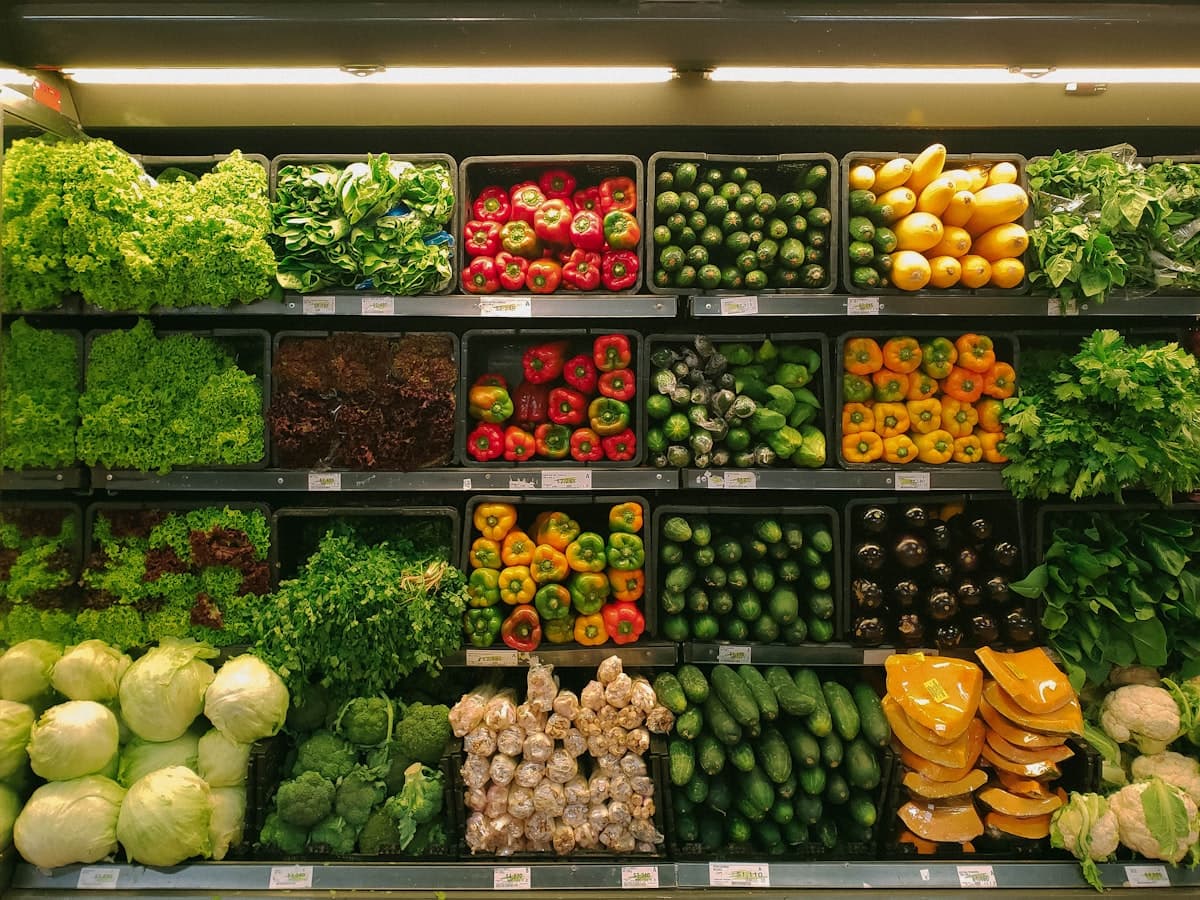
One of the biggest myths about healthy eating is that it has to be expensive. You don't need to shop at fancy organic markets or buy exotic superfoods to reduce inflammation. With smart shopping strategies and the right staples, you can build a powerful anti-inflammatory diet on any budget.
I've helped countless people transition to anti-inflammatory eating while actually spending less on groceries than they did before. The secret isn't complicated: buy whole foods in their most affordable forms, plan your meals, and avoid the overpriced processed "health" foods that aren't particularly healthy anyway.
Let's break down exactly how to stock your kitchen with inflammation-fighting foods without emptying your wallet.
The Budget-Friendly Anti-Inflammatory Staples
These are the workhorses of an affordable anti-inflammatory diet. They're nutritious, versatile, and offer excellent value for money.
Proteins That Won't Break the Bank
Dried Lentils and Beans
Lentils are possibly the best nutritional bargain in the grocery store. A one-pound bag costs around $1.50 to $2.00 and provides about 11 servings. They're packed with fiber, protein, and polyphenols that fight inflammation.
A 2020 study in Nutrients found that regular legume consumption is associated with lower levels of inflammatory markers like C-reactive protein. The resistant starch in lentils feeds beneficial gut bacteria, supporting overall anti-inflammatory effects.
Red lentils cook in just 15 minutes without soaking. Green and brown lentils take 25-30 minutes. Black beans, chickpeas, and kidney beans are equally affordable and anti-inflammatory, though they require soaking and longer cooking times (or buy canned for convenience).
Canned Sardines and Salmon
Fresh wild salmon is expensive, but canned salmon and sardines deliver the same omega-3 fatty acids at a fraction of the cost. A can of sardines costs $1.50 to $3.00 and provides over 1,000mg of EPA and DHA omega-3s.
Research published in the Journal of the American College of Cardiology shows that omega-3 fatty acids from fish significantly reduce inflammatory markers and cardiovascular risk. You don't need fresh fish to get these benefits.
Look for sardines packed in water or olive oil. Avoid soybean oil, which is inflammatory. Canned salmon with bones provides bonus calcium.
Eggs
At about $3.00 to $5.00 per dozen, eggs provide high-quality protein, choline, and antioxidants like lutein and zeaxanthin. While eggs were once demonized, current research shows that moderate egg consumption (up to one per day) doesn't increase inflammation in most people.
A 2020 meta-analysis in Nutrients concluded that egg consumption is not associated with increased inflammatory markers in healthy individuals. The key is how you cook them (poaching and soft-boiling are better than frying).
Plain Greek Yogurt
Store-brand plain Greek yogurt costs $4.00 to $6.00 for a large container (32 oz) and provides probiotics that support gut health and reduce inflammation. A 2017 study in the Journal of Nutrition found that yogurt consumption was associated with lower levels of inflammatory biomarkers.
Skip the flavored versions loaded with sugar. Buy plain and add your own frozen berries or a drizzle of honey.
Vegetables: Fresh, Frozen, and Canned
Frozen Spinach and Kale
A 16-ounce bag of frozen spinach costs about $1.50 and provides the same anti-inflammatory nutrients as fresh. Leafy greens are rich in vitamins A, C, K, and polyphenols that combat oxidative stress.
Frozen vegetables are flash-frozen at peak ripeness, often making them more nutritious than "fresh" produce that's been in transit and storage for days. A 2017 study in the Journal of Food Composition and Analysis found that frozen vegetables retained equal or higher levels of nutrients compared to fresh vegetables stored for several days.
Use frozen spinach salad in smoothies, omelets, soups, and pasta dishes. Frozen kale is equally versatile and affordable.
Cabbage and Carrots
Fresh cabbage costs less than $1.00 per pound and lasts weeks in the refrigerator. It's loaded with glucosinolates, which have anti-inflammatory and anticancer properties. Carrots are similarly affordable and provide beta-carotene, a powerful antioxidant.
Both vegetables are perfect for slaws, stir-fries, soups, and roasting. A single head of cabbage can make multiple meals.
Canned Tomatoes
A can of whole or diced tomatoes costs $1.00 to $2.00 and provides lycopene, an anti-inflammatory carotenoid. Interestingly, lycopene is more bioavailable from cooked and processed tomatoes than fresh.
Research in the British Journal of Nutrition shows that lycopene reduces inflammatory markers and oxidative stress. Stock up on canned tomatoes for sauces, soups, and stews.
Sweet Potatoes and Regular Potatoes
Sweet potatoes cost $0.80 to $1.50 per pound and are rich in beta-carotene, fiber, and anthocyanins (especially purple varieties). Regular potatoes are even cheaper and, when prepared properly (boiled or baked, not fried), are not inflammatory.
A 2016 study in the Journal of Nutritional Biochemistry found that potatoes contain kukoamines, compounds with anti-inflammatory properties. The key is avoiding fried preparations that create inflammatory advanced glycation end products.
Grains and Starches
Oats
Old-fashioned or steel-cut oats cost $3.00 to $5.00 for a large container that provides 30+ servings. Oats are rich in beta-glucan, a soluble fiber that reduces inflammation.
A 2015 meta-analysis in the American Journal of Clinical Nutrition found that oat consumption significantly reduced inflammatory markers and improved cardiovascular health. Avoid instant oats with added sugars.
Brown Rice and Quinoa
While quinoa is pricier, brown rice is extremely affordable at around $2.00 per pound. Both are whole grains with anti-inflammatory properties. Buy in bulk for better prices.
If quinoa is too expensive, skip it. Brown rice, farro, barley, and bulgur wheat provide similar benefits at lower cost.
Whole Wheat Pasta
Whole wheat pasta costs only slightly more than regular pasta (about $1.50 to $2.50 per pound) and provides more fiber and nutrients. It's a budget-friendly base for anti-inflammatory meals with vegetables and olive oil.
Healthy Fats
Olive Oil
Extra virgin olive oil seems expensive upfront ($8.00 to $15.00 per bottle), but a little goes a long way. One bottle lasts weeks and provides powerful anti-inflammatory compounds like oleocanthal.
This is one item worth spending a bit more on. As detailed in The Complete List of Anti-Inflammatory Foods 2026, high-quality olive oil is one of the most potent anti-inflammatory foods available.
Ground Flaxseed
A bag of ground flaxseed costs $4.00 to $6.00 and provides plant-based omega-3 fatty acids (ALA), lignans, and fiber. Add a tablespoon to smoothies, oatmeal, or yogurt for an anti-inflammatory boost.
Fruits on a Budget
Frozen Berries
Fresh berries can cost $5.00 to $8.00 per pint, but frozen berries are usually $3.00 to $5.00 per pound. They contain the same antioxidants and anti-inflammatory polyphenols as fresh.
Berries are among the most anti-inflammatory fruits due to their high anthocyanin content. A 2019 study in Advances in Nutrition found that berry consumption reduces inflammatory markers and oxidative stress.
Bananas and Apples
These are typically the cheapest fresh fruits at $0.50 to $1.00 per pound. While not as antioxidant-rich as berries, they provide fiber, potassium, and polyphenols. Apples contain quercetin, an anti-inflammatory flavonoid.
Citrus Fruits
Oranges, grapefruits, and lemons are affordable sources of vitamin C and flavonoids. A bag of oranges costs $4.00 to $6.00 and lasts over a week. Vitamin C supports immune function and reduces oxidative stress.
Herbs, Spices, and Flavor
Garlic and Ginger
Fresh garlic costs less than $1.00 per bulb and provides allicin, a sulfur compound with anti-inflammatory properties. Fresh ginger root is similarly affordable and contains gingerols that reduce inflammation.
A 2020 review in Phytotherapy Research confirmed that both garlic and ginger significantly reduce inflammatory markers in clinical studies.
Dried Herbs and Spices
Turmeric, cinnamon, oregano, rosemary, and black pepper are inexpensive and powerfully anti-inflammatory. Store brands cost $2.00 to $4.00 and last months.
For more on using these effectively, see Anti-Inflammatory Spice Guide with Recipes.
Smart Shopping Strategies
Beyond choosing the right foods, how you shop matters just as much for staying on budget.
Buy Seasonal Produce
Seasonal fruits and vegetables cost significantly less than out-of-season varieties. In summer, buy berries and stone fruits. In fall and winter, focus on apples, citrus, squash, and root vegetables.
Farmers' markets often offer better prices than grocery stores, especially toward the end of the market day when vendors want to sell remaining inventory.
Frozen vs. Fresh: When to Choose What
Choose Frozen For:
- Berries (unless in season)
- Leafy greens you'll cook
- Vegetables you'll use in soups and stir-fries
- Fish (wild salmon fillets)
Choose Fresh For:
- Produce you'll eat raw (salads)
- Vegetables that don't freeze well (cucumbers, tomatoes for fresh eating)
- Whatever's on sale or in season
Don't fall for the myth that fresh is always better. Nutritionally, frozen is often superior.
Store Brand vs. Name Brand
For most items, store brands are identical to name brands, often made in the same facilities. Save 20-40% by choosing store brands for:
- Canned goods (tomatoes, beans, fish)
- Frozen vegetables and fruits
- Grains (rice, oats, pasta)
- Dairy (milk, yogurt, cheese)
- Spices and herbs
Splurge on name brands only when there's a meaningful quality difference, like extra virgin olive oil or wild-caught salmon.
Bulk Buying Strategies
Buying in bulk saves money, but only if you'll actually use everything before it spoils. Smart bulk purchases include:
- Dried beans, lentils, and grains (store in airtight containers)
- Nuts and seeds (freeze to prevent rancidity)
- Olive oil (if you use it regularly)
- Canned goods (tomatoes, fish, beans)
- Frozen vegetables and berries
Warehouse stores like Costco offer great prices on items like frozen wild salmon, olive oil, nuts, and organic greens. Split bulk purchases with friends if quantities are too large.
Shop Sales and Use Coupons
Check weekly store circulars and plan meals around what's on sale. Stock up on non-perishables when prices are low. Many stores offer digital coupons through their apps.
Avoid shopping while hungry, which leads to impulse purchases of expensive processed foods.
Sample Weekly Grocery List with Approximate Prices
Here's a realistic shopping list for one person eating anti-inflammatory meals for a week, totaling around $50-$60:
Proteins ($15-18)
- 1 dozen eggs: $4.00
- 1 lb dried lentils: $2.00
- 2 cans sardines: $5.00
- 1 lb ground turkey (sale): $4.00
- 32 oz plain Greek yogurt: $5.00
Vegetables ($12-15)
- 1 bag frozen spinach: $1.50
- 1 bag frozen broccoli: $1.50
- 1 head cabbage: $2.00
- 1 lb carrots: $1.50
- 2 cans diced tomatoes: $2.00
- 1 onion: $0.50
- 1 bulb garlic: $0.75
- 2 sweet potatoes: $2.00
Fruits ($8-10)
- 1 lb frozen berries: $4.00
- 6 bananas: $1.50
- 1 bag apples: $4.00
Grains/Starches ($6-8)
- 1 container old-fashioned oats: $3.50
- 1 lb brown rice: $2.00
- 1 box whole wheat pasta: $2.00
Fats/Condiments ($6-8)
- 1 bottle extra virgin olive oil (buy every 3-4 weeks): $12.00 ÷ 3 = $4.00
- 1 bag ground flaxseed (buy monthly): $5.00 ÷ 4 = $1.25
Herbs/Spices (as needed, $2-4)
- Fresh ginger: $1.00
- Turmeric (if needed): $3.00 (lasts months)
Total: $51-63 per week
This provides about 1,800-2,000 calories per day of anti-inflammatory foods. Adjust quantities based on your caloric needs and household size.
Meal Planning to Reduce Waste
The biggest budget killer is food waste. Americans throw away about 30-40% of the food they buy. Meal planning prevents this.
Plan Your Week
Sunday: Spend 20 minutes planning meals for the week. Check what you already have and build meals around those ingredients.
Monday-Friday: Follow your plan. If something comes up and you can't cook, use leftovers or a freezer meal.
Saturday: Flexible day for leftovers or eating out.
Cook Once, Eat Multiple Times
Batch cooking saves time and money. Make large batches and repurpose throughout the week:
- Cook a big pot of lentil soup on Sunday. Eat for lunch Monday-Wednesday.
- Roast a whole chicken. Use for dinner, then make sandwiches and soup from leftovers.
- Make a large batch of brown rice. Use for grain bowls, stir-fries, and sides all week.
- Prep overnight oats in mason jars for grab-and-go breakfasts.
For specific meal prep strategies, check out Meal Prep Anti-Inflammatory Lunches.
Use Everything
Vegetable scraps: Save onion skins, carrot tops, and celery ends in a freezer bag. When full, make vegetable stock.
Greens stems: Kale and chard stems are edible. Chop finely and add to soups and stir-fries.
Leftover herbs: Blend into pesto or chimichurri. Freeze in ice cube trays with olive oil.
Overripe bananas: Freeze for smoothies or banana bread.
Stale bread: Make breadcrumbs or croutons.
Budget-Friendly Meal Ideas
Here are simple, affordable anti-inflammatory meals using the staples above:
Breakfast ($1-2 per serving)
- Oatmeal with frozen berries, ground flaxseed, and cinnamon
- Greek yogurt parfait with banana and walnuts
- Scrambled eggs with spinach and tomatoes
- Overnight oats with chia seeds and apples
For more ideas, see Anti-Inflammatory Breakfast Ideas That Actually Taste Good.
Lunch ($2-3 per serving)
- Lentil soup with carrots, celery, and tomatoes
- Sardine salad on whole grain crackers
- Leftover dinner portions
- Quinoa bowl with roasted vegetables and olive oil
Dinner ($3-4 per serving)
- Baked salmon (canned) with roasted sweet potato and broccoli
- Turkey and vegetable stir-fry over brown rice
- Pasta with tomato sauce, white beans, and kale
- Egg fried rice with frozen vegetables
- Sheet pan chicken with cabbage and carrots
Snacks ($0.50-1 per serving)
- Apple with almond butter
- Carrot sticks with hummus (homemade from canned chickpeas)
- Hard-boiled eggs
- Greek yogurt
- Handful of nuts
What You Can Skip
You don't need expensive "superfoods" to eat anti-inflammatory. Skip these overpriced items:
Acai and Goji Berries: Regular frozen blueberries and strawberries provide similar antioxidants at a fraction of the cost.
Specialty Grains: Quinoa and farro are nice, but brown rice and oats are just as healthy.
Organic Everything: Focus on buying organic for the "Dirty Dozen" (foods with high pesticide residues like strawberries and spinach). Conventional is fine for foods with thick peels or low pesticide levels.
Fancy Nut Butters: Almond butter costs 2-3x more than peanut butter and isn't significantly more anti-inflammatory.
Pre-Cut Vegetables: You're paying 3-4x more for someone to chop your vegetables. Do it yourself and save.
Bottled Smoothies and Juices: Make your own with frozen fruit for a fraction of the cost and without added sugars.
The Bottom Line
Eating an anti-inflammatory diet on a budget is absolutely possible. The key principles are:
- Focus on whole foods in their most affordable forms (dried, canned, frozen)
- Plan your meals and shop with a list
- Buy seasonal produce and take advantage of sales
- Cook at home and batch cook to save time
- Minimize food waste through smart planning and storage
You don't need expensive supplements, exotic superfoods, or organic everything. Simple, whole foods like lentils, frozen vegetables, canned fish, oats, and olive oil form the foundation of a powerful anti-inflammatory diet that costs less than the typical American diet of processed foods and restaurant meals.
Start with the staples listed above, use the shopping strategies, and watch your grocery bill drop while your health improves. For a structured approach to planning your meals, see Anti-Inflammatory Meal Plan: 7 Days of Recipes.
Sources
-
Reverri EJ, et al. Pulses improve biomarkers of cardiometabolic health and reduce markers of inflammation in adults: a systematic review and meta-analysis. Nutrients. 2020. https://pubmed.ncbi.nlm.nih.gov/33266283/
-
Mozaffarian D, Wu JH. Omega-3 fatty acids and cardiovascular disease: effects on risk factors, molecular pathways, and clinical events. Journal of the American College of Cardiology. 2011. https://pubmed.ncbi.nlm.nih.gov/22018466/
-
Zhu Y, et al. Egg consumption and markers of inflammation: a systematic review and meta-analysis. Nutrients. 2020. https://pubmed.ncbi.nlm.nih.gov/32823651/
-
Pei R, et al. Low-fat yogurt consumption reduces biomarkers of chronic inflammation and inhibits markers of endotoxin exposure in healthy premenopausal women: a randomized controlled trial. Journal of Nutrition. 2017. https://pubmed.ncbi.nlm.nih.gov/28615377/
-
Bouzari A, et al. Vitamin retention in eight fruits and vegetables: a comparison of refrigerated and frozen storage. Journal of Food Composition and Analysis. 2015. https://www.sciencedirect.com/science/article/abs/pii/S0889157514002196
-
Burton-Freeman B, Sesso HD. Whole food versus supplement: comparing the clinical evidence of tomato intake and lycopene supplementation on cardiovascular risk factors. British Journal of Nutrition. 2014. https://pubmed.ncbi.nlm.nih.gov/24571090/
-
Camire ME, et al. Potatoes and human health. Critical Reviews in Food Science and Nutrition. 2009. https://pubmed.ncbi.nlm.nih.gov/19856015/
-
Whitehead A, et al. Cholesterol-lowering effects of oat β-glucan: a meta-analysis of randomized controlled trials. American Journal of Clinical Nutrition. 2014. https://pubmed.ncbi.nlm.nih.gov/25411276/
-
Kalt W, et al. Recent research on the health benefits of blueberries and their anthocyanins. Advances in Nutrition. 2020. https://pubmed.ncbi.nlm.nih.gov/31329250/
-
Arreola R, et al. Immunomodulation and anti-inflammatory effects of garlic compounds. Journal of Immunology Research. 2015. https://pubmed.ncbi.nlm.nih.gov/25961060/