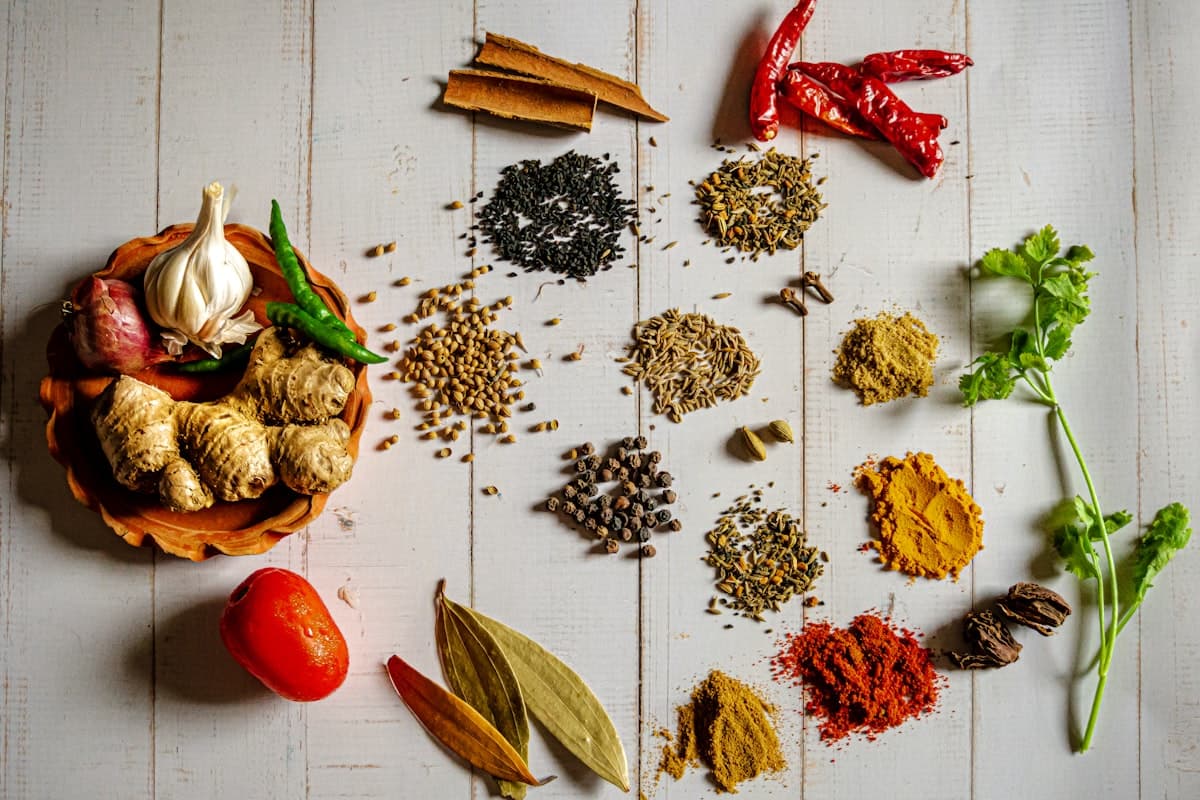
Your spice cabinet is probably one of the most underutilized tools in your anti-inflammatory arsenal. While most people think of spices as flavor enhancers, the reality is that many contain compounds as powerful as pharmaceutical anti-inflammatory drugs, minus the side effects.
The research on anti-inflammatory spices is extensive and impressive. From turmeric's curcumin to ginger's gingerols, these concentrated plant compounds can significantly reduce inflammatory markers when used regularly and in the right amounts. The key is understanding which spices work, how they work, and how to actually incorporate them into your daily routine.
Let me walk you through the most powerful anti-inflammatory spices, the science behind them, and practical ways to use them every day.
Turmeric: The Golden Standard
Turmeric is the most researched anti-inflammatory spice, and for good reason. Its active compound, curcumin, has been shown in over 7,000 peer-reviewed studies to reduce inflammation through multiple pathways.
The Science Behind Turmeric
Curcumin inhibits NF-kB, a protein complex that plays a key role in inflammatory responses. When NF-kB is activated (by stress, toxins, or inflammatory foods), it triggers the production of inflammatory cytokines. Curcumin blocks this activation.
A 2017 meta-analysis published in Drug Design, Development and Therapy analyzed data from 15 randomized controlled trials and found that curcumin supplementation significantly reduced C-reactive protein (CRP), a key marker of systemic inflammation. The effect was comparable to some NSAIDs (non-steroidal anti-inflammatory drugs) like ibuprofen.
Another 2012 study in Phytotherapy Research compared curcumin to diclofenac (a prescription anti-inflammatory drug) in patients with rheumatoid arthritis. The curcumin group showed improvement equal to the drug group, without the gastrointestinal side effects.
The Bioavailability Problem and Solution
The challenge with turmeric is bioavailability. Curcumin is poorly absorbed in the digestive tract, and what little is absorbed is rapidly metabolized and eliminated.
The solution is piperine, a compound in black pepper that inhibits the enzymes that break down curcumin. A landmark 1998 study in Planta Medica showed that adding just 20mg of piperine (about 1/4 teaspoon of black pepper) increased curcumin absorption by 2,000%.
Fat also enhances curcumin absorption since it's fat-soluble. Consuming turmeric with healthy fats like olive oil or avocado improves uptake.
How Much and How to Use It
Effective dosage: 1-2 teaspoons of turmeric powder daily (about 500-1,000mg of curcumin, assuming 3% curcumin content)
How to maximize effectiveness:
- Always pair with black pepper (at least 1/4 teaspoon)
- Consume with healthy fats
- Heat enhances availability (golden milk, curries)
- Use fresh turmeric root when available (grate into dishes)
Practical uses:
- Turmeric latte (golden milk) with black pepper and coconut milk
- Add to curries, soups, and stews
- Mix into scrambled eggs or omelets
- Blend into smoothies with ginger and black pepper
- Make turmeric rice by adding 1/2 teaspoon to cooking water
- Roast vegetables with turmeric, black pepper, and olive oil
For more on powerful anti-inflammatory compounds, see Turmeric, Omega-3, and Polyphenols: The Big Three Anti-Inflammatory Compounds.
Ginger: The Digestive Healer
Ginger has been used medicinally for thousands of years, and modern science confirms its powerful anti-inflammatory properties. The active compounds, gingerols and shogaols, inhibit inflammatory pathways and reduce oxidative stress.
The Science Behind Ginger
A 2015 systematic review in the Journal of Medicinal Food analyzed 16 clinical trials and concluded that ginger significantly reduces inflammatory markers including CRP, TNF-alpha, and IL-6. The effects were most pronounced in doses of 1-3 grams per day.
Ginger is particularly effective for inflammation related to osteoarthritis and muscle pain. A 2010 study in the Journal of Pain found that daily ginger consumption reduced exercise-induced muscle pain by 25%.
Additionally, ginger supports gut health by promoting healthy digestion and reducing intestinal inflammation. Since 70% of your immune system lives in your gut, supporting digestive health has system-wide anti-inflammatory effects. For more on this, see Anti-Inflammatory Foods for Gut Health.
How Much and How to Use It
Effective dosage: 1-3 grams daily (about 1/2 to 1 teaspoon of dried ginger powder, or a 1-inch piece of fresh ginger)
Practical uses:
- Grate fresh ginger into stir-fries, soups, and marinades
- Steep fresh ginger slices in hot water for ginger tea
- Add ground ginger to smoothies and baked goods
- Make fresh ginger juice and add to dressings
- Combine with turmeric for synergistic anti-inflammatory effects
- Add to lentil soup or curries
Ginger-turmeric tea recipe:
- 1-inch piece fresh ginger, sliced
- 1-inch piece fresh turmeric, sliced (or 1 tsp dried)
- 2 cups water
- Juice of 1/2 lemon
- 1/4 teaspoon black pepper
- Optional: 1 teaspoon honey
Simmer ginger and turmeric in water for 10 minutes. Strain, add lemon juice and black pepper. This simple tea delivers powerful anti-inflammatory compounds.
Cinnamon: Blood Sugar and Inflammation Control
Cinnamon isn't just for desserts. This sweet spice contains cinnamaldehyde and other polyphenols that reduce inflammation and improve metabolic health.
The Science Behind Cinnamon
A 2020 meta-analysis in Clinical Nutrition reviewed 16 randomized controlled trials and found that cinnamon supplementation significantly reduced inflammatory markers, particularly CRP and TNF-alpha.
Cinnamon also improves insulin sensitivity and reduces blood sugar spikes after meals. Since elevated blood sugar triggers inflammation (as covered in Sugar and Inflammation: The Complete Breakdown), cinnamon's blood sugar-regulating effects indirectly reduce inflammation.
A 2003 study in Diabetes Care found that consuming just 1 gram of cinnamon daily (about 1/2 teaspoon) for 40 days reduced fasting blood glucose by 18-29% in people with type 2 diabetes.
Types of Cinnamon: Ceylon vs. Cassia
Ceylon cinnamon (true cinnamon) is lower in coumarin, a compound that can be harmful in large doses. It's more expensive and has a sweeter, more delicate flavor.
Cassia cinnamon is the common variety sold in most grocery stores. It's stronger-flavored and contains more coumarin. For occasional use, it's fine. For daily consumption of more than 1 teaspoon, choose Ceylon.
How Much and How to Use It
Effective dosage: 1/2 to 2 teaspoons daily
Practical uses:
- Add to steel-cut oats or overnight oats
- Sprinkle on Greek yogurt with berries
- Mix into coffee or tea
- Add to smoothies
- Use in savory dishes (Moroccan tagines, curries, chili, anti-inflammatory meal prep lunches)
- Make cinnamon-roasted sweet potatoes or carrots
- Add to homemade nut butter
Cayenne Pepper: Heat That Heals
Cayenne and other hot peppers contain capsaicin, the compound responsible for their heat and their anti-inflammatory effects.
The Science Behind Cayenne
Capsaicin works differently than other anti-inflammatory compounds. It depletes substance P, a neurotransmitter involved in pain and inflammation signals. This is why capsaicin creams are used topically for arthritis and nerve pain.
When consumed, capsaicin activates TRPV1 receptors, which paradoxically reduces inflammation and pain over time. A 2016 review in Molecules concluded that capsaicin has significant anti-inflammatory effects through multiple mechanisms including reducing inflammatory cytokines and oxidative stress.
Capsaicin may also boost metabolism and reduce appetite, supporting weight management. Since excess body fat promotes inflammation, this is an added benefit.
How Much and How to Use It
Effective dosage: 1/4 to 1/2 teaspoon daily (start small if you're not used to spicy food)
Practical uses:
- Add to soups, stews, and chili
- Mix into marinades for chicken or fish
- Sprinkle on roasted vegetables
- Add a pinch to hot chocolate (Mexican-style)
- Mix into hummus or guacamole
- Use in spice rubs for meat
Start slowly: If you're not accustomed to spicy food, start with a small pinch and gradually increase. Capsaicin sensitivity varies widely between individuals.
Rosemary: Memory and Inflammation
Rosemary contains carnosic acid and rosmarinic acid, powerful antioxidants and anti-inflammatory compounds. Research also suggests rosemary supports brain health and memory.
The Science Behind Rosemary
A 2016 study in Oncotarget found that carnosic acid from rosemary activates Nrf2, a protein that regulates antioxidant responses and reduces inflammation. This mechanism protects against oxidative damage in the brain and throughout the body.
Rosmarinic acid inhibits the production of inflammatory leukotrienes and has been shown in studies to reduce allergic and inflammatory responses.
How Much and How to Use It
Effective dosage: 1-2 teaspoons of dried rosemary or a few fresh sprigs daily
Practical uses:
- Add to roasted vegetables (potatoes, carrots, squash)
- Use in marinades for chicken, lamb, or fish
- Infuse into olive oil for dipping or cooking
- Add to soups and stews (remove woody sprigs before serving)
- Make rosemary tea by steeping fresh sprigs in hot water
- Mix into bread dough or focaccia
Garlic: The Immune-Boosting Bulb
While technically not a spice, garlic deserves mention for its powerful anti-inflammatory effects. Fresh garlic contains allicin, a sulfur compound formed when garlic is crushed or chopped.
The Science Behind Garlic
A 2020 review in the Journal of Immunology Research found that garlic compounds significantly reduce inflammatory markers and support immune function. Aged garlic extract in particular has been studied for cardiovascular benefits.
Allicin inhibits NF-kB (like curcumin) and reduces production of inflammatory cytokines. A 2013 study showed that regular garlic consumption reduced inflammatory markers in overweight individuals.
How to Maximize Allicin
Allicin is formed when the enzyme alliinase (present in garlic cells) comes into contact with alliin (also in garlic). This happens when you crush, chop, or chew garlic.
Key tip: Chop or crush garlic and let it sit for 10 minutes before cooking. This allows allicin to fully form. Cooking immediately after chopping destroys the enzyme before allicin can develop.
How Much and How to Use It
Effective dosage: 1-2 cloves daily (or more if you enjoy it)
Practical uses:
- Add raw to salad dressings and dips
- Sauté as a base for soups, stews, and stir-fries
- Roast whole bulbs and spread on bread
- Add to marinades
- Make garlic-herb butter
- Blend into pesto or chimichurri
Black Pepper: More Than a Bioavailability Booster
Black pepper contains piperine, which not only enhances curcumin absorption but also has its own anti-inflammatory properties.
The Science Behind Black Pepper
Research in Critical Reviews in Food Science and Nutrition found that piperine has antioxidant and anti-inflammatory effects independent of its role in enhancing other compounds. It inhibits inflammatory enzymes and reduces oxidative stress.
How Much and How to Use It
Effective dosage: 1/4 to 1/2 teaspoon daily
Practical uses:
- Add to virtually any savory dish
- Pair with turmeric in all applications
- Use in spice blends and rubs
- Add to smoothies (you won't taste it with other strong flavors)
- Season roasted vegetables and proteins
Cloves and Oregano: Honorable Mentions
Cloves contain eugenol, a compound with powerful anti-inflammatory and analgesic properties. Studies show eugenol reduces inflammatory markers and oxidative stress. Use cloves in baking, chai tea, and spice blends (1/4 teaspoon or a few whole cloves daily).
Oregano is rich in carvacrol and rosmarinic acid. A 2014 study found that oregano extract reduced inflammatory markers in mice with colitis. Use fresh or dried oregano liberally in Mediterranean dishes, tomato sauces, and roasted vegetables (1-2 teaspoons daily).
Four Simple Anti-Inflammatory Spice Recipes
1. Golden Milk Turmeric Latte
Ingredients:
- 2 cups coconut milk or almond milk
- 1 teaspoon turmeric powder
- 1/2 teaspoon cinnamon
- 1/4 teaspoon ginger powder
- 1/4 teaspoon black pepper
- 1 teaspoon honey or maple syrup (optional)
- Pinch of cayenne (optional)
Instructions: Whisk all ingredients in a small saucepan over medium heat. Simmer for 3-4 minutes, whisking occasionally. Strain if desired. Drink warm before bed or as an afternoon anti-inflammatory boost.
This turmeric latte delivers powerful anti-inflammatory compounds in a delicious, comforting drink.
2. Anti-Inflammatory Spice Blend
Ingredients:
- 4 tablespoons turmeric powder
- 2 tablespoons ginger powder
- 2 tablespoons cinnamon
- 1 tablespoon black pepper
- 1 tablespoon garlic powder
- 1 teaspoon cayenne pepper
Instructions: Mix all spices and store in an airtight jar. Use 1-2 teaspoons daily in:
- Scrambled eggs or omelets
- Roasted vegetables
- Soups and stews
- Marinades for chicken or fish
- Grain bowls with quinoa or brown rice
This blend makes it easy to get multiple anti-inflammatory spices in one go.
3. Ginger-Turmeric Immunity Shot
Ingredients:
- 2-inch piece fresh ginger
- 2-inch piece fresh turmeric (or 1 tsp dried)
- 1 lemon, juiced
- 1/4 teaspoon black pepper
- Pinch of cayenne
- 1 teaspoon honey (optional)
Instructions: Juice or blend ginger and turmeric with a small amount of water. Strain through a fine mesh strainer. Add lemon juice, black pepper, and cayenne. Stir in honey if using. Take as a 2-ounce shot in the morning.
This concentrated dose delivers powerful anti-inflammatory compounds to start your day.
4. Anti-Inflammatory Spice Rub for Chicken or Fish
Ingredients:
- 2 tablespoons dried rosemary
- 1 tablespoon turmeric
- 1 tablespoon garlic powder
- 1 tablespoon black pepper
- 1 tablespoon paprika (or smoked paprika)
- 1 teaspoon cayenne
- 2 teaspoons sea salt
Instructions: Grind rosemary in a spice grinder if using whole leaves. Mix all ingredients. Rub onto wild salmon, grilled chicken, or any protein before cooking. Store extra in an airtight container.
This rub adds flavor while delivering anti-inflammatory compounds. Use it with low-AGE cooking methods like baking or poaching (see Anti-Inflammatory Cooking Methods Ranked for details).
Practical Tips for Using Anti-Inflammatory Spices Daily
Start Your Day with Spices
Add cinnamon and ginger to your morning steel-cut oats or smoothie. Make golden milk as a morning tonic. Include turmeric in scrambled eggs.
Keep a Spice Blend Ready
Make the anti-inflammatory spice blend above and keep it by the stove. Add it to nearly every savory dish you cook. This ensures you're getting multiple spices daily without thinking about it.
Brew Spice Teas
Keep fresh ginger, turmeric root, and cinnamon sticks on hand. Steep in hot water for 10 minutes for an instant anti-inflammatory tea. Add lemon and honey for flavor.
Add to Smoothies
Turmeric, ginger, cinnamon, and black pepper blend seamlessly into fruit smoothies. You won't taste them strongly, but you'll get the benefits. Pair with healthy fats like avocado or coconut milk for better absorption.
Season Liberally
Don't be shy with anti-inflammatory spices. Unlike processed seasonings full of sodium and additives, pure spices are medicine. Add them generously to vegetables, proteins, grains, and soups.
Combine for Synergy
Many anti-inflammatory compounds work synergistically. Turmeric + black pepper, ginger + turmeric, and garlic + rosemary all enhance each other's effects. Use combinations whenever possible.
Precautions and Considerations
While spices are generally safe, there are some considerations:
Medication interactions: Turmeric and ginger have mild blood-thinning effects. If you take anticoagulants (warfarin, aspirin, etc.), consult your doctor before consuming large amounts.
Digestive sensitivity: Start with small amounts if you have a sensitive stomach. Too much cayenne or ginger on an empty stomach can cause discomfort.
Pregnancy: Moderate culinary use of spices is fine during pregnancy, but avoid high-dose supplements without medical guidance.
Quality matters: Buy spices from reputable sources. Some imported turmeric has been found contaminated with lead. Organic spices reduce pesticide exposure.
Freshness counts: Spices lose potency over time. Buy in smaller quantities and replace annually. Whole spices stay fresh longer than ground. Grind as needed for maximum benefit.
Best Anti-Inflammatory Spices Ranked by Research
We reviewed the clinical trial data to rank the most studied anti-inflammatory spices by the strength and consistency of their evidence. This isn't about which spice is "best" in some abstract sense. It's about which ones have the most reliable human research behind them.
1. Turmeric (Curcumin) - Strongest Evidence Over 7,000 peer-reviewed studies. Multiple meta-analyses confirm curcumin reduces CRP, IL-6, and TNF-alpha. Effective dosage: 500-2,000mg curcumin daily (1-2 teaspoons turmeric powder with black pepper). The research on turmeric is deeper than any other spice, and the effect sizes in clinical trials are comparable to some pharmaceutical anti-inflammatories. For a full deep dive, see the turmeric section below or our article on the big three anti-inflammatory compounds.
2. Ginger (Gingerols, Shogaols) - Very Strong Evidence Over 100 clinical trials. Systematic reviews confirm reductions in CRP, TNF-alpha, and IL-6. Particularly effective for osteoarthritis pain, muscle soreness, and digestive inflammation. Effective dosage: 1-3 grams daily.
3. Cinnamon (Cinnamaldehyde) - Strong Evidence Multiple meta-analyses show reductions in CRP and TNF-alpha. Strong evidence for blood sugar regulation, which indirectly reduces inflammation. Effective dosage: 1/2 to 2 teaspoons daily. Ceylon cinnamon is preferred for daily use due to lower coumarin content.
4. Garlic (Allicin) - Strong Evidence Clinical trials show reduced inflammatory markers and improved cardiovascular health. Aged garlic extract is the most studied form. Effective dosage: 1-2 cloves daily (crushed and rested 10 minutes before cooking).
5. Cayenne/Chili Peppers (Capsaicin) - Moderate-Strong Evidence Good evidence for pain reduction through substance P depletion. Topical capsaicin is FDA-approved for arthritis pain. Dietary studies show systemic anti-inflammatory effects at 1/4 to 1/2 teaspoon daily.
6. Rosemary (Carnosic Acid, Rosmarinic Acid) - Moderate Evidence Lab and animal studies are very strong. Human clinical trials are growing but fewer in number. Evidence points to Nrf2 activation and antioxidant protection. Effective dosage: 1-2 teaspoons dried or a few fresh sprigs daily.
7. Black Pepper (Piperine) - Moderate Evidence Well-established as a bioavailability enhancer (especially for curcumin). Independent anti-inflammatory effects are supported by smaller studies. Effective dosage: 1/4 to 1/2 teaspoon daily.
8. Cloves (Eugenol) - Moderate Evidence Strong analgesic and anti-inflammatory properties documented in dental and pain research. Fewer large-scale dietary trials, but the active compound eugenol is well-studied. Effective dosage: 1/4 teaspoon or a few whole cloves daily.
9. Oregano (Carvacrol) - Emerging Evidence Promising lab and animal research. Fewer human clinical trials. Carvacrol shows strong anti-inflammatory activity in vitro. Regular dietary use likely contributes to overall anti-inflammatory effect of Mediterranean eating patterns.
The takeaway: turmeric and ginger have the deepest research base, but all of these spices contribute meaningfully to reducing inflammation. Using a combination daily is more effective than relying on any single spice.
Anti-Inflammatory Herbs and Spices for Daily Cooking
Dried spices get most of the attention, but fresh herbs are anti-inflammatory powerhouses that deserve a bigger role in your kitchen. They're also one of the easiest ways to make healthy food taste genuinely good.
Basil Fresh basil contains eugenol (the same compound found in cloves), along with rosmarinic acid and other polyphenols. A study in the Journal of Advanced Pharmaceutical Technology and Research found that basil extracts inhibited COX-2, the same enzyme targeted by ibuprofen. Add fresh basil to salads, pasta, grain bowls, and sandwiches. Thai basil works beautifully in stir-fries and curries. For maximum benefit, add basil at the end of cooking or use it raw, since heat degrades some of its active compounds.
Oregano Fresh oregano has four times the antioxidant activity of blueberries per gram. Its primary compound, carvacrol, inhibits inflammatory pathways and has antimicrobial properties. Use fresh oregano in Mediterranean dishes, tomato sauces, roasted vegetables, and homemade salad dressings. Dried oregano retains much of its potency, making it one of the best shelf-stable herb options.
Thyme Thymol, the main active compound in thyme, has documented anti-inflammatory and antimicrobial properties. Thyme pairs well with roasted chicken, soups, and root vegetables. Fresh thyme sprigs can be steeped in hot water for a soothing tea. Add it to lentil soup or white bean stew for both flavor and anti-inflammatory benefit.
Parsley Often treated as a garnish, parsley actually contains apigenin, a flavonoid that inhibits NF-kB (the same inflammatory pathway that curcumin targets). It's also rich in vitamin C, vitamin K, and folate. Use it generously in tabbouleh, chimichurri, pesto variations, and as a finishing herb on soups and grain bowls.
Cilantro Cilantro (and its seeds, known as coriander) contains linalool and other terpenes with anti-inflammatory activity. Research published in Food Chemistry showed that cilantro extracts reduced inflammatory markers in lab studies. If you're one of the people who thinks cilantro tastes like soap (it's genetic), substitute parsley or basil.
Mint Fresh mint contains rosmarinic acid and menthol, both of which have anti-inflammatory properties. Beyond teas and desserts, mint works surprisingly well in savory dishes: add it to grain bowls, cucumber salads, lamb dishes, and smoothies. Mint tea after a meal supports digestion and reduces intestinal inflammation.
How to Use More Fresh Herbs Buy herbs with roots attached (they last longer). Store them upright in a glass of water in the fridge, loosely covered with a plastic bag. Or grow a small indoor herb garden with basil, mint, and parsley on a sunny windowsill. When you have fresh herbs within arm's reach, you'll use them constantly. Toss a handful into almost anything you're cooking, from breakfast scrambles to dinner bowls.
Turmeric as an Anti-Inflammatory: What the Research Shows
Turmeric deserves its own deeper section because it's the single most searched and most misunderstood anti-inflammatory spice. Let's separate what the science actually shows from the marketing hype.
What Curcumin Does in the Body
Curcumin (turmeric's primary active compound) works through at least four distinct anti-inflammatory mechanisms:
- It blocks NF-kB activation, which is the master switch for inflammatory gene expression. When NF-kB stays quiet, your body produces fewer inflammatory cytokines like IL-1, IL-6, and TNF-alpha.
- It inhibits COX-2 and LOX enzymes, the same targets as NSAIDs like ibuprofen and aspirin. This reduces prostaglandin and leukotriene production.
- It activates Nrf2, a protein that turns on your body's own antioxidant defense genes, boosting production of glutathione and other protective molecules.
- It modulates MAPK signaling pathways, which control cell growth, differentiation, and inflammatory responses.
No single pharmaceutical drug targets all four of these pathways simultaneously. That's what makes curcumin unique, and why the research interest is so intense.
What the Clinical Trials Actually Found
The 2017 meta-analysis we referenced earlier (Sahebkar et al.) pooled data from 15 randomized controlled trials and found that curcumin supplementation reduced CRP by an average of 2.2 mg/L. For context, CRP above 3.0 mg/L is considered high risk for cardiovascular disease. That's a clinically meaningful reduction.
The 2012 Phytotherapy Research study comparing curcumin to diclofenac in rheumatoid arthritis patients found that the curcumin group experienced similar improvement in disease activity scores, with no gastrointestinal side effects (diclofenac commonly causes stomach issues).
A 2021 systematic review in Phytomedicine analyzed 32 RCTs and concluded that curcumin consistently reduces inflammatory markers across a range of conditions, from metabolic syndrome to osteoarthritis to inflammatory bowel disease.
The Absorption Problem (and How to Solve It)
Raw curcumin has roughly 1% bioavailability, meaning almost all of it passes through your digestive system without being absorbed. This is the reason some people take turmeric supplements and feel no difference.
Three strategies dramatically improve absorption:
- Black pepper (piperine): Increases absorption by 2,000% according to the 1998 Planta Medica study. Always add a pinch of black pepper to anything containing turmeric.
- Fat: Curcumin is fat-soluble. Taking it with olive oil, coconut milk, or avocado significantly improves uptake. This is why golden milk (made with full-fat coconut milk) is more effective than dry-swallowing turmeric powder.
- Heat: Cooking turmeric for 10+ minutes increases the solubility of curcumin in water, making more of it available for absorption.
Turmeric vs. Curcumin Supplements
Whole turmeric contains about 3% curcumin by weight, but it also contains over 200 other compounds including turmerones, which may have independent anti-inflammatory effects. Research in Frontiers in Pharmacology found that whole turmeric extract was more effective than isolated curcumin in some animal models, suggesting the other compounds contribute meaningfully.
For most people, using 1-2 teaspoons of turmeric powder daily in cooking (with black pepper and fat) provides effective anti-inflammatory benefits. If you're dealing with a specific inflammatory condition and want higher doses, standardized curcumin supplements (look for those with piperine or phospholipid complexes) deliver more concentrated amounts. Talk to your doctor before starting high-dose supplementation, especially if you take blood thinners or other medications.
For a broader look at how turmeric fits into the overall anti-inflammatory picture alongside omega-3s and polyphenols, see our guide on the big three anti-inflammatory compounds.
The Bottom Line
Anti-inflammatory spices aren't magic bullets, but they're powerful tools when used consistently. The research clearly shows that compounds in turmeric, ginger, cinnamon, cayenne, rosemary, garlic, and other spices significantly reduce inflammatory markers and support overall health.
The key is daily use in meaningful amounts, not occasional sprinkles. Aim for at least 1-2 teaspoons of combined anti-inflammatory spices per day. Use the recipes and tips above to make this easy and delicious.
Combine your spice use with an overall anti-inflammatory diet rich in whole foods, as detailed in The Complete List of Anti-Inflammatory Foods and our beginner's guide to the anti-inflammatory diet. For cooking technique guidance, see Anti-Inflammatory Cooking Methods Ranked.
Your spice cabinet is a pharmacy. Use it wisely, and watch your inflammation levels drop.
Frequently Asked Questions
What is the most anti-inflammatory spice?
Turmeric is the most researched anti-inflammatory spice due to its curcumin content. However, ginger, cinnamon, and cloves also have powerful anti-inflammatory properties. Using a variety provides the best results.
How much turmeric should I take daily for inflammation?
Studies suggest 500-2,000mg of curcumin daily for anti-inflammatory effects. Since turmeric is about 3% curcumin, this equals roughly 1-2 teaspoons of turmeric powder daily. Always pair with black pepper to enhance absorption.
Can spices really reduce inflammation or is it just hype?
The science is solid. Multiple clinical trials show that compounds in spices like curcumin, gingerols, and cinnamaldehyde significantly reduce inflammatory markers when consumed regularly in meaningful amounts.
What are the best anti-inflammatory herbs for cooking?
Fresh basil, oregano, rosemary, thyme, and parsley all contain anti-inflammatory compounds. Basil has eugenol, oregano has carvacrol, and rosemary has carnosic acid. Using fresh herbs daily adds up to meaningful anti-inflammatory benefits.
Is fresh turmeric better than turmeric powder?
Fresh turmeric root contains a broader range of compounds beyond just curcumin, including turmerones that may have additional benefits. However, turmeric powder is more concentrated and convenient for daily use. Both are effective when paired with black pepper and fat.
Can I get enough anti-inflammatory benefit from spices in food, or do I need supplements?
For general inflammation reduction and prevention, culinary doses of spices (1-2 teaspoons daily of a mix) are effective and well-supported by research. Supplements may be helpful for specific conditions, but food-based spices provide a broader range of beneficial compounds.
Sources
-
Sahebkar A, et al. Effect of curcuminoids on oxidative stress: a systematic review and meta-analysis of randomized controlled trials. Drug Design, Development and Therapy. 2015. https://pubmed.ncbi.nlm.nih.gov/26677297/
-
Chandran B, Goel A. A randomized, pilot study to assess the efficacy and safety of curcumin in patients with active rheumatoid arthritis. Phytotherapy Research. 2012. https://pubmed.ncbi.nlm.nih.gov/22407780/
-
Shoba G, et al. Influence of piperine on the pharmacokinetics of curcumin in animals and human volunteers. Planta Medica. 1998. https://pubmed.ncbi.nlm.nih.gov/9619120/
-
Mashhadi NS, et al. Anti-oxidative and anti-inflammatory effects of ginger in health and physical activity: review of current evidence. Journal of Medicinal Food. 2013. https://pubmed.ncbi.nlm.nih.gov/23631401/
-
Black CD, et al. Ginger (Zingiber officinale) reduces muscle pain caused by eccentric exercise. Journal of Pain. 2010. https://pubmed.ncbi.nlm.nih.gov/20418184/
-
Zare R, et al. Effect of cinnamon on glycemic status and lipid profile in patients with type 2 diabetes: a systematic review and meta-analysis. Clinical Nutrition. 2019. https://pubmed.ncbi.nlm.nih.gov/30799194/
-
Khan A, et al. Cinnamon improves glucose and lipids of people with type 2 diabetes. Diabetes Care. 2003. https://pubmed.ncbi.nlm.nih.gov/14633804/
-
Varghese S, et al. Chili pepper as a body weight-loss food. International Journal of Food Sciences and Nutrition. 2017. https://pubmed.ncbi.nlm.nih.gov/27899046/
-
Guo Y, et al. Carnosic acid protects against acetaminophen-induced hepatotoxicity by promoting Nrf2-mediated antioxidant response in mice. Oncotarget. 2016. https://pubmed.ncbi.nlm.nih.gov/27486759/
-
Arreola R, et al. Immunomodulation and anti-inflammatory effects of garlic compounds. Journal of Immunology Research. 2015. https://pubmed.ncbi.nlm.nih.gov/25961060/
-
Srinivasan K. Black pepper and its pungent principle-piperine: a review of diverse physiological effects. Critical Reviews in Food Science and Nutrition. 2007. https://pubmed.ncbi.nlm.nih.gov/17401553/
-
Butt MS, et al. Olea europaea: a bioactive compound with diverse health benefits. Critical Reviews in Food Science and Nutrition. 2014. https://pubmed.ncbi.nlm.nih.gov/24261534/