Why Breakfast Matters for Inflammation
Cortisol, your body's primary stress hormone, peaks in the early morning hours. This natural spike is part of the cortisol awakening response, and the first meal you eat directly influences how your body handles that hormonal shift. A breakfast heavy in refined sugar and processed carbohydrates triggers a rapid blood glucose spike followed by a crash, which amplifies inflammatory signaling through pathways like NF-kB activation (Calder et al., 2011). A breakfast built around fiber, healthy fats, and polyphenol-rich foods does the opposite: it stabilizes blood sugar, supports a healthy cortisol curve, and sets a lower inflammatory baseline for the rest of the day.
Research published in the American Journal of Clinical Nutrition found that meal composition at breakfast significantly influenced postprandial inflammatory markers, including C-reactive protein and interleukin-6, throughout the entire day (Esposito et al., 2004). The first meal is not just about energy. It is a metabolic signal that shapes your inflammatory tone for the next 12 to 16 hours.
If you are following a structured anti-inflammatory meal plan, breakfast is the easiest place to build momentum. Get this meal right consistently and the rest of the day becomes simpler.
The Anti-Inflammatory Breakfast Formula
Before jumping into specific recipes, it helps to understand the pattern that makes a breakfast anti-inflammatory. The formula is straightforward:
Healthy fat + fiber + polyphenols (and minimal added sugar)
- Healthy fat from sources like extra virgin olive oil, avocado, walnuts, flaxseed, or fatty fish provides omega-3 fatty acids and monounsaturated fats that actively reduce inflammatory mediators. For a deeper look at these compounds, see our guide to turmeric, omega-3, and polyphenols.
- Fiber from oats, chia seeds, vegetables, or legumes feeds beneficial gut bacteria that produce short-chain fatty acids (SCFAs), particularly butyrate, which has well-documented anti-inflammatory effects on the intestinal lining (Koh et al., 2016).
- Polyphenols from berries, green tea, dark cocoa, and herbs act as both antioxidants and direct modulators of inflammatory gene expression.
- Minimal added sugar matters because excess fructose and sucrose promote inflammatory cytokine production and insulin resistance. Our sugar and inflammation breakdown covers this mechanism in detail.
With that framework in mind, here are 12 breakfasts that follow the formula and genuinely taste good.
12 Anti-Inflammatory Breakfast Ideas
1. Berry and Walnut Overnight Oats
Prep time: 5 minutes (plus overnight soak)
Combine rolled oats, chia seeds, unsweetened almond milk, a handful of blueberries, and crushed walnuts in a jar. Refrigerate overnight. Top with a drizzle of raw honey or cinnamon in the morning.
Why it works: Oats contain avenanthramides, a class of polyphenols unique to oats that inhibit NF-kB signaling and reduce vascular inflammation (Sur et al., 2008). Blueberries are among the highest-scoring fruits on the ORAC antioxidant scale, and their anthocyanins have been shown to lower CRP levels in clinical trials (Basu et al., 2010). Walnuts provide alpha-linolenic acid (ALA), a plant-based omega-3, and chia seeds add both fiber and additional omega-3s.
2. Turmeric Golden Milk Smoothie
Prep time: 5 minutes
Blend unsweetened coconut milk, one frozen banana, a teaspoon of ground turmeric, a pinch of black pepper, a tablespoon of almond butter, and a handful of spinach.
Why it works: Curcumin, the active compound in turmeric, is one of the most studied natural anti-inflammatory agents. It inhibits COX-2 and suppresses multiple inflammatory pathways (Hewlings & Kalman, 2017). Black pepper contains piperine, which increases curcumin absorption by up to 2,000%. The spinach adds magnesium and folate, both linked to lower inflammatory markers.
3. Smoked Salmon and Avocado Plate
Prep time: 5 minutes
Layer wild-caught smoked salmon over half an avocado. Add sliced cucumber, capers, a squeeze of lemon, and a drizzle of extra virgin olive oil. Serve with a slice of sprouted grain bread if desired.
Why it works: Salmon provides EPA and DHA, the long-chain omega-3 fatty acids that directly compete with pro-inflammatory omega-6 arachidonic acid for incorporation into cell membranes (Calder, 2015). Avocado delivers monounsaturated oleic acid and glutathione, both of which support anti-inflammatory pathways. Extra virgin olive oil contains oleocanthal, a compound with pharmacological properties similar to ibuprofen.
4. Spinach and Herb Frittata with Olive Oil
Prep time: 20 minutes
Whisk pastured eggs with chopped spinach, fresh basil, oregano, and a pinch of turmeric. Cook in extra virgin olive oil in an oven-safe skillet. Finish under the broiler until set.
Why it works: Pastured eggs have roughly twice the omega-3 content of conventional eggs and significantly more vitamin D (Karsten et al., 2010). Fresh herbs like basil and oregano are concentrated sources of rosmarinic acid and other polyphenols that reduce oxidative stress. Cooking in olive oil instead of butter or seed oils keeps the fat profile anti-inflammatory.
5. Chia Pudding with Mango and Coconut
Prep time: 5 minutes (plus 2 hours or overnight)
Stir chia seeds into full-fat coconut milk with a splash of vanilla extract. After thickening, top with diced mango and unsweetened coconut flakes.
Why it works: Chia seeds deliver 5 grams of fiber and nearly 5 grams of omega-3 ALA per ounce. The gel-forming soluble fiber slows glucose absorption, preventing the post-meal blood sugar spikes that trigger inflammatory responses. Mango contains mangiferin, a polyphenol with demonstrated anti-inflammatory and antioxidant properties (Imran et al., 2017).
6. Green Power Smoothie Bowl
Prep time: 10 minutes
Blend frozen mixed berries, a large handful of kale, half an avocado, ground flaxseed, and unsweetened almond milk until thick. Pour into a bowl and top with hemp seeds, sliced almonds, and fresh strawberries.
Why it works: Kale is rich in kaempferol and quercetin, flavonoids that suppress inflammatory cytokines including TNF-alpha and IL-6. Ground flaxseed provides lignans with both antioxidant and anti-inflammatory activity. The avocado adds creaminess while contributing monounsaturated fat and potassium.
7. Sweet Potato and Black Bean Breakfast Hash
Prep time: 25 minutes
Dice sweet potatoes and cook in olive oil until crispy. Add black beans, diced bell peppers, cumin, and smoked paprika. Top with a fried or poached pastured egg and fresh cilantro.
Why it works: Sweet potatoes are high in beta-carotene, which the body converts to vitamin A, a nutrient critical for immune regulation and mucosal barrier integrity. Black beans provide resistant starch that feeds anti-inflammatory gut bacteria. The combination delivers protein, complex carbohydrates, and fiber in a single satisfying plate. This type of whole-food meal aligns closely with Mediterranean and anti-inflammatory diet principles.
8. Avocado Toast with Sauerkraut and Seeds
Prep time: 5 minutes
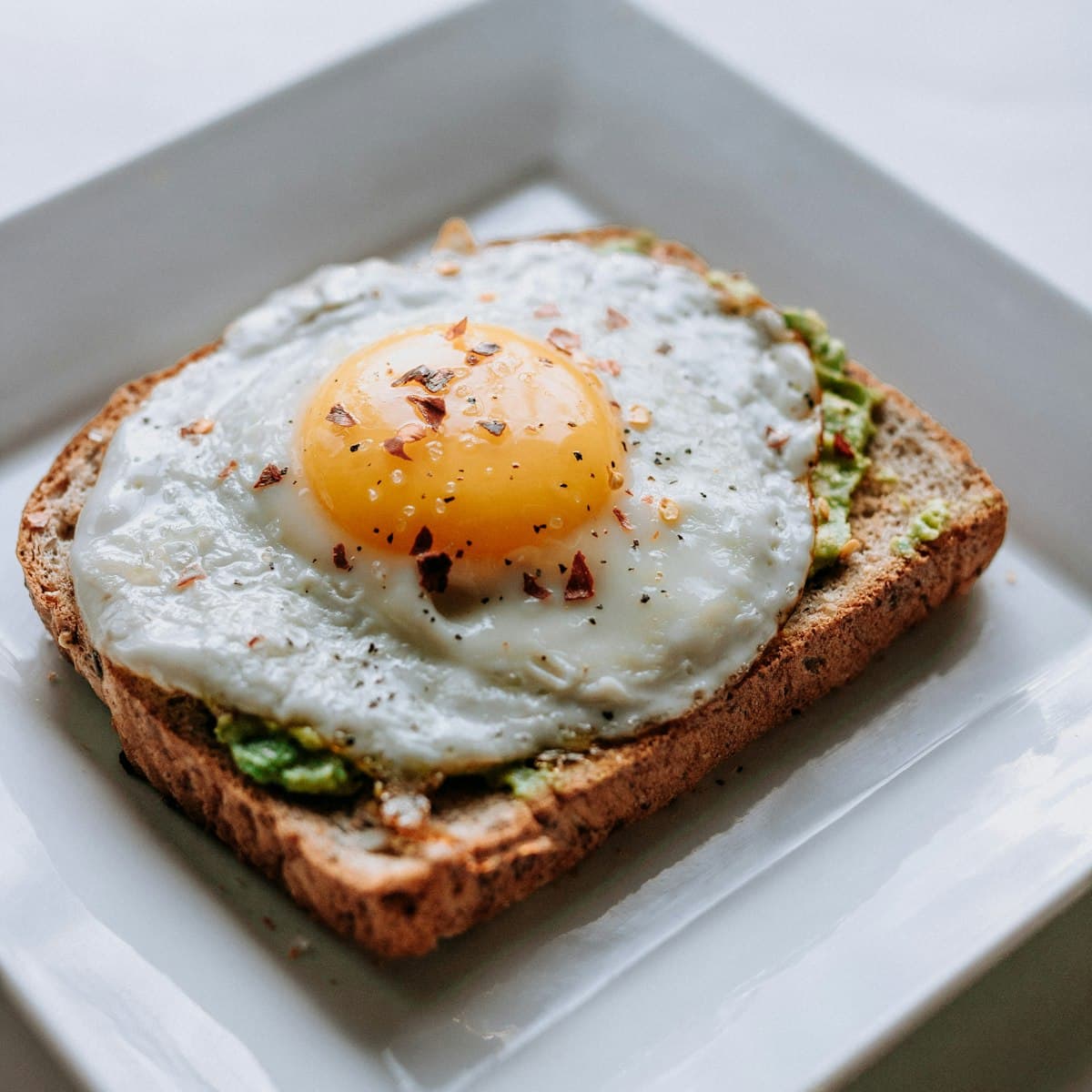
Mash half a ripe avocado onto sprouted grain bread. Top with a generous spoonful of raw sauerkraut, pumpkin seeds, a pinch of red pepper flakes, and flaky sea salt.
Why it works: Raw, unpasteurized sauerkraut contains live Lactobacillus bacteria that support gut microbial diversity, which is directly tied to systemic inflammatory regulation (Zmora et al., 2019). Pumpkin seeds are rich in zinc and magnesium, two minerals frequently deficient in people with elevated inflammation. Sprouted grain bread has a lower glycemic index than conventional bread.
9. Sardine and Arugula Toast
Prep time: 5 minutes
Place canned sardines (in olive oil) on toasted sprouted grain bread. Top with fresh arugula, thinly sliced red onion, lemon juice, and a drizzle of the sardine tin's olive oil.
Why it works: Sardines are one of the most concentrated food sources of EPA and DHA on the planet. A single tin delivers roughly 1,200 mg of combined omega-3s. Arugula contains glucosinolates, sulfur compounds that activate the Nrf2 pathway, your body's master antioxidant defense switch. This is one of the fastest high-impact anti-inflammatory breakfasts you can make. For a full list of foods with similar benefits, see our complete anti-inflammatory foods guide.
10. Greek Yogurt Parfait with Berries and Walnuts
Prep time: 5 minutes
Layer plain, full-fat Greek yogurt with mixed berries (blueberries, raspberries, blackberries), a tablespoon of ground flaxseed, and a handful of walnuts. Add a light drizzle of raw honey if needed.
Why it works: Full-fat Greek yogurt contains conjugated linoleic acid (CLA) and probiotics that support gut barrier function. The combination of three berry types delivers a broad spectrum of anthocyanins, each with slightly different anti-inflammatory mechanisms. Choosing plain yogurt over flavored varieties eliminates the 15 to 20 grams of added sugar typically found in commercial options.
11. Matcha Oat Bowl
Prep time: 10 minutes
Cook steel-cut oats and stir in a teaspoon of ceremonial-grade matcha powder, a tablespoon of almond butter, and a splash of oat milk. Top with sliced banana and hemp seeds.
Why it works: Matcha contains the catechin EGCG (epigallocatechin gallate) at concentrations roughly three times higher than regular green tea. EGCG is a potent inhibitor of inflammatory enzymes and has been shown to reduce IL-1 beta and TNF-alpha in human studies (Ohishi et al., 2016). Combined with the beta-glucan fiber in steel-cut oats, this bowl addresses inflammation through multiple pathways simultaneously.
12. Mediterranean Egg Scramble
Prep time: 10 minutes
Scramble pastured eggs with diced tomatoes, Kalamata olives, baby spinach, and crumbled feta. Cook in extra virgin olive oil and season with dried oregano and black pepper. Serve alongside sliced cucumber.
Why it works: This plate mirrors the composition of a traditional Mediterranean breakfast, which is the dietary pattern most consistently associated with lower inflammatory biomarkers in large cohort studies (Schwingshackl & Hoffmann, 2014). Tomatoes provide lycopene, olives add hydroxytyrosol, and oregano delivers carvacrol, all of which are independently anti-inflammatory. The total polyphenol count of this single meal is substantial.
Anti-Inflammatory Breakfast Ideas for Every Schedule
The best anti-inflammatory breakfast is one you actually eat consistently. That sounds obvious, but we see people build elaborate morning routines that last about four days before they default back to toast and coffee. The trick is matching your breakfast to the time you realistically have.
Weekday mornings (10 minutes or less). On work days, you need something that requires almost no active cooking. Overnight oats (idea 1), chia pudding (idea 5), and the smoked salmon plate (idea 3) all come together in under five minutes. Smoothies (ideas 2 and 6) take slightly longer but still fit into a rushed morning if you pre-portion ingredients. The sardine toast (idea 9) is literally opening a tin, toasting bread, and assembling. We've found that having two or three of these on rotation covers most weekday mornings without any decision fatigue.
Weekend mornings (20 to 30 minutes). This is when the frittata (idea 4), the sweet potato hash (idea 7), and the Mediterranean scramble (idea 12) shine. These recipes take a bit more time, but they're satisfying in a way that grab-and-go breakfasts aren't. If you're cooking for a partner or family, these are the meals that make people ask what smells so good. The hash and frittata also produce leftovers, so Sunday's cooking becomes Monday's breakfast.
On-the-go mornings (truly zero time). Some mornings are a total loss. For those days, keep a stash of pre-made anti-inflammatory snacks that double as emergency breakfasts. A handful of walnuts with a piece of fruit. A container of Greek yogurt with frozen berries thawing on top. A smoothie pack you dump into a blender with milk and blend for 60 seconds. None of these are glamorous, but they are infinitely better than skipping breakfast or grabbing a muffin from the break room.
The real goal is bridging the gap between your best intentions and your actual life. Plan the ambitious breakfasts for days when you have time, and have a dead-simple backup ready for the days when you don't.
Quick Anti-Inflammatory Breakfast Options Under 5 Minutes
If speed is your main concern, these are the fastest anti-inflammatory breakfasts we know, and most of them require zero cooking.
Overnight oats (prepared the night before). The active effort here is about three minutes of measuring and stirring before bed. In the morning, you grab the jar from the fridge and eat. Add a handful of berries and you're done. This is probably the single best ratio of anti-inflammatory benefit to effort.
Sardine or smoked salmon toast. Toast a slice of sprouted grain bread. Open a tin. Arrange on top. Squeeze lemon. Five minutes is generous for this one. Sardines deliver roughly 1,200 mg of omega-3s per tin, making this one of the most anti-inflammatory fast breakfasts you can make. For more on why the omega-3 to omega-6 ratio matters so much, we have a full breakdown.
Greek yogurt parfait. Scoop yogurt into a bowl, add berries and a tablespoon of ground flaxseed or walnuts. Under two minutes. The probiotics in the yogurt support gut health, which directly influences how your body manages inflammation. Our gut health and anti-inflammatory foods guide goes deeper on this connection.
Avocado on sprouted bread. Mash, spread, season. If you add sauerkraut (idea 8), you also get a dose of live probiotics. The whole process takes about three minutes.
Pre-made chia pudding. Like overnight oats, this is a "prepare once, eat later" option. Mix chia seeds with coconut milk before bed, top with fruit in the morning. The omega-3 content from chia seeds alone makes this worth the minimal effort.
The common thread here: none of these require a stove, and most can be eaten with one hand while you're doing something else. They won't win any plating awards, but they give your body the fats, fiber, and polyphenols it needs to start the day with lower inflammation.
Anti-Inflammatory Breakfast Recipes for Meal Prep
Batch cooking on the weekend transforms your weekday mornings. We've tested these meal prep strategies over months, and they consistently work.
Steel-cut oats in bulk. Cook a large pot of steel-cut oats on Sunday. Portion into five containers and refrigerate. Each morning, reheat a portion (microwave works fine), then add fresh toppings: berries, walnuts, ground flaxseed, a drizzle of honey, or a spoonful of almond butter. The oats stay good in the fridge for five days. This turns idea 11 (matcha oat bowl) and idea 1 (berry walnut oats) into three-minute breakfasts. If you're just getting started with anti-inflammatory eating, our beginner's guide to the anti-inflammatory diet covers all the basics.
Frittata slices. The spinach and herb frittata (idea 4) reheats beautifully. Make a full-sized frittata on Sunday, cut into portions, and store in the fridge. Grab a slice, warm it up, and pair it with a piece of fruit. You get eggs, olive oil, greens, and herbs in a format that's ready in two minutes.
Smoothie freezer packs. This is the single biggest time-saver for smoothie lovers. Portion berries, spinach or kale, ground flaxseed, and a tablespoon of nut butter into individual freezer bags. Label them. When you're ready, dump a bag into your blender with your liquid of choice and blend. For more smoothie ideas beyond breakfast, our anti-inflammatory smoothie recipes collection has ten tested blends.
Sweet potato hash base. Roast a large sheet pan of diced sweet potatoes with olive oil, salt, and smoked paprika on Sunday. Store in the fridge. Each morning, warm a portion in a skillet, crack an egg on top, and add whatever vegetables you have: leftover roasted peppers, a handful of spinach, some black beans. The sweet potato base keeps for four to five days.
Chia pudding in batches. Make three or four jars of chia pudding at once. They keep in the fridge for up to five days. Vary the toppings each day so it doesn't feel repetitive: mango and coconut one day, berries and walnuts the next, sliced banana and cinnamon after that.
The people who eat anti-inflammatory breakfasts consistently are almost always the ones who prep ahead. It's not about willpower on a Tuesday morning. It's about making the right choice the easiest choice.
Quick Prep Tips and Batch Cooking Strategies
Consistency matters more than perfection. These strategies help you maintain an anti-inflammatory breakfast habit without spending extra time each morning:
- Sunday batch prep: Make a large pot of steel-cut oats and portion into five containers. Reheat each morning and add fresh toppings. This turns a 25-minute recipe into a 3-minute one.
- Overnight prep rotation: Alternate between overnight oats (ideas 1 and 11) and chia pudding (idea 5) throughout the week. Prepare two or three jars every few days.
- Keep a "breakfast drawer" stocked: Canned sardines, nuts, seeds, nut butter, and matcha powder all have long shelf lives. Pair them with fresh produce for a fast meal.
- Freeze smoothie packs: Pre-portion berries, spinach, and ground flaxseed into freezer bags. In the morning, dump a bag into a blender with liquid and fat. Five minutes, done.
- Cook eggs in olive oil by default. This single swap replaces a neutral or pro-inflammatory cooking fat with one that contains measurable anti-inflammatory compounds.
The Bigger Picture
An anti-inflammatory breakfast is not about restriction or complicated recipes. It is about building a repeatable first meal from ingredients that actively work in your favor: omega-3 fats, fiber, polyphenols, and minimal processed sugar. If you need a shopping list to support these breakfasts without overspending, our anti-inflammatory grocery list on a budget covers exactly that. You do not need all 12 of these ideas. Pick two or three that fit your schedule and taste preferences, and rotate them throughout the week. That consistency, maintained over weeks and months, is what shifts inflammatory markers in a meaningful direction.
Frequently Asked Questions
What is the most anti-inflammatory breakfast?
A combination of wild-caught salmon or sardines with leafy greens, berries, and extra virgin olive oil scores among the lowest on the Dietary Inflammatory Index. For a more practical daily option, overnight oats with berries, walnuts, and ground flaxseed are highly anti-inflammatory. The key is combining healthy fats, fiber, and polyphenol-rich foods while keeping added sugar low.
Are eggs inflammatory?
Eggs are mildly anti-inflammatory overall. They contain choline (which supports healthy inflammatory response) and vitamin D. Pastured eggs have a better omega-3 to omega-6 ratio than conventional eggs. Cooking them in extra virgin olive oil rather than butter or seed oils improves the overall inflammatory profile of the meal.
Is oatmeal anti-inflammatory?
Yes. Oats contain beta-glucan fiber and avenanthramides, both of which have demonstrated anti-inflammatory properties in clinical studies. Choose steel-cut or rolled oats over instant varieties with added sugar. Top with berries, nuts, and ground flaxseed to maximize the anti-inflammatory benefit.
Can I eat the same anti-inflammatory breakfast every day?
You can, but rotating between two or three options gives you a wider range of polyphenols and nutrients. Your gut bacteria also benefit from dietary variety. Pick a few favorites and alternate throughout the week. For a full week of varied meals, check our 7-day anti-inflammatory meal plan.
What should I avoid eating for breakfast if I have inflammation?
Skip sugary cereals, pastries, flavored yogurts with added sugar, white bread, and processed breakfast meats like conventional bacon and sausage. These foods are linked to higher levels of C-reactive protein and other inflammatory markers. Swap them for whole food options built around fiber, healthy fats, and polyphenols. Our complete guide to inflammation and disease explains why these foods are problematic at the molecular level.
Sources
- Basu A, Du M, Leyva MJ, et al. "Blueberries decrease cardiovascular risk factors in obese men and women with metabolic syndrome." J Nutr. 2010;140(9):1582-1587. https://pubmed.ncbi.nlm.nih.gov/20660279/
- Calder PC. "Marine omega-3 fatty acids and inflammatory processes." Trends Mol Med. 2015;21(2):56-67. https://pubmed.ncbi.nlm.nih.gov/25648245/
- Calder PC, Ahluwalia N, Brouns F, et al. "Dietary factors and low-grade inflammation in relation to overweight and obesity." Br J Nutr. 2011;106(S3):S5-S78. https://pubmed.ncbi.nlm.nih.gov/22133051/
- Esposito K, Nappo F, Giugliano F, et al. "Meal modulation of circulating interleukin 18 and adiponectin concentrations in healthy subjects and in patients with type 2 diabetes mellitus." Am J Clin Nutr. 2003;78(6):1135-1140. https://pubmed.ncbi.nlm.nih.gov/14668275/
- Harvard Health Publishing. "Foods that fight inflammation." Harvard Medical School. https://www.health.harvard.edu/staying-healthy/foods-that-fight-inflammation
- Hewlings SJ, Kalman DS. "Curcumin: A Review of Its Effects on Human Health." Foods. 2017;6(10):92. https://pubmed.ncbi.nlm.nih.gov/29065496/
- Koh A, De Vadder F, Kovatcheva-Datchary P, Backhed F. "From Dietary Fiber to Host Physiology: Short-Chain Fatty Acids as Key Bacterial Metabolites." Cell. 2016;165(6):1332-1345. https://pubmed.ncbi.nlm.nih.gov/27259147/
- Ohishi T, Goto S, Monira P, et al. "Anti-inflammatory Action of Green Tea." Antiinflamm Antiallergy Agents Med Chem. 2016;15(2):74-90. https://pubmed.ncbi.nlm.nih.gov/27634207/
- Schwingshackl L, Hoffmann G. "Mediterranean dietary pattern, inflammation and endothelial function: a systematic review and meta-analysis of intervention trials." Nutr Metab Cardiovasc Dis. 2014;24(9):929-939. https://pubmed.ncbi.nlm.nih.gov/24787907/
- Sur R, Nigam A, Bhattacharjee S, et al. "Avenanthramides, polyphenols from oats, exhibit anti-inflammatory and anti-itch activity." Arch Dermatol Res. 2008;300(10):569-574. https://pubmed.ncbi.nlm.nih.gov/18461339/