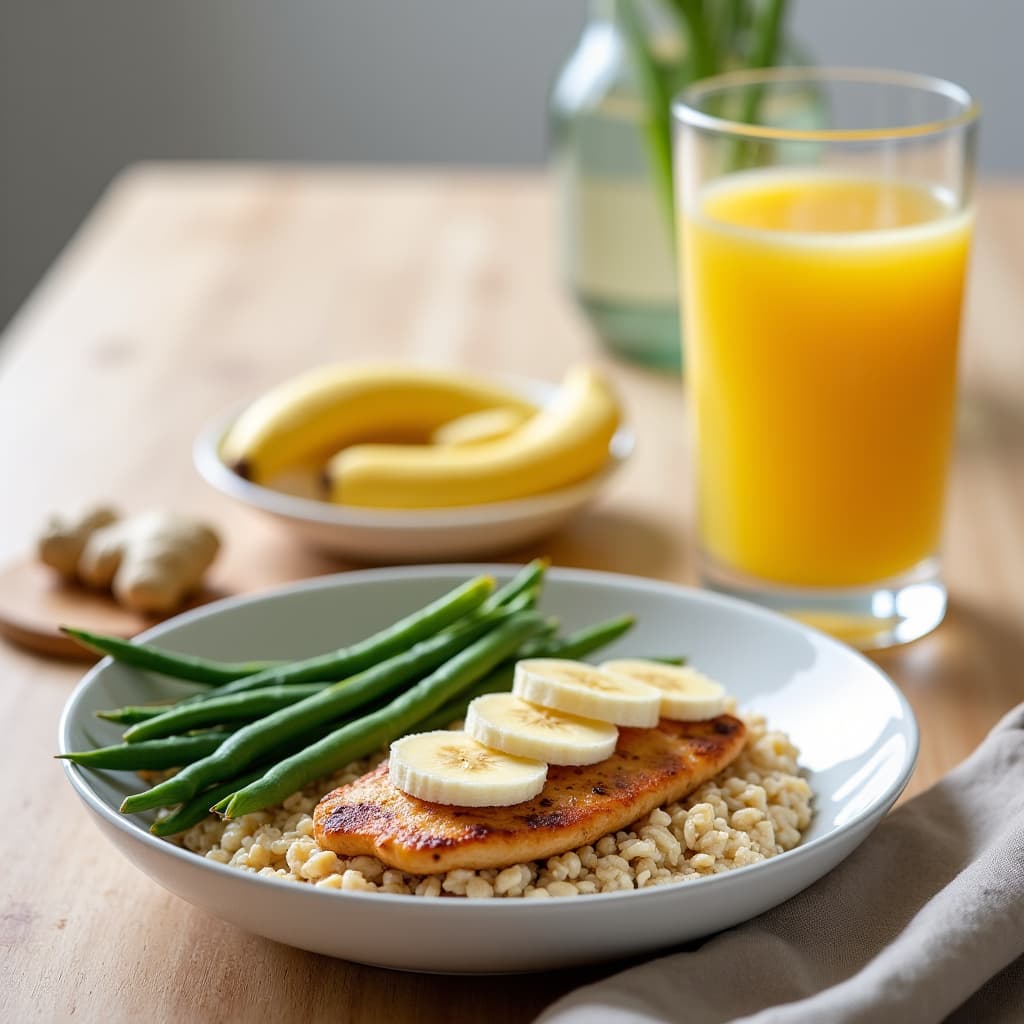
GERD (gastroesophageal reflux disease) affects roughly 20 percent of American adults. It is more than occasional heartburn. GERD involves chronic acid reflux that damages the esophageal lining, causing pain, difficulty swallowing, chronic cough, and potentially leading to Barrett's esophagus and esophageal cancer if left untreated.
Most GERD treatment focuses on reducing acid production with PPIs (proton pump inhibitors). But emerging research suggests that inflammation, not just acid, drives much of the damage. An anti-inflammatory dietary approach addresses the root cause rather than just neutralizing the acid.
GERD Is an Inflammatory Disease
For decades, the assumption was simple: acid flows backward from the stomach into the esophagus, burns the tissue, and causes damage. Treat it by reducing acid. But a 2024 landmark study in Gastroenterology challenged this model, showing that GERD damage begins as an inflammatory response in the esophageal tissue itself, not as a chemical burn from acid contact.
Researchers found that cytokine-mediated inflammation (IL-8, IL-1beta) in the esophageal lining precedes visible erosive damage. This means the esophagus becomes inflamed first, then the tissue breaks down, rather than acid directly eroding healthy tissue.
This distinction matters because it means reducing systemic inflammation through diet can reduce GERD symptoms at a deeper level than acid suppression alone.
The Dietary Inflammatory Index has been studied in GERD populations. A 2023 cross-sectional study in Diseases of the Esophagus found that participants eating the most pro-inflammatory diets had 2.1 times the odds of GERD symptoms compared to those eating anti-inflammatory diets. The association held even after controlling for BMI, smoking, and alcohol use.
How Diet Affects GERD
Diet influences GERD through four pathways:
Lower esophageal sphincter (LES) tone. Certain foods relax the LES, the valve between the esophagus and stomach, allowing acid to flow upward. Fat, chocolate, caffeine, alcohol, and mint are the classic relaxers.
Gastric acid production. Spicy foods, citrus, and coffee stimulate acid secretion, increasing the volume of acid available to reflux.
Esophageal inflammation. Pro-inflammatory foods increase systemic and local inflammation in the esophageal mucosa, making it more vulnerable to acid damage and slower to heal.
Gut motility. High-fiber foods improve gastric emptying and intestinal transit, reducing the time acidic stomach contents sit near the LES. Low-fiber, high-fat diets slow motility and increase reflux episodes.
The Best Anti-Inflammatory Foods for GERD
High-Fiber Foods
Fiber is the most protective dietary factor against GERD. A 2023 meta-analysis in Alimentary Pharmacology and Therapeutics found that each 10-gram increase in daily fiber intake reduced GERD symptoms by 18 percent.
Fiber works through multiple mechanisms: it absorbs excess stomach acid, speeds gastric emptying, feeds anti-inflammatory gut bacteria, and helps maintain a healthy weight (obesity is the strongest non-dietary GERD risk factor).
Best high-fiber choices for GERD:
- Oatmeal: Absorbs acid, provides soluble fiber, and is gentle on the esophagus. One of the most consistently well-tolerated breakfast options for GERD patients.
- Sweet potatoes: High in fiber and pectin (a soothing soluble fiber), low in acid.
- Whole grains: Brown rice, quinoa, whole wheat bread. Avoid eating these too close to bedtime.
- Legumes: Lentils, chickpeas, black beans provide fiber and plant protein.
- Vegetables: Green beans, broccoli (cooked), carrots, zucchini, leafy greens.
Non-Citrus Fruits
Bananas, melons, apples, and pears are low-acid fruits that provide fiber and polyphenols without triggering reflux. Bananas in particular have a natural antacid effect and coat the esophageal lining.
Berries (blueberries, strawberries, raspberries) are mildly acidic but rich in anti-inflammatory anthocyanins. Most GERD patients tolerate them well in moderate amounts, especially when eaten with other foods rather than alone.
Lean Proteins
Protein supports LES tone and does not stimulate excessive acid production. The key is keeping fat content low, since fat relaxes the LES:
- Chicken breast (baked or grilled, not fried): Chicken provides protein without the fat that triggers reflux.
- Fish: Salmon, cod, tilapia, and shrimp are excellent choices. Bake, grill, or steam rather than frying.
- Eggs: Well-tolerated by most GERD patients. Scrambled or poached is gentler than fried.
- Tofu and tempeh: Plant-based protein options that are naturally low in fat and non-acidic.
Ginger
Ginger has been used for gastrointestinal complaints for centuries, and research supports its use in GERD. Ginger accelerates gastric emptying (reducing the window for reflux), reduces inflammation in the esophageal mucosa, and has mild anti-nausea properties.
A 2022 study in Food Science and Nutrition found that 1,200 mg of ginger daily for 4 weeks reduced reflux symptom frequency by 40 percent in mild-to-moderate GERD patients compared to placebo.
Fresh ginger tea (sliced ginger steeped in hot water) is a practical daily option. Avoid ginger ale, which usually contains minimal real ginger and is carbonated (carbonation worsens reflux).
Olive Oil
Extra virgin olive oil provides anti-inflammatory polyphenols and monounsaturated fat. While fat in general can relax the LES, olive oil in moderate amounts (1 to 2 tablespoons per meal) is typically well-tolerated and far less reflux-triggering than butter, cream, or fried food fats.
Use olive oil for cooking and salad dressings instead of heavier fats.
Alkaline Vegetables
Vegetables with a higher pH help neutralize stomach acid:
- Cucumbers (pH 5.1 to 5.7): Hydrating and alkaline
- Celery (pH 5.7 to 6.0): Almost no calories, high water content
- Broccoli (pH 6.3 to 6.5): Anti-inflammatory sulforaphane content
- Green beans (pH 6.0 to 6.5): Well-tolerated by nearly all GERD patients
- Leafy greens (pH 6.0 to 7.0): Spinach, lettuce, kale
Fermented Foods (Carefully)
Fermented foods support gut microbiome health and reduce systemic inflammation. A 2023 study in Gut Microbes found that GERD patients had significantly different esophageal microbiome compositions compared to healthy controls, with higher levels of gram-negative inflammation-promoting bacteria.
Plain yogurt, kefir, and miso are generally well-tolerated. Sauerkraut and kimchi may trigger symptoms in some patients due to their acidity and spiciness. Start with small portions and observe your response.
Aloe Vera Juice
Aloe vera has documented anti-inflammatory and mucosal-healing properties. A 2015 randomized trial in Journal of Traditional Chinese Medicine found that aloe vera syrup was as effective as omeprazole (a PPI) in reducing GERD symptoms over 4 weeks. Look for decolorized, purified aloe vera juice and start with 1 to 2 ounces before meals.
Foods to Avoid or Limit with GERD
High-Fat and Fried Foods
Fat slows gastric emptying and relaxes the LES, both of which increase reflux. Fried foods, fast food, full-fat dairy, cream sauces, and fatty cuts of meat are the most common dietary triggers.
A 2022 study in Neurogastroenterology and Motility found that high-fat meals increased the number of reflux episodes by 50 percent and prolonged acid exposure time in the esophagus by 70 percent compared to low-fat meals.
Citrus and Tomatoes
Highly acidic foods (oranges, lemons, grapefruit, tomatoes, tomato sauce) do not cause GERD, but they irritate an already-inflamed esophagus. If your esophagus is healthy, citrus is fine. If you have active GERD symptoms, these foods worsen the burn.
Chocolate
Chocolate contains methylxanthines that relax the LES, cocoa that stimulates acid production, and fat that slows gastric emptying. It is a triple threat for GERD. Dark chocolate is slightly better tolerated than milk chocolate due to lower fat and sugar content, but both can trigger symptoms.
Spicy Foods
Capsaicin in spicy foods stimulates acid secretion and can irritate the esophageal lining. Individual tolerance varies widely. Some GERD patients handle spicy food without issues; others find it a reliable trigger. Track your own response.
Carbonated Beverages
Carbonation increases gastric pressure and promotes belching, both of which push stomach contents toward the esophagus. Soda is particularly problematic because it combines carbonation with sugar (or artificial sweeteners) and caffeine.
Coffee and Caffeine
Coffee relaxes the LES and stimulates acid production. Some GERD patients tolerate one cup in the morning (when the stomach is relatively empty), while others need to eliminate it entirely. Cold brew has lower acidity than hot brew.
Alcohol
Alcohol relaxes the LES, stimulates acid production, irritates the esophageal lining, and is pro-inflammatory. Wine and spirits are the worst offenders. If you drink, limit to one serving and avoid drinking within 3 hours of bedtime.
Mint
Peppermint and spearmint relax the LES. While mint tea might feel soothing to the stomach, it makes reflux worse by opening the valve that keeps acid where it belongs. Ginger tea is a better alternative.
Eating Habits That Matter as Much as Food Choices
Eat smaller meals. Large meals distend the stomach and increase reflux pressure. Eating 4 to 5 smaller meals instead of 3 large ones reduces symptoms significantly.
Do not eat within 3 hours of bedtime. Lying down with a full stomach is the most reliable reflux trigger. A 2022 study in American Journal of Gastroenterology found that an early dinner (at least 3 hours before bed) reduced nighttime reflux episodes by 45 percent.
Eat slowly and chew thoroughly. Rapid eating increases air swallowing and reduces salivary buffering of acid. Saliva is naturally alkaline and protects the esophagus.
Stay upright after eating. Walking after meals promotes gastric emptying. Avoid reclining for at least 2 hours after eating.
Elevate the head of your bed. If nighttime reflux is an issue, raising the head of the bed by 6 to 8 inches (using bed risers, not just pillows) reduces gravity-assisted reflux.
A Sample Anti-Inflammatory GERD-Friendly Day
Breakfast: Oatmeal with banana slices and a drizzle of honey. Ginger tea.
Snack: Apple slices with a thin spread of almond butter.
Lunch: Grilled chicken breast with brown rice, steamed green beans, and a side salad dressed with olive oil and a squeeze of lemon.
Snack: Plain Greek yogurt with melon chunks.
Dinner (at least 3 hours before bed): Baked cod with roasted sweet potatoes and steamed broccoli. Small portion of sauerkraut.
This day provides high fiber (30+ grams), lean protein at every meal, anti-inflammatory fats from olive oil, minimal GERD triggers, and a range of polyphenols from fruits and vegetables.
FAQ
Can an anti-inflammatory diet replace GERD medication?
For mild GERD, dietary changes alone may be sufficient. For moderate to severe GERD, an anti-inflammatory diet should complement medication, not replace it, at least initially. Many patients find they can reduce or discontinue PPIs after sustained dietary improvements. Work with your gastroenterologist on any medication changes.
How long does it take for dietary changes to improve GERD?
Most patients notice reduced symptom frequency within 1 to 2 weeks of dietary changes. Esophageal inflammation takes longer to heal, typically 4 to 8 weeks. Full mucosal healing may take 3 to 6 months of consistent anti-inflammatory eating combined with any prescribed medication.
Is coffee completely off-limits with GERD?
Not necessarily. Some GERD patients tolerate one cup of low-acid coffee (cold brew or dark roast) in the morning without issues. The key is timing (not on an empty stomach), amount (one cup, not three), and individual tolerance. If coffee consistently triggers symptoms, switch to green tea or ginger tea.
Does weight loss help GERD?
Significantly. Obesity is the strongest modifiable risk factor for GERD. Abdominal fat increases intra-abdominal pressure and weakens the LES. A 2023 meta-analysis found that a 10 percent reduction in body weight reduced GERD symptom scores by 35 percent. An anti-inflammatory diet naturally supports weight management.
What is the best sleeping position for GERD?
Left-side sleeping reduces reflux because the stomach's greater curvature hangs below the esophageal junction in this position. Combine left-side sleeping with head-of-bed elevation (6 to 8 inches) and no eating within 3 hours of bedtime for the most effective nighttime reflux management.
The Bottom Line
GERD is increasingly understood as an inflammatory disease, not just an acid problem. An anti-inflammatory diet built on high-fiber foods, lean proteins, ginger, olive oil, and non-citrus fruits reduces both the inflammatory driver and the mechanical triggers of reflux. High-fat foods, citrus, chocolate, coffee, alcohol, and carbonation should be limited based on individual tolerance.
The combination of anti-inflammatory eating, smaller meals, early dinners, and maintaining a healthy weight addresses GERD at its root rather than just suppressing symptoms. Many patients find they can reduce or eliminate acid-suppressing medication with sustained dietary changes.
Download the Inflamous app to track your Dietary Inflammatory Index score alongside reflux symptoms and identify your personal triggers.