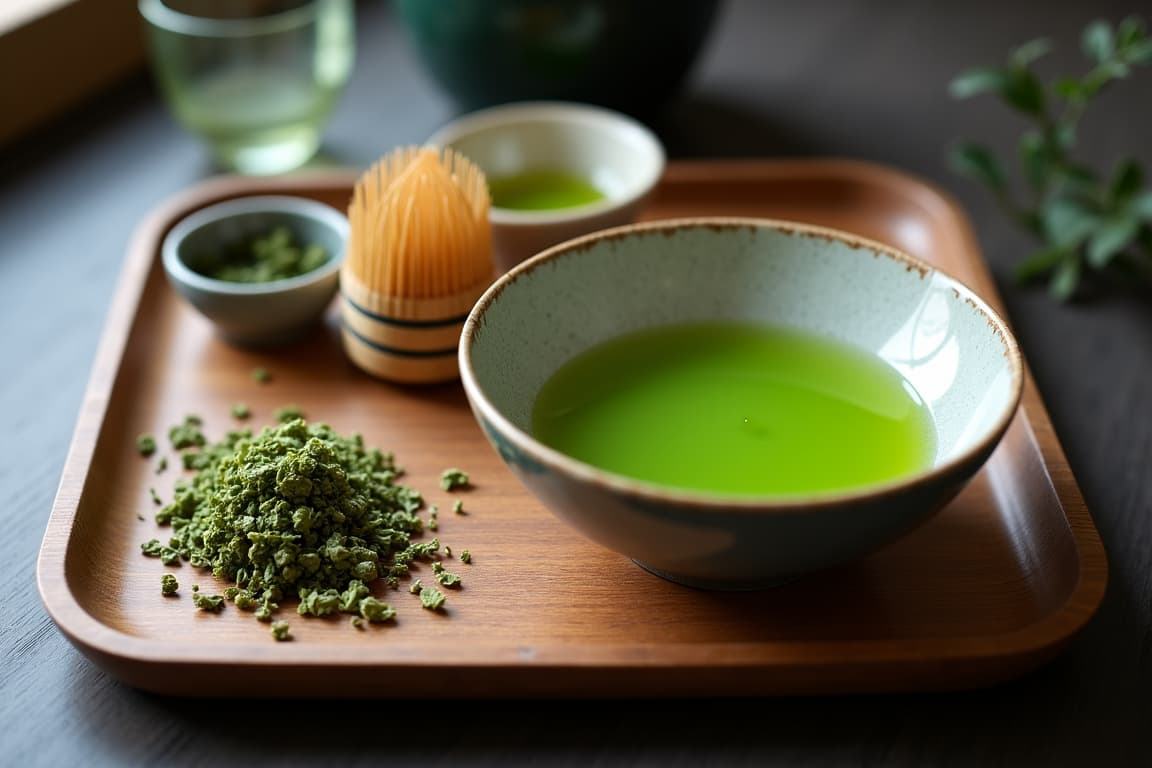
Yes, green tea is anti-inflammatory. It is one of the few beverages with a well-documented, consistently negative score on the Dietary Inflammatory Index (DII), meaning research associates it with reduced systemic inflammation rather than increased inflammation.
The active compounds are catechins, especially EGCG (epigallocatechin-3-gallate), plus L-theanine and other polyphenols. Together, they work through multiple anti-inflammatory pathways, and the evidence in human studies is strong enough to make green tea one of the most evidence-backed daily anti-inflammatory habits.
What's In Green Tea That Fights Inflammation?
EGCG (Epigallocatechin-3-Gallate)
EGCG is the most studied catechin in green tea and one of the most potent natural polyphenols identified in nutrition research. It inhibits NF-kB, the master transcription factor that activates inflammatory gene expression. By suppressing NF-kB, EGCG reduces production of multiple pro-inflammatory cytokines including IL-1 beta, IL-6, and TNF-alpha.
EGCG also inhibits prostaglandin synthesis (the pathway targeted by NSAIDs like aspirin and ibuprofen) and reduces oxidative stress that drives inflammatory signaling.
A key property: EGCG crosses the blood-brain barrier and has been shown to reduce neuroinflammation in animal models. This is relevant for the cognitive and mental health applications of green tea consumption.
Other Catechins
Green tea contains a family of catechins including epicatechin (EC), epigallocatechin (EGC), and epicatechin gallate (ECG) alongside EGCG. While EGCG gets most of the research attention, the combination of catechins appears to work synergistically. Whole green tea extracts consistently outperform isolated EGCG in comparison studies, suggesting the other catechins contribute meaningfully.
L-Theanine
L-theanine is an amino acid found almost exclusively in green tea leaves (and in small amounts in some mushrooms). It crosses the blood-brain barrier and modulates neurotransmitter activity, enhancing GABA and serotonin while calming glutamate excitatory signaling.
From an inflammatory standpoint, L-theanine reduces cortisol response to stress, and cortisol elevation is one of the primary drivers of HPA-axis-mediated inflammation. In combination with green tea's catechins, L-theanine's stress-modulating effect amplifies the anti-inflammatory benefit.
The caffeine-L-theanine combination unique to green tea produces alert focus without the cortisol spike that isolated high-dose caffeine can cause. This is functionally relevant: caffeine and inflammation has a nuanced profile, but the green tea form is consistently more anti-inflammatory than isolated caffeine.
The Clinical Evidence
CRP and inflammatory markers: A 2019 meta-analysis in Medicine pooled 13 randomized controlled trials and found that green tea extract supplementation significantly reduced CRP, IL-6, and TNF-alpha. The effect was most consistent at higher catechin doses (>500mg/day of EGCG), though more modest effects were seen at lower amounts.
Rheumatoid arthritis: Multiple clinical trials show green tea extract reduces disease activity scores and inflammatory markers in RA patients. A 2017 trial found that green tea extract supplementation reduced CRP and improved pain scores versus placebo over 12 weeks.
Type 2 diabetes and metabolic inflammation: Green tea catechins improve insulin sensitivity and reduce the chronic inflammatory state associated with metabolic syndrome. A 2013 meta-analysis found green tea consumption significantly lowered fasting blood glucose and HbA1c in diabetic patients.
Gut microbiome: EGCG acts as a prebiotic, selectively feeding beneficial bacterial strains. A more diverse, anti-inflammatory microbiome is one of the mechanisms by which regular green tea consumption reduces systemic inflammatory markers. See anti-inflammatory foods for gut health for context.
Cardiovascular inflammation: Population studies consistently show inverse associations between green tea consumption and cardiovascular disease risk. Japanese cohort studies find people drinking 5+ cups daily have significantly lower rates of myocardial infarction and stroke, with inflammatory marker reduction as a proposed mechanism.
How Much Green Tea for Anti-Inflammatory Benefit?
The sweet spot in research appears to be 3-5 cups (720-1200mL) of green tea per day. This provides approximately:
- 300-600mg of total catechins
- 200-400mg of EGCG specifically
- 60-120mg of caffeine (depending on brewing time and type)
- 60-150mg of L-theanine
At this range, regular consumption is associated with significantly lower CRP levels in population studies.
Lower amounts (1-2 cups daily) still show benefit compared to no consumption. Higher amounts (5-10 cups) appear in Japanese population research without negative effects in healthy adults, though the caffeine load becomes relevant for sensitive individuals.
Matcha: More Potent?
Matcha is powdered whole green tea leaf, meaning you consume the entire leaf rather than just the water-soluble compounds that steep into brewed tea. This makes matcha catechin content roughly 3x higher per serving than brewed green tea.
For anti-inflammatory purposes, a single serving of matcha (1-2 teaspoons of powder in 150mL water) provides the catechin equivalent of 3 cups of brewed green tea.
Matcha also has higher L-theanine content than most brewed teas, amplifying the calm-focus effect. The tradeoff is higher caffeine content per serving.
For people trying to maximize anti-inflammatory benefit from fewer servings, matcha is the more efficient choice.
Brewing for Maximum Catechins
How you brew green tea significantly affects its catechin content:
Temperature matters: EGCG degrades rapidly in boiling water. The optimal temperature is 70-80C (160-175F). Steeping green tea in water that is too hot reduces catechin content by 30-50% and creates a bitter flavor.
Steeping time: 1-3 minutes is sufficient. Longer steeping extracts more catechins but also more tannins, increasing bitterness.
Loose leaf vs. bags: High-quality loose leaf green tea (particularly Japanese varieties like sencha, gyokuro, or matcha) generally has higher catechin content than mass-market tea bags.
Freshness: Catechins oxidize over time. Fresh, properly stored green tea has significantly more EGCG than old or poorly stored tea.
Adding lemon: Vitamin C in lemon juice protects catechins from oxidation in your gut, improving their absorption. A squeeze of lemon in green tea is a simple enhancement.
Green Tea vs. Other Anti-Inflammatory Beverages
Green tea vs. black tea: Black tea is made from the same plant as green tea but is fully oxidized, which converts catechins into theaflavins and thearubigins. These have some anti-inflammatory properties but at lower potency than EGCG. Green tea has a stronger anti-inflammatory profile.
Green tea vs. coffee: Coffee is also anti-inflammatory (lower CRP in coffee drinkers in multiple studies), but through different mechanisms: chlorogenic acid and other polyphenols rather than catechins. Green tea's L-theanine and catechin combination gives it a more directly anti-inflammatory profile, but coffee is not inflammatory. Caffeine and inflammation covers both in detail.
Green tea vs. herbal teas: Depends entirely on the herb. Ginger tea, turmeric tea, and rooibos have specific anti-inflammatory compounds. Plain herbal teas without medicinal herbs are essentially neutral. None have green tea's EGCG content.
How Green Tea Pairs with Other Anti-Inflammatory Habits
Green tea works particularly well as part of a broader anti-inflammatory dietary pattern:
With turmeric: Some research on EGCG and curcumin in combination shows synergistic anti-inflammatory effects. A turmeric-ginger tea with green tea as the base covers multiple anti-inflammatory pathways.
As part of a Mediterranean or MIND diet: Both dietary patterns that score strongly on anti-inflammatory indices include tea as a regular beverage.
Post-meal: Green tea catechins slow glucose absorption when consumed with or after meals, reducing post-meal blood sugar spikes and the associated inflammatory response.
Morning alternative to coffee: For people who experience anxiety or high cortisol from coffee, switching to matcha or green tea maintains alertness through the caffeine-L-theanine combination while reducing inflammatory stress hormone effects.
Who Should Be Cautious
Green tea is safe for most people at normal dietary amounts (up to 5 cups per day). Some considerations:
Pregnancy: High catechin intake may impair folate absorption. Limiting to 1-2 cups per day during pregnancy is recommended.
Iron absorption: Catechins inhibit non-heme iron absorption when consumed with meals. People with iron deficiency should drink green tea between meals rather than with iron-rich foods.
Blood thinners: EGCG has mild anticoagulant properties. People on warfarin or similar medications should maintain consistent green tea intake rather than dramatically varying it.
Caffeine sensitivity: Three to five cups contains 100-200mg of caffeine. People who are caffeine-sensitive may limit to 1-2 cups or switch to decaffeinated green tea (which retains most catechins).
FAQ
How many cups of green tea per day is anti-inflammatory? Research suggests 3-5 cups per day for consistent anti-inflammatory benefit. Even 1-2 cups daily shows benefit compared to none. Matcha provides equivalent catechins in fewer cups.
Is bottled green tea anti-inflammatory? Commercial bottled green tea typically contains very low catechin levels (often 10-50mg per bottle versus 200-400mg in freshly brewed green tea) due to dilution, heat processing, and age. The added sugar in many commercial versions adds to the inflammatory load. Freshly brewed is strongly preferred.
Does green tea reduce joint inflammation? Clinical trials in rheumatoid arthritis patients show green tea extract reduces CRP and disease activity scores. Regular green tea consumption is consistent with anti-inflammatory dietary patterns recommended for joint conditions.
Is green tea better than black tea for inflammation? Green tea generally has a stronger anti-inflammatory profile due to higher EGCG content. Black tea has some anti-inflammatory theaflavins but at lower potency. Both are better choices than sugary beverages.
Can you drink green tea on an empty stomach? Some people experience stomach upset from green tea on an empty stomach due to its tannin content. If this is an issue, drink it with or after a meal, which also improves catechin stability in the gut.
Bottom Line
Green tea is anti-inflammatory through a well-characterized, multi-pathway mechanism: EGCG inhibits NF-kB and COX enzymes, L-theanine reduces cortisol-mediated inflammation, and the catechin family collectively suppresses pro-inflammatory cytokine production.
Three to five cups of freshly brewed green tea daily, or one to two cups of matcha, delivers meaningful anti-inflammatory benefit. It is one of the simplest, cheapest, and most enjoyable anti-inflammatory habits available.
Track how your beverages and meals affect your daily inflammation score with the Inflamous app.