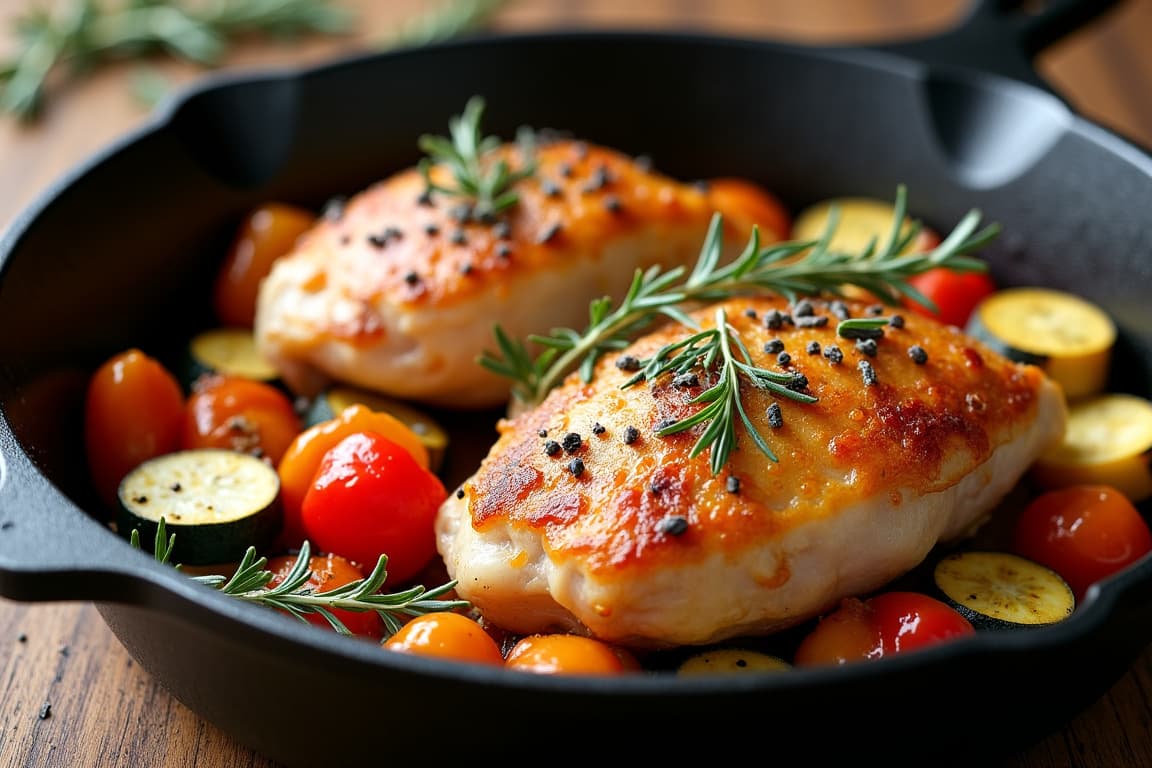
Chicken sits in the middle ground on anti-inflammatory indices. It is not as powerfully anti-inflammatory as fatty fish or olive oil, but it is considerably better than red meat and processed meats in terms of its inflammatory profile. For most people eating a Western diet, replacing red meat with chicken is a meaningful step toward reducing dietary inflammation.
The honest answer: chicken is approximately neutral to mildly anti-inflammatory, with significant variation based on how it is prepared and which cut you choose.
Chicken's Inflammation Score on the DII
The Dietary Inflammatory Index (DII) assesses how foods affect systemic inflammation based on nutrient composition and their relationship to inflammatory markers in research. Chicken (unprocessed, without inflammatory preparation) typically scores neutral to mildly negative, meaning it does not significantly push the inflammatory dial in either direction for most people.
This compares favorably to:
- Red meat: Higher arachidonic acid content, higher saturated fat in fattier cuts, consistently scores higher (more pro-inflammatory) on the DII
- Processed meats: Nitrates, high sodium, and processed fats drive significant pro-inflammatory scores
- Salmon and fatty fish: Score much more strongly anti-inflammatory due to EPA/DHA content
Chicken's profile on the Inflamous inflammation scoring system varies by cut:
Chicken breast (skinless): Most anti-inflammatory cut. Low in saturated fat, low in arachidonic acid, high in leucine for muscle protein synthesis.
Chicken thigh (skinless): Slightly higher fat content including more arachidonic acid, but still a modest inflammatory profile. More flavorful and comparable nutritionally.
Chicken with skin: The skin is primarily fat, adding saturated fat and arachidonic acid. Still not highly inflammatory, but scores higher than skinless.
Fried chicken: A different story entirely. The breading (refined flour) and frying oil (typically high omega-6 seed oils) overwhelm chicken's naturally modest profile and produce a significantly pro-inflammatory meal.
Why Chicken Is Better Than Red Meat for Inflammation
The key comparison is between chicken and red meat, specifically unprocessed beef and lamb. The inflammatory difference comes down to two factors:
Arachidonic acid: This omega-6 fatty acid is a direct precursor to pro-inflammatory prostaglandins and leukotrienes. Red meat, particularly beef and lamb, has significantly higher arachidonic acid content than chicken. A 3-oz serving of chicken breast has roughly 90mg of arachidonic acid, while the same portion of beef can have 150-250mg depending on the cut and fat content.
Saturated fat: Chicken breast has significantly less saturated fat than most beef cuts. While saturated fat's inflammatory role is complex and individualized, higher saturated fat intake in the context of a Western diet consistently correlates with higher inflammatory markers in large population studies.
That said, red meat and inflammation has a more nuanced profile than is often portrayed. Unprocessed lean beef in moderate amounts is not necessarily highly inflammatory. The comparison is directional: chicken is generally a better anti-inflammatory choice than red meat when other factors are equal.
Chicken vs. Fish for Inflammation
This is not a close comparison for anti-inflammatory purposes.
Salmon, sardines, and other fatty fish have EPA and DHA, the most potent dietary anti-inflammatory fats. Chicken has minimal omega-3s. For someone optimizing for the lowest possible dietary inflammation, fatty fish is the protein of choice.
That does not mean chicken is bad. It means:
- If you eat chicken most of the time and fish rarely, consider adding more fatty fish to your rotation
- Chicken is a reasonable everyday protein, and a better choice than processed meats or excessive red meat
- Pairing chicken with anti-inflammatory sides (olive oil, vegetables, turmeric) improves the overall meal profile
The Preparation Question
How you prepare chicken matters as much as the chicken itself.
Anti-inflammatory preparation:
- Grilled or baked with olive oil, garlic, herbs, lemon
- Poached or steamed (keeps the protein intact, no added fats)
- Marinated in olive oil, turmeric, ginger, and citrus before cooking
- Added to vegetable-heavy soups and stews
- Cooked with anti-inflammatory spices (see anti-inflammatory spice guide)
Pro-inflammatory preparation:
- Deep fried in seed oils (this is the biggest one)
- Breaded with refined white flour
- Processed into chicken nuggets, patties, or deli chicken with additives
- Cooked in vegetable or corn oil at high heat
- Served with high-sugar sauces (honey mustard, BBQ sauce with added sugar)
A grilled chicken breast in olive oil with roasted vegetables is a genuinely good anti-inflammatory meal. The same chicken breast, battered and fried, with a side of white bread and ketchup, is significantly more inflammatory despite using the same protein.
Organic vs. Conventional Chicken
The organic vs. conventional question for chicken is relevant but often overstated. The main differences:
Fatty acid profile: Pasture-raised chickens that eat grass and insects have a better omega-3 to omega-6 ratio than conventionally raised chickens fed primarily corn and soy. Some research shows pasture-raised chicken has 2-3x more omega-3s, though the absolute amount is still modest compared to fish.
Antibiotic use: Conventional chickens are often raised with antibiotics, which can affect the gut microbiome of the person consuming them over time. Certified organic chicken is raised without antibiotics.
DII impact: The difference between conventional and pasture-raised chicken in terms of overall DII impact is modest compared to differences in preparation method. Both are considerably better than processed meats.
If budget allows, pasture-raised or certified organic chicken has a slightly better anti-inflammatory profile. But do not let perfect be the enemy of good: conventional skinless chicken breast is still a reasonable choice.
Building Anti-Inflammatory Meals with Chicken
Chicken pairs well with foods that amplify the anti-inflammatory effect:
Chicken + turmeric marinade: The fat in olive oil combined with turmeric and black pepper creates an absorption-optimized curcumin delivery while adding flavor.
Chicken + leafy greens: A simple chicken stir-fry with bok choy, broccoli, garlic, and ginger in sesame oil hits multiple anti-inflammatory food groups.
Chicken + legume soup: Chicken with white beans, kale, and vegetables in broth is low-DII, high-fiber, and extremely practical for meal prep.
Chicken + Mediterranean bowl: Grilled chicken over quinoa with roasted vegetables, olives, olive oil, and lemon. Anti-inflammatory recipes from top nutritionists includes several Mediterranean-style chicken dishes.
For anti-inflammatory meal prep specifically, chicken is one of the best batch proteins because it stores well and works in multiple meal formats.
Processed Chicken: A Different Story
Processed chicken products are significantly more inflammatory than whole chicken:
Chicken deli meats: Sodium nitrate, high sodium, and additives drive a pro-inflammatory profile despite the chicken base.
Chicken nuggets: Refined flour breading, seed oil frying, and mechanically separated chicken produce a combination that scores high on the DII.
Canned chicken: Generally okay if low-sodium. Look for brands with minimal additives.
Chicken sausages and hot dogs: Even chicken-based processed meats contain nitrates and high sodium. Not significantly better than pork sausage from an inflammatory standpoint.
If you see processed chicken described as "healthy" on packaging, apply the same label-reading skepticism recommended in how to read food labels for inflammation.
FAQ
Is grilled chicken anti-inflammatory? Grilled chicken prepared with olive oil, herbs, and spices is approximately neutral to mildly anti-inflammatory. It does not drive inflammation at meaningful levels in most people. Grilled chicken is a reasonable everyday protein for anti-inflammatory eating.
Is chicken better than beef for inflammation? Yes, chicken is generally better than beef for inflammation. Chicken has lower arachidonic acid content and less saturated fat than most beef cuts. Both are significantly better than processed meats.
Can chicken cause inflammation? In its unprocessed form, chicken does not cause significant inflammation in most people. Fried chicken, processed chicken products, or chicken for people with poultry allergies is a different matter.
Is dark meat chicken more inflammatory than white meat? Dark meat has slightly more fat and arachidonic acid than white meat. The difference is modest: dark meat (thighs) is still a good protein choice, just slightly less anti-inflammatory than breast meat. Skin-on preparation adds more fat than the white vs. dark distinction.
How does chicken compare to fish for inflammation? Fish, particularly fatty fish like salmon and sardines, is more anti-inflammatory than chicken. Fish provides EPA and DHA, which actively reduce inflammation. Chicken is neutral. If anti-inflammatory eating is the priority, fatty fish 2-3 times weekly should complement regular chicken consumption.
Bottom Line
Chicken is a reasonable, neutral-to-mildly-anti-inflammatory protein for most people. It is not the hero that fatty fish is, but it is a solid everyday choice that outperforms red meat and processed meats. The most important variables are avoiding fried preparations and seed oil cooking, and pairing chicken with genuinely anti-inflammatory ingredients like vegetables, olive oil, and spices.
Check how your protein choices score on the inflammation index with the Inflamous app.