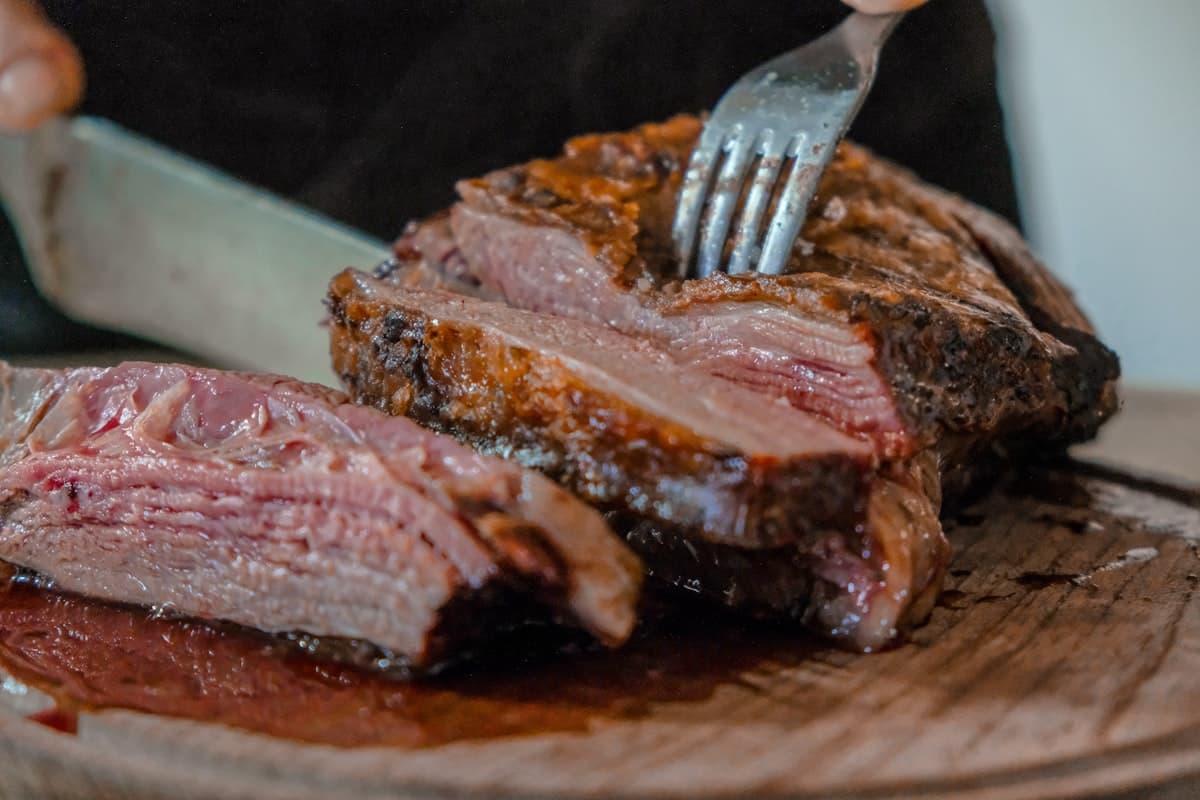
Red meat may be the most controversial food in nutrition. Some experts paint it as a dangerous inflammatory food linked to heart disease and cancer. Others argue it is a nutrient-dense superfood unfairly demonized by flawed research. Meanwhile, you are left confused about whether your occasional steak dinner is slowly destroying your health.
The truth, as usual, is more complicated than either extreme. Red meat can promote inflammation through several biological mechanisms, but the magnitude of this effect depends on how much you eat, which type of red meat, how it is raised, and critically, how you cook it. For some people in certain contexts, moderate red meat consumption appears neutral or even beneficial. For others, it clearly worsens inflammatory conditions.
Let me walk you through the actual science on red meat and inflammation so you can make an informed decision about your consumption.
How Red Meat Can Promote Inflammation
Red meat has several components that can trigger or exacerbate inflammation. Understanding these mechanisms helps explain why research consistently links high red meat consumption with inflammatory diseases.
Heme iron is one of the primary culprits. Red meat contains iron in the heme form, bound within hemoglobin and myoglobin. This is the iron that gives red meat its color. While some iron is essential, heme iron has pro-oxidant effects. It catalyzes the formation of free radicals, particularly hydroxyl radicals, which damage cell membranes, proteins, and DNA.
Research published in the Journal of Nutrition (2012) found that heme iron significantly increased lipid peroxidation and inflammatory markers in the gut. The mechanism involves the Fenton reaction, where ferrous iron reacts with hydrogen peroxide to generate highly reactive hydroxyl radicals. These radicals initiate inflammatory cascades in the intestinal lining.
Heme iron also affects gut microbiota composition. Studies show that high heme iron intake reduces beneficial bacteria and increases potentially pathogenic species. A study in Cancer Prevention Research (2015) found that heme iron altered gut bacterial metabolism, increasing production of harmful metabolites while decreasing protective compounds like butyrate. This microbiome disruption contributes to local gut inflammation that can become systemic. You can learn more about the gut-inflammation connection in our article on anti-inflammatory foods for gut health.
Neu5Gc (N-glycolylneuraminic acid) is a sialic acid found in most mammals but not in humans. We lost the ability to synthesize Neu5Gc about 2-3 million years ago due to a genetic mutation. When you eat red meat, you absorb Neu5Gc molecules, which get incorporated into your tissues. Your immune system recognizes these molecules as foreign and produces antibodies against them.
Research from UC San Diego published in Proceedings of the National Academy of Sciences (2015) showed that most humans have anti-Neu5Gc antibodies. When these antibodies encounter Neu5Gc incorporated into your tissues, they trigger chronic low-grade inflammation. The researchers called this "xenosialitis" (inflammation caused by foreign sialic acids). They demonstrated that feeding Neu5Gc to mice engineered to lack it (like humans) resulted in systemic inflammation and increased cancer risk.
The inflammatory response to Neu5Gc is chronic and cumulative. Each time you eat red meat, you add more Neu5Gc to your tissues, sustaining the antibody response. This may explain why red meat consumption correlates with chronic inflammatory diseases in long-term studies.
Interestingly, fish and poultry contain minimal Neu5Gc, which may partially explain why they show different health associations than red meat in research studies. This is one reason why switching from red meat to wild salmon or grilled chicken may reduce inflammatory burden.
TMAO (trimethylamine N-oxide) production is another mechanism linking red meat to inflammation. Red meat contains high levels of carnitine and choline. When gut bacteria metabolize these compounds, they produce trimethylamine (TMA), which is absorbed and converted to TMAO in your liver.
Research published in Nature Medicine (2013) found that TMAO promotes atherosclerosis and inflammation. TMAO activates inflammatory pathways in blood vessel walls, increases foam cell formation, and impairs cholesterol removal. People with high TMAO levels have significantly elevated cardiovascular disease risk.
The interesting wrinkle is that TMAO production depends on your gut microbiome composition. People who regularly eat red meat have bacteria that efficiently convert carnitine to TMA, producing high TMAO levels. Vegetarians and vegans have different gut bacteria and produce minimal TMAO even when given carnitine supplements. This suggests that habitual red meat consumption creates a microbiome that amplifies red meat's inflammatory effects, a self-reinforcing cycle.
A study in the European Heart Journal (2019) found that TMAO levels correlated strongly with inflammatory markers like CRP and IL-6. The researchers concluded that the gut microbiome-TMAO pathway is a major mechanism connecting red meat consumption with cardiovascular inflammation.
AGEs (advanced glycation end products) form when proteins or fats react with sugars at high temperatures. Red meat cooked at high heat produces substantial AGEs. Grilled, fried, or broiled red meat is particularly high in AGEs, while gently cooked red meat has far fewer.
AGEs bind to receptors called RAGEs (receptors for advanced glycation end products) on immune cells, triggering NF-kappaB activation and inflammatory cytokine production. Research in Diabetes Care (2011) showed that a high-AGE diet increased markers of oxidative stress and inflammation, while a low-AGE diet reduced them, even with similar overall nutrient intake.
The inflammatory effects of AGEs are substantial. A study in the Journal of the American Dietetic Association (2010) found that reducing dietary AGEs by 50% through cooking method changes decreased inflammatory markers by 30-35%. This suggests cooking method may be as important as the amount of red meat consumed. We will cover this in detail in the cooking methods section.
Saturated fat in red meat has traditionally been blamed for inflammatory effects, but recent research suggests this is oversimplified. Saturated fat does not appear universally pro-inflammatory. However, in the context of high overall calorie intake, metabolic dysfunction, or specific genetic variants, saturated fat can promote inflammatory responses, particularly when combined with refined carbohydrates. The context matters more than the saturated fat itself.
The Difference Between Processed and Unprocessed Red Meat
One of the most important distinctions in red meat research is processing. When studies separate processed from unprocessed red meat, very different health associations emerge.
Processed red meat includes bacon, sausage, hot dogs, deli meats, salami, and other red meats that have been cured, smoked, salted, or treated with preservatives like nitrites. Unprocessed red meat is fresh beef, pork, lamb, or game that has not been treated with preservatives or extensive processing.
The evidence against processed red meat is strong and consistent. Meta-analyses published in BMC Medicine (2021) found that each daily serving of processed red meat (about 50 grams, roughly two slices of bacon) was associated with a 20-30% increased risk of cardiovascular disease and type 2 diabetes. Inflammatory markers were significantly elevated in processed red meat consumers.
Why is processed red meat so much worse? Several reasons:
Sodium nitrite and sodium nitrate are added to processed meats as preservatives and to maintain color. During cooking, especially at high heat, nitrites can react with amino acids to form N-nitroso compounds (NOCs), which are carcinogenic and inflammatory. Research in Gut (2015) showed that NOCs damage the intestinal lining and increase inflammatory markers in colon tissue.
Very high sodium content in processed meats (often 300-500mg per serving) may contribute to inflammation, particularly in salt-sensitive individuals. High sodium intake has been linked to elevated inflammatory markers and endothelial dysfunction.
Processing often involves smoking or high-heat treatment, creating substantial AGEs and polycyclic aromatic hydrocarbons (PAHs), both inflammatory and carcinogenic.
Processed meats often contain other additives: phosphates (which may affect bone and cardiovascular health), corn syrup solids, flavor enhancers, and preservatives beyond nitrites. These additives may have independent inflammatory effects.
The meat quality in processed products is often lower, with more fat, more omega-6 fatty acids, and less beneficial nutrients compared to fresh cuts.
In contrast, unprocessed red meat shows much weaker or absent associations with disease in many studies. A meta-analysis in the American Journal of Clinical Nutrition (2010) found that unprocessed red meat was not significantly associated with cardiovascular disease risk, while processed red meat showed strong associations.
This does not mean unprocessed red meat is harmless. Studies still show dose-dependent increases in inflammatory markers with high unprocessed red meat consumption. But the magnitude is much smaller than for processed red meat, and the effects appear threshold-dependent. Small to moderate amounts (2-4 servings per week) of unprocessed red meat show minimal effects in most research, while daily consumption or large portions show clearer inflammatory signals.
The practical message is clear: if you eat red meat, choose unprocessed cuts and treat processed red meat as an occasional food, not a dietary staple. Swapping your daily deli sandwich for grilled chicken with vegetables, or your breakfast bacon for eggs with avocado, significantly reduces inflammatory load.
Grass-Fed vs. Conventional Red Meat
Not all red meat is nutritionally equivalent. How cattle are raised substantially affects the nutritional composition and inflammatory potential of the meat.
Conventional beef comes from cattle raised primarily on grain (corn and soy) in feedlots. This system produces meat quickly and cheaply but alters the fatty acid profile and nutrient content. Grass-fed and grass-finished beef comes from cattle that eat grass throughout their lives, their natural diet.
The fatty acid differences are the most significant. Grass-fed beef contains 2-4 times more omega-3 fatty acids than grain-fed beef. While even grass-fed beef is not a rich omega-3 source compared to fatty fish, the improvement is meaningful. More importantly, grass-fed beef has a better omega-6 to omega-3 ratio.
Omega-6 fatty acids, particularly arachidonic acid, can be converted into pro-inflammatory compounds. Omega-3 fatty acids produce anti-inflammatory compounds that actively resolve inflammation. The ratio between them matters for inflammatory balance. Grain-fed beef typically has omega-6 to omega-3 ratios of 7:1 or higher. Grass-fed beef has ratios around 3:1, closer to the 2:1 to 4:1 range considered optimal for human health. For more on this critical ratio, see our article on omega-6 vs omega-3 and inflammation.
Grass-fed beef also contains more conjugated linoleic acid (CLA), particularly the c9,t11 isomer. CLA has demonstrated anti-inflammatory and anti-cancer properties in research. A study in the Journal of Nutrition (2010) found that natural CLA from grass-fed ruminants reduced inflammatory markers and improved insulin sensitivity.
Grass-fed beef has higher levels of antioxidants, particularly vitamin E, beta-carotene, and glutathione. These compounds help neutralize the oxidative stress caused by heme iron. Grass-fed beef contains 3-5 times more vitamin E than grain-fed beef. This increased antioxidant content may partially offset the pro-oxidant effects of heme iron.
The micronutrient profile is also superior. Grass-fed beef tends to be higher in zinc, selenium, and B vitamins. The meat is often leaner, with less total fat, though the fat it contains is more beneficial.
Does this translate to measurable differences in inflammation? Limited research has directly compared inflammatory effects of grass-fed versus grain-fed beef in humans, but the available evidence suggests yes. A study in Nutrition Journal (2010) compared inflammatory markers in people consuming grass-fed versus grain-fed beef for several weeks. The grass-fed beef group showed lower oxidative stress markers and better omega-3 status.
Animal studies provide clearer evidence. Research consistently shows that the fatty acid composition of the diet fed to animals affects inflammatory markers when that meat is consumed. Grass-fed beef produces less inflammation in animal models than grain-fed beef.
The practical implications: if you eat red meat regularly, grass-fed is worth the higher cost for reducing inflammatory impact. However, grass-fed beef still contains heme iron, Neu5Gc, and carnitine, so it is not a free pass. Think of grass-fed as a harm-reduction strategy, not a neutralization of all concerns.
Quality matters beyond grass-fed too. Organic certification ensures no antibiotics or growth hormones, which is beneficial. Local, pasture-raised beef often comes from animals with better living conditions and may be nutritionally superior to industrial grass-fed beef. Bison, venison, and other game meats have similar or better nutritional profiles than grass-fed beef and are excellent alternatives.
What the Dose-Response Research Shows
One of the most important questions is not whether red meat can promote inflammation, but how much red meat causes problems. The dose-response relationship helps us understand threshold effects and practical consumption levels.
Large prospective cohort studies provide the best data. Research published in the Archives of Internal Medicine (2012) followed over 120,000 participants for decades, examining red meat consumption and health outcomes. The findings showed a clear dose-dependent relationship. Each additional daily serving of unprocessed red meat was associated with a 13% increased mortality risk, while each daily serving of processed red meat showed a 20% increase.
When researchers examined inflammatory markers specifically, the dose-response pattern emerged clearly. A study in the American Journal of Clinical Nutrition (2014) found that people consuming less than 2 servings per week of red meat had inflammatory marker levels similar to those eating no red meat. Those consuming 3-4 servings weekly showed modest elevations in CRP and IL-6. Daily red meat consumers had substantially elevated inflammatory markers, 30-50% higher than infrequent consumers.
The threshold appears to be around 2-3 servings per week for most people. Below this level, inflammatory effects are minimal or absent in most studies. Above this level, particularly with daily consumption or large portions, inflammatory effects become more apparent and health risks increase.
Portion size matters as much as frequency. A typical serving is 3-4 ounces (about the size of a deck of cards). Many restaurant steaks are 8-12 ounces or more, providing 2-3 servings in one meal. People who eat "moderate" amounts of red meat by frequency but large portions when they do eat it may be consuming more than they realize.
A study in Circulation (2020) found that replacing one serving per day of red meat with fish, poultry, legumes, or nuts was associated with 25-30% lower cardiovascular disease risk and significant reductions in inflammatory markers. The magnitude of improvement was similar whether the red meat was replaced with fish or plant proteins, suggesting that reducing red meat itself drives the benefit more than any specific replacement food.
The type of red meat matters for dose-response. Processed red meat shows steeper dose-response curves, with harm evident at lower consumption levels. For processed red meat, even 1-2 servings per week is associated with elevated inflammatory markers and disease risk in many studies. For unprocessed red meat, the threshold appears higher, around 3-4 servings weekly.
Individual variation affects response. People with existing inflammatory conditions, metabolic syndrome, or cardiovascular disease show steeper dose-response curves, with harm evident at lower consumption levels. Healthy, physically active individuals appear to tolerate moderate red meat consumption better. Genetic factors affecting iron metabolism, cholesterol handling, and inflammatory responses also create individual differences.
The practical takeaway is that red meat can fit into an anti-inflammatory diet if consumed in small amounts (2-3 servings per week or less), in unprocessed forms, from high-quality sources, and prepared with gentle cooking methods. Daily red meat consumption or frequent large portions consistently show inflammatory effects and increased disease risk across multiple studies. For a comprehensive anti-inflammatory approach, see our 7-day anti-inflammatory meal plan, which includes limited high-quality red meat.
Who Is Most Affected by Red Meat
While red meat's inflammatory effects are dose-dependent for most people, certain groups are particularly susceptible and may need to limit red meat more strictly or avoid it entirely.
People with elevated iron stores or hemochromatosis should strictly limit red meat. Hemochromatosis is a genetic condition causing excess iron absorption, affecting about 1 in 200-300 people of Northern European descent. Even those without full hemochromatosis but with high ferritin levels (a marker of iron stores) should minimize heme iron sources. Excess iron is highly pro-inflammatory and pro-oxidant. If blood tests show high ferritin (over 200-300 for men, over 150-200 for women), limiting red meat is important.
Individuals with cardiovascular disease or high cardiovascular risk should limit red meat significantly. The TMAO, saturated fat, and inflammatory effects of red meat particularly affect cardiovascular health. Research shows that people with existing heart disease who consume high amounts of red meat have worse outcomes. Replacing red meat with fish high in omega-3s like wild salmon is especially beneficial for this group.
People with inflammatory bowel disease (IBD), including Crohn's disease and ulcerative colitis, often find that red meat worsens symptoms. The combination of heme iron effects on gut bacteria and direct inflammatory stimulation in the intestinal lining can trigger flares. Many IBD patients improve with red meat elimination. Poultry and fish are generally better tolerated.
Those with gout or high uric acid levels should limit red meat and avoid organ meats entirely. Red meat is high in purines, which break down to uric acid. Elevated uric acid promotes inflammation and gout attacks. Limiting red meat to 1-2 small servings per week or avoiding it entirely helps manage uric acid levels.
Individuals following elimination diets for autoimmune conditions often remove red meat initially. The Autoimmune Protocol (AIP) is more permissive of red meat than some foods, but many practitioners recommend limiting it during the elimination phase. People with autoimmune conditions may be more susceptible to the Neu5Gc immune response. See our guide to anti-inflammatory diet for autoimmune conditions for more details.
People with certain genetic variants affecting cholesterol metabolism may need to limit saturated fat from red meat. Those with ApoE4 variants (associated with higher Alzheimer's risk and cholesterol sensitivity) often show exaggerated LDL cholesterol responses to saturated fat. While saturated fat is not universally harmful, in these individuals it may promote inflammation through cholesterol-dependent mechanisms.
Those with impaired kidney function should moderate protein intake generally and may need to specifically limit red meat. The high protein content and metabolic byproducts from red meat put stress on kidneys. People with chronic kidney disease typically need to limit red meat more than people with healthy kidney function.
Athletes and very physically active individuals may tolerate more red meat than sedentary people. Exercise increases anti-inflammatory signaling and improves metabolic health, potentially offsetting some of red meat's inflammatory effects. However, this does not mean unlimited red meat is fine for athletes. Our article on anti-inflammatory diet for athletes addresses optimal protein sources for performance.
Older adults may need to balance competing concerns. Red meat provides highly bioavailable protein, iron, and B12, which become more important with aging. However, older adults are also at higher cardiovascular and cancer risk, where red meat shows strongest harm signals. Moderate intake of high-quality, gently cooked red meat (2-3 servings weekly) is probably reasonable for healthy older adults, while those with existing conditions should be more restrictive.
How Cooking Method Matters
Perhaps no factor affects red meat's inflammatory potential more than cooking method. The way you prepare your meat can increase AGEs by 10-fold or more compared to gentler cooking techniques.
High-heat cooking methods that brown or char meat, including grilling, broiling, pan-frying, and roasting at high temperatures (above 350°F), produce substantial AGEs and other inflammatory compounds. A study in the Journal of the American Dietetic Association (2010) measured AGE content in various foods prepared different ways. A grilled steak contained 6,700 AGE units per serving, while the same steak braised at low temperature contained only 1,100 units.
Grilling is particularly problematic. Direct flame contact creates PAHs (polycyclic aromatic hydrocarbons), carcinogenic and inflammatory compounds. Fat dripping onto hot coals creates smoke containing these compounds, which then deposit on the meat surface. The characteristic charred crust on grilled meat is dense with PAHs and AGEs. Research in the International Journal of Cancer (2009) found strong associations between consumption of well-done, grilled red meat and colorectal cancer risk.
Pan-frying at high heat also produces substantial AGEs and heterocyclic amines (HCAs), another class of carcinogenic compounds formed when amino acids and creatine react at high temperatures. The longer cooking time and higher temperature, the more HCAs form.
Gentler cooking methods produce dramatically fewer inflammatory compounds:
Slow cooking, braising, and stewing at low temperatures (under 250°F) minimize AGE formation. The moisture prevents surface temperatures from exceeding the boiling point of water, dramatically reducing browning reactions. A beef stew cooked for several hours contains far fewer AGEs than a quickly grilled steak, despite longer total cooking time.
Steaming is one of the lowest-AGE cooking methods for any food, though it is less common for red meat. Steamed dumplings or steamed meat buns are traditional preparations that minimize inflammatory compound formation.
Sous vide cooking, where meat is vacuum-sealed and cooked in a water bath at precise low temperatures (130-140°F), produces almost no AGEs or HCAs while still achieving proper food safety. This modern technique is one of the healthiest ways to cook red meat.
Poaching or simmering in liquid keeps temperatures moderate and surface browning minimal, reducing AGE formation substantially.
The degree of doneness matters. Well-done meat has exponentially more AGEs and HCAs than rare or medium-rare meat because of longer exposure to high heat. If you do grill or pan-fry, cooking to medium-rare significantly reduces inflammatory compound formation compared to well-done.
Marinating meat before cooking provides substantial protection. Research in the Journal of Agricultural and Food Chemistry (2008) found that marinating meat in acidic ingredients (lemon juice, vinegar, wine) or in mixtures containing herbs and spices reduced HCA formation by 70-90%. The antioxidants in herbs like rosemary, thyme, oregano, and garlic inhibit the chemical reactions that form AGEs and HCAs.
Practical strategies:
Choose gentle cooking methods most of the time. Slow cooker meals, braised dishes, and stews should be your primary red meat preparations. These are also convenient and produce tender, flavorful results.
When grilling, take precautions. Marinate meat for several hours before grilling. Avoid direct flame contact by using foil or a grill pan. Pre-cook meat partially by gentler methods, then finish briefly on the grill for flavor. Keep portions smaller. Trim charred portions before eating. Never eat heavily blackened or charred meat.
Avoid processed red meats that are already cooked at high heat (bacon, pepperoni, some sausages). These pack a double inflammatory hit: processing plus high-heat cooking.
Add antioxidant-rich sides. Serving red meat with vegetables rich in polyphenols can help mitigate oxidative stress. A steak with a large kale salad or spinach salad is less inflammatory than a steak with white bread and fries. The antioxidants in vegetables help neutralize inflammatory compounds from the meat.
Consider meat as a condiment rather than the centerpiece. Instead of an 8-ounce steak as your main course, use 2-3 ounces of slow-cooked beef in a quinoa bowl with lots of vegetables. This reduces overall red meat consumption while making the meal more nutritionally balanced. For more ideas on balancing your plate, see our article on the complete list of anti-inflammatory foods.
Practical Guidelines and Context
After reviewing all the mechanisms and evidence, here are my practical recommendations for including or limiting red meat in an anti-inflammatory diet.
For most healthy people, 2-3 servings per week of high-quality, unprocessed red meat prepared with gentle cooking methods appears neutral to minimally inflammatory and provides nutritional benefits including protein, iron, zinc, B12, and creatine. Keep servings to 3-4 ounces (about the size of your palm).
Choose quality: grass-fed, organic, local when possible. The nutritional profile is meaningfully better, and supporting better farming practices has benefits beyond personal health. Bison, venison, and lamb are excellent alternatives to beef with similar or better nutritional profiles.
Strictly limit processed red meat. Treat bacon, sausage, deli meats, and hot dogs as rare indulgences, not weekly foods. The evidence against processed red meat is strong enough to warrant serious restriction.
Prioritize cooking method. Make slow cooking, braising, and stewing your default. If you grill or pan-fry, marinate first, avoid charring, and keep portions small. Never eat heavily blackened or burnt portions.
Balance red meat consumption with anti-inflammatory foods. When you do eat red meat, pair it with vegetables, herbs, and antioxidant-rich sides. The overall dietary pattern matters more than any single food. Following a generally anti-inflammatory diet with occasional red meat is very different from a diet centered around red meat with few vegetables.
Replace some red meat meals with fish, poultry, or plant proteins. Swapping 2-3 red meat meals per week for wild salmon, beans, lentils, or tofu reduces inflammatory load while maintaining protein intake. Our Mediterranean diet comparison explores these patterns in detail.
Consider your individual health status. If you have cardiovascular disease, autoimmune conditions, IBD, high iron stores, or other inflammatory conditions, stricter limits (1 serving per week or elimination) may be appropriate. Work with your healthcare provider to determine the right level for your situation.
Pay attention to your body's signals. Some people genuinely feel better with no red meat, while others feel great including it moderately. If you notice that red meat consistently worsens your energy, digestion, or inflammatory symptoms, reduce or eliminate it regardless of what population studies show.
Do not feel you must eat red meat. While it provides certain nutrients conveniently, everything in red meat can be obtained from other sources. People following vegetarian or vegan diets can be perfectly healthy with proper planning. Red meat is not essential.
Conversely, do not feel guilty about occasional red meat consumption if you enjoy it and tolerate it well. A grass-fed steak once a week with a big salad, as part of an overall nutrient-dense, anti-inflammatory diet, is not going to derail your health. Context and dose matter enormously.
Think long-term and big-picture. What matters is your average consumption over weeks and months, not any single meal. If you eat red meat daily, making changes will likely benefit your inflammatory status. If you already eat it rarely and prepare it well, it is probably not a significant contributor to your inflammatory burden.
The Bottom Line
Red meat and inflammation is not a simple story. Red meat does have several biological properties that can promote inflammation: heme iron, Neu5Gc, TMAO production, AGE formation from cooking, and effects on gut microbiota. Research consistently shows that high red meat consumption, particularly of processed red meat, is associated with elevated inflammatory markers and increased disease risk.
However, the effects are dose-dependent and context-dependent. Small amounts (2-3 servings per week) of unprocessed, high-quality, grass-fed red meat prepared with gentle cooking methods appear to have minimal inflammatory impact for most healthy people. The difference between daily versus occasional consumption is substantial. The difference between processed and unprocessed is enormous. The difference between grilled-to-charcoal and slow-cooked is dramatic.
Cooking method may be as important as amount consumed. Avoiding high-heat cooking and charring reduces inflammatory compound formation by 5-10 fold. Marinating provides additional protection.
Certain groups, including those with cardiovascular disease, inflammatory bowel disease, autoimmune conditions, or elevated iron stores, should be more restrictive with red meat or eliminate it entirely. Individual responses vary, and personal experimentation through elimination and reintroduction can provide valuable information.
Red meat is not essential for health, but it is also not necessarily problematic in moderate amounts as part of an overall anti-inflammatory dietary pattern. The context of your total diet, lifestyle, health status, and how you prepare the meat all matter more than simple "is red meat good or bad" questions.
Focus on building an overall anti-inflammatory diet rich in vegetables, fruits, omega-3s, polyphenols, and fiber. In that context, occasional high-quality red meat is probably fine for most people. But if red meat currently dominates your diet, reducing consumption and replacing some meals with fish, poultry, or plant proteins will likely improve your inflammatory status and long-term health.
Sources
-
Pan A, et al. Red meat consumption and mortality: results from 2 prospective cohort studies. Arch Intern Med. 2012;172(7):555-563.
-
Bastide NM, et al. Heme iron from meat and risk of colorectal cancer: a meta-analysis and a review of the mechanisms involved. Cancer Prev Res. 2011;4(2):177-184.
-
Samraj AN, et al. A red meat-derived glycan promotes inflammation and cancer progression. Proc Natl Acad Sci U S A. 2015;112(2):542-547.
-
Tang WH, et al. Intestinal microbial metabolism of phosphatidylcholine and cardiovascular risk. N Engl J Med. 2013;368(17):1575-1584.
-
Koeth RA, et al. Intestinal microbiota metabolism of L-carnitine, a nutrient in red meat, promotes atherosclerosis. Nat Med. 2013;19(5):576-585.
-
Uribarri J, et al. Advanced glycation end products in foods and a practical guide to their reduction in the diet. J Am Diet Assoc. 2010;110(6):911-916.
-
Daley CA, et al. A review of fatty acid profiles and antioxidant content in grass-fed and grain-fed beef. Nutr J. 2010;9:10.
-
https://www.ncbi.nlm.nih.gov/pmc/articles/PMC3483430/
-
https://www.health.harvard.edu/staying-healthy/whats-the-beef-with-red-meat
-
https://www.mayoclinic.org/healthy-lifestyle/nutrition-and-healthy-eating/in-depth/reduce-blood-cholesterol/art-20045935
-
https://my.clevelandclinic.org/health/articles/11208-red-meat-and-your-heart