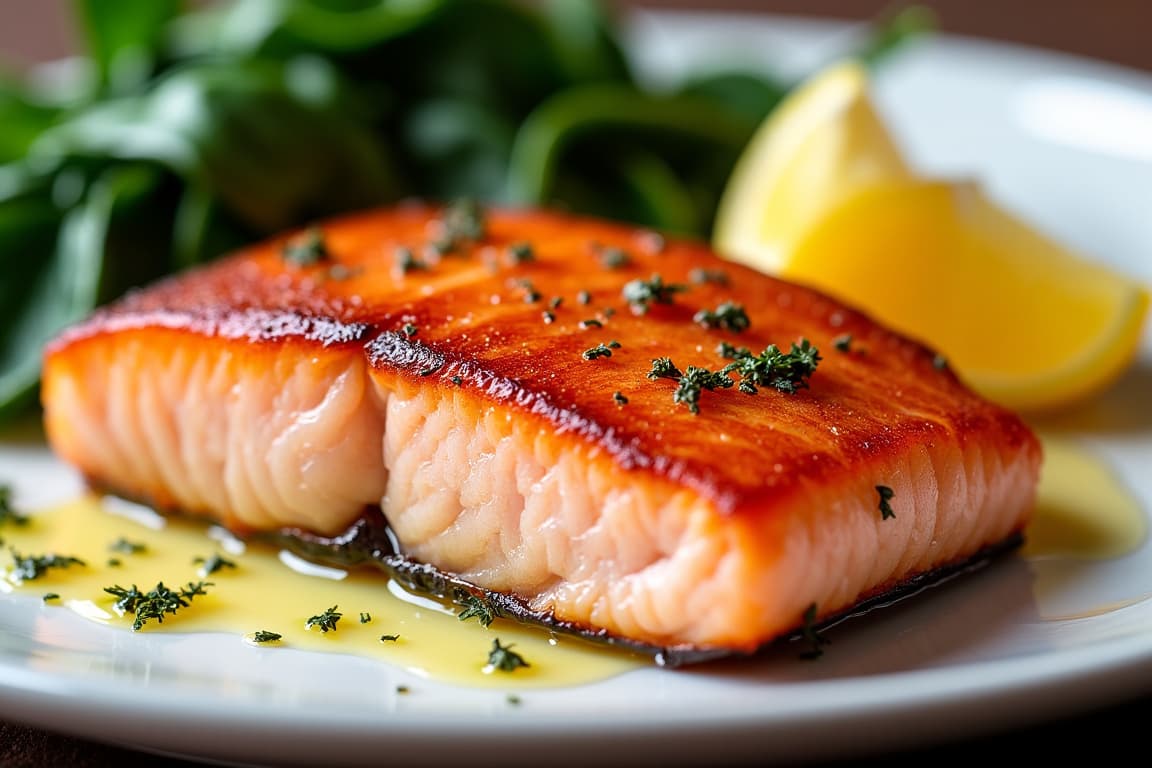
Yes. Salmon is one of the most anti-inflammatory foods available, and the science behind it is about as solid as nutrition research gets. The reason comes down to omega-3 fatty acids, specifically EPA (eicosapentaenoic acid) and DHA (docosahexaenoic acid), two compounds that directly suppress the molecular pathways driving chronic inflammation.
If you eat salmon two or three times a week, you are doing your inflammation levels a real favor.
Why Salmon Fights Inflammation
The connection between salmon and inflammation is not vague or theoretical. Omega-3 fatty acids compete with omega-6 fatty acids for the same enzymes in your body. Omega-6s (found in processed vegetable oils, fried foods, and most packaged snacks) produce pro-inflammatory compounds called prostaglandins and leukotrienes. Omega-3s from salmon produce anti-inflammatory versions of those same compounds instead.
This is not a minor effect. Studies consistently show that people who eat more omega-3-rich fish have lower levels of C-reactive protein (CRP), interleukin-6 (IL-6), and tumor necrosis factor-alpha (TNF-alpha), the three most commonly measured markers of systemic inflammation in clinical research.
A 2020 meta-analysis in the journal Nutrients reviewed 26 randomized controlled trials and found that omega-3 supplementation significantly reduced CRP and IL-6 in adults with elevated inflammation. Wild-caught salmon delivers both EPA and DHA in their most bioavailable form, without the purity concerns that come with some fish oil supplements.
The Dietary Inflammatory Index (DII), the gold-standard scoring system used by researchers to measure how food affects inflammation, gives fatty fish one of the most negative scores available. Negative DII scores mean anti-inflammatory. The higher the EPA+DHA content, the more powerfully anti-inflammatory the food scores.
Salmon's Inflammation Score Breakdown
On the Inflamous inflammation scoring system, salmon consistently ranks among the most anti-inflammatory proteins. Here is how a standard 3-oz serving of wild-caught Atlantic salmon breaks down:
- EPA content: ~0.8g (strongly anti-inflammatory)
- DHA content: ~1.2g (strongly anti-inflammatory)
- Saturated fat: ~2g (neutral to mildly pro-inflammatory at this level)
- Omega-6 content: ~0.5g (low, favorable ratio)
- Astaxanthin: present (antioxidant, anti-inflammatory)
- Vitamin D: ~440 IU (anti-inflammatory via immune regulation)
- Overall DII score: strongly negative (anti-inflammatory)
Compare that to chicken, which has minimal omega-3s and a more neutral score, or red meat, which scores higher on the inflammatory side due to arachidonic acid content.
Wild vs. Farmed: Does It Matter?
Yes, it matters, though both types are still anti-inflammatory compared to most protein sources.
Wild-caught salmon generally has a better omega-3 to omega-6 ratio because wild fish eat their natural diet of smaller fish, krill, and algae. Farmed salmon is fed a mix of fishmeal, soy, and grains, which increases its omega-6 content and reduces the omega-3 advantage.
That said, farmed Atlantic salmon still delivers meaningful amounts of EPA and DHA, and a 2021 analysis found that even farmed salmon provided anti-inflammatory benefits comparable to fish oil capsules. If wild-caught is available and affordable, choose it. If not, farmed salmon is still an excellent choice.
Canned salmon, particularly canned wild-caught sockeye or pink salmon, is an underrated option. It retains its omega-3 content and costs far less than fresh fillets.
How Astaxanthin Amplifies the Effect
Salmon's pink-orange color comes from astaxanthin, a carotenoid antioxidant that wild salmon get from eating krill and other crustaceans. Farmed salmon receive it as a supplement in their feed.
Astaxanthin is worth calling out because it has its own anti-inflammatory properties independent of omega-3s. Research shows it inhibits NF-kB, a protein complex that acts like a master switch for inflammation genes. One 2011 study in Nutrients found that astaxanthin supplementation reduced oxidative stress markers and inflammatory cytokines in overweight adults.
You get astaxanthin from eating salmon. You do not need a separate supplement.
How Much Salmon Do You Need?
The American Heart Association recommends two servings of fatty fish per week, primarily for cardiovascular protection. From an anti-inflammatory standpoint, two to three 3-4 oz servings per week appears to be the sweet spot for measurable reductions in inflammatory markers.
One serving looks like:
- A fillet roughly the size of your palm
- About 3-4 oz cooked weight
- Two cans of salmon (sharing a meal)
Daily consumption is safe and beneficial for most people, though if you are eating salmon every day, varying the type (sockeye, Atlantic, king, coho) helps you get a range of nutrients and avoids potential mercury accumulation, though salmon is genuinely low in mercury compared to larger fish like tuna or swordfish.
Best Ways to Prepare Salmon Without Losing the Benefit
How you cook salmon matters. High-heat frying in vegetable oils actually adds omega-6s and oxidizes the delicate omega-3 fats, partially undoing the anti-inflammatory benefit. Better methods:
Baking (best): 400F for 12-15 minutes preserves omega-3 integrity. Season with olive oil, garlic, and herbs for added anti-inflammatory compounds.
Poaching or steaming: Gentle heat means zero oxidation of fats. Works beautifully with lemon and dill.
Pan-searing in olive oil: A quick sear in olive oil is fine. Olive oil has its own anti-inflammatory properties from oleocanthal, and it has a high enough smoke point for a quick sear.
Avoid: Deep frying, overcooking, or cooking in corn or soybean oil. These methods degrade omega-3s and add omega-6 fats.
Raw (sushi/sashimi): Technically preserves all nutrients, though only practical with sushi-grade fish from a trusted source.
Anti-Inflammatory Salmon Meal Ideas
Pairing salmon with other anti-inflammatory foods amplifies the effect:
Salmon + leafy greens bowl: Grilled salmon over arugula with olive oil, lemon, and walnuts. Every component here scores negatively on the DII.
Baked salmon with turmeric cauliflower: Turmeric and salmon together deliver both curcumin and omega-3s, two of the most studied anti-inflammatory compounds.
Salmon and avocado toast: Avocado provides monounsaturated fats and oleic acid, which has mild anti-inflammatory properties. On sourdough, you add prebiotic fiber for gut health.
Canned salmon salad: Mix canned salmon with Greek yogurt (instead of mayo), celery, dill, and lemon. Eat on whole grain crackers or lettuce wraps.
Salmon and sweet potato: Sweet potato provides beta-carotene and fiber. Both score well on anti-inflammatory indices.
Who Benefits Most from Eating Salmon?
While everyone benefits from reducing chronic inflammation, certain groups see particularly strong results from regular salmon consumption:
Arthritis and joint pain: Multiple studies show omega-3s reduce joint stiffness and pain scores in both rheumatoid and osteoarthritis. The anti-inflammatory foods for joints article covers this in depth.
Cardiovascular disease risk: High inflammatory markers predict heart disease. Omega-3s reduce triglycerides, lower CRP, and improve arterial function.
Depression and cognitive decline: The brain is roughly 60% fat, and DHA is the dominant structural fat in neural tissue. Low omega-3 intake is associated with higher inflammation in the brain and worse mental health outcomes. People with anxiety and mood disorders often have measurably elevated neuroinflammation.
Post-exercise recovery: Omega-3s reduce exercise-induced muscle soreness and speed repair. This is why salmon appears on every anti-inflammatory diet for athletes list.
Autoimmune conditions: For people managing lupus, Crohn's, psoriasis, or PCOS, omega-3s from salmon help modulate the overactive immune response underlying these conditions.
FAQ
Is smoked salmon anti-inflammatory? Yes, smoked salmon retains its omega-3 content and remains anti-inflammatory. The concern with smoked salmon is its high sodium content, which some research links to blood pressure and cardiovascular stress. Eaten occasionally as part of a varied diet, smoked salmon is a net positive.
Is canned salmon as good as fresh? For omega-3 content, yes. Canned wild-caught salmon is nutritionally comparable to fresh. Look for salmon canned in water rather than oil, and choose wild-caught varieties like sockeye or pink salmon.
How does salmon compare to tuna for inflammation? Both are anti-inflammatory, but fatty salmon varieties (Atlantic, king, sockeye) have significantly more EPA and DHA than most tuna. Canned light tuna has less omega-3 than salmon and higher mercury. Wild-caught fresh tuna can be comparable.
Can salmon cause inflammation in some people? Fish allergies are real. For people with a salmon allergy, eating salmon triggers an immune response that is the opposite of anti-inflammatory. Outside of allergy, salmon does not cause inflammation in healthy people.
Does cooking salmon destroy its omega-3s? Moderate heat (baking, poaching, steaming) has minimal effect on omega-3 content. High-heat frying or charring can degrade some omega-3s and create pro-inflammatory compounds. Stick to gentle cooking methods for maximum benefit.
Bottom Line
Salmon earns its reputation as an anti-inflammatory superstar. The combination of high EPA and DHA, astaxanthin, vitamin D, and a favorable omega-6 to omega-3 ratio makes it one of the most powerful foods you can eat for reducing chronic inflammation.
Two to three servings a week is a realistic and effective target. Wild-caught is ideal when available, but farmed salmon still delivers meaningful benefits. Prepare it simply with olive oil and herbs, pair it with vegetables and greens, and you are building a diet that pushes your inflammation markers in the right direction.
Want to see how your favorite foods score on the inflammation index? Download the Inflamous app to get personalized inflammation scores for everything you eat.