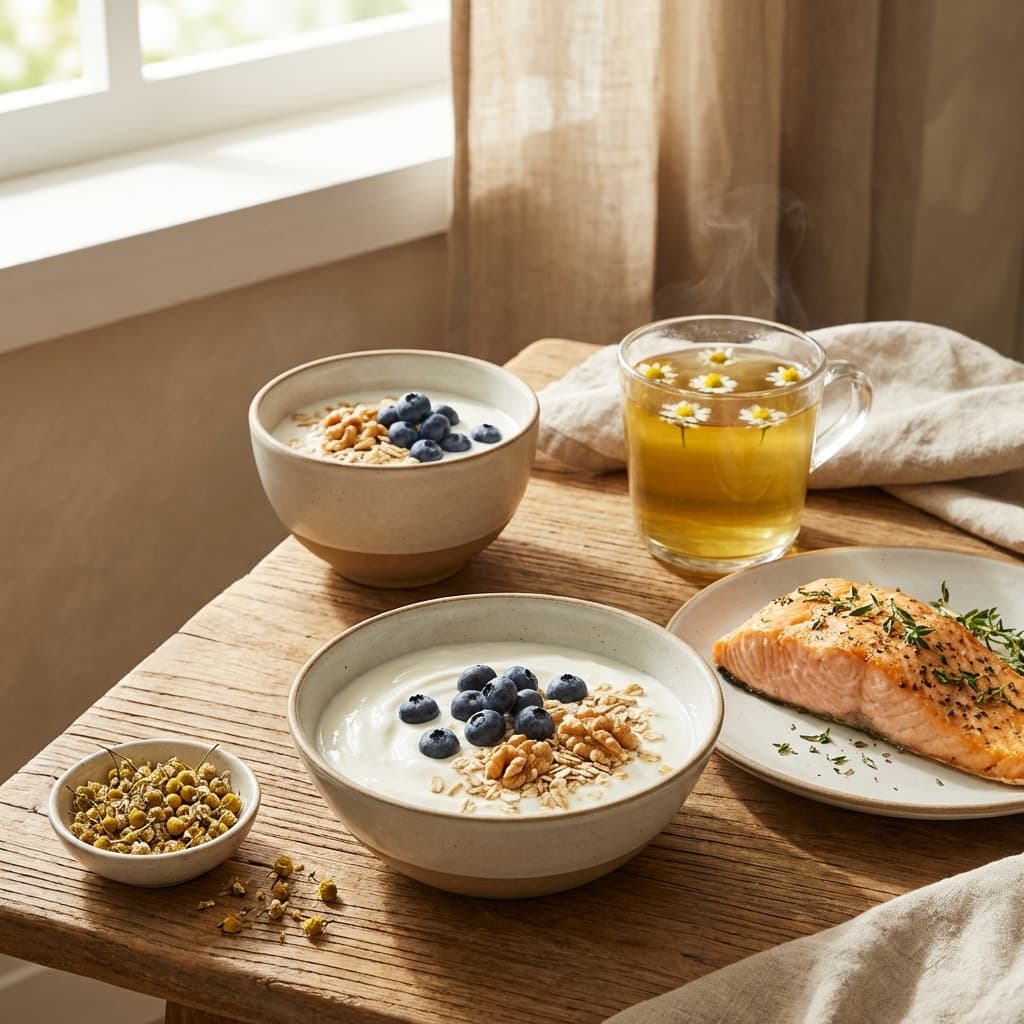
The idea that what you eat affects how you feel emotionally is not new. The evidence behind it, however, has grown dramatically in the past decade. Research now shows that anxiety and chronic inflammation are bidirectionally linked through the gut-brain axis, and that dietary patterns score significantly better or worse on anxiety outcomes based on their inflammatory load.
This is not about food as a replacement for therapy or medication. It is about recognizing that your diet is a lever you can pull to meaningfully reduce one of the key physiological drivers of anxiety: neuroinflammation.
The Inflammation-Anxiety Connection
Anxiety is not purely psychological. It has a biological substrate, and inflammation is deeply involved.
When cytokines like IL-6 and TNF-alpha enter the brain (directly or through vagal nerve signaling), they alter neurotransmitter production and signaling. Specifically, inflammation:
- Reduces serotonin synthesis by diverting the precursor tryptophan toward inflammatory kynurenine pathways
- Increases glutamate activity, which drives excitatory neural states associated with anxiety
- Activates the HPA (hypothalamic-pituitary-adrenal) axis, leading to elevated cortisol
- Suppresses BDNF (brain-derived neurotrophic factor), reducing the brain's ability to adapt and regulate emotional responses
A 2019 meta-analysis in Psychiatry Research reviewed 40 studies and found that people with anxiety disorders had significantly elevated CRP and IL-6 compared to healthy controls, consistent with an inflammatory component to anxiety.
The Dietary Inflammatory Index (DII) has been directly studied in relation to anxiety. A 2020 study in Nutrients found that higher DII scores (more pro-inflammatory diets) were significantly associated with higher anxiety scores, even after controlling for demographic variables.
The Gut-Brain Axis: Where Diet Meets Mental Health
Your gut and brain communicate bidirectionally through the vagus nerve, the enteric nervous system, and immune signaling. This gut-brain axis is the primary mechanism through which diet influences anxiety.
Roughly 90-95% of serotonin is produced in the gut, not the brain. Gut bacteria synthesize serotonin precursors, produce short-chain fatty acids (SCFAs) that reduce neuroinflammation, and directly signal the vagus nerve, which carries information to the brain's anxiety and mood centers.
When gut bacteria are disrupted by inflammatory foods (ultra-processed foods, excessive sugar, refined carbohydrates, alcohol), serotonin production falls, intestinal permeability increases, and bacterial endotoxins (LPS) enter the bloodstream. LPS directly activates inflammatory pathways that reach the brain within hours.
This is why the anti-inflammatory foods for gut health article and mental health research are converging: healing the gut is one of the most potent ways to reduce neuroinflammation driving anxiety.
Foods That Help Reduce Anxiety Through Anti-Inflammation
Omega-3 Fatty Acids (Fatty Fish)
DHA and EPA from salmon, sardines, and mackerel are among the most evidence-backed dietary interventions for both inflammation and mood. DHA is the primary structural fat in neural membranes, and low DHA is associated with impaired emotional regulation.
A 2011 study published in Brain, Behavior, and Immunity found that medical students taking omega-3 supplements showed a 20% reduction in anxiety scores and a significant reduction in IL-6 compared to placebo. This is one of the few dietary interventions for anxiety tested in a rigorous double-blind trial.
Target: 2-3 servings of fatty fish per week, or 1-2g of EPA+DHA from supplements daily.
Fermented Foods
Fermented foods containing live bacteria (kefir, yogurt, kimchi, sauerkraut, miso) support the microbiome diversity that drives healthy gut-brain signaling.
A compelling 2021 study at Stanford found that a high-fermented food diet significantly increased microbiome diversity and reduced 19 pro-inflammatory cytokines in healthy adults. For anxiety specifically, a 2019 review in General Psychiatry found that probiotic interventions reduced anxiety symptoms in 34 of 34 reviewed studies.
The specific bacteria in fermented foods produce GABA (gamma-aminobutyric acid), the primary inhibitory neurotransmitter in the brain that reduces anxiety signaling. Lactobacillus rhamnosus specifically, studied in multiple animal and human trials, shows direct anxiolytic effects via the vagus nerve.
Magnesium-Rich Foods
Magnesium is a cofactor in over 300 enzymatic reactions, including those governing the HPA stress axis and GABA receptor function. Magnesium deficiency is extremely common in Western diets and is independently associated with higher anxiety scores.
Magnesium suppresses glutamate activity (the excitatory neurotransmitter), reduces cortisol response to stress, and has direct anti-inflammatory properties through NF-kB inhibition.
Best dietary sources: dark leafy greens (spinach, Swiss chard), pumpkin seeds, dark chocolate (85% cocoa), legumes, whole grains, and nuts.
Turmeric and Anti-Inflammatory Spices
Curcumin's anti-anxiety effects have been documented in several clinical trials. A 2017 randomized trial in Journal of Affective Disorders found that highly bioavailable curcumin reduced anxiety and depression scores comparably to fluoxetine (Prozac) in a small but well-designed study.
The mechanism is dual: curcumin directly reduces neuroinflammation, and it increases BDNF and serotonin levels through separate pathways.
Always combine turmeric with fat and black pepper for absorption.
Whole Grains and Fiber
Dietary fiber from whole grains, legumes, vegetables, and fruits feeds gut bacteria that produce SCFAs including butyrate. Butyrate is one of the most important anti-inflammatory compounds for the gut lining and also crosses the blood-brain barrier, where it directly reduces microglial activation.
The fiber and inflammation article covers this mechanism in depth. In the context of anxiety, adequate fiber intake supports the bacterial diversity that produces the serotonin precursors and GABA needed for emotional stability.
Dark Chocolate (70%+ Cocoa)
Cacao polyphenols reduce cortisol levels, increase serotonin production, and lower inflammatory cytokines. A 2019 study of over 13,000 adults found that regular dark chocolate consumption was inversely associated with depression symptoms, with the greatest effect in those eating 70%+ cocoa chocolate.
Magnesium in dark chocolate also contributes to GABA receptor function.
Green Tea
L-theanine, the amino acid unique to green tea, crosses the blood-brain barrier and directly enhances GABA and serotonin activity while reducing glutamate. Multiple placebo-controlled trials show L-theanine reduces subjective anxiety and lowers cortisol response to stressors.
The combination of L-theanine and caffeine in green tea produces calm, focused alertness distinct from the cortisol-spiking effect of coffee alone.
Foods That Make Anxiety Worse Through Inflammation
Refined sugar and high-glycemic carbohydrates: Blood sugar crashes trigger cortisol release, which activates the HPA axis and worsens anxiety. Sugar and inflammation has the full mechanism.
Alcohol: Despite the short-term anxiolytic effect, alcohol and inflammation makes clear that alcohol disrupts sleep, depletes B vitamins critical for neurotransmitter production, and causes rebound anxiety as it metabolizes. Many people with anxiety who drink for relief find their baseline anxiety worsening over time.
Ultra-processed foods: Ultra-processed foods disrupt the microbiome, increase gut permeability, and reduce serotonin production through multiple mechanisms.
Artificial sweeteners: Gut dysbiosis from artificial sweeteners may worsen anxiety through reduced GABA production and increased intestinal inflammation.
Excessive caffeine: Unlike the balanced caffeine-L-theanine combination in green tea, isolated caffeine from coffee at high doses increases cortisol and can trigger or worsen anxiety, particularly in people with high caffeine sensitivity.
Anti-Inflammatory Anxiety Diet: A Sample Week
The SMILES trial (Supporting the Modification of lifestyle In Lowered Emotional States) is the most rigorous dietary intervention trial for depression and anxiety. Participants who switched from a Western diet to a Mediterranean-style anti-inflammatory diet showed significantly lower depression and anxiety scores after 12 weeks, with 32% achieving full remission.
The SMILES diet mirrors a low-DII pattern:
Daily foundation:
- 3-5 servings colorful vegetables
- 2-3 whole grain servings
- Legumes 3+ times per week
- 2-3 servings fatty fish per week
- Olive oil as primary fat
- Daily fermented foods (yogurt, kefir, or fermented vegetables)
- Nuts and seeds daily
- Moderate dark chocolate
Weekly:
- Salmon or sardines twice minimum
- Lentils or chickpeas in at least 3 meals
- Leafy greens at every lunch and dinner
For a structured framework, see anti-inflammatory diet for beginners and 7-day anti-inflammatory meal plan.
Lifestyle Factors That Compound the Effect
Diet alone moves the needle. Combined with these factors, the anti-inflammatory anxiety effect is amplified substantially:
Sleep: Inflammation and sleep are bidirectionally linked. Prioritizing 7-9 hours of quality sleep is independently one of the most powerful anti-inflammatory interventions.
Exercise: Moderate aerobic exercise reduces IL-6 and TNF-alpha, increases BDNF, and improves microbiome diversity. The combination with anti-inflammatory diet shows additive effects in trials.
Stress management: Chronic psychological stress activates the same inflammatory pathways as inflammatory food. Meditation, mindfulness, and relaxation practices reduce inflammatory cytokines independently of diet.
FAQ
Can diet cure anxiety? Diet is not a cure for anxiety, but it is a meaningful modifier. The SMILES trial showed 32% full remission from depression and anxiety with dietary change alone, comparable to some medication interventions. Diet works best as part of an integrated approach including therapy, sleep, and exercise.
How long does anti-inflammatory diet take to reduce anxiety? The SMILES trial and other dietary intervention studies see measurable anxiety reductions at 8-12 weeks. Gut microbiome changes (one of the primary mechanisms) stabilize around 4-6 weeks of consistent dietary change.
Does gluten cause anxiety? For people with celiac disease, gluten causes direct gut inflammation that can worsen anxiety through the gut-brain axis. For those without celiac or sensitivity, gluten and inflammation shows no consistent evidence that gluten itself drives anxiety.
Is caffeine bad for anxiety? It depends. High coffee intake increases cortisol and can worsen anxiety in sensitive individuals. Green tea's caffeine-L-theanine combination is better tolerated and has direct anxiolytic properties. Individual sensitivity varies; some people tolerate coffee well without anxiety effects.
What supplements help anxiety through anti-inflammation? Omega-3 (EPA+DHA), magnesium glycinate, and probiotics have the strongest evidence for anxiety with an inflammatory/gut-brain mechanism. Bioavailable curcumin is also supported by early trial evidence.
Bottom Line
Anxiety has a significant neuroinflammatory and gut-brain component that diet can meaningfully address. Fatty fish for DHA, fermented foods for microbiome diversity, magnesium-rich foods, turmeric, and fiber all work through distinct anti-inflammatory pathways that reduce the biological drivers of anxiety.
This is not about replacing professional mental health care. It is about removing one of the most modifiable underlying causes of anxiety from the list of things working against you.
Track how your daily diet scores for inflammation and brain health with the Inflamous app.