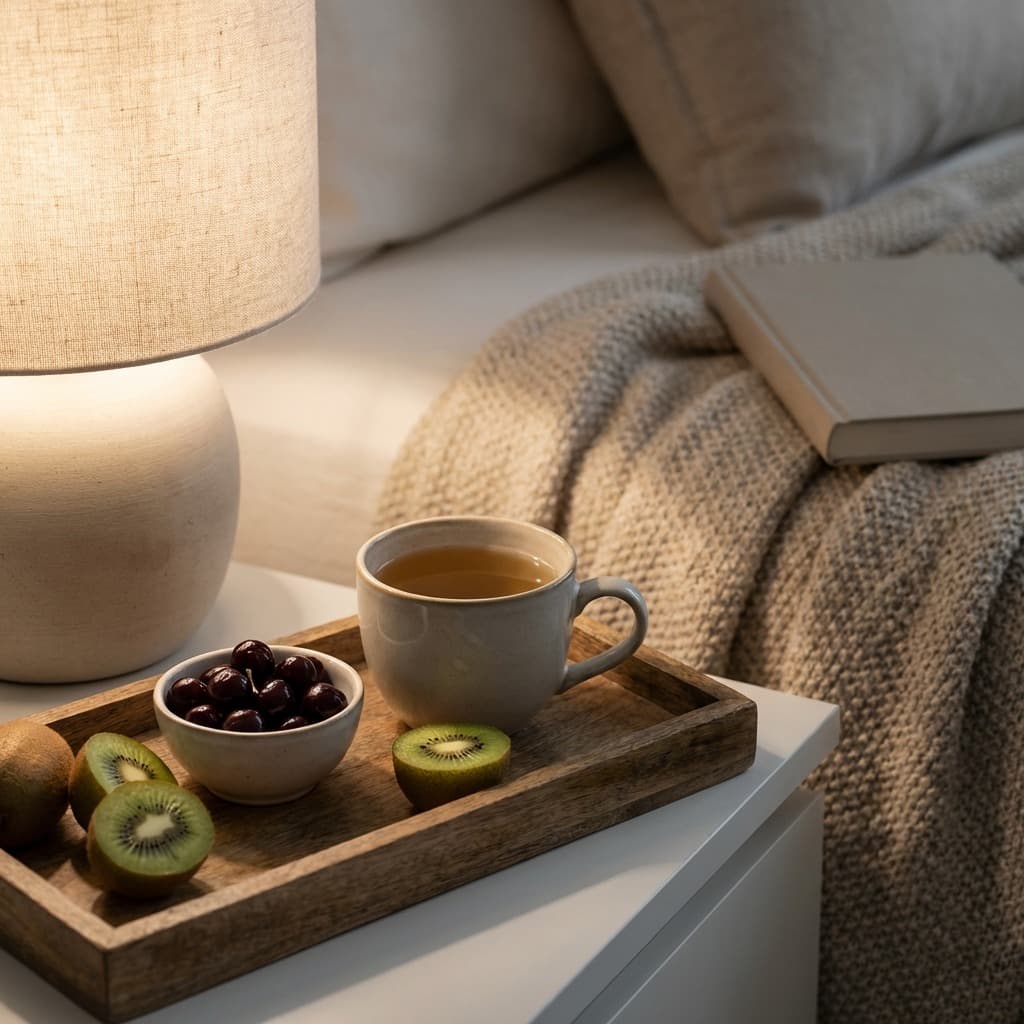
Inflammation and sleep are closely linked. Research suggests that too little sleep, poor-quality sleep, and irregular sleep schedules are associated with higher levels of inflammatory markers such as C-reactive protein, interleukin-6, and tumor necrosis factor-alpha. At the same time, inflammation itself may make sleep worse by increasing pain, disrupting circadian rhythms, and changing how rested you feel. If you are wondering about the connection between inflammation and sleep, the key point is simple: poor sleep may raise inflammatory stress, and higher inflammation may make good sleep harder to get.
That makes sleep one of the most overlooked tools in an anti-inflammatory lifestyle. People often focus on turmeric shots or supplements while ignoring the fact that sleeping five hours a night can undercut almost everything else.
How sleep loss affects inflammation
Short sleep acts like a stress signal to the body. Even a few nights of reduced sleep can shift hormone balance, appetite regulation, insulin sensitivity, and immune signaling. That shift may increase inflammatory activity, especially if the sleep loss becomes chronic.
Several studies have found that people who routinely sleep too little tend to have higher levels of inflammatory markers. Sleep deprivation may also make people more sensitive to pain and more likely to crave refined, high-calorie foods the next day, which can further worsen the dietary inflammatory pattern.
This is why sleep and food often travel together. After poor sleep, people are more likely to reach for sugary drinks, snack foods, and extra caffeine. Those habits can push the daily DII profile in the wrong direction, especially if they repeat for weeks.
Inflammation can also ruin your sleep
The relationship goes both ways. People dealing with chronic pain, obesity, sleep apnea, autoimmune conditions, depression, or metabolic dysfunction often have higher inflammatory stress, and that can feed back into poor sleep quality.
Pain is the most obvious mechanism. If joints hurt or your body feels achy, staying asleep gets harder. But there are others too. Inflammatory cytokines may influence brain signaling involved in sleep regulation, and systemic inflammation is often associated with fatigue that feels unrefreshing rather than restorative.
In other words, you can spend eight hours in bed and still feel wrecked if inflammation is high enough to disrupt the quality of sleep.
Why the sleep-inflammation cycle matters for diet
The connection between sleep and diet is strong. Poor sleep often leads to:
- Higher appetite
- Worse blood sugar control
- Stronger cravings for sugary or salty foods
- More caffeine late in the day
- Lower motivation to cook or exercise
That means sleep loss can quietly increase inflammatory load by changing your food choices. A bad night often leads to pastries, sweetened coffee, vending machine snacks, takeout, and late-night eating. Those are exactly the patterns that show up in more pro-inflammatory diet scores.
This is why sleep should be part of every anti-inflammatory plan, right next to foods like salmon, olive oil, berries, and beans. If your diet is good but your sleep is chronically poor, you may not get the full benefit.
What the research says about sleep duration
Both very short sleep and very long sleep are often associated with worse health outcomes, though the reasons can differ. For most adults, roughly 7 to 9 hours per night is the range most consistently associated with better immune and metabolic health.
That does not mean everyone needs exactly 8 hours. Individual needs vary. The bigger issue is whether your sleep is regular, sufficient, and actually restorative.
Shift work, inconsistent bedtimes, alcohol, heavy evening meals, and too much late caffeine can all interfere. So can under-eating, stress, and bright screens at night.
The Inflammation Score Breakdown
Sleep is not a food, but it changes the inflammation score of your day indirectly by influencing behavior and biology.
When sleep is poor, you are more likely to see:
- Higher cravings for sugar and ultra-processed foods
- More coffee and caffeine dependence
- Less impulse control around snacks
- Worse insulin sensitivity
- Higher pain sensitivity
- More fatigue and less activity
When sleep improves, it often becomes easier to:
- Stick to a lower-inflammatory meal plan
- Eat more fiber and whole foods
- Reduce sugar intake
- Tolerate training better
- Recover from stress more efficiently
That is why sleep belongs in the same conversation as anti-inflammatory diet for beginners, sugar and inflammation, and anti-inflammatory snacks for work. It sets the stage for whether you can follow through.
Five ways to support sleep and lower inflammatory stress
1) Keep caffeine earlier
Coffee is not automatically inflammatory, but late-day caffeine may hurt sleep quality. Many people do better when caffeine stays in the first half of the day.
2) Eat a steadier dinner
Heavy, greasy, or sugar-loaded late meals can make sleep worse. A better dinner is balanced: protein, fiber, vegetables, and healthy fats. Use ideas from anti-inflammatory dinner recipes if you need an easy starting point.
3) Make your schedule boring
Going to bed and waking up at roughly the same time supports circadian rhythm. It sounds simple because it is. It also works better than most trendy sleep hacks.
4) Address pain and stiffness early
If discomfort keeps waking you, your inflammation plan needs to include symptom management, movement, and medical support where needed. Diet helps, but it is not the only tool.
5) Build the day around anti-inflammatory basics
Foods like green tea, berries, fish, beans, nuts, and leafy greens may support better overall inflammatory balance. So can cutting back on ultra-processed foods and excessive alcohol.
FAQ
Can lack of sleep cause inflammation?
Research suggests chronic short sleep is associated with higher inflammatory markers and worse metabolic regulation, which may increase inflammatory stress over time.
Does inflammation make you tired?
Yes, it may. Inflammation is often associated with fatigue, low energy, and less restorative sleep, especially when pain or illness is involved.
How many hours of sleep help reduce inflammation?
Most adults tend to do best in the 7 to 9 hour range, though individual needs vary. Consistency and sleep quality matter too.
Can improving sleep lower inflammation quickly?
Some changes in stress, energy, and food cravings may improve within days, but the larger benefits usually come from repeated good sleep over time.
Bottom line
Inflammation and sleep affect each other in both directions. Poor sleep may raise inflammatory stress, and inflammation may make restful sleep harder to get. If you want a lower-inflammatory lifestyle, sleep is not optional background hygiene. It is one of the central levers.
The Inflamous app helps you connect the dots between meals, symptoms, and daily habits so you can see how sleep and food together shape your inflammation score over time.
Why late-night eating and alcohol complicate the picture
Sleep is not only about bedtime. What happens in the evening matters too. Large late meals, frequent alcohol, and dessert-heavy snacking can all disrupt sleep quality, especially if they lead to reflux, overheating, or unstable blood sugar overnight.
Alcohol is a common trap because it may make you feel sleepy at first while quietly worsening sleep later in the night. That means you wake up less restored, which can increase cravings and inflammatory stress the next day.
A lighter dinner built around protein, vegetables, fiber, and healthy fats is often a better setup for both sleep and inflammation than takeout plus drinks plus dessert.
Exercise helps, but timing matters
Regular movement is associated with better sleep and lower inflammatory burden over time. But intense late-night exercise can make it harder for some people to fall asleep, especially if it ends close to bedtime.
For most people, the sweet spot is regular daytime movement plus a wind-down routine that lets body temperature and alertness come down at night.
Signs your sleep may be affecting your inflammation more than you think
A few clues often show up together:
- You rely on caffeine all day
- You wake unrefreshed even after enough time in bed
- You have stronger sugar cravings after short nights
- Joint pain or soreness feels worse after poor sleep
- Your routine gets harder to maintain when your schedule slips
If those patterns sound familiar, sleep is not a side issue. It may be one of the main reasons your diet and symptom efforts have stalled.