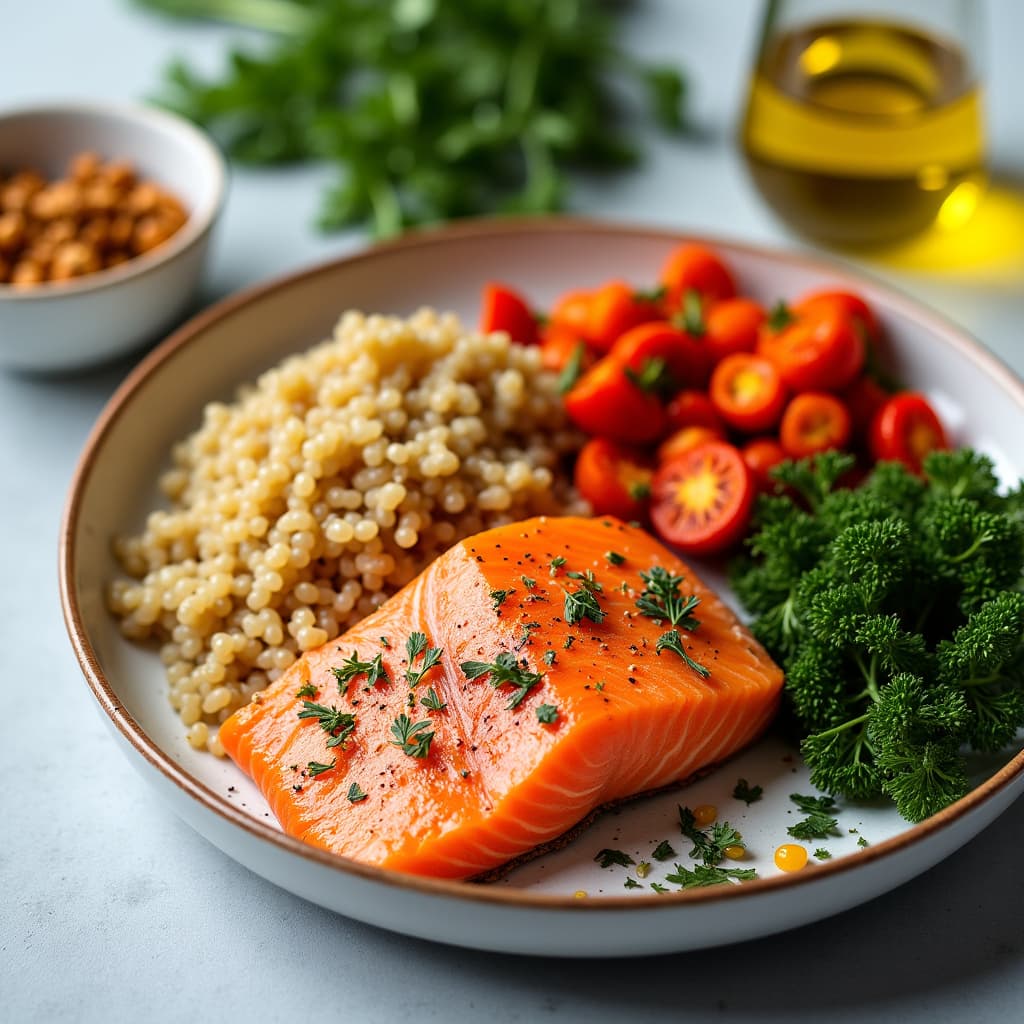
The best anti inflammatory dinner recipes are not exotic or complicated. They are simple meals built around vegetables, legumes, fish, olive oil, herbs, spices, and minimally processed carbs. If dinner regularly includes fiber, quality fats, and less added sugar, your overall Dietary Inflammatory Index (DII) profile usually improves. The recipes below are designed to do exactly that, without requiring a weekend cooking project.
A useful anti-inflammatory dinner does three things at once: it keeps refined carbs in check, adds ingredients linked with lower inflammatory load, and makes it easier to repeat the habit. That last part matters most. A healthy dinner you actually cook beats the perfect recipe you never make.
What makes a dinner more anti-inflammatory
Inflammation-friendly meals usually emphasize a few recurring features:
- Plenty of colorful plants
- Fiber from beans, vegetables, whole grains, or lentils
- Anti-inflammatory fats from olive oil, nuts, seeds, or fatty fish
- Herbs and spices such as turmeric, ginger, garlic, cumin, and rosemary
- Limited ultra-processed sauces and added sugars
This aligns with the pattern discussed in anti-inflammatory diet for beginners and the complete list of anti-inflammatory foods. You do not need every dinner to be perfect. You want the weekly pattern to tilt in the right direction.
1) Sheet pan salmon, sweet potatoes, and broccoli
Why it works: Salmon brings omega-3 fats, one of the most consistently anti-inflammatory nutrients in diet research. Sweet potatoes add fiber and carotenoids, while broccoli contributes sulforaphane-rich compounds.
Ingredients
- 4 salmon fillets
- 2 medium sweet potatoes, cubed
- 1 large head broccoli, cut into florets
- 2 tablespoons olive oil
- 1 teaspoon garlic powder
- 1 teaspoon paprika
- Salt and pepper
- Lemon wedges
Directions
- Heat oven to 425°F.
- Toss sweet potatoes and broccoli with olive oil and seasonings.
- Roast 15 minutes.
- Add salmon, season lightly, roast 10 to 12 minutes more.
- Finish with lemon.
Inflammation note: Salmon and olive oil pull the meal in a favorable direction, while the vegetables add fiber and polyphenols. This is a strong DII-friendly dinner. For more on fish and inflammation, see inflammation and heart disease: what to eat.
2) Lentil and spinach coconut curry
Why it works: Lentils are rich in fiber and plant compounds, and spinach contributes folate, carotenoids, and magnesium. Ginger, garlic, and curry spices help build an anti-inflammatory flavor base.
Ingredients
- 1 tablespoon olive oil
- 1 onion, chopped
- 3 cloves garlic, minced
- 1 tablespoon grated ginger
- 1 tablespoon curry powder
- 1 teaspoon turmeric
- 1 cup red lentils
- 1 can light coconut milk
- 2 cups low-sodium broth
- 4 cups spinach
- Lime and cilantro
Directions
- Sauté onion in olive oil for 5 minutes.
- Add garlic, ginger, curry powder, and turmeric.
- Stir in lentils, broth, and coconut milk.
- Simmer 18 to 20 minutes.
- Fold in spinach until wilted.
- Finish with lime and cilantro.
Inflammation note: Lentils score well because of fiber and low glycemic impact. Spices like turmeric can further improve the meal's inflammatory profile. Pair with a small serving of brown rice if you want it more filling.
3) Chicken, farro, and roasted vegetable bowls
Why it works: This bowl balances protein, fiber, and texture without relying on sugary sauces. Farro is a hearty whole grain that digests more slowly than refined grains.
Ingredients
- 1 cup farro
- 2 chicken breasts
- Zucchini, red onion, bell peppers
- 2 tablespoons olive oil
- 1 teaspoon oregano
- 1 teaspoon cumin
- Salt, pepper, lemon
- Optional: avocado slices
Directions
- Cook farro according to package.
- Roast chopped vegetables at 425°F with olive oil and spices.
- Pan-sear or bake chicken until cooked through.
- Slice chicken and serve over farro with roasted vegetables.
- Top with lemon and avocado if desired.
Inflammation note: This is better than many grain bowls because it skips heavy sweet dressings and includes whole grains and vegetables. Add avocado for extra fiber and monounsaturated fat.
4) Turmeric turkey meatballs with herbed quinoa
Why it works: Turkey is lean, and adding onion, herbs, and turmeric improves flavor without depending on processed binders or sugary sauces.
Ingredients
- 1 pound ground turkey
- 1 egg
- 1 small onion, grated
- 2 cloves garlic
- 1 teaspoon turmeric
- 1 teaspoon cumin
- 1 cup cooked quinoa
- Chopped parsley
- Side salad
Directions
- Mix turkey, egg, onion, garlic, turmeric, cumin, salt, and pepper.
- Form meatballs and bake at 400°F for 15 to 18 minutes.
- Toss quinoa with parsley, lemon, and olive oil.
- Serve with salad greens.
Inflammation note: Quinoa and greens help the meal stay balanced. Turmeric adds anti-inflammatory appeal, though no single spice turns a bad diet into a good one.
5) Sardine pasta with tomatoes, garlic, and arugula
Why it works: Sardines are budget-friendly, high in omega-3s, and easy to keep on hand. Whole grain or legume-based pasta improves the meal further.
Ingredients
- 8 ounces whole grain spaghetti
- 1 tin sardines in olive oil
- 3 cloves garlic
- 1 pint cherry tomatoes
- 2 cups arugula
- Chili flakes, lemon zest, parsley
Directions
- Cook pasta.
- Sauté garlic and tomatoes in olive oil from the sardines.
- Add sardines and break them up gently.
- Toss with pasta, arugula, lemon zest, and parsley.
Inflammation note: This recipe offers omega-3s and a lower-inflammatory fat profile than many meat-heavy pasta dinners. It is a good alternative to creamy pasta dishes.
6) Black bean taco bowls with cabbage slaw
Why it works: Beans bring fiber, magnesium, and plant protein. Cabbage slaw adds crunch and polyphenols, while avocado adds satisfying fat.
Ingredients
- 2 cans black beans, drained
- Brown rice or cauliflower rice
- Shredded cabbage
- Lime juice
- Olive oil
- Cumin, chili powder, garlic
- Salsa
- Avocado
Directions
- Warm beans with cumin, chili powder, garlic, and a splash of water.
- Toss cabbage with lime and olive oil.
- Build bowls with rice, beans, slaw, salsa, and avocado.
Inflammation note: Beans are one of the most practical foods for improving the DII profile of a meal. This dinner is affordable, filling, and easy to batch cook.
7) Ginger tofu stir-fry with mushrooms and snap peas
Why it works: Tofu provides protein without the saturated fat load of many takeout stir-fries. The sauce stays light and the vegetables do the heavy lifting.
Ingredients
- 1 block extra-firm tofu
- 1 tablespoon grated ginger
- 2 cloves garlic
- Mushrooms, snap peas, carrots
- Low-sodium tamari
- Rice vinegar
- Sesame seeds
- Olive or avocado oil
Directions
- Press and cube tofu.
- Brown tofu in a skillet.
- Add vegetables, garlic, and ginger.
- Stir in tamari and rice vinegar.
- Serve over brown rice or cauliflower rice.
Inflammation note: Compared with typical takeout, this version is lower in sugar and less dependent on refined oils. Ginger adds flavor and a better ingredient profile.
8) White bean, tomato, and kale skillet
Why it works: This is one of the fastest anti inflammatory dinner recipes you can make. It is built from pantry staples and lands well nutritionally.
Ingredients
- 2 cans white beans
- 1 can diced tomatoes
- 1 bunch kale
- 3 cloves garlic
- 2 tablespoons olive oil
- 1 teaspoon rosemary
- Red pepper flakes
Directions
- Sauté garlic in olive oil.
- Add tomatoes, beans, rosemary, and pepper flakes.
- Simmer 10 minutes.
- Stir in chopped kale until tender.
- Serve with crusty whole grain toast if desired.
Inflammation note: Beans, tomatoes, and kale create a fiber-rich meal with a strong nutrient density-to-effort ratio.
The Inflammation Score Breakdown
Across these recipes, the ingredients that most often improve the score are:
- Omega-3 fish: salmon and sardines rate strongly favorable
- Olive oil: one of the best-studied fats for lower-inflammatory eating
- Legumes: lentils, black beans, and white beans support fiber intake and steadier glucose response
- Leafy greens: spinach and kale add micronutrients and plant compounds
- Spices and aromatics: turmeric, ginger, garlic, cumin, and herbs increase flavor without relying on sugar-heavy sauces
The biggest things that can worsen dinner scores are sweet bottled sauces, oversized portions of refined grains, fried proteins, and dessert-style drinks with the meal. If you want to compare individual ingredients, the Inflamous app helps you see how the whole plate affects your daily inflammation load.
How to make weeknight dinners easier to repeat
The secret is not motivation. It is setup.
Cook one grain, roast one tray of vegetables, and keep one protein ready. That gives you enough pieces to mix and match bowls, curries, salads, and skillet meals across several nights. You can also borrow prep ideas from anti-inflammatory meal plan: 7 days of recipes.
A few easy upgrades help too:
- Keep canned beans and fish in the pantry
- Use frozen vegetables when needed
- Make a quick olive oil and lemon dressing instead of buying sugary sauces
- Build around one reliable spice blend
FAQ
What is the best anti-inflammatory dinner?
There is no single best dinner, but meals built around fish, legumes, vegetables, olive oil, herbs, and whole grains tend to score well.
Are anti-inflammatory dinners low carb?
Not necessarily. Many are moderate in carbs rather than low carb. The key is choosing higher-fiber, less refined carbohydrate sources and balancing them with protein and fat.
Can I eat meat on an anti-inflammatory diet?
Yes. Lean poultry and occasional minimally processed red meat can fit. The issue is usually frequency, portion size, and what the meal looks like overall.
What should I avoid adding to healthy dinners?
Try to limit sugar-heavy sauces, deep-fried sides, processed meats, and oversized portions of refined starches.
Bottom line
The best anti inflammatory dinner recipes are easy enough to repeat on a Tuesday night. Start with one omega-3 meal, two bean-based meals, and a few vegetable-heavy bowls each week. That pattern may lower your overall inflammatory load far more effectively than chasing a perfect superfood.
Use the Inflamous app to score your dinners, compare ingredients, and see which weeknight meals actually move your daily inflammation total in the right direction.