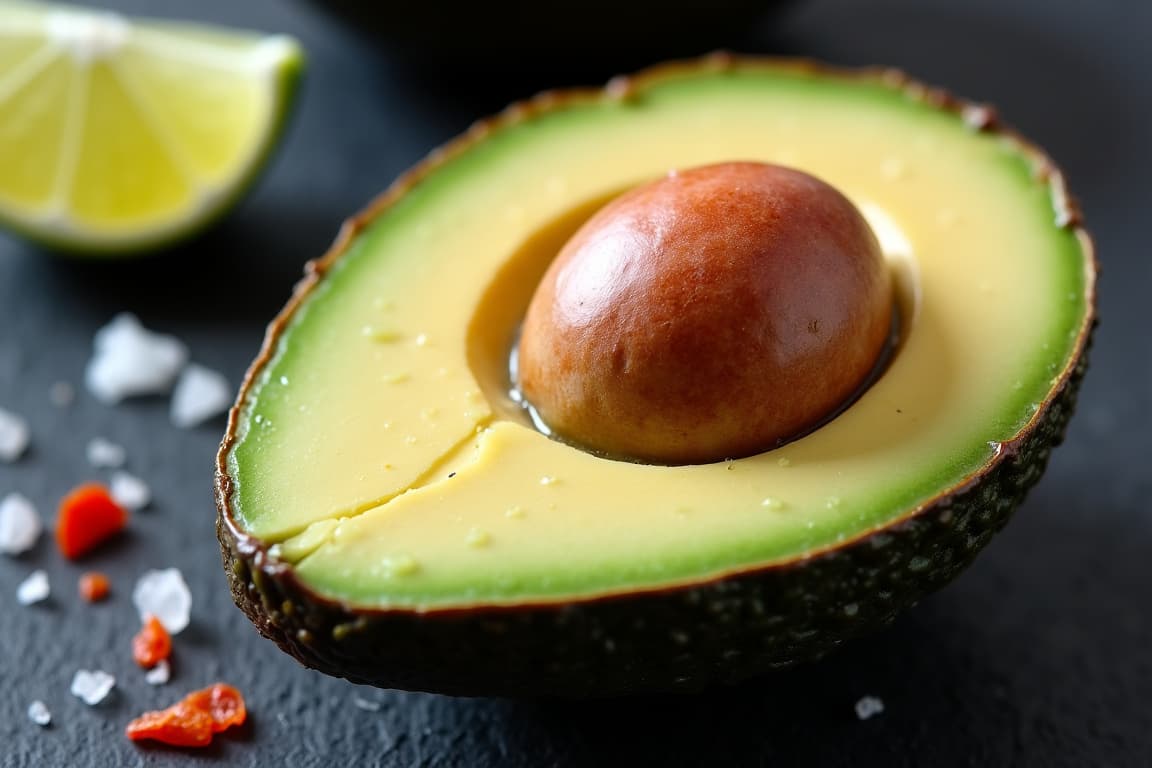
Yes, avocado is generally considered anti-inflammatory, or at least inflammation-friendly, when you look at its nutrient profile and how it fits into the Dietary Inflammatory Index (DII). It is rich in monounsaturated fat, especially oleic acid, provides fiber, and contains carotenoids and polyphenols that are associated with lower inflammatory stress. That does not make avocado a miracle food, but research suggests it may be a smart staple in an anti-inflammatory eating pattern.
If you are searching "is avocado anti inflammatory," the short answer is this: avocado tends to land on the beneficial side of the equation, especially when it replaces ultra-processed snacks, refined spreads, or meals high in pro-inflammatory fats.
Why avocado tends to score well in an anti-inflammatory diet
Avocado is unusual because it is a fruit with a fat profile more similar to olive oil than to most produce. About two-thirds of its fat comes from monounsaturated fat, with oleic acid as the main player. Oleic acid has been studied for its relationship with lower levels of inflammatory signaling, particularly when it replaces saturated fat-heavy foods.
That matters in real diets. Most people do not eat nutrients in isolation. They eat toast with butter, chips with dip, or fast-food meals made with refined oils and low fiber. Swapping some of those foods for avocado changes several inflammation-related variables at once. You get more fiber, less refined starch, more potassium, and a better fatty acid balance.
Avocado also contains compounds such as lutein, zeaxanthin, tocopherols, and smaller amounts of polyphenols. These compounds may help reduce oxidative stress, which is closely linked with chronic low-grade inflammation. Research on whole-diet patterns consistently shows that plant-rich diets with foods like avocado, extra virgin olive oil, berries, leafy greens, and legumes are associated with lower inflammatory markers.
This is one reason avocado fits naturally beside foods featured in our guide to the complete list of anti-inflammatory foods and in a broader anti-inflammatory diet for beginners.
What the research actually says about avocado
Human studies on avocado are not as large or as long as the research on Mediterranean diet patterns, but the evidence is still useful. Some feeding studies suggest that avocado-containing meals may improve post-meal metabolic responses compared with meals higher in refined carbohydrate or saturated fat. Others suggest avocado intake may support healthier blood lipids, better satiety, and higher diet quality.
That last point matters more than it sounds. Better diet quality often means a lower inflammatory load overall. People who add avocado to meals may end up eating more vegetables, more fiber, and fewer processed snacks because avocado is filling and works well in real food-based meals.
A medium avocado provides roughly 10 grams of fiber, which is substantial. Fiber is one of the clearest anti-inflammatory diet factors in DII-style thinking because it supports gut health, microbial diversity, and production of beneficial short-chain fatty acids. If you have read our article on fiber and inflammation, you already know that higher-fiber eating patterns are associated with lower inflammation burden over time.
Avocado is also naturally low in sugar and does not create the same rapid blood sugar spike as many snack foods. That may help when the rest of your diet is already high in refined carbs. Inflammation is not about one blood sugar reading, but frequent high-glycemic meals are often part of a more pro-inflammatory pattern.
Avocado, oleic acid, and polyphenols: the main reasons it may help
When people ask whether avocado is anti-inflammatory, three parts of the nutrition profile usually matter most.
First, there is oleic acid. This is the same monounsaturated fat that gives olive oil much of its reputation in anti-inflammatory dietary patterns. Oleic acid is associated with better cardiometabolic markers and may help moderate inflammatory signaling when used instead of more pro-inflammatory fat sources.
Second, there is fiber. A whole avocado provides a meaningful amount, and most adults do not get enough. Fiber helps with fullness, bowel regularity, and gut-derived metabolites that may influence inflammation.
Third, there are plant compounds. Avocado contains carotenoids and polyphenols, especially when eaten with other colorful produce. Since avocado improves absorption of fat-soluble carotenoids from salads and vegetables, it may make a healthy meal even more effective nutritionally.
That is one reason avocado often works best in context. Add it to a bowl with beans, greens, salmon, and olive oil, and you have stacked multiple anti-inflammatory factors together. Add it to a bacon-heavy burger with fries and soda, and avocado does not cancel out the rest of the meal.
The Inflammation Score Breakdown
Avocado is not one of the classic DII headline foods in the way turmeric, omega-3-rich fish, or fiber supplements are, but it checks many boxes associated with a lower inflammatory dietary pattern.
Here is how avocado tends to break down:
- Monounsaturated fat: favorable, largely due to oleic acid
- Fiber: favorable, supports gut health and satiety
- Added sugar: none
- Refined carbohydrate load: very low
- Micronutrients: potassium, folate, vitamin E, and carotenoids contribute to overall diet quality
- Polyphenol activity: modest but meaningful in a whole-food dietary pattern
In practical terms, avocado usually pairs best with other lower-inflammatory foods such as spinach, salmon, beans, tomatoes, nuts, and olive oil. It also fits well alongside foods discussed in our explainer on the science behind the Dietary Inflammatory Index.
If you use the Inflamous framework, avocado would usually score better than processed spreads, many packaged snack foods, and high-sugar breakfast items. It is not automatically better than every other fat source, but it is a strong everyday option.
Practical ways to eat avocado without turning it into a calorie bomb
Avocado is nutrient-dense, but it is also calorie-dense. That is not a problem by itself. It just means portion and context still matter. Half an avocado on a meal is often enough to add creaminess, fiber, and healthy fat without crowding out other useful foods.
Good anti-inflammatory uses include:
- Sliced over eggs with sautéed greens
- Mashed onto whole grain toast with pumpkin seeds
- Added to grain bowls with salmon, lentils, and vegetables
- Blended into smoothies with berries and spinach for texture
- Diced into salads in place of creamy bottled dressings
Less useful uses include avocado paired with refined chips, sugary sauces, and heavily processed meals where its benefits are diluted by the rest of the plate.
If you want ideas, avocado fits naturally into recipes like those in anti-inflammatory smoothie recipes and anti-inflammatory breakfast ideas that actually taste good.
When avocado may not feel great
Even healthy foods are not perfect for every person. Some people with irritable bowel symptoms may notice that avocado is hard to tolerate in larger portions because of its sorbitol content. Others simply do not digest higher-fat meals comfortably.
There is also the dose issue. A small serving added to a meal may be great. Eating very large amounts daily, especially on top of a calorie-heavy diet, may not be helpful if it pushes total intake well beyond what your body needs.
That is why inflammation-friendly eating is less about declaring one food good or bad and more about building a pattern. Avocado may help, especially when it replaces more processed foods and sits inside a Mediterranean-style or plant-forward diet.
FAQ
Is avocado anti inflammatory or just healthy fat?
It is both. Avocado is rich in monounsaturated fat, especially oleic acid, and also provides fiber and plant compounds. That mix is associated with a lower-inflammatory dietary pattern.
Does avocado lower inflammation fast?
Probably not in a dramatic overnight way. Research suggests avocado may support healthier inflammatory balance over time as part of an overall diet pattern, not as a quick fix.
Is guacamole anti-inflammatory too?
It can be. Guacamole made from avocado, lime, onion, herbs, and tomato is generally a better option than many processed dips. The catch is what you eat it with. Vegetables or bean-based meals are different from a large bag of refined chips.
Is avocado better than olive oil for inflammation?
They are both useful. Olive oil is one of the best studied fats in anti-inflammatory diets, while avocado offers a similar monounsaturated fat profile plus fiber. They work well together.
Can you eat avocado every day?
For most people, yes. Daily intake may fit well in a balanced diet, especially if portions are reasonable and the rest of the diet is rich in plants, fish, legumes, and minimally processed foods.
Bottom line
Avocado is generally anti-inflammatory in the sense that its nutrient profile aligns with lower-inflammatory eating. It offers oleic acid, fiber, potassium, and beneficial plant compounds, and it often improves the quality of the meal around it. The biggest benefit comes when avocado replaces refined, heavily processed foods and becomes part of a broader anti-inflammatory pattern.
If you want to compare avocado with other foods, track your daily inflammation load, and build meals with a better DII profile, the Inflamous app can help you score foods in context and make smarter swaps that add up over time.