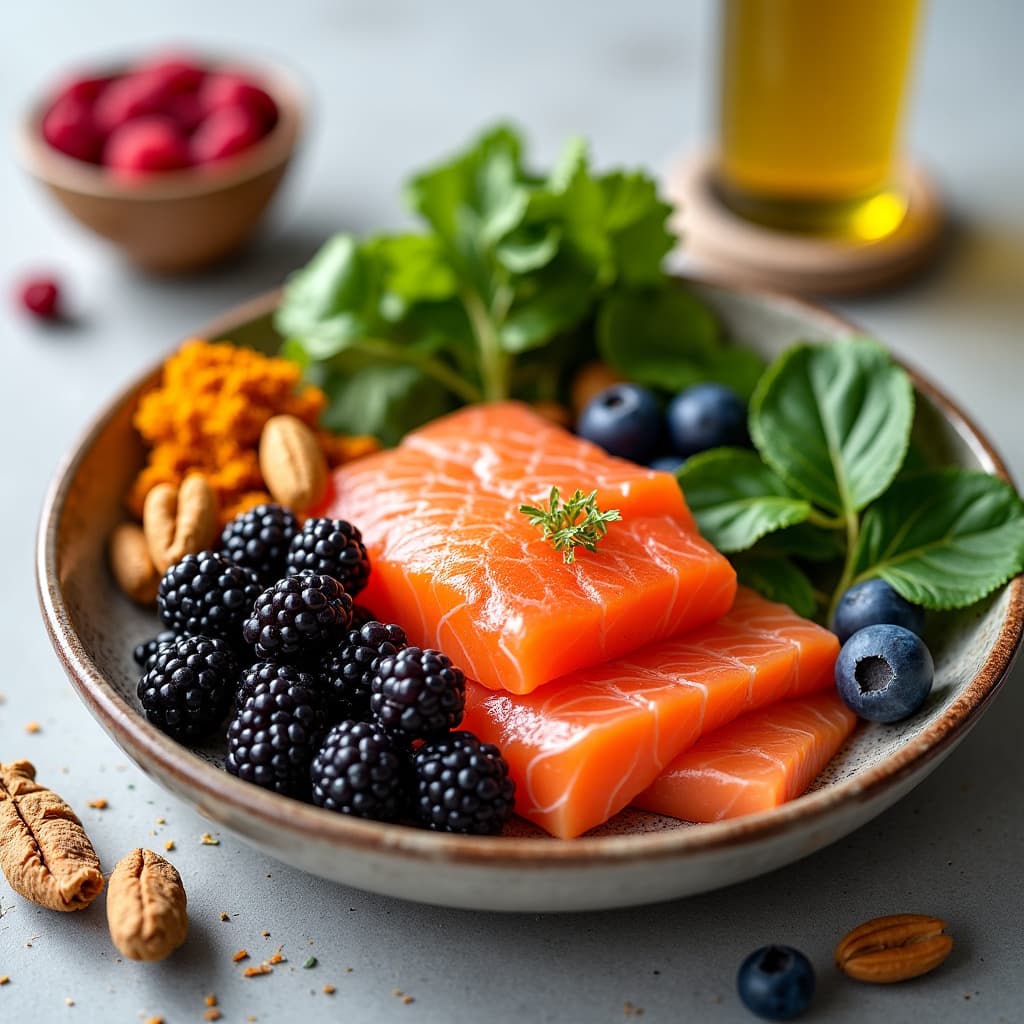
The best anti inflammatory foods for joints are foods that lower overall dietary inflammatory load while supporting weight control, muscle maintenance, and metabolic health. In practice, that usually means fatty fish, olive oil, berries, leafy greens, beans, nuts, seeds, and high-fiber whole foods. No single food cures joint pain, but research suggests that a lower-inflammatory eating pattern may help many people manage symptoms better over time.
If your joints feel stiff, swollen, or achy, diet is worth paying attention to because inflammation is often part of the picture. For osteoarthritis, rheumatoid arthritis, and general joint discomfort, food is not the only variable, but it is one of the few daily levers you can actually control.
1) Fatty fish
If there is a headliner in joint-friendly nutrition, it is omega-3-rich fish. Salmon, sardines, trout, herring, and mackerel provide EPA and DHA, fats that are consistently associated with better inflammatory balance.
Research suggests omega-3 intake may help reduce inflammatory signaling and may support symptom management in some people with inflammatory joint conditions. It is not instant, and it is not a substitute for medical care, but it is one of the most evidence-backed food moves you can make.
Start with two servings per week. If salmon is your go-to, our salmon food page breaks down why it scores so well.
2) Extra virgin olive oil
Olive oil is a cornerstone of Mediterranean-style eating, which is one of the most studied dietary patterns for lower inflammation. It provides monounsaturated fat, mainly oleic acid, plus polyphenols when you use extra virgin olive oil.
This matters for joints because the replacement effect is powerful. Olive oil often displaces butter-heavy cooking fats or highly processed dressings. That can improve the overall DII profile of a meal.
Use it on roasted vegetables, beans, salads, and grain bowls. You can read more on olive oil and how it fits into a lower-inflammatory pattern.
3) Berries and deeply colored fruit
Blueberries, cherries, blackberries, and strawberries are rich in anthocyanins and other polyphenols. These compounds are associated with lower oxidative stress and better diet quality overall.
Berries are also practical. They work at breakfast, in smoothies, or as a lower-sugar dessert replacement. That makes them useful not just for what they add, but for what they replace.
If you want a good starting point, blueberries are one of the easiest everyday anti-inflammatory foods to use.
4) Leafy greens and cruciferous vegetables
Spinach, kale, arugula, broccoli, Brussels sprouts, and cabbage bring carotenoids, vitamin C, folate, fiber, and a wide range of plant compounds. They also add bulk and satiety without adding much energy density, which may help with body weight management over time.
That matters because body weight affects joint load mechanically, especially in knees and hips. Diet quality and body weight are not the same thing, but they often reinforce each other.
Spinach is one of the easiest greens to add to eggs, soups, curries, smoothies, and pasta dishes.
5) Beans, lentils, and other fiber-rich staples
Fiber may not sound exciting, but it is one of the most reliable diet factors linked with lower inflammation. Beans and lentils are especially useful because they provide both fiber and protein, which makes meals more satisfying.
A high-fiber diet is associated with a lower inflammatory pattern overall, which is why legumes appear so often in DII-friendly eating. We explain that mechanism in fiber and inflammation: the gut connection.
Add lentils to soups, black beans to bowls, or chickpeas to salads. They are affordable and work well in batch cooking.
6) Nuts, seeds, and avocado
Walnuts, chia seeds, flaxseed, almonds, and avocado can all support a more joint-friendly diet. Walnuts bring plant omega-3s, while avocado adds monounsaturated fat and fiber.
These foods are also helpful because they improve the quality of snacks and small meals. A handful of walnuts with fruit is a different inflammatory input than crackers or cookies.
Avocado deserves a mention too. It may support lower-inflammatory eating thanks to oleic acid, fiber, and carotenoids. It is especially useful when used instead of creamy processed spreads.
7) Herbs, spices, and tea
Turmeric, ginger, garlic, cinnamon, and green tea all contain compounds associated with lower inflammation. These ingredients are not magic, but they make it easier to build flavorful food without relying on sugary sauces or highly processed condiments.
Turmeric, ginger, and green tea are good staples if you want your day to trend more anti-inflammatory.
The Inflammation Score Breakdown
If you are focused on joints, some foods consistently improve the meal score more than others.
Strong positive contributors
- Fatty fish, especially salmon
- Extra virgin olive oil
- Beans and lentils
- Berries, especially blueberries
- Leafy greens like spinach
- Nuts and seeds
- Herbs and spices such as turmeric and ginger
Helpful pattern boosters
- Swapping dessert for fruit
- Replacing deli meat with fish or beans
- Choosing whole-food snacks over ultra-processed ones
- Increasing omega-3s relative to highly processed omega-6-heavy foods
These principles line up with mediterranean diet vs anti-inflammatory diet: what's the difference and the science behind the Dietary Inflammatory Index.
How to actually use these foods for joint support
A useful target is to build most meals around three pieces:
- One anti-inflammatory fat source
- One high-fiber plant source
- One protein-rich whole food
For example:
- Salmon, roasted vegetables, and quinoa with olive oil
- Lentil soup with a side salad and walnuts
- Greek yogurt with berries, chia seeds, and cinnamon
- Stir-fry with tofu, broccoli, garlic, and ginger
Consistency beats intensity here. Eating turmeric once will not change much. Building a week that includes fish, beans, greens, berries, and olive oil probably will.
FAQ
What is the best anti-inflammatory food for joints?
Fatty fish is one of the best studied because of omega-3 fats, but the best results usually come from a dietary pattern rather than a single food.
Are eggs inflammatory for joints?
For most people, eggs can fit into a healthy diet. The overall meal and overall dietary pattern matter more than labeling eggs as good or bad.
Can fruit help joint pain?
Yes, fruit, especially berries and cherries, may support a lower-inflammatory diet because of fiber and polyphenols.
How long does diet take to affect joints?
It varies. Some people notice changes in energy and stiffness within a few weeks, while for others the effect is slower and tied to broader weight, sleep, and activity changes.
Bottom line
The best anti inflammatory foods for joints are not obscure. They are the foods that keep showing up in lower-inflammatory diet patterns: fatty fish, olive oil, berries, leafy greens, beans, nuts, seeds, and herbs. Focus on repeating those foods often enough that your weekly inflammation score improves.
The Inflamous app can help you compare foods, track your meals, and see whether your routine is becoming more joint-friendly over time.
Why a whole dietary pattern matters more than one superfood
People understandably want a short list of miracle foods for joints, but that is not really how inflammation works. You will get more benefit from repeating a handful of useful foods all week than from adding one turmeric latte to an otherwise low-fiber, high-sugar routine.
A joint-friendly pattern usually includes:
- Fish once or twice a week
- Beans or lentils several times a week
- Daily fruit and vegetables
- Olive oil as a main cooking fat
- Fewer ultra-processed snack foods
- Better balance between omega-3 and heavily processed fats
This is why the most successful anti-inflammatory diets often look boring in the best possible way. They are consistent.
Foods that support collagen and connective tissue indirectly
No food magically rebuilds cartilage, but some nutrients support the tissues around joints. Vitamin C helps support collagen formation, protein helps maintain muscle around joints, and minerals such as magnesium and potassium support overall tissue function.
That is another reason colorful produce matters. Citrus, berries, peppers, tomatoes, greens, and beans all contribute nutrients that support the larger system around the joint, even if they do not act like a direct treatment.
Protein matters too. If you are under-eating protein, your muscles may not support joints as well as they could. Joint health is not just about lowering inflammation. It is also about maintaining the structures that stabilize movement.
A simple 7-day rotation for joint-friendly eating
If you want this to be practical, start with a repeatable rhythm:
- Monday: salmon with roasted vegetables and quinoa
- Tuesday: lentil soup with olive oil and a side salad
- Wednesday: yogurt, berries, and walnuts for breakfast, bean bowl for lunch
- Thursday: chicken and vegetable stir-fry with brown rice
- Friday: sardines or tuna on a big salad with olive oil dressing
- Saturday: vegetable omelet with fruit and whole grain toast
- Sunday: chickpea curry with spinach and a side of yogurt
That kind of pattern does not require perfection, but it gives your joints more of the foods associated with lower inflammatory burden.