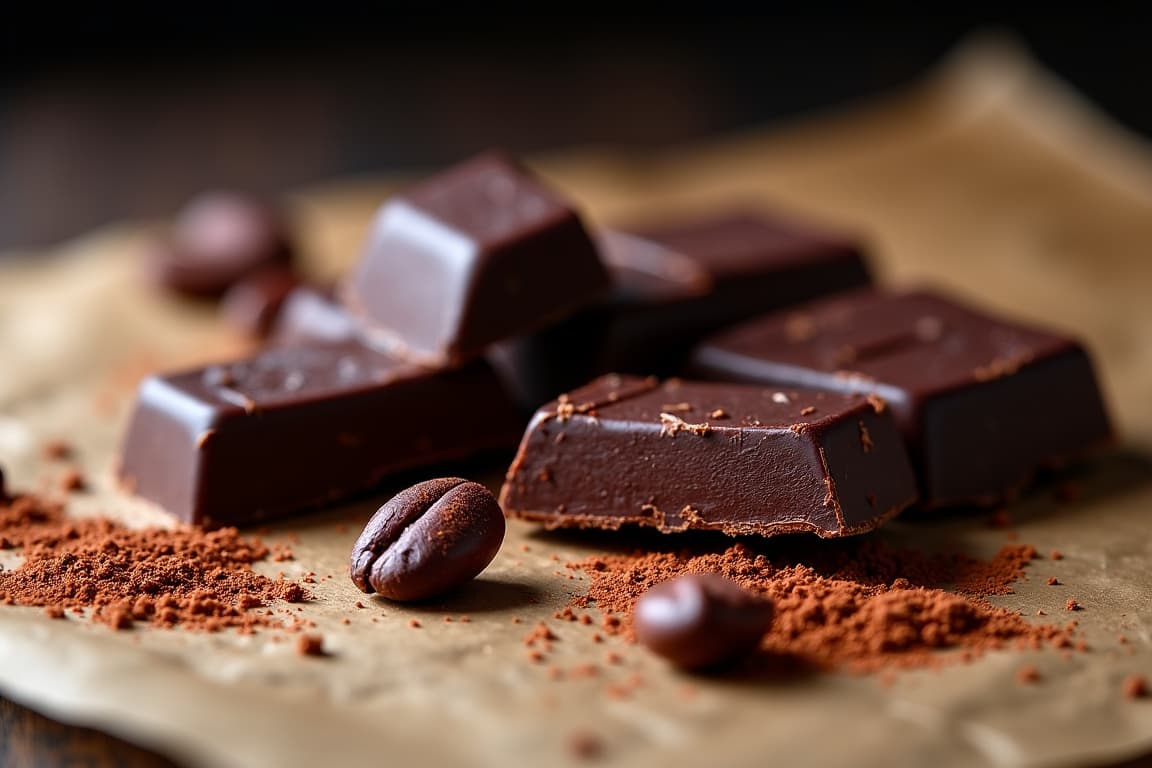
Dark chocolate may be anti-inflammatory in small amounts, mainly because cocoa contains flavanols and other polyphenols associated with lower oxidative stress and better vascular function. But not all chocolate works the same way. The more sugar, dairy, and low-cocoa fillers in the product, the weaker the case becomes. If you are asking "is chocolate anti inflammatory," the most accurate answer is this: high-cocoa dark chocolate can fit into a lower-inflammatory diet, while milk chocolate and white chocolate are usually much less favorable.
That does not mean chocolate is a health food you should eat endlessly. Dose still matters.
Why dark chocolate gets attention in inflammation research
Cocoa is rich in flavanols, a group of plant compounds that may support nitric oxide production, endothelial function, and lower oxidative stress. These effects are part of the reason dark chocolate keeps appearing in discussions about heart health and inflammation.
The keyword there is cocoa, not candy.
The closer a product is to actual cocoa solids, the more likely it is to retain beneficial polyphenols. This is why dark chocolate with 70 percent or more cocoa generally looks better nutritionally than milk chocolate bars loaded with sugar.
Dark chocolate also tends to have less sugar per ounce than milk chocolate, though brands vary widely. Since added sugar is one of the clearest drivers of a more pro-inflammatory diet, that difference matters. Our article on sugar and inflammation: the complete breakdown explains why.
Dark chocolate vs milk chocolate vs white chocolate
The type of chocolate changes the picture a lot.
Dark chocolate usually contains more cocoa solids and flavanols. It tends to be the most favorable option for inflammation, especially in portions around 20 to 30 grams.
Milk chocolate has less cocoa and more sugar. It may still contain some beneficial compounds, but they are diluted by the added sugar and lower cocoa content.
White chocolate contains cocoa butter but no cocoa solids, which means it lacks the flavanol-rich part that gives dark chocolate most of its anti-inflammatory reputation. Nutritionally, it behaves more like a sweet confection than a functional plant food.
So yes, chocolate quality matters more than the fact that it is called chocolate.
The dose question matters
This is where people usually get it wrong. A square or two of dark chocolate can fit well into an anti-inflammatory pattern. Half a bar every night can easily tip into excess calories and sugar, even if the product is relatively dark.
A practical serving is often about 1 ounce, or roughly 28 grams. At that dose, you can get cocoa flavanols without turning your snack into a dessert habit that crowds out more nutrient-dense foods.
Dark chocolate also works best as a replacement. If it helps you skip cookies, candy, or ice cream most nights, that is useful. If it is simply added on top of an already calorie-heavy, sugar-heavy diet, the benefit gets smaller.
The Inflammation Score Breakdown
In the Inflamous framework, dark chocolate usually lands in the "it depends" category rather than a clear hero food.
What improves the score:
- Higher cocoa percentage, ideally 70 percent or above
- Lower added sugar
- Smaller serving size
- Pairing it with fruit, yogurt, or nuts rather than processed desserts
What worsens it:
- Large portions
- Milk chocolate with lots of sugar
- White chocolate
- Chocolate desserts with refined flour, syrup, and oils
Dark chocolate may compare reasonably well next to many packaged sweets, especially if it is paired with foods like walnuts, blueberries, or plain yogurt. You can also learn more from our dark chocolate food page.
How dark chocolate fits into a lower-inflammatory diet
A good anti-inflammatory diet is not built on dark chocolate, but dark chocolate can fit around the edges in a smart way. Think of it as a better dessert option, not the center of the plan.
The real anchors are foods like olive oil, fish, legumes, berries, greens, and whole grains. Dark chocolate is more like a strategic extra.
That said, there is value in strategic extras. Long-term eating patterns work better when they feel realistic. For many people, allowing a small amount of dark chocolate makes it easier to stay consistent with everything else.
What to look for when buying chocolate
Use a simple checklist:
- Cocoa percentage of 70 percent or higher
- Short ingredient list
- Lower added sugar per serving
- No need for candy add-ins
- A serving size you can actually stick to
If you prefer something sweeter, try pairing a smaller amount of dark chocolate with berries rather than switching to a large milk chocolate bar.
FAQ
Is dark chocolate anti-inflammatory?
It may be, especially in modest portions and when cocoa content is high. The likely reason is cocoa flavanols and a lower sugar load than many other desserts.
How much dark chocolate should I eat?
Around 20 to 30 grams is a practical serving for most people. More is not automatically better.
Is 85 percent dark chocolate better than 70 percent?
Often yes, because it usually has more cocoa and less sugar. But it still depends on brand, ingredients, and how much you eat.
Is milk chocolate inflammatory?
Milk chocolate is generally less favorable because it contains less cocoa and more sugar. It is not poisonous, but it usually scores worse than dark chocolate.
Does chocolate help with inflammation right away?
Probably not in a dramatic way. Research suggests regular intake of flavanol-rich cocoa may support a better inflammatory profile over time, but it is not a quick fix.
Bottom line
Dark chocolate can be part of a lower-inflammatory diet, but the details matter. Look for high cocoa content, lower sugar, and moderate portions. Milk chocolate and white chocolate usually offer far less of the compounds that make cocoa interesting from an inflammation perspective.
The Inflamous app helps you compare chocolate products, score your snacks in context, and see whether your treat habit is helping your overall pattern or quietly working against it.
Cocoa powder may be even more useful than candy-style chocolate
If your goal is getting more cocoa flavanols without excess sugar, unsweetened cocoa powder can be a smart option. You can add it to smoothies, oatmeal, yogurt, or chia pudding and control the sweetness yourself.
This matters because many products marketed as dark chocolate are still fairly sugary. A homemade cocoa-based snack often gives you more room to keep the overall score favorable.
What about heavy metals in chocolate?
This concern comes up often. Some cocoa products may contain measurable levels of cadmium or lead depending on sourcing and processing. That does not mean you need to fear dark chocolate entirely, but it is a good reminder not to treat it as an unlimited health food.
Moderate intake, product variety, and choosing reputable brands are sensible steps.
Easy ways to use dark chocolate without overdoing it
- Pair one or two squares with berries after dinner
- Chop a small amount into plain yogurt and walnuts
- Melt a little over fruit instead of eating a full dessert
- Use cocoa powder in smoothies with banana and peanut butter
These strategies let dark chocolate stay in the diet as a useful extra rather than becoming the main event.
Why dark chocolate works best in a food-first diet
One reason dark chocolate gets overrated is that it sounds more exciting than beans or salmon. But from an inflammation standpoint, it should stay in perspective. It works best when the rest of the diet is already solid.
If your meals are built around vegetables, fiber, fish, legumes, and olive oil, a little dark chocolate can fit nicely. If your meals are mostly refined carbs and takeout, dark chocolate will not meaningfully offset that pattern. This is the same logic behind the science behind the Dietary Inflammatory Index: total pattern beats one impressive ingredient.
Smart pairings that make dark chocolate more useful
The easiest way to improve the score of a chocolate snack is to pair it with foods that bring fiber or healthy fat.
Good examples include:
- Dark chocolate with blueberries
- A square of chocolate with walnuts
- Greek yogurt with cocoa nibs and fruit
- Oatmeal with unsweetened cocoa powder and chia seeds
These pairings are more favorable than eating chocolate alongside sweet coffee drinks, pastries, or candy.
Who may want to be a little more careful
Dark chocolate still contains caffeine and theobromine, so very large evening portions may bother people who are sensitive to stimulants or reflux. It is also easy to overeat because it is calorie-dense and marketed as healthy.
That does not make it a bad food. It just means moderation matters, even with the “better” version.