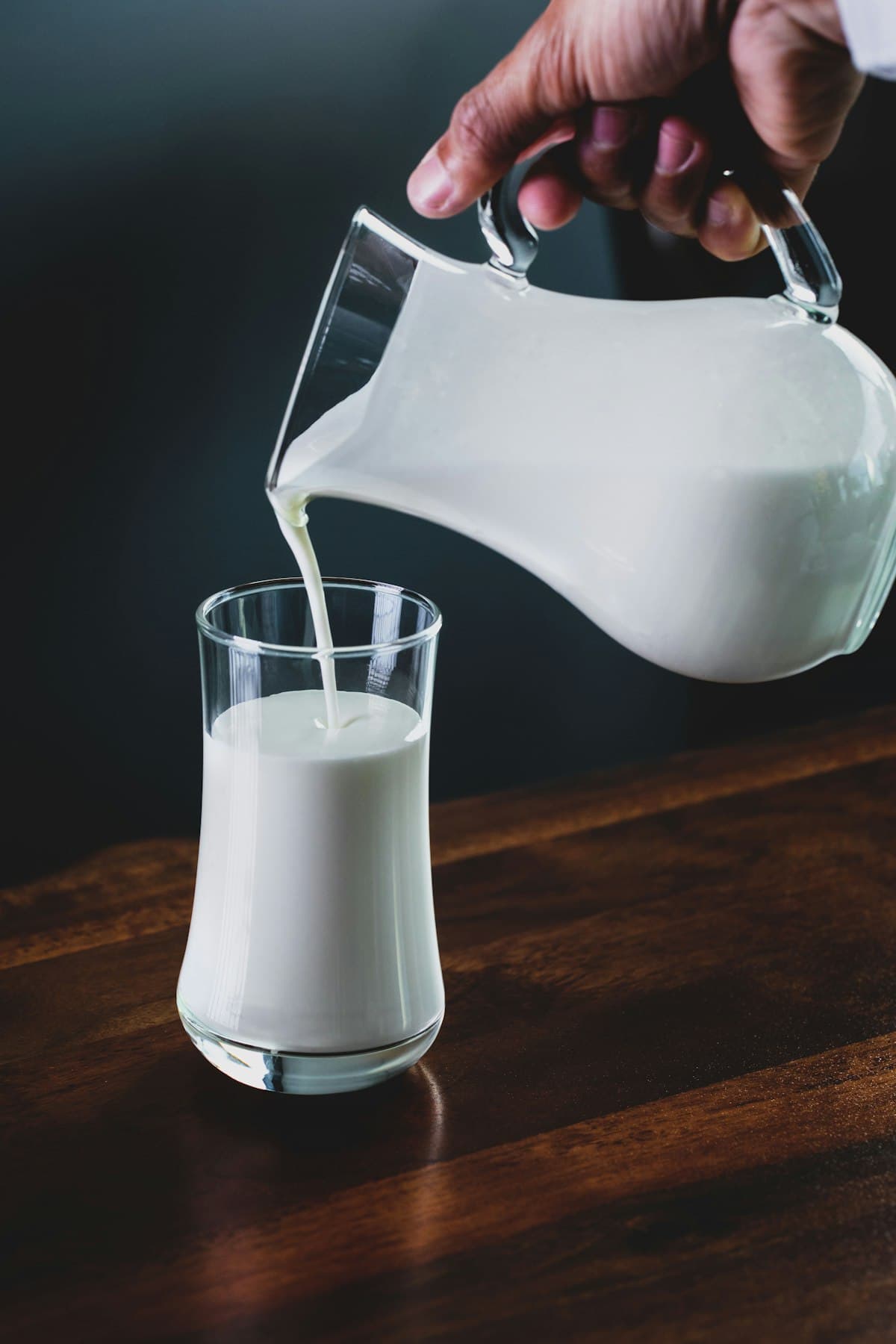
If you want the short answer, here it is: oat milk can be part of an anti-inflammatory diet, but it is not a guaranteed anti-inflammatory food.
That may sound unsatisfying, but it is the honest answer. Oats themselves bring some real benefits. They contain beta-glucan fiber, polyphenols called avenanthramides, and a nutrient profile that is generally friendlier than sugary drinks or heavily processed creamers. But commercial oat milk is not the same thing as a bowl of intact oats. By the time oats are blended, strained, stabilized, and packaged, the inflammation story depends on what is left in and what gets added.
So if you have been wondering whether oat milk deserves its healthy halo, the science says this: unsweetened oat milk with a clean ingredient list is usually a reasonable choice, especially if it replaces more inflammatory options. Sweetened oat milk loaded with added sugar, seed oils, and gums is a different story.
Why Oat Milk Gets Labeled Healthy So Fast
Oat milk benefits from the reputation of oats, and to be fair, oats have earned some of that goodwill. Whole oats are associated with better cardiometabolic health, improved satiety, and lower LDL cholesterol, largely because of their soluble fiber content. Oats also contain avenanthramides, unique antioxidant compounds that may help reduce oxidative stress and support healthier inflammatory signaling.
That matters because chronic inflammation is not driven by one villain. It is shaped by your total pattern of eating, including fiber intake, blood sugar control, fat quality, and overall diet quality. In that broader pattern, oats usually land on the helpful side.
But oat milk is not whole oats. Most oat milk products contain oats plus water, then some combination of enzymes, oils, gums, salt, flavoring, and fortification. During processing, some of the fiber remains, but a lot of the food matrix changes. That means the question is not really “are oats anti-inflammatory?” It is “does this specific oat milk product still behave like a helpful food in an anti-inflammatory diet?”
That is a much better question, and it is the one worth answering.
The DII Science Angle: Where Oat Milk Helps, and Where It Falls Short
At Inflamous, the cleanest way to think about this is through the lens of dietary inflammatory load. If you have not read our breakdown of the science behind the Dietary Inflammatory Index, that framework matters because it looks at how dietary patterns influence inflammatory biomarkers like CRP, IL-6, and TNF-alpha.
On paper, oats bring several favorable traits:
- Fiber, especially soluble fiber, tends to support lower inflammatory burden
- Polyphenols contribute antioxidant activity
- Whole-grain foods are generally associated with better metabolic and inflammatory outcomes than refined grains
But oat milk is usually weaker than whole oats in one crucial area: fiber density. A serving of steel-cut oats gives you a more intact package of beta-glucan, minerals, and slower digestion than a glass of oat milk. Most commercial oat milks are filtered enough that they do not behave like a bowl of oatmeal in the body.
So from a DII perspective, plain unsweetened oat milk is often neutral to mildly helpful, not strongly anti-inflammatory. It can absolutely fit into an anti-inflammatory diet, but it rarely carries the same upside as whole oats, berries, legumes, or fatty fish.
That distinction matters because people often expect a processed plant milk to function like a superfood. Usually it is just a better or worse swap, not a miracle product.
What Actually Determines Whether Oat Milk Feels Inflammatory
The ingredient list does most of the work here.
1. Added Sugar
This is the biggest red flag.
Sweetened oat milks can push a seemingly healthy product into a more inflammatory direction. Added sugar can worsen glycemic control, raise post-meal glucose excursions, and contribute to the broader metabolic pattern linked with chronic inflammation. We go deeper on this in sugar and inflammation: the complete breakdown.
If your oat milk has several teaspoons of added sugar per serving, it is much harder to make the case that it is helping inflammation, especially if you are using it multiple times a day in coffee, smoothies, cereal, and sauces.
2. Added Oils
Many oat milks include added oils to improve mouthfeel. That does not make them automatically bad, but it does make the product more processed. The type and amount of fat matter.
Some brands add refined sunflower or canola oil. A small amount is not the end of the world, but if a product relies heavily on refined oils for texture, it becomes less impressive nutritionally. This is one reason that plant-based and anti-inflammatory are not synonyms. As we covered in seed oils and inflammation: the real science, the nuance matters more than internet fearmongering, but simpler ingredient lists are usually the safer bet.
3. Gums and Stabilizers
The evidence here is mixed. Not every gum is a problem, and many are used in tiny amounts. But some people with IBS, bloating, or a sensitive gut notice that certain emulsifiers and stabilizers do not sit well. Since gut health and inflammation are tightly connected, personal tolerance matters. Our article on anti-inflammatory foods for gut health explains why digestion is not separate from the inflammation story.
4. How Processed It Is Overall
A short ingredient list usually wins.
If the carton says oats, water, salt, and vitamins, that is a different product than one built from syrups, oils, thickeners, and flavor systems. This is the same broader lesson behind how ultra-processed foods drive chronic inflammation: the more industrial the product, the more skeptical you should be of the health halo.
The Inflammation Score Breakdown
Here is the practical version.
Best-case oat milk choice
- Unsweetened
- Short ingredient list
- Minimal added oil
- No flavored syrup
- Used as a swap for more inflammatory options
Likely inflammation effect: neutral to mildly anti-inflammatory
Middle-of-the-road oat milk choice
- Lightly sweetened
- Some added oil or gums
- Fine for coffee or occasional use
Likely inflammation effect: mostly neutral
Worst-case oat milk choice
- Sweetened or flavored
- Multiple additives
- Used several times daily
- Replaces more nutrient-dense options
Likely inflammation effect: neutral to mildly pro-inflammatory
If you want stronger anti-inflammatory choices, compare oat milk to whole foods and lower-processing staples in the Inflamous food database:
- Steel-Cut Oats, strongly better from a fiber and satiety perspective
- Blueberries, rich in polyphenols and a better true anti-inflammatory add-on
- Extra Virgin Olive Oil, helpful when you want anti-inflammatory fat quality elsewhere in the meal
- Regular Soda, clearly worse than oat milk and a good example of what a more inflammatory drink looks like
That comparison is important. Oat milk does not need to be a perfect food to be a smart choice. It just needs to be better than the alternative you were going to use.
Oat Milk vs Dairy Milk for Inflammation
This is where people often want a clean winner. The reality is more personal.
For many people, plain dairy is not inherently inflammatory. Fermented dairy in particular may even be neutral or beneficial in some contexts. But some people do notice that dairy worsens acne, digestive symptoms, congestion, or general inflammation-related symptoms. If that is you, swapping dairy milk for oat milk may feel better.
That does not prove oat milk is universally anti-inflammatory. It just means it may be the better personal fit.
A useful way to frame it:
- If regular milk causes symptoms for you, unsweetened oat milk may be the less inflammatory option in real life.
- If you tolerate dairy well, oat milk is not automatically superior.
- If your oat milk is sugary and heavily processed, it may be a downgrade from plain dairy.
This is the same reason elimination-style thinking can sometimes help. If you suspect a food is a trigger, test it carefully instead of assuming based on internet consensus. We talk more about that in elimination diets: how to find your inflammatory triggers.
Oat Milk vs Other Plant Milks
If your goal is strictly lowering inflammatory burden, oat milk sits somewhere in the middle.
Almond milk
Unsweetened almond milk is often lower in carbs and sugar, but many commercial versions are also very thin and low in actual almonds. It can be a fine option, but it is not necessarily nutrient-dense either.
Soy milk
Unsweetened soy milk is often one of the strongest nutritional choices because it brings more protein and a more substantial nutrient profile. For many people, soy milk is the more balanced anti-inflammatory pick.
Coconut milk beverage
This depends heavily on the product. Some are light and low in nutrients, while others include additives or more saturated fat than you want in daily use.
Oat milk
Oat milk often wins on taste and texture, especially in coffee. That counts for something because sustainable habits beat perfect but unrealistic advice. If oat milk helps you avoid sugary creamers or ultra-processed coffee drinks, that is a practical win.
In other words, the best milk for inflammation is usually the one with the cleanest ingredients that you will actually use consistently in the context of an overall anti-inflammatory diet.
Does Oat Milk Spike Blood Sugar Too Much?
This is one of the smarter concerns.
Because oat milk is processed and often low in fiber relative to whole oats, it may raise blood sugar faster than people expect. Some products use enzyme processing that breaks oat starch down into simpler sugars. That can make the drink taste sweeter even without much added sugar.
Why does that matter? Repeated glucose spikes, especially when paired with a generally low-fiber diet, can contribute to the metabolic pattern linked with inflammation. If you are dealing with insulin resistance, prediabetes, PCOS, or type 2 diabetes, that is worth paying attention to. Our guide on anti-inflammatory diet for type 2 diabetes covers why blood sugar stability is such a big part of the inflammation conversation.
That does not mean you need to avoid oat milk completely. It means context matters:
- Use unsweetened versions
- Watch portion size
- Pair it with protein, fat, or fiber
- Do not assume plant-based means blood-sugar-friendly
A latte made with unsweetened oat milk alongside eggs and fruit is a different metabolic event than drinking a large sweetened oat milk beverage by itself.
Practical Tips If You Want Oat Milk Without the Downside
If you like oat milk, you do not need to overcomplicate this.
Choose unsweetened first
That one decision removes a lot of the downside.
Read the ingredient list, not the front label
Marketing says barista, plant-powered, and heart healthy. The back label tells the truth.
Use it as a replacement, not an add-on
If oat milk replaces soda, sugary creamer, or dessert-like coffee drinks, great. If it is just another processed calorie source layered on top of a weak diet, the benefit disappears.
Keep whole oats in the rotation
A glass of oat milk should not replace actual oat-based foods. A breakfast built around steel-cut oats, blueberries, walnuts, and cinnamon is much more compelling from an inflammation standpoint than coffee plus oat milk alone.
Think total pattern, not one ingredient
This is the big one. Inflammation is driven by your overall diet quality, sleep, movement, stress, and body composition, not by whether one carton in your fridge is good or bad. If you want the broader framework, read the ultimate guide to inflammation and disease.
FAQ Schema
Bottom Line
So, is oat milk anti-inflammatory?
Sometimes. Unsweetened oat milk with a short ingredient list can absolutely fit into an anti-inflammatory lifestyle. It is usually a decent swap, especially if it helps you avoid more inflammatory options like sugary creamers, milkshakes, or soda. But it is not automatically a health food just because it is plant-based.
If you want the best outcome, think of oat milk as a supporting player. Keep the real anti-inflammatory heavy hitters at the center: intact whole foods, fiber-rich meals, colorful produce, legumes, herbs, spices, and omega-3-rich foods. Then use tools like oat milk to make the overall pattern easier to stick to.
If you want to see how your usual foods stack up, download Inflamous and compare ingredients, meals, and daily patterns with a science-backed inflammation score. It is the fastest way to tell whether your healthy habits are actually pulling your diet in the right direction.
Sources
- Shivappa N, Hébert JR, and colleagues. Dietary inflammatory index development and validation research.
- Harvard T.H. Chan School of Public Health, whole grains and oats overview.
- Peer-reviewed literature on oat beta-glucan, avenanthramides, and cardiometabolic health.
- Evidence reviews on ultra-processed foods, blood sugar regulation, and chronic inflammation.