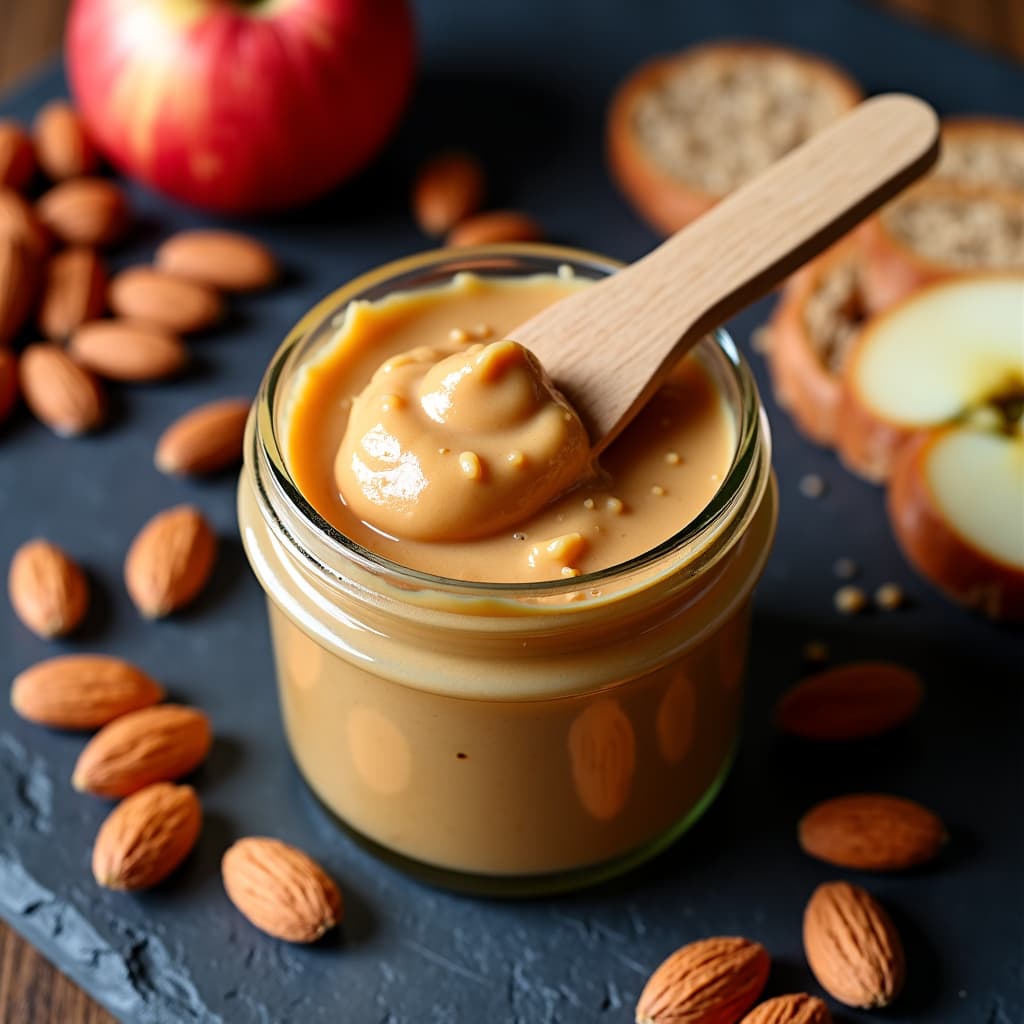
Yes, almond butter is anti-inflammatory. Almonds are one of the most studied nuts for inflammation, and grinding them into butter preserves their key anti-inflammatory compounds: vitamin E (alpha-tocopherol), magnesium, monounsaturated fats, and polyphenols (particularly flavonoids concentrated in the almond skin).
Two tablespoons of almond butter provide 7.7 mg of vitamin E (51 percent of the daily value), 97 mg of magnesium (23 percent DV), 7 grams of protein, and 3 grams of fiber. On the Dietary Inflammatory Index, almonds score anti-inflammatory across multiple DII parameters.
Why Almond Butter Reduces Inflammation
Vitamin E (Alpha-Tocopherol)
Vitamin E is a fat-soluble antioxidant that directly neutralizes reactive oxygen species in cell membranes. Oxidative stress is a primary driver of chronic inflammation, and vitamin E interrupts this cycle at its source.
A 2023 meta-analysis in Free Radical Biology and Medicine found that vitamin E supplementation significantly reduced CRP and IL-6 in adults with metabolic syndrome. Almond butter is one of the most concentrated food sources of alpha-tocopherol, providing more per calorie than most other whole foods.
Beyond direct antioxidant activity, vitamin E modulates immune cell function: it enhances T-cell activity while dampening excessive inflammatory signaling from macrophages and neutrophils. This is immune regulation, not suppression.
Magnesium
Magnesium deficiency is one of the most common nutrient gaps in the American diet, affecting roughly 50 percent of adults. Low magnesium is directly associated with elevated CRP, IL-6, and TNF-alpha.
A 2022 dose-response meta-analysis in European Journal of Clinical Nutrition found that each 100 mg increase in daily magnesium intake reduced CRP by 0.3 mg/L. Two tablespoons of almond butter contribute 97 mg toward that goal, making it one of the most efficient magnesium delivery foods available.
Magnesium also supports sleep quality (magnesium deficiency disrupts sleep architecture), and poor sleep is directly inflammatory.
Monounsaturated Fats (Oleic Acid)
Almond butter is 65 percent monounsaturated fat, primarily oleic acid, the same anti-inflammatory fat found in olive oil. Oleic acid reduces NF-kB activation and lowers the expression of inflammatory adhesion molecules on blood vessel walls.
Replacing saturated fat or refined carbohydrates with monounsaturated fat from almonds consistently reduces inflammatory markers in clinical trials. A 2021 randomized trial in Journal of the American Heart Association found that substituting almond-based snacks for typical American snacks reduced CRP by 21 percent over 12 weeks.
Almond Skin Polyphenols
The brown skin of almonds contains concentrated flavonoids (catechins, epicatechins, kaempferol, isorhamnetin) and phenolic acids (vanillic acid, caffeic acid). These polyphenols provide antioxidant and anti-inflammatory activity that rivals many berries on a per-gram basis.
A 2022 study in Food & Function found that almond skin polyphenols inhibited NF-kB activation and reduced TNF-alpha production in human immune cells in vitro. The researchers noted that these polyphenols are bioavailable in humans, meaning they survive digestion and enter the bloodstream.
This is why blanched almonds (with skins removed) and almond flour are less anti-inflammatory than whole almonds or almond butter made from skin-on almonds.
Prebiotic Fiber
The fiber in almond butter (3 grams per 2 tablespoons) acts as a prebiotic, feeding beneficial gut bacteria. A 2022 randomized trial in American Journal of Clinical Nutrition found that daily almond consumption increased Bifidobacterium and Lactobacillus populations and boosted butyrate production, a short-chain fatty acid with potent anti-inflammatory effects in the gut.
Almond Butter vs. Other Nut Butters
How does almond butter compare to alternatives on anti-inflammatory metrics?
Almond Butter vs. Peanut Butter
Peanut butter is technically a legume butter. It provides resveratrol and decent magnesium, but less vitamin E and fewer polyphenols than almond butter. Peanut butter also contains more omega-6 fatty acids relative to beneficial fats. Both are anti-inflammatory, but almond butter has a slight edge due to higher vitamin E and polyphenol density.
The bigger concern with peanut butter is what manufacturers add: sugar, hydrogenated oils, and salt. The same applies to almond butter. Always choose products with one ingredient (almonds) or two (almonds, salt).
Almond Butter vs. Walnut Butter
Walnuts provide more ALA omega-3 fatty acids than almonds, making walnut butter stronger for omega-3 related anti-inflammatory pathways. Almond butter provides more vitamin E and magnesium. Both are strongly anti-inflammatory. Rotating between the two covers more anti-inflammatory pathways than relying on either alone.
Almond Butter vs. Cashew Butter
Cashew butter is creamier and milder but lower in vitamin E, fiber, and polyphenols than almond butter. Cashews provide less anti-inflammatory benefit per tablespoon. Cashew butter is not pro-inflammatory, but it does not carry the same evidence base as almonds.
How to Choose the Best Almond Butter
Ingredients
The ideal almond butter contains one ingredient: almonds. Some brands add a pinch of salt, which is fine. Avoid products with added sugar, palm oil, or hydrogenated oils. These additives turn an anti-inflammatory food into a mixed bag.
Roasted vs. Raw
Both raw and roasted almond butters are anti-inflammatory. Light roasting can actually increase the bioavailability of some polyphenols by breaking down cell walls. Heavy roasting at very high temperatures can reduce vitamin E content slightly. Either way, the difference is small enough that preference should guide your choice.
Skin-On vs. Blanched
Choose almond butter made from skin-on (unblanched) almonds. The skin contains the highest concentration of polyphenols. Blanched almond butter is smoother and milder in taste but sacrifices a meaningful portion of the anti-inflammatory benefit.
Practical Ways to Add Almond Butter to an Anti-Inflammatory Diet
Breakfast: Spread on whole grain toast or stir into oatmeal. Pairs especially well with banana slices and cinnamon.
Snacks: Apple slices with almond butter is one of the best anti-inflammatory snacks available. The combination of quercetin from apples and vitamin E from almonds provides complementary anti-inflammatory pathways.
Smoothies: Add a tablespoon to anti-inflammatory smoothies for protein, healthy fats, and a creamy texture. It blends especially well with berries and spinach.
Sauces and dressings: Thin almond butter with water, lemon juice, and ginger for an anti-inflammatory salad dressing or stir-fry sauce. Add turmeric and garlic for additional anti-inflammatory compounds.
Baking: Replace butter or oil with almond butter in baking for anti-inflammatory desserts. The swap reduces saturated fat and adds vitamin E, magnesium, and polyphenols.
Portion Size and Calorie Considerations
Almond butter is calorie-dense (196 calories per 2 tablespoons). This is not a problem if you are using it as a protein and fat source within a balanced meal. It becomes an issue if you eat half a jar.
The anti-inflammatory research typically uses almond doses equivalent to 1 to 2 ounces per day (roughly 2 to 4 tablespoons of almond butter). More than that has not been shown to provide additional anti-inflammatory benefit.
A 2023 prospective study in BMJ found that regular nut consumers (1 ounce daily) had lower all-cause mortality and cardiovascular mortality than non-consumers, with no additional benefit observed above 1 to 2 ounces daily. The takeaway: consistent moderate intake beats occasional large portions.
FAQ
Is almond butter better than whole almonds for inflammation?
They are nutritionally equivalent. Grinding almonds into butter does not destroy anti-inflammatory compounds. Butter may slightly increase bioavailability of some nutrients by pre-breaking cell walls. The choice comes down to how you prefer to eat them. Both are strongly anti-inflammatory.
Can almond butter cause inflammation in some people?
Almond butter can cause inflammation in people with tree nut allergies (immune-mediated inflammation) or almond sensitivity. For the general population without allergies, almond butter is consistently anti-inflammatory. If you suspect a sensitivity, try an elimination diet to identify the trigger.
How much almond butter per day is anti-inflammatory?
Two tablespoons (one serving) daily is the amount most consistent with clinical research showing anti-inflammatory benefits. This provides 7.7 mg of vitamin E, 97 mg of magnesium, and meaningful polyphenol intake. Going beyond 4 tablespoons daily adds calories without proportional additional anti-inflammatory benefit.
Is almond butter good for joint inflammation?
Almond butter contributes to lower systemic inflammation through vitamin E, magnesium, and polyphenol intake, which indirectly benefits joint inflammation. It is not a targeted joint treatment like omega-3s or curcumin, but as part of a daily anti-inflammatory diet, it supports lower baseline inflammation that affects joints.
Does roasting almonds reduce anti-inflammatory properties?
Light to moderate roasting preserves and may slightly enhance anti-inflammatory compound bioavailability. Heavy roasting at temperatures above 170°C (338°F) for extended periods can reduce vitamin E content by 10 to 15 percent. Both raw and roasted almond butter are anti-inflammatory. The difference is minimal compared to the overall benefit of eating almonds regularly.
The Bottom Line
Almond butter is a strongly anti-inflammatory food, backed by clinical evidence. Its combination of vitamin E, magnesium, monounsaturated fats, and skin polyphenols targets multiple inflammatory pathways: oxidative stress neutralization, NF-kB suppression, immune cell modulation, and gut microbiome support.
Choose skin-on, single-ingredient almond butter. Use 2 tablespoons daily in oatmeal, smoothies, snacks, or sauces. Pair with fruits, vegetables, and whole grains for compounding anti-inflammatory benefit.
Download the Inflamous app to track how almond butter fits into your daily Dietary Inflammatory Index score.