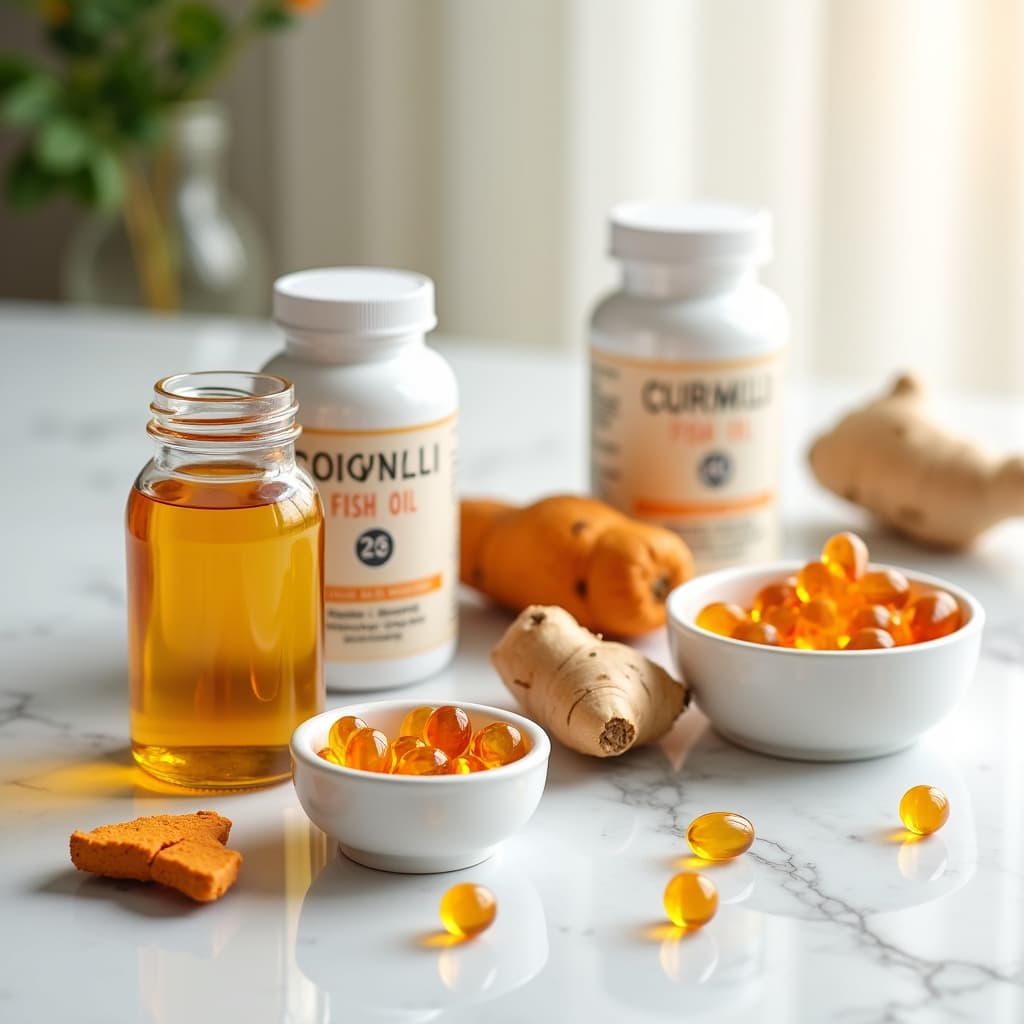
The supplement aisle promises a lot. Anti-inflammatory capsules, pills, powders, and tinctures line the shelves, each claiming to reduce inflammation, ease pain, and fix everything from sore joints to brain fog. Some of those claims hold up under clinical scrutiny. Most do not.
This guide ranks the best anti-inflammatory supplements by the strength of their research evidence, explains effective dosing, and flags the ones that are mostly marketing. Because the foundation of reducing inflammation is always food first (check out the complete list of anti-inflammatory foods), supplements work best as targeted additions to an already solid diet.
How Anti-Inflammatory Supplements Work
Chronic inflammation involves a cascade of molecular signals: pro-inflammatory cytokines (TNF-alpha, IL-6, IL-1beta), enzymes (COX-2, LOX), and transcription factors (NF-kB) that keep the immune system in a low-grade alert state. The Dietary Inflammatory Index measures how food affects these pathways, and supplements interact with the same targets.
The best anti-inflammatory supplements work by:
- Inhibiting NF-kB, the master switch that turns on inflammatory gene expression
- Blocking COX-2 and LOX enzymes that produce inflammatory prostaglandins and leukotrienes
- Providing specialized pro-resolving mediators (SPMs) that actively shut down inflammation
- Reducing oxidative stress that fuels inflammatory signaling
Here are the supplements with the strongest evidence, ranked.
Tier 1: Strong Clinical Evidence
1. Curcumin (from Turmeric)
Turmeric gets most of the attention, but curcumin is the specific compound responsible for anti-inflammatory effects. Raw turmeric spice contains only 2 to 5 percent curcumin by weight, which is why supplementation delivers more concentrated benefits.
What the research shows: A 2021 meta-analysis of 32 randomized controlled trials in Journal of Clinical Medicine found that curcumin supplementation significantly reduced CRP, IL-6, and TNF-alpha levels across diverse populations. The effect was particularly strong in people with metabolic syndrome, arthritis, and obesity.
Effective dose: 500 to 1,500 mg of curcumin per day. Raw curcumin has poor bioavailability (your body absorbs very little), so look for formulations with absorption enhancers:
- Piperine (BioPerine): Black pepper extract increases curcumin absorption by 2,000 percent
- Phytosome/phospholipid complexes (Meriva): 29x better absorption than standard curcumin
- Nano-curcumin or micellar formulations: Designed for water solubility
Who benefits most: People with osteoarthritis, rheumatoid arthritis, metabolic syndrome, or elevated CRP. A 2022 trial found curcumin was as effective as diclofenac (a prescription NSAID) for knee osteoarthritis pain, with fewer gastrointestinal side effects.
Caution: Curcumin can interact with blood thinners and may worsen gallbladder issues. Consult your doctor if you take warfarin, aspirin, or other anticoagulants.
2. Omega-3 Fatty Acids (Fish Oil / Algae Oil)
Omega-3s from salmon and other fatty fish are among the most studied anti-inflammatory compounds in nutrition science. Supplementation fills the gap for people who do not eat 2 to 3 servings of fatty fish per week.
What the research shows: A 2023 umbrella review of 80+ meta-analyses in Nutrients concluded that omega-3 supplementation reliably reduces CRP, IL-6, and TNF-alpha. Benefits were strongest at higher doses (2,000+ mg EPA+DHA daily) and in people with elevated baseline inflammation.
Effective dose: 2,000 to 4,000 mg combined EPA + DHA per day for anti-inflammatory effects. Standard fish oil capsules typically contain 300 mg EPA+DHA per 1,000 mg capsule, so you need to read labels carefully. Concentrated fish oil or prescription-strength omega-3s (like Vascepa) deliver more per capsule.
EPA is more anti-inflammatory than DHA, so choose supplements with higher EPA ratios if inflammation is your primary goal.
Who benefits most: People with cardiovascular inflammation, joint pain, elevated triglycerides, or chronic inflammatory conditions. The REDUCE-IT trial showed that high-dose EPA (4,000 mg icosapent ethyl daily) reduced cardiovascular events by 25 percent in high-risk patients.
Vegan option: Algae-derived omega-3 supplements provide DHA and increasingly EPA. They are environmentally sustainable and avoid heavy metal contamination concerns.
3. Vitamin D
Vitamin D is technically a hormone precursor, and its role in immune regulation and inflammation is well established. An estimated 40 percent of American adults are vitamin D deficient, and deficiency is strongly associated with higher inflammatory markers.
What the research shows: A 2022 meta-analysis in Autoimmunity Reviews found that vitamin D supplementation reduced CRP and IL-6 levels, with the strongest effects in people who were deficient at baseline. The VITAL trial (25,000+ participants) found that vitamin D supplementation reduced autoimmune disease incidence by 22 percent over 5 years.
Effective dose: 2,000 to 5,000 IU daily for most adults. Get your blood level tested (25-hydroxyvitamin D) and aim for 40 to 60 ng/mL. Doses above 5,000 IU daily should be monitored by a doctor.
Take vitamin D with fat (it is fat-soluble), and choose vitamin D3 (cholecalciferol) over D2 (ergocalciferol) for better absorption and utilization.
Who benefits most: Anyone living above 35 degrees latitude (most of the US), people with darker skin, those who spend limited time outdoors, and anyone with autoimmune conditions. Testing is cheap and widely available.
Tier 2: Good Evidence, More Specific
4. Boswellia (Indian Frankincense)
Boswellia serrata extract contains boswellic acids that inhibit 5-LOX, an enzyme that produces inflammatory leukotrienes. This mechanism is distinct from curcumin and NSAIDs, which primarily target COX enzymes and NF-kB.
What the research shows: A 2020 systematic review in BMC Complementary Medicine and Therapies found that Boswellia supplementation significantly reduced pain and improved function in osteoarthritis patients. A 2023 trial showed benefit in ulcerative colitis, with Boswellia performing comparably to mesalazine (a standard UC medication) for maintaining remission.
Effective dose: 300 to 500 mg of standardized extract (containing 30 to 65 percent boswellic acids), taken 2 to 3 times daily. AKBA (acetyl-11-keto-beta-boswellic acid) is the most potent boswellic acid, so look for extracts standardized to AKBA content.
Who benefits most: People with osteoarthritis, inflammatory bowel disease, or asthma. Boswellia is particularly useful for people who cannot tolerate NSAIDs.
5. Ginger Extract
Ginger shares anti-inflammatory mechanisms with turmeric (both are rhizomes from the Zingiberaceae family). Gingerols and shogaols inhibit COX-2, reduce prostaglandin synthesis, and lower NF-kB activation.
What the research shows: A 2022 meta-analysis in Food & Function found that ginger supplementation significantly reduced CRP, TNF-alpha, and IL-6 across 16 randomized trials. Effects were dose-dependent and consistent across populations.
Effective dose: 1,000 to 2,000 mg of dried ginger extract per day, or 2 to 4 grams of fresh ginger. Standardized extracts containing 5 percent or more gingerols provide more predictable dosing.
Who benefits most: People with osteoarthritis, muscle soreness (especially exercise-induced), nausea, and menstrual pain. Ginger is particularly well-tolerated and has few interactions.
6. Alpha-Lipoic Acid (ALA)
ALA is a potent antioxidant that works in both water and fat environments (most antioxidants work in only one). It recycles other antioxidants (vitamins C and E, glutathione) and directly reduces NF-kB activation.
What the research shows: ALA has the strongest evidence for diabetic neuropathy. A 2021 meta-analysis found that 600 mg daily significantly reduced neuropathic pain and improved nerve conduction. Broader anti-inflammatory effects include CRP reduction and improved insulin sensitivity.
Effective dose: 300 to 600 mg daily. The R-lipoic acid form is more bioavailable than racemic (mixed R/S) ALA. Take on an empty stomach for best absorption.
Who benefits most: People with diabetic neuropathy, metabolic syndrome, or nerve pain. See our guide on anti-inflammatory foods for nerve pain for dietary strategies that complement ALA.
Tier 3: Emerging or Limited Evidence
7. SPM (Specialized Pro-Resolving Mediators)
SPMs are metabolites of omega-3 fatty acids (resolvins, protectins, maresins) that actively resolve inflammation rather than just blocking it. They represent a newer approach: instead of suppressing the inflammatory response, SPMs help the body complete the inflammatory cycle and return to baseline.
The research is promising but early. Most SPM studies are mechanistic or animal-based. A few small human trials show benefit for post-exercise inflammation and joint discomfort. SPM supplements are expensive, and dosing is not yet standardized.
Current recommendation: Prioritize omega-3 intake (from food or supplements), which provides the building blocks for your body to produce its own SPMs. Dedicated SPM supplements may become more compelling as research matures.
8. Probiotics
Specific probiotic strains reduce intestinal inflammation and systemic inflammatory markers. The evidence is strain-specific, not universal. Lactobacillus rhamnosus GG, Bifidobacterium longum, and Saccharomyces boulardii have the most consistent anti-inflammatory data.
Who benefits most: People with gut-driven inflammation, IBS, or inflammatory bowel disease. For general anti-inflammatory purposes, fermented foods may be more effective than capsules because they provide diverse bacterial strains plus prebiotic fiber.
What to Skip
Collagen supplements: Widely marketed for joint inflammation, but most evidence is for skin hydration, not inflammation reduction. A 2023 Cochrane review found insufficient evidence to recommend collagen for inflammatory joint conditions.
CBD: Despite enormous consumer interest, the anti-inflammatory evidence for oral CBD in humans is weak and inconsistent. Most positive studies used very high doses (300 to 600 mg) that far exceed what consumer products provide. Topical CBD may have localized anti-inflammatory effects, but oral CBD for systemic inflammation lacks robust evidence.
"Superfood" blends: Multi-ingredient supplements combining 15+ extracts at sub-therapeutic doses per ingredient. These rarely provide enough of any single compound to produce measurable effects. A supplement that contains 50 mg of curcumin, 100 mg of ginger, and 200 mg of fish oil will not match the effects of taking therapeutic doses of any one of those individually.
How to Stack Supplements Effectively
If you are dealing with chronic inflammation, a practical evidence-based stack looks like:
- Omega-3 (2,000+ mg EPA+DHA daily) as the foundation
- Vitamin D (2,000 to 5,000 IU daily, adjusted by blood levels)
- Curcumin (500 to 1,000 mg daily with piperine or phytosome)
- Add Boswellia or ginger based on your specific condition
This gives you coverage across multiple inflammatory pathways (COX, LOX, NF-kB, SPM production) without redundancy.
FAQ
What is the strongest natural anti-inflammatory supplement?
Curcumin (from turmeric) and omega-3 fatty acids have the most clinical evidence for reducing inflammatory markers like CRP, IL-6, and TNF-alpha. Curcumin is particularly effective for joint inflammation and arthritis pain. Omega-3s have broader systemic effects across cardiovascular, joint, and neurological inflammation.
Can I take anti-inflammatory supplements with NSAIDs?
Many anti-inflammatory supplements (curcumin, omega-3s, ginger, Boswellia) share mechanisms with NSAIDs like ibuprofen. Taking them together can increase the risk of bleeding and gastrointestinal side effects. Always consult your doctor before combining supplements with prescription or OTC anti-inflammatory medications.
How long do anti-inflammatory supplements take to work?
Most anti-inflammatory supplements require 4 to 12 weeks of consistent daily use before producing noticeable effects. Omega-3s typically take 6 to 8 weeks to significantly alter inflammatory markers. Curcumin may show pain relief benefits within 4 weeks. Vitamin D depends on your baseline deficiency, with severely deficient individuals sometimes noticing improvement within 2 to 4 weeks.
Are anti-inflammatory supplements safe long-term?
Omega-3 fatty acids, vitamin D (at appropriate doses), and curcumin have strong long-term safety data from multi-year trials. Boswellia and ginger are generally well-tolerated. The key risks are interactions with blood thinners (curcumin, omega-3s, ginger all have mild blood-thinning properties) and vitamin D toxicity at extremely high doses. Annual blood work to check vitamin D levels and inflammatory markers is a reasonable practice.
Do I need supplements if I eat an anti-inflammatory diet?
Not necessarily. An anti-inflammatory diet provides many of the same compounds: omega-3s from fatty fish, curcumin from turmeric, polyphenols from fruits and vegetables. Supplements are most valuable when dietary intake is insufficient (common with omega-3s and vitamin D) or when a condition requires higher therapeutic doses than food alone can deliver. Track your dietary inflammatory load with the Inflamous app to identify where supplements might fill gaps.
The Bottom Line
The best anti-inflammatory supplements are omega-3 fatty acids, curcumin, and vitamin D. These three have the deepest evidence base, well-established dosing, and strong safety profiles. Boswellia, ginger, and alpha-lipoic acid add targeted benefits for specific conditions. Everything else is either too early in research, under-dosed in commercial products, or outperformed by food-first strategies.
Supplements complement an anti-inflammatory diet. They do not replace one. Start with the Dietary Inflammatory Index to understand your baseline, build a solid dietary foundation, and use supplements strategically to fill specific gaps.
Download the Inflamous app to track your supplement intake alongside your dietary inflammatory score and see how the combination affects your markers.