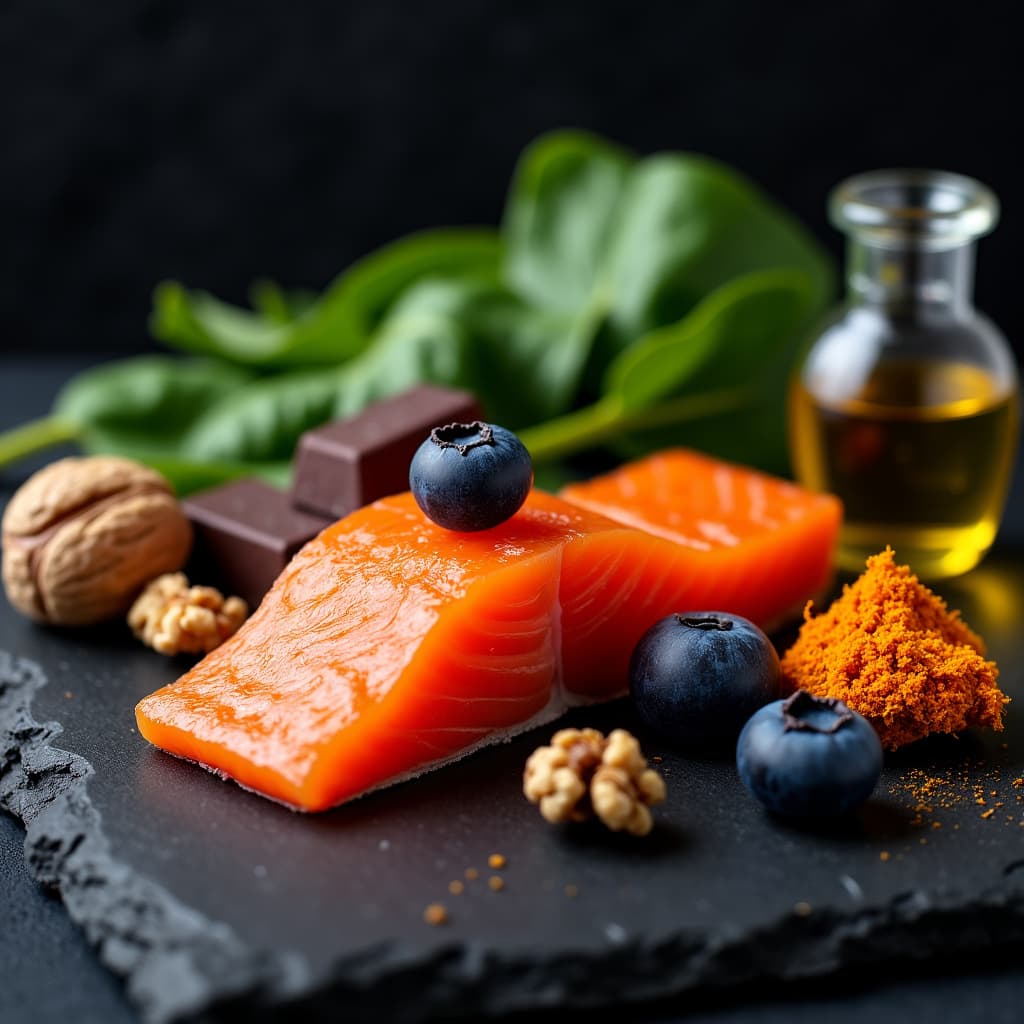
Nerve pain (neuropathy) is one of the most difficult types of chronic pain to treat. It burns, tingles, stabs, and numbs. Standard painkillers often do not work well against it because the pain originates from damaged or irritated nerves rather than injured tissue.
An estimated 20 million Americans live with peripheral neuropathy, and the number is rising alongside diabetes rates (diabetic neuropathy accounts for roughly 60 percent of cases). Inflammation is a central driver of nerve damage and nerve pain, which makes diet a meaningful intervention, not a cure, but a legitimate tool for reducing symptoms and slowing progression.
How Inflammation Damages Nerves
Nerves are surrounded by a fatty insulation layer called the myelin sheath, which allows electrical signals to travel quickly and accurately. Chronic inflammation damages this sheath through several mechanisms:
Direct inflammatory damage. Pro-inflammatory cytokines (TNF-alpha, IL-1beta, IL-6) released during chronic inflammation directly attack myelin and impair nerve conduction. A 2023 study in Pain found that patients with painful neuropathy had significantly higher circulating TNF-alpha and IL-6 levels compared to those with painless neuropathy, indicating that inflammation determines whether nerve damage hurts.
Oxidative stress. Inflammation generates reactive oxygen species that damage nerve cell membranes, mitochondria, and DNA. Nerves are particularly vulnerable because they have high metabolic demands and limited antioxidant defenses.
Microvascular damage. Chronic inflammation damages the tiny blood vessels (vasa nervorum) that supply nutrients and oxygen to peripheral nerves. When blood supply is compromised, nerves starve and degenerate. This is the primary mechanism in diabetic neuropathy.
Blood sugar instability. High blood glucose directly damages nerves through glycation (sugar molecules binding to nerve proteins) and through the polyol pathway. Inflammation and blood sugar dysregulation amplify each other in a vicious cycle.
The Dietary Inflammatory Index is relevant here: a 2022 cross-sectional study in Diabetes Care found that diabetic patients eating the most pro-inflammatory diets had 2.3 times the odds of painful neuropathy compared to those eating anti-inflammatory diets, independent of blood sugar control.
The Best Anti-Inflammatory Foods for Nerve Pain
Fatty Fish (Omega-3 Powerhouses)
Salmon, sardines, mackerel, herring, and anchovies provide EPA and DHA omega-3 fatty acids, the most potent dietary anti-inflammatory compounds available for nerve health.
Omega-3s support nerve health through multiple mechanisms: they reduce neuroinflammation, protect myelin integrity, improve nerve conduction velocity, and stimulate production of specialized pro-resolving mediators (SPMs) that actively resolve inflammation rather than just suppressing it.
A 2023 randomized trial in Clinical Nutrition found that 2,000 mg of omega-3 supplementation daily for 12 weeks significantly reduced neuropathic pain scores and improved nerve conduction velocity in diabetic neuropathy patients compared to placebo.
Aim for 2 to 3 servings of fatty fish per week. If you do not eat fish, an algae-based omega-3 supplement providing at least 1,000 mg combined EPA/DHA daily is a reasonable alternative.
B-Vitamin Rich Foods
B vitamins are essential for nerve health, and deficiency is a direct cause of neuropathy:
- B12: Found in meat, fish, eggs, and dairy. Deficiency causes demyelination (destruction of the myelin sheath) and is one of the most common treatable causes of neuropathy. Vegetarians and vegans are at particular risk. A 2022 study in Nutrients found that 15 to 40 percent of patients referred for neuropathy evaluation had B12 deficiency.
- B6: Found in poultry, fish, potatoes, chickpeas, and bananas. Both deficiency and excess can cause neuropathy. The therapeutic window is narrow: 1.3 to 2 mg daily. Supplementing above 100 mg daily can paradoxically cause nerve damage.
- B1 (thiamine): Found in whole grains, legumes, nuts, and pork. Deficiency causes beriberi, a condition that includes peripheral neuropathy. Alcoholic neuropathy is largely thiamine-deficiency neuropathy.
- Folate: Found in leafy greens, legumes, and fortified grains. Works synergistically with B12 for nerve health.
Eggs, salmon, chicken, leafy greens, and legumes together cover the full B-vitamin spectrum.
Turmeric
Turmeric and its active compound curcumin have been studied specifically for neuropathic pain. Curcumin reduces NF-kB activation (the master inflammatory switch) and inhibits the expression of inflammatory cytokines that drive nerve pain.
A 2022 randomized trial in Phytomedicine found that 1,500 mg curcumin daily for 8 weeks reduced neuropathic pain scores by 36 percent in diabetic patients, compared to 8 percent in the placebo group. The curcumin group also showed improved nerve conduction on electromyography.
Use turmeric liberally in cooking. For therapeutic effects, pair it with black pepper (piperine increases absorption by 2,000 percent) and fat (curcumin is fat-soluble). Golden milk (turmeric, black pepper, ginger, warm milk or plant milk, and honey) is a practical daily delivery method.
Berries and Dark-Colored Fruits
Blueberries, blackberries, cherries, and pomegranates are rich in anthocyanins, powerful antioxidants that cross the blood-nerve barrier and protect nerve cells from oxidative damage.
A 2023 animal study in Journal of Neuroinflammation found that anthocyanin supplementation reduced sciatic nerve inflammation, improved myelin integrity, and decreased pain behavior in a neuropathy model. The researchers attributed the effect to reduced microglial activation and TNF-alpha production.
Tart cherries deserve special mention: they contain both anthocyanins and melatonin, which has independent neuroprotective properties. Tart cherry juice (unsweetened) is a practical option.
Walnuts
Walnuts provide ALA omega-3s, vitamin E, and polyphenols that collectively reduce neuroinflammation. They also contain ellagic acid, which has been shown in animal studies to protect against chemotherapy-induced neuropathy.
A handful of walnuts daily (about 1 ounce or 14 halves) provides a meaningful anti-inflammatory and neuroprotective dose.
Extra Virgin Olive Oil
Olive oil contains oleocanthal, which inhibits both COX-1 and COX-2 enzymes similarly to ibuprofen. For neuropathic pain, the polyphenol hydroxytyrosol is particularly relevant: it protects nerve cells from oxidative stress and reduces neuroinflammation.
Use extra virgin olive oil as your primary cooking and dressing oil. The polyphenol content varies by quality. Look for oil that has a peppery bite (that is the oleocanthal).
Ginger
Ginger shares several anti-inflammatory mechanisms with turmeric. Gingerols and shogaols inhibit prostaglandin synthesis and reduce TNF-alpha production. A 2022 systematic review in Pain Medicine found moderate evidence that ginger supplementation reduces neuropathic pain intensity, though more large-scale trials are needed.
Fresh ginger in stir-fries, soups, and teas is the most practical form. Ginger and turmeric work synergistically and can be combined in golden milk or chai-style preparations.
Leafy Greens
Spinach, kale, Swiss chard, and other dark leafy greens provide folate, magnesium, alpha-lipoic acid precursors, and anti-inflammatory polyphenols. Magnesium is particularly important for nerve pain: it modulates NMDA receptors, which play a central role in neuropathic pain signaling.
A 2023 study in Magnesium Research found that magnesium supplementation reduced neuropathic pain scores in patients with diabetic neuropathy, particularly in those who were magnesium-deficient (which is common, affecting an estimated 50 percent of diabetics).
Dark Chocolate
Dark chocolate (70% or higher cocoa) provides flavanols that improve blood flow to peripheral nerves. Since microvascular damage is a primary mechanism in neuropathy, improving circulation to nerves directly supports their health and repair.
The magnesium content (64 mg per ounce of dark chocolate) further supports nerve function. Limit to 1 to 2 ounces daily to keep sugar intake low.
Foods That Worsen Nerve Pain
Sugar and Refined Carbohydrates
This is the most important dietary change for nerve pain, especially diabetic neuropathy. High blood sugar directly damages nerves through glycation and oxidative stress. Even in non-diabetic neuropathy, blood sugar spikes increase inflammation and worsen pain perception.
Cut sugar, white bread, white rice, pastries, and sugary beverages. Replace with whole grains, legumes, and vegetables that provide steady blood sugar.
Alcohol
Alcohol is directly neurotoxic. It damages nerve fibers, depletes B vitamins (especially thiamine), and causes oxidative stress in nerve tissue. Alcoholic neuropathy is the second most common cause of peripheral neuropathy after diabetes. If you have neuropathy, reducing or eliminating alcohol is one of the highest-impact changes you can make.
Ultra-Processed Foods
Ultra-processed foods combine multiple nerve-damaging factors: refined carbohydrates, pro-inflammatory fats, sodium, and additives. The advanced glycation end products (AGEs) formed during high-temperature processing of these foods are particularly damaging to nerves.
Excess Omega-6 Fatty Acids
While omega-6 fats are essential, the typical Western diet provides them in excess (through seed oils, fried foods, and processed snacks), creating a pro-inflammatory omega-6 to omega-3 ratio. Reducing omega-6 while increasing omega-3 shifts the inflammatory balance in favor of nerve protection.
Practical Tips for Managing Nerve Pain Through Diet
- Prioritize blood sugar stability. Eat protein, fat, and fiber at every meal. Avoid eating refined carbohydrates alone. This is the single most impactful dietary change for neuropathy.
- Eat fatty fish 2 to 3 times per week. Omega-3s are the most evidence-supported dietary intervention for neuroinflammation.
- Get your B12 checked. Ask your doctor for a serum B12 and methylmalonic acid test. B12 deficiency is common and treatable, and catching it early can prevent permanent nerve damage.
- Use turmeric and ginger daily. These are not miracle cures, but consistent daily use reduces neuroinflammation over time.
- Track your inflammatory intake. Use the Inflamous app to monitor your Dietary Inflammatory Index score and correlate it with pain levels. Many neuropathy patients notice clear patterns within 2 to 4 weeks.
- Consider alpha-lipoic acid. This antioxidant (found in spinach, broccoli, and organ meats, and available as a supplement) has the strongest evidence base of any supplement for diabetic neuropathy. A 2021 meta-analysis found 600 mg daily reduced neuropathic symptoms significantly.
FAQ
Can diet really help with nerve pain?
Diet cannot regenerate destroyed nerves, but it can reduce the inflammation and oxidative stress that cause ongoing nerve damage and pain. Patients who adopt anti-inflammatory diets consistently report reduced pain intensity, improved sensation, and better quality of life. Diet works best alongside medical treatment, not as a replacement.
How long does it take for dietary changes to affect nerve pain?
Most patients notice some improvement within 4 to 8 weeks of sustained dietary changes. Blood sugar stabilization can reduce nerve pain within 2 to 4 weeks. Anti-inflammatory effects from omega-3s and polyphenols take longer, typically 6 to 12 weeks for measurable improvement.
What is the best supplement for nerve pain?
Alpha-lipoic acid (600 mg daily) has the strongest evidence for diabetic neuropathy. Omega-3 fish oil (2,000 mg EPA+DHA), B12 (if deficient), and curcumin (1,000 to 1,500 mg with piperine) also have clinical support. Always work with your healthcare provider before starting supplements, as interactions with medications are possible.
Does sugar make neuropathy worse?
Yes. High blood sugar directly damages nerve fibers through glycation and oxidative stress. Even in non-diabetic neuropathy, blood sugar spikes increase inflammatory markers and worsen pain perception. Stabilizing blood sugar through diet is consistently one of the most effective interventions for reducing neuropathic pain.
Can neuropathy be reversed with diet?
Mild neuropathy, especially when caused by B12 deficiency or early-stage diabetic neuropathy, can sometimes be partially reversed with dietary changes and treatment of the underlying cause. Severe, long-standing neuropathy with significant nerve destruction is unlikely to fully reverse, but dietary anti-inflammatory strategies can slow progression and reduce pain.
The Bottom Line
Nerve pain is driven by neuroinflammation, oxidative stress, and microvascular damage, all of which are influenced by diet. Fatty fish, turmeric, berries, B-vitamin rich foods, olive oil, and leafy greens form the foundation of a neuropathy-friendly diet. Sugar, alcohol, ultra-processed foods, and excess omega-6 fats worsen nerve damage and pain.
The most impactful change is stabilizing blood sugar and increasing omega-3 intake. Combined with medical treatment, an anti-inflammatory diet gives your nerves the best chance to heal, or at minimum, to stop getting worse.
Download the Inflamous app to track how your diet correlates with nerve pain symptoms.