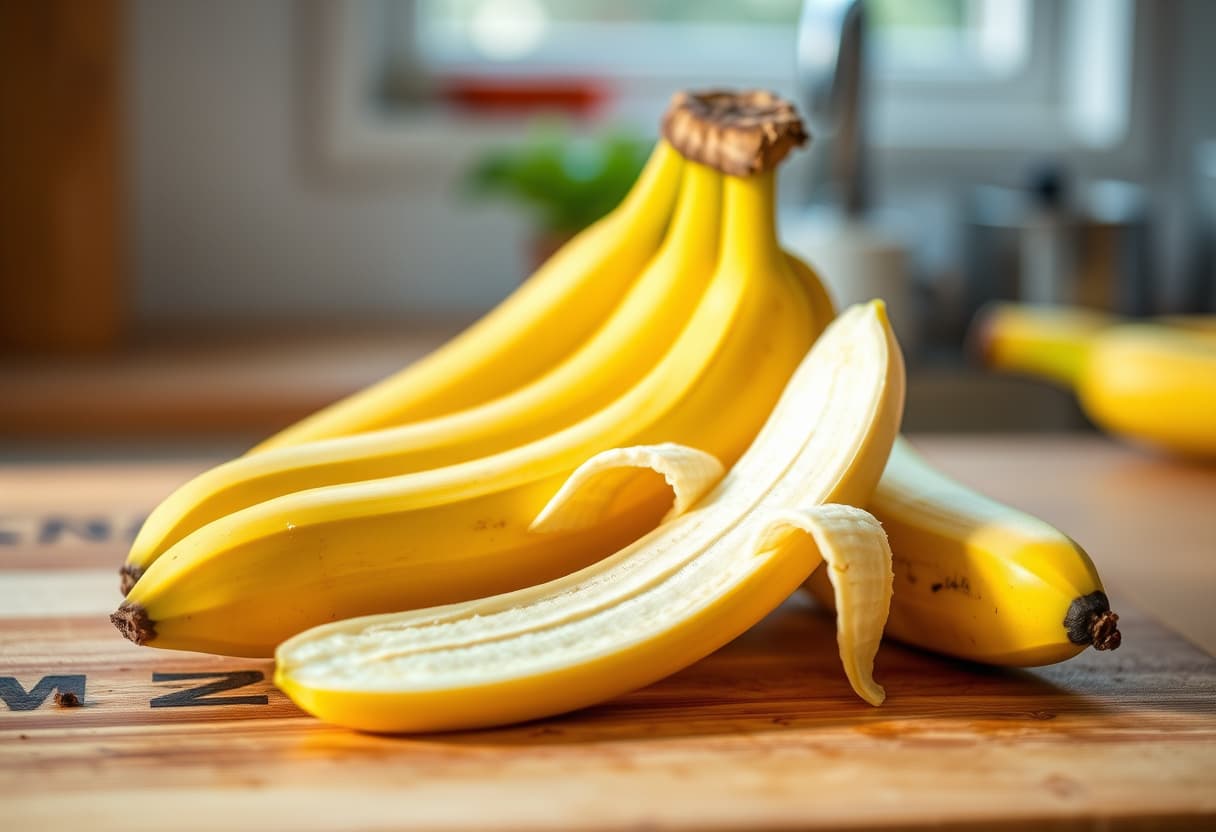
Bananas occupy a middle ground in the inflammation discussion that a lot of people get wrong in both directions. They're not an inflammation superfood the way blueberries or turmeric are, but they're also not the blood sugar bomb that keto advocates sometimes portray them as. The reality depends on ripeness, serving size, and what the rest of your diet looks like.
The direct answer: ripe bananas are mildly anti-inflammatory for most people. Their DII score is slightly negative (anti-inflammatory), driven by vitamin B6, vitamin C, potassium, and their impact on gut microbiome health through prebiotic fiber. Unripe or green bananas have additional benefits through resistant starch. The sugar content is real but doesn't outweigh the anti-inflammatory properties at one-banana servings for most people.
What Makes Bananas Anti-Inflammatory?
Dopamine and Catechins
This surprises a lot of people: bananas contain dopamine, a catecholamine that acts as a potent antioxidant in plant tissues. In human physiology, dietary dopamine from food doesn't cross the blood-brain barrier (so it won't affect mood directly), but it does function as a powerful antioxidant in the digestive tract, where it scavenges reactive oxygen species and reduces oxidative stress-driven inflammation.
A 2012 study in Food and Chemical Toxicology found that banana dopamine was highly bioavailable in the digestive tract and had antioxidant capacity comparable to some berries on a weight-for-weight basis in the gut.
Bananas also contain catechins, the same class of flavonoids found in green tea and dark chocolate, associated with reduced cardiovascular inflammation and better endothelial function.
Vitamin B6 (Pyridoxine)
One medium banana provides about 0.43 mg of vitamin B6, around 25-33% of the daily value depending on your needs. B6 is critical for regulating homocysteine levels in the blood. Elevated homocysteine is an independent risk factor for cardiovascular disease and is directly associated with higher systemic inflammation.
Population studies consistently show that adequate B6 intake correlates with lower CRP and IL-6 levels. B6 also plays a role in serotonin and melatonin synthesis, connecting banana consumption to better sleep quality, and poor sleep is one of the most reliable inflammation amplifiers we know of.
Vitamin C
A medium banana contains about 10 mg of vitamin C, around 11% of the daily value. Not as impressive as citrus or berries, but it contributes to the overall anti-inflammatory vitamin C picture. Vitamin C's role in collagen synthesis is relevant for joint health, and its antioxidant function protects against inflammation caused by free radical damage.
Potassium
Bananas are well-known for their potassium content (422 mg per medium banana, about 9% DV). Potassium plays a specific role in managing inflammation through its interaction with sodium. A high sodium-to-potassium ratio, characteristic of the Western diet, promotes hypertension and low-grade vascular inflammation. Adequate potassium helps counteract this through vasodilation and reduced arterial stiffness.
A 2020 review in Nutrients found that dietary potassium intake was inversely associated with inflammatory markers in both cardiovascular and metabolic disease populations. Bananas are one of the most accessible sources of dietary potassium.
Prebiotic Fiber
Both ripe and unripe bananas contain fructooligosaccharides (FOS), a prebiotic fiber that selectively feeds Bifidobacterium and Lactobacillus species in the gut. These bacteria produce short-chain fatty acids (butyrate in particular) that reduce intestinal permeability and suppress inflammatory signaling in the gut lining.
The prebiotic effect of bananas has been directly studied: a 2011 study in Anaerobe showed that regular banana consumption significantly increased Bifidobacterium counts and was associated with reduced bloating and improved stool quality, both markers of improved gut health and reduced intestinal inflammation.
For more on the gut-inflammation connection, see our fiber and inflammation guide.
The Ripeness Factor: Green vs Ripe Bananas
This distinction matters more than most people realize for anti-inflammatory purposes.
Green (Unripe) Bananas
Resistant starch content: Green bananas are high in resistant starch (approximately 4.7g per 100g), which the body cannot digest. Instead, it travels to the colon where gut bacteria ferment it into SCFAs, particularly butyrate. Butyrate has potent anti-inflammatory effects on the gut lining and has been studied for conditions like Crohn's disease and ulcerative colitis.
Lower glycemic impact: The resistant starch in green bananas means they have a significantly lower glycemic index than ripe bananas (GI around 30 vs. 51-62 for ripe). Lower blood sugar spikes mean less glycation, less insulin-driven fat storage, and less inflammatory signaling.
Less sweet, more starchy: The firmer texture and less sweet flavor aren't to everyone's taste, but adding green banana to smoothies blends well and delivers the resistant starch benefit.
Ripe (Yellow) Bananas
As bananas ripen, resistant starch converts to simpler sugars. The glycemic index rises, but the flavor improves dramatically. Ripe bananas also have higher antioxidant activity as the catechins and dopamine content increases during ripening.
Best use case: Smoothies, baking, eating out of hand. The antioxidant content is highest in fully ripe (yellow with some brown spots) bananas.
Overripe (Brown/Spotted) Bananas
Very ripe or overripe bananas have the highest sugar content and lowest resistant starch. For people with diabetes or insulin resistance, overripe bananas eaten alone can cause a more significant blood sugar response. That said, the antioxidant content remains high, and baking with overripe bananas (banana bread, muffins) distributes the sugar across a larger portion.
The DII Score: How Bananas Stack Up
Using the Dietary Inflammatory Index framework, a medium banana's contribution:
| Component | DII Direction | |-----------|--------------| | Vitamin B6 | Anti-inflammatory (-) | | Vitamin C | Anti-inflammatory (-) | | Potassium | Anti-inflammatory (-) | | Prebiotic fiber | Anti-inflammatory (-) | | Resistant starch (green) | Anti-inflammatory (-) | | Antioxidants (dopamine, catechins) | Anti-inflammatory (-) | | Natural sugars (ripe) | Neutral to slight positive (+) |
Overall DII contribution: slightly anti-inflammatory for one medium banana. The sugar content (14g in a ripe banana) does contribute a small pro-inflammatory component, but the other nutrients outweigh it at normal serving sizes for most metabolically healthy people.
For people with type 2 diabetes, metabolic syndrome, or significant insulin resistance, the sugar-to-benefit ratio shifts, and pairing banana with protein and fat (nut butter, Greek yogurt) makes the metabolic response more favorable.
Visit the Inflamous food database to compare banana's inflammation score against other fruits and common diet staples.
Is Banana Good for Specific Inflammatory Conditions?
Arthritis and Joint Pain
The vitamin C and antioxidant content in bananas supports collagen synthesis and cartilage health, relevant for osteoarthritis. Potassium's role in reducing vascular inflammation and the anti-inflammatory B6 content both help the systemic inflammatory environment that affects joints. Bananas are not a primary anti-arthritis food the way fatty fish or tart cherries are, but they fit well into an anti-inflammatory diet strategy for joint health. See our anti-inflammatory foods for joints guide for a complete picture.
Gut Health and IBD
The prebiotic fiber and resistant starch (especially in green bananas) make bananas supportive for gut-related inflammation. For IBD (Crohn's and ulcerative colitis), both the prebiotic effect and the potassium content (replacing electrolytes lost during flares) are valuable. During IBD flares when fiber is poorly tolerated, very ripe bananas with less fiber structure are often better tolerated than other fruits.
For IBS, bananas are generally considered low-FODMAP at one medium serving. Our anti-inflammatory eating for IBS guide covers how to use fruit strategically for IBS without triggering symptoms.
Exercise Recovery
Bananas have long been used as a recovery food for athletes, and the anti-inflammatory angle supports this use. The carbohydrates replenish glycogen, potassium replaces what's lost in sweat, vitamin B6 supports protein metabolism, and the antioxidants help reduce exercise-induced oxidative stress. Post-workout banana with some Greek yogurt or almond butter is a solid anti-inflammatory recovery snack.
Cardiovascular Inflammation
Potassium's role in blood pressure management connects directly to vascular inflammation. The B6-to-homocysteine relationship is relevant for cardiovascular disease risk. And the catechins in ripe bananas have been associated with improved endothelial function (the health of blood vessel linings) in several studies. Bananas are solidly supportive for cardiovascular anti-inflammatory eating, particularly when combined with the omega-3s and polyphenols in a Mediterranean-style diet.
Practical Tips: How to Eat Bananas Anti-Inflammatorily
Pair with fat and protein: Eating banana alone spikes blood sugar more than eating it with nut butter, Greek yogurt, or as part of a mixed meal. The protein and fat slow glucose absorption and reduce the insulin response, keeping the anti-inflammatory benefits of the banana without the glycemic hit.
Use green bananas for smoothies: If you're making smoothies and want the resistant starch benefit, green (unripe) bananas are ideal. The bitterness disappears in a blended smoothie with other ingredients.
Anti-inflammatory banana smoothie: Frozen ripe banana + almond milk + 1 tbsp ground flaxseed + 1 tsp turmeric + black pepper + ginger. This stacks banana's B6 and potassium with flaxseed omega-3s, turmeric's curcumin, and ginger's gingerols for a genuinely powerful anti-inflammatory blend.
Banana oat breakfast: Sliced banana over oatmeal with walnuts and a drizzle of honey. Oats add beta-glucan (a soluble fiber with anti-inflammatory properties), walnuts add omega-3 ALA, and banana adds potassium and B6. This combination scores well on the DII.
Post-workout snack: One banana with 2 tablespoons of almond butter. The banana provides quick carbs and anti-inflammatory antioxidants; the almond butter adds protein, healthy fat, and vitamin E.
When Bananas Might Not Be the Best Choice
Diabetes or significant insulin resistance: The glycemic impact of ripe bananas, while not extreme, is real enough that people managing blood sugar carefully should pair them with protein/fat, choose smaller (less ripe) bananas, or opt for lower-GI fruits like berries more often.
Very low carbohydrate diets: Bananas are incompatible with strict ketogenic diets. If you're doing anti-inflammatory keto, berries in small quantities are a better fruit option.
People tracking FODMAP carefully: One medium banana is low-FODMAP, but overripe bananas have higher fructose content and may trigger symptoms in sensitive IBS patients.
For most people following a general anti-inflammatory diet, none of these apply, and bananas are a solid daily food.
FAQ
Do bananas cause inflammation? No, bananas do not cause inflammation for most people. Their DII score is slightly negative (anti-inflammatory). They contain antioxidants, anti-inflammatory vitamins, prebiotic fiber, and potassium. The natural sugar content does not outweigh these benefits at normal servings.
Is banana good for arthritis? Bananas provide supportive nutrients for joint health (vitamin C, potassium, B6) but are not primary anti-arthritis foods. They fit well into a broader anti-inflammatory diet for arthritis. Fatty fish, walnuts, turmeric, and ginger would be higher priorities.
How many bananas per day is optimal? One medium banana per day is supported by the evidence and most nutritional guidelines. Two medium bananas per day is still reasonable. More than that provides significant fructose and less clear benefit from a balanced diet standpoint.
Are frozen bananas as anti-inflammatory as fresh? Yes, frozen bananas retain essentially all their anti-inflammatory compounds. Freezing preserves vitamins, antioxidants, and the resistant starch in underripe bananas. Frozen ripe bananas are excellent for smoothies.
Is banana good for reducing belly fat inflammation? Banana's potassium, B6, and prebiotic fiber all contribute to reducing the visceral adipose inflammation associated with metabolic syndrome. They won't directly burn belly fat, but they support a dietary pattern that manages the systemic inflammation underlying metabolic inflammation.
Bottom Line
Bananas are a mildly but genuinely anti-inflammatory food. They won't move the needle as dramatically as fatty fish, leafy greens, or berries, but they provide consistent daily contributions through B6, potassium, dopamine-derived antioxidants, and prebiotic fiber.
The practical case for eating one banana most days is strong, especially when paired with protein and fat. The case against bananas (based on their sugar content) is overstated for metabolically healthy people.
Track your banana intake alongside other foods using the Inflamous app and see how it affects your overall DII score. Small consistent choices compound over time.
This article is for informational purposes only and does not constitute medical advice.