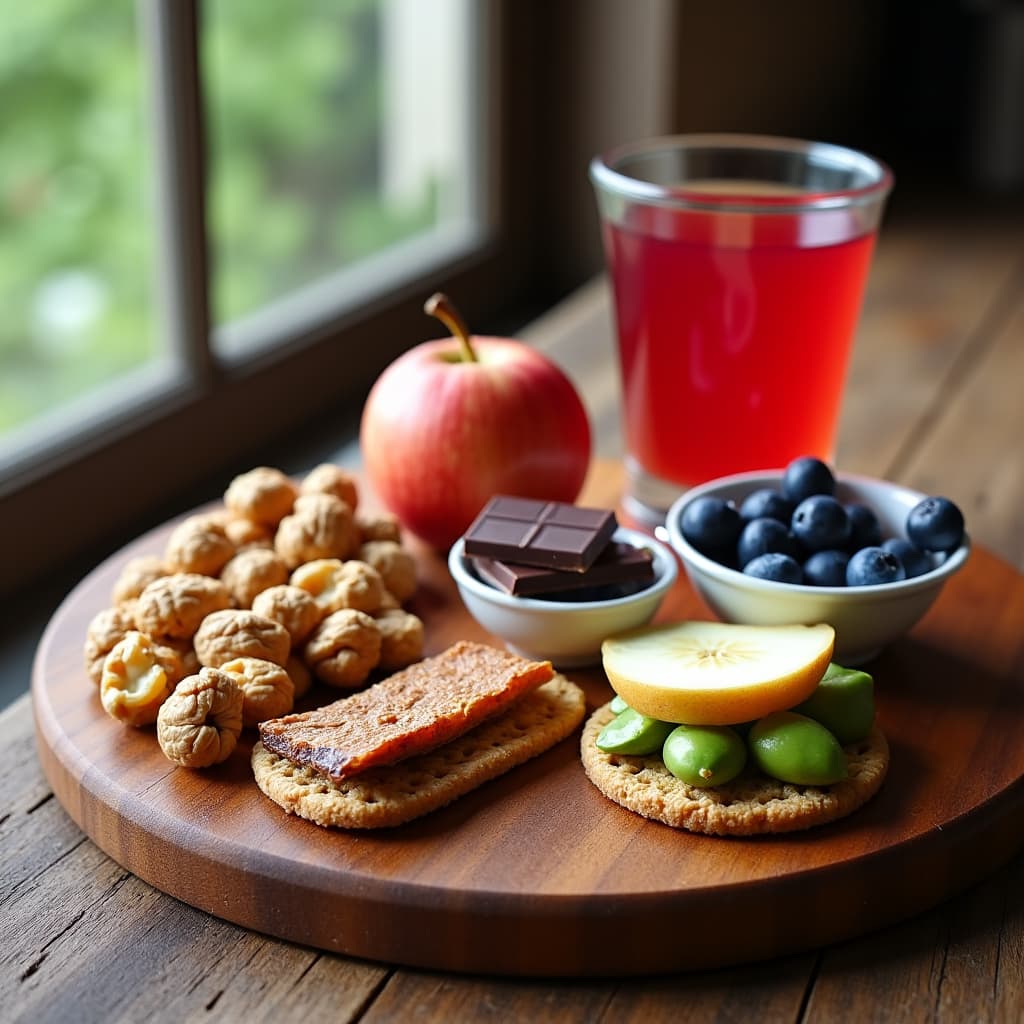
Snacking gets a bad reputation in the anti-inflammatory world, mostly because the default snack options (chips, cookies, granola bars, crackers) are loaded with pro-inflammatory ingredients. But snacking itself is not the problem. What you snack on determines whether those between-meal bites push your Dietary Inflammatory Index score up or down.
The best anti-inflammatory snacks share three qualities: they contain compounds that actively reduce inflammation (omega-3s, polyphenols, fiber), they keep blood sugar stable (protein and/or healthy fat), and they are easy enough to actually eat consistently. A snack you have to prep for 20 minutes is not a snack. It is a meal you have not committed to.
Here are 20 options, ranked by anti-inflammatory impact and practical convenience.
The Top Tier: Strong Anti-Inflammatory Impact
1. Walnuts
Walnuts are the most anti-inflammatory nut, period. They provide ALA omega-3 fatty acids, polyphenols (ellagitannins), and gamma-tocopherol (a form of vitamin E that scavenges inflammatory nitrogen radicals). A 2020 randomized trial in JAHA found that consuming 2 ounces of walnuts daily for 8 weeks significantly reduced IL-6 and CRP in overweight adults.
One handful (about 14 halves) is a complete snack. Keep a bag at your desk. No prep, no refrigeration needed.
2. Blueberries
Blueberries pack more anthocyanins per calorie than almost any other food. These dark pigments inhibit NF-kB activation and reduce production of inflammatory cytokines. Fresh or frozen, they score among the most anti-inflammatory items on the DII.
Eat them straight from the container, toss a handful on yogurt, or freeze them for a cold, sweet bite in summer.
3. Dark Chocolate (70%+ Cocoa)
Dark chocolate provides flavanols that reduce CRP and improve vascular function. A 2022 study in European Journal of Nutrition found that 30 grams of dark chocolate daily reduced inflammatory markers without increasing body weight over 8 weeks.
Two squares (about 1 ounce) is the sweet spot. More than that and the sugar content starts counteracting the benefits. Look for 70 percent or higher cocoa content.
4. Extra Virgin Olive Oil with Vegetables
Olive oil contains oleocanthal, which has ibuprofen-like anti-inflammatory properties. Paired with raw vegetables (carrots, celery, bell pepper strips, cucumber), you get polyphenols plus fiber plus vitamins.
Pre-portion olive oil into a small container, pack cut vegetables, and dip. It travels better than hummus in warm weather because olive oil does not need refrigeration.
5. Sardines on Whole Grain Crackers
Sardines are one of the most omega-3 dense foods available, providing 1,400+ mg of EPA+DHA per 3.75-ounce can. They also provide vitamin D, selenium, and B12. Paired with whole grain crackers, you get a high-protein, anti-inflammatory snack that keeps blood sugar stable for hours.
Canned sardines in olive oil are shelf-stable and portable. Not everyone loves the taste, but those who do have an unbeatable anti-inflammatory snack.
6. Turmeric Golden Milk (Iced or Hot)
Turmeric delivers curcumin, the most studied anti-inflammatory plant compound. Mixed with black pepper (for absorption), a fat source (coconut milk or whole milk), ginger, and a touch of honey, golden milk is a snack in liquid form.
Batch-make it on Sunday and keep it in the fridge. Pour over ice or heat in a mug. Each serving provides meaningful curcumin when made properly (use 1 teaspoon of turmeric and a pinch of black pepper per serving).
The Practical Tier: Good Impact, Maximum Convenience
7. Mixed Nuts and Seeds
Almonds, pistachios, pumpkin seeds, and sunflower seeds provide vitamin E, magnesium, and diverse polyphenols. A 2023 study in American Journal of Clinical Nutrition found that daily nut consumption (1.5 ounces) reduced CRP by 15 percent over 12 weeks compared to a nut-free diet.
Buy raw or dry-roasted (avoid oils and heavy salt). Pre-portion into snack bags.
8. Tart Cherry Juice
Tart cherries contain anthocyanins and melatonin, both with documented anti-inflammatory effects. Athletes use tart cherry juice for exercise recovery, and a 2019 meta-analysis found it significantly reduced CRP and markers of muscle damage.
Look for unsweetened tart cherry juice concentrate. Mix 1 ounce of concentrate with water. A bottle of concentrate lasts weeks and costs less than fresh cherries.
9. Greek Yogurt with Berries
Greek yogurt provides protein (15 to 20 grams per serving), probiotics, and calcium. Topped with berries and a sprinkle of walnuts, it covers protein, polyphenols, omega-3s, and beneficial bacteria in one bowl.
Choose plain (unsweetened) yogurt. Flavored varieties add 12 to 20 grams of sugar per serving, which undermines the anti-inflammatory benefit.
10. Avocado on Whole Grain Toast
Avocado provides monounsaturated fat, fiber, potassium, and anti-inflammatory phytosterols. On whole grain bread (which adds fiber and B vitamins), it is a filling snack that stabilizes blood sugar.
Mash half an avocado, spread on toast, add a squeeze of lemon and flaky salt. Takes 90 seconds.
11. Apple Slices with Almond Butter
Apples provide quercetin (a flavonoid that inhibits histamine release and inflammatory cytokines) and soluble fiber. Almond butter adds protein, vitamin E, and healthy fat. The combination keeps you full and provides sustained anti-inflammatory benefit.
12. Edamame
Edamame provides isoflavones (genistein and daidzein), which have documented anti-inflammatory properties. A 2022 study in Food & Function found that soy isoflavone consumption was associated with lower CRP and IL-6 levels in a dose-dependent manner.
Buy frozen, shelled edamame. Microwave for 2 minutes, sprinkle with sea salt. Done.
13. Hummus with Raw Vegetables
Chickpeas provide fiber and anti-inflammatory saponins. Tahini adds sesame lignans (sesamin and sesamolin) with documented NF-kB inhibiting properties. Combined with raw carrots, celery, and bell peppers, this is one of the most nutrient-dense snacks available.
Make a big batch on the weekend or buy pre-made. Individual cups travel well.
14. Green Tea
Green tea contains EGCG (epigallocatechin gallate), one of the most potent polyphenol anti-inflammatories. A 2023 meta-analysis found that green tea consumption reduced CRP, TNF-alpha, and IL-6. The benefit was dose-dependent, with 3+ cups daily showing the strongest effects.
Brew a pitcher and keep it in the fridge. Iced green tea with a slice of lemon is a zero-calorie anti-inflammatory snack.
15. Smoked Salmon Roll-Ups
Salmon wrapped around cream cheese and cucumber or avocado provides omega-3s, protein, and healthy fats in a portable format. Use smoked salmon slices as the "wrap."
Pre-made roll-ups keep in the fridge for 2 days. Make a batch and grab as needed.
The Quick-Fix Tier: Better Than What You'd Reach for Otherwise
16. Banana with Nut Butter
Bananas provide resistant starch (prebiotic fiber) and potassium. Paired with peanut or almond butter, the protein and fat slow sugar absorption and keep you satisfied. Not the most anti-inflammatory snack on the list, but significantly better than a granola bar or chips.
17. Trail Mix (Homemade)
Store-bought trail mix is usually loaded with candy, yogurt chips, and salt. Homemade trail mix (walnuts, almonds, pumpkin seeds, dark chocolate chips, dried tart cherries) gives you control over every ingredient.
Make a large batch. Portion into containers. Anti-inflammatory road food.
18. Cottage Cheese with Pineapple
Cottage cheese provides casein protein and calcium. Pineapple provides bromelain, an enzyme with documented anti-inflammatory effects. Together, they provide 20+ grams of protein with anti-inflammatory compounds.
19. Roasted Chickpeas
Crunchy, portable, and high in fiber and plant protein. Season with turmeric, cumin, and a pinch of black pepper for extra anti-inflammatory benefit. Roast at 400°F for 30 minutes on the weekend, and they keep in an airtight container for 5 days.
20. Frozen Grapes
Frozen grapes are nature's candy. Grapes contain resveratrol, a polyphenol with documented NF-kB inhibiting properties. Freezing them changes the texture into something closer to sorbet. Keep a bag in the freezer for when a sweet craving hits.
Snacks to Avoid
The worst offenders in most people's snack rotations:
- Chips and pretzels: Refined carbohydrates, seed oils, sodium. Nearly zero anti-inflammatory value.
- Granola bars: Most contain 12 to 20 grams of added sugar and processed seed oils. Some contain more sugar than a candy bar.
- Flavored yogurt: The added sugar cancels out probiotic benefits. Always choose plain.
- Crackers and cheese: Processed crackers use refined flour and seed oils. Processed cheese adds sodium and emulsifiers.
- Candy and sweets: Pure inflammatory load with no offsetting nutrients.
- Diet soda and sweetened drinks: Artificial sweeteners may disrupt gut bacteria and inflammatory signaling.
How to Build an Anti-Inflammatory Snack Habit
- Stock your environment. If walnuts are on your desk and chips are in the pantry, you will eat walnuts. Proximity beats willpower.
- Prep on Sundays. Wash berries, cut vegetables, portion nuts, make hummus, brew green tea. A 30-minute Sunday prep session covers the whole week.
- Pair protein with plants. Every snack should have a protein/fat source (nuts, yogurt, cheese, nut butter) paired with a whole food plant (fruit, vegetable, whole grain). This keeps blood sugar stable and maximizes anti-inflammatory compound diversity.
- Track your snacking pattern. Use the Inflamous app to log snacks and see how they shift your daily Dietary Inflammatory Index score. Many people find that snacks are where their diet goes off the rails, and visibility fixes the problem.
FAQ
What is the number one anti-inflammatory snack?
Walnuts. They provide the highest anti-inflammatory compound density per calorie of any portable snack: ALA omega-3s, ellagitannins, and gamma-tocopherol. Multiple randomized trials show they reduce CRP and IL-6. They require zero preparation and are shelf-stable.
Are protein bars anti-inflammatory?
Most are not. The majority of protein bars contain added sugar, sugar alcohols, seed oils, and emulsifiers that are pro-inflammatory. Some cleaner options (those using whey protein, nuts, and minimal additives) are acceptable, but whole food snacks almost always score better on the DII.
How many anti-inflammatory snacks should I eat per day?
One to two snacks between meals is typical. The goal is not to snack more, but to replace pro-inflammatory snack choices with anti-inflammatory ones. If your meals are solid, you may not need snacks at all. Listen to your hunger signals.
Can snacking reduce inflammation?
Yes, if you are replacing pro-inflammatory snacks with anti-inflammatory ones. The net effect depends on what you were eating before. Switching from chips and cookies to walnuts and berries can meaningfully shift your daily DII score toward the anti-inflammatory end.
The Bottom Line
Anti-inflammatory snacking is about substitution, not addition. Replace the refined carbohydrates, seed oils, and added sugars in your current snack rotation with nuts, berries, dark chocolate, olive oil, and fermented foods. The 20 options above are ranked by anti-inflammatory impact and practical convenience because the best snack is the one you actually eat consistently.
Download the Inflamous app to track how your snack choices affect your daily inflammatory score.