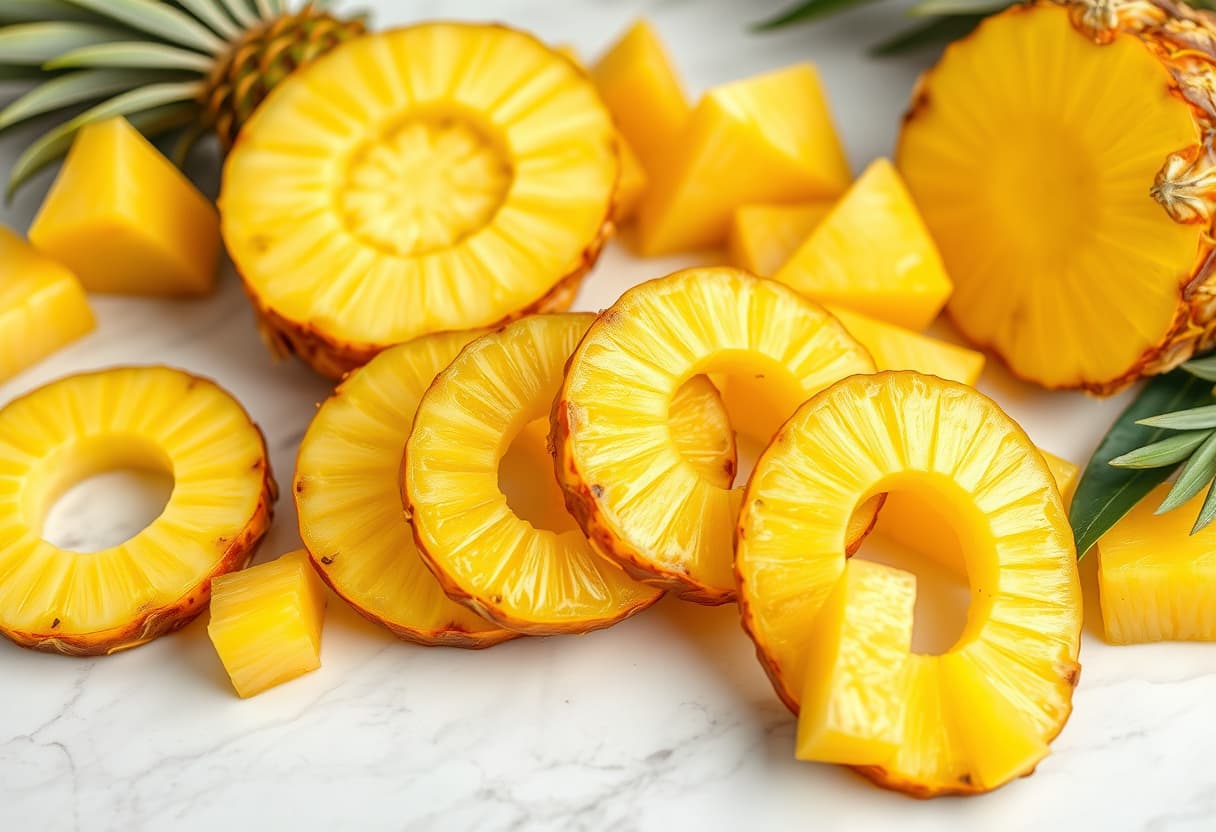
Pineapple is one of the few fruits where a single active compound, bromelain, has been studied enough to be used in clinical and surgical contexts for its anti-inflammatory effects. Combined with significant vitamin C, manganese, and a range of antioxidant phytochemicals, pineapple is legitimately anti-inflammatory when eaten as part of a balanced diet.
The direct answer: yes, pineapple is anti-inflammatory. Its Dietary Inflammatory Index (DII) score is negative, driven primarily by bromelain, vitamin C, and manganese. The natural sugars in pineapple are worth watching at high quantities, but at normal food servings, pineapple's anti-inflammatory properties outweigh its sugar content for most people.
Bromelain: Pineapple's Most Powerful Anti-Inflammatory Compound
Bromelain is a proteolytic enzyme found almost exclusively in pineapple, concentrated in both the flesh and the stem (the stem has higher concentrations but is rarely eaten). It works through several anti-inflammatory mechanisms that are well-documented in peer-reviewed literature:
How Bromelain Reduces Inflammation
Prostaglandin and thromboxane modulation: Bromelain inhibits the synthesis of pro-inflammatory prostaglandins and thromboxanes by interfering with arachidonic acid metabolism. This is mechanistically similar to how NSAIDs like ibuprofen work, though bromelain operates through slightly different pathways and without the same gastrointestinal side effects.
Cytokine regulation: Multiple in vitro and animal studies have shown bromelain reduces the production of pro-inflammatory cytokines including TNF-α, IL-1β, and IL-6. A 2012 study in Fitoterapia found that bromelain significantly reduced these markers in animal models of inflammatory bowel disease.
Bradykinin degradation: Bromelain breaks down bradykinin, a key molecule involved in pain and swelling at sites of injury or infection. This is partly why bromelain has been used clinically to reduce post-surgical swelling and bruising.
Fibrin degradation: Bromelain's proteolytic activity helps break down fibrin, which can accumulate at inflammation sites and contribute to tissue swelling. This anticoagulant-adjacent property is part of why it's been studied for cardiovascular inflammation.
Clinical Applications of Bromelain
The anti-inflammatory evidence for bromelain is strong enough that it's been:
- Used as a pharmaceutical anti-inflammatory agent in Germany (sold as Traumeel and related products)
- Studied in randomized trials for osteoarthritis with results comparable to diclofenac sodium
- Investigated for reducing post-operative inflammation after dental procedures
- Used in digestive enzyme supplements for its proteolytic properties
When you eat pineapple, you're getting a food-level dose of this compound. It's not as concentrated as a supplement, but regular consumption adds up.
Full Nutritional Anti-Inflammatory Profile
Beyond bromelain, pineapple provides a solid anti-inflammatory micronutrient package:
Vitamin C (79mg per cup, 88% DV): One of the most studied anti-inflammatory vitamins. Vitamin C is a powerful antioxidant, supports collagen synthesis (important for joint and tissue integrity), and regenerates vitamin E (another antioxidant) after it neutralizes free radicals. Low vitamin C intake is consistently associated with higher inflammatory markers in population studies.
Manganese (1.5mg per cup, 67% DV): Essential for the function of manganese superoxide dismutase (MnSOD), the mitochondria's primary antioxidant enzyme. Manganese deficiency impairs the cell's ability to manage oxidative stress, a key driver of inflammatory signaling.
Beta-carotene: Pineapple contains modest amounts of beta-carotene, which the body converts to vitamin A. Vitamin A plays a regulatory role in immune function and is involved in anti-inflammatory cytokine production.
Ferulic acid and caffeic acid: These hydroxycinnamic acids are phenolic compounds with antioxidant and anti-inflammatory properties. They inhibit lipid peroxidation and have been shown to reduce inflammatory cytokine expression in cell studies.
The DII Score: Where Pineapple Stands
Using the Dietary Inflammatory Index framework, pineapple's primary contributors:
| Component | DII Contribution | |-----------|-----------------| | Vitamin C | Anti-inflammatory (-) | | Beta-carotene | Anti-inflammatory (-) | | Manganese | Anti-inflammatory (-) | | Fiber (2.3g/cup) | Anti-inflammatory (-) | | Natural sugars | Slight positive (+) at high amounts | | Bromelain | Anti-inflammatory (-) |
At a standard serving (1 cup, 165g), pineapple's net DII score is clearly negative. The sugar content (about 16g per cup) only becomes a concern at very high intake, several cups per day, where the fructose load could promote inflammation in people with metabolic sensitivity. At one serving, pineapple is solidly anti-inflammatory.
Compare this to other inflammation scores on our walnuts page and salmon page to see where pineapple fits in your overall diet.
Pineapple vs Other Anti-Inflammatory Fruits
vs Blueberries: Blueberries have a stronger overall antioxidant profile due to their anthocyanin content, which is specifically anti-inflammatory against neurological and cardiovascular inflammation. Pineapple wins on bromelain and vitamin C.
vs Papaya: Another tropical fruit with its own proteolytic enzyme (papain). The two are similar in anti-inflammatory profile, though bromelain has more clinical research behind it than papain.
vs Cherries: Tart cherries have exceptional anti-inflammatory properties specifically for joint pain and exercise recovery, driven by anthocyanins. Pineapple and tart cherries cover different bases, and eating both is a smart strategy.
vs Mango: Mango also has an anti-inflammatory profile (mangiferin, a phytochemical unique to mango, has significant anti-inflammatory properties). Pineapple and mango are both good tropical anti-inflammatory fruit options with complementary compounds.
Who Gets the Most Benefit from Pineapple?
Athletes and Active People
Bromelain's well-documented ability to reduce post-exercise muscle soreness and accelerate recovery makes pineapple particularly valuable for people who exercise regularly. A 2017 study in Journal of the International Society of Sports Nutrition found that proteolytic enzyme supplementation (including bromelain) significantly reduced delayed onset muscle soreness (DOMS) compared to placebo. Getting this from food means a lower dose than supplements, but consistent daily intake around workouts can still provide a meaningful effect.
People with Joint Pain or Arthritis
The prostaglandin-inhibiting properties of bromelain, combined with vitamin C's collagen-supporting function, make pineapple useful for people managing joint inflammation. Several randomized controlled trials have found bromelain to be as effective as NSAIDs for mild-to-moderate osteoarthritis pain. See our comprehensive anti-inflammatory foods for joints guide for a full diet strategy.
Digestive Health
Bromelain is a protein-digesting enzyme. Eating pineapple with high-protein meals can aid digestion and reduce the digestive inflammation that sometimes occurs with large protein loads. This is part of why pineapple has traditionally been served alongside meat dishes in many cultures.
People Recovering from Surgery or Injury
Clinical data supports using bromelain-rich foods and supplements to reduce post-surgical swelling and accelerate tissue healing. While the evidence is stronger for concentrated supplements, pineapple can be a food-based complement to recovery nutrition.
Does Pineapple Juice Have the Same Benefits?
Pineapple juice retains some of the vitamin C and manganese from whole pineapple, but it has:
- Higher sugar concentration per serving (no fiber to slow absorption)
- Reduced or absent bromelain (heat processing during pasteurization destroys the enzyme)
- Lower fiber content, reducing the gut microbiome benefit
Cold-pressed fresh pineapple juice retains more bromelain, but store-bought pasteurized juice has minimal bromelain activity. For the anti-inflammatory benefits, whole fresh pineapple is meaningfully better than most commercial juices.
How to Eat Pineapple for Maximum Anti-Inflammatory Effect
Core and stem: If you're juicing pineapple or using a high-powered blender, include the core. The core has higher bromelain concentrations than the flesh. It's tougher to eat raw but blends well.
Fresh over canned: Heat from the canning process denatures bromelain. Fresh pineapple is significantly better for bromelain content. Frozen pineapple retains much more bromelain than canned.
With protein: Eating pineapple with or shortly after a protein-rich meal helps bromelain work in the digestive tract, improving protein digestion while delivering anti-inflammatory compounds to the gut.
Serving size: 1 cup (165g) is the sweet spot. This delivers meaningful bromelain and micronutrients without a sugar load that becomes counterproductive.
Anti-inflammatory combinations that work:
- Pineapple + ginger smoothie (stacks bromelain with gingerols, synergistic anti-inflammatory effect)
- Pineapple + turmeric (fat-soluble curcumin absorbs better alongside the natural fats in a smoothie or meal)
- Pineapple + salmon (the bromelain aids protein digestion; the omega-3s provide their own anti-inflammatory benefit)
What About Pineapple and Acid Sensitivity?
Pineapple is acidic (pH around 3.5), which can aggravate acid reflux or GERD in some people. If you have acid sensitivity, eat pineapple as part of a meal rather than on an empty stomach, and stick to the flesh rather than the core, which has higher acid concentration.
For most people without digestive acid issues, the acidity of pineapple is not a significant problem and does not undermine its anti-inflammatory benefits.
FAQ
Does cooking pineapple destroy its anti-inflammatory properties? Yes, heat destroys bromelain (the enzyme denatures above about 60°C/140°F). Cooked pineapple still retains its vitamin C (partially) and other antioxidants, but loses most of its bromelain activity. For maximum anti-inflammatory benefit, eat pineapple raw or frozen (thawed).
Is pineapple good for gut inflammation? Yes. Bromelain has been studied for inflammatory bowel conditions and shows benefit by reducing cytokine production in the intestinal lining. The fiber in fresh pineapple also feeds beneficial gut bacteria. For gut-specific anti-inflammatory eating, our gut health guide covers pineapple alongside other gut-supportive foods.
How much pineapple should I eat per day? One cup (165g) of fresh pineapple daily is a reasonable target for consistent anti-inflammatory benefit. More than two cups daily on a regular basis starts to increase the fructose load, which can be counterproductive for people with metabolic sensitivity or diabetes.
Is pineapple anti-inflammatory for dogs? Yes, plain fresh pineapple in small amounts is generally safe and has anti-inflammatory properties for dogs. Avoid canned pineapple (often contains added sugar) and keep portions small. Check with your vet for any pet-specific guidance.
Can pineapple interfere with medications? Bromelain can interact with blood thinners (warfarin, aspirin) and antibiotics. If you're on anticoagulant therapy, talk to your doctor before significantly increasing pineapple consumption or taking bromelain supplements.
Bottom Line
Pineapple is a legitimately anti-inflammatory fruit, and bromelain is the reason it stands out from most other fruits. The clinical evidence for bromelain's anti-inflammatory effects is unusually strong for a food compound, covering everything from joint pain to surgical recovery to digestive inflammation.
Eat it fresh, eat it daily, and pair it with other anti-inflammatory staples for the best results. The Inflamous app can help you track how pineapple and other foods shift your personal DII score over time, so you can see the cumulative effect of building a genuinely anti-inflammatory diet pattern.
This article is for informational purposes only and does not constitute medical advice.