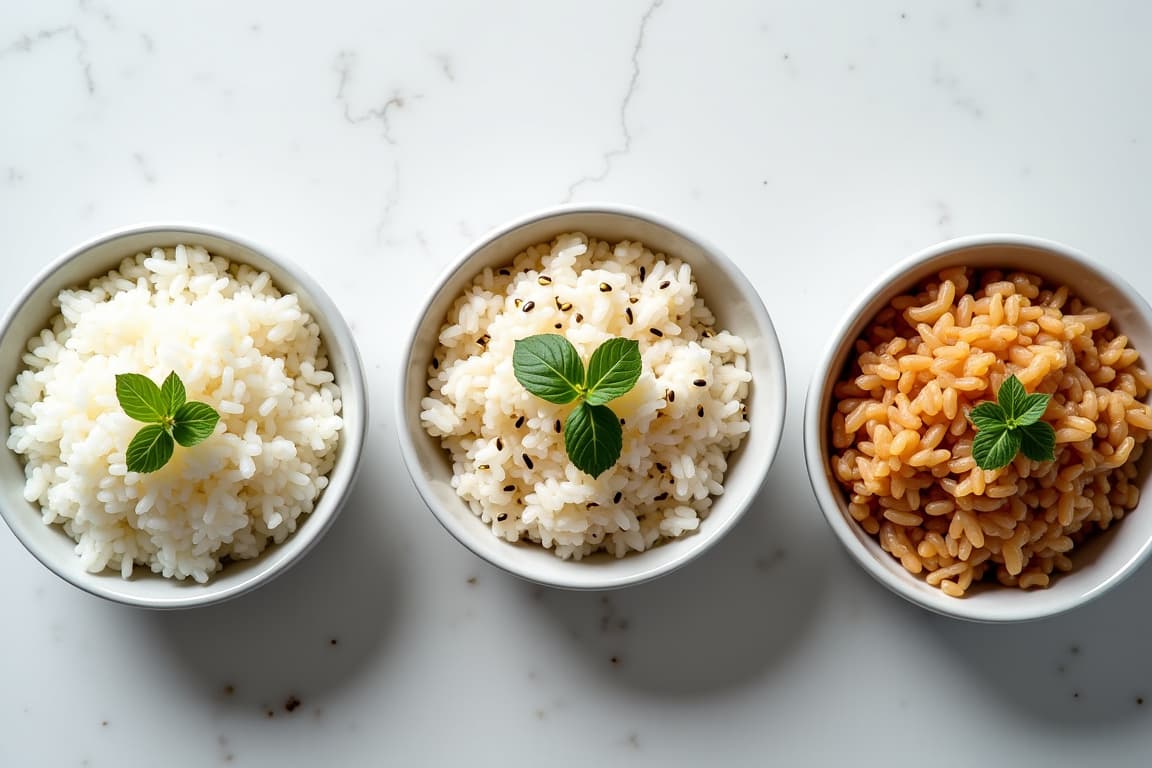
Rice is not automatically inflammatory. Its effect depends on the type of rice, portion size, and what you eat with it. White rice is more refined and may raise blood sugar faster, which can make it less favorable in an anti-inflammatory diet if portions are large and the rest of the meal is low in fiber or protein. Brown rice and wild rice are usually better choices because they contain more fiber, more micronutrients, and a lower overall inflammatory impact. If you are asking "is rice inflammatory," the best answer is this: rice can fit into a healthy diet, but some forms fit better than others.
People often oversimplify rice. It gets labeled good in athlete circles and bad in low-carb circles. Neither view captures the real issue. Rice is mostly a carbohydrate source, and carbohydrate quality exists on a spectrum.
White rice: neutral for some people, less ideal in excess
White rice has had the bran and germ removed, which makes it softer, faster-cooking, and easier to digest. It also removes much of the fiber and some micronutrients. That is why white rice generally has a higher glycemic impact than brown or wild rice.
Does that make white rice inflammatory? Not by default.
In many traditional diets, white rice is eaten with beans, vegetables, fish, fermented foods, herbs, and modest portions. In that setting, the overall meal may still score reasonably well. The problem shows up when white rice is paired with fried foods, sugary sauces, and low-fiber sides, or when the portion crowds out everything else on the plate.
So the question is not just white rice vs brown rice. It is what kind of plate the rice is living on.
Brown rice: usually a better anti-inflammatory choice
Brown rice keeps the bran and germ, so it contains more fiber, magnesium, and phytonutrients than white rice. It also tends to digest more slowly, which may support steadier blood sugar response in some people.
That makes brown rice a better fit in a lower-inflammatory pattern for most adults, especially if they are trying to improve their Dietary Inflammatory Index profile. It is not dramatically higher in fiber, but the difference still counts when it adds up over repeated meals.
Brown rice works especially well with legumes, vegetables, tofu, salmon, and olive oil-based meals. It is one of those small upgrades that improves a plate without making dinner harder.
Wild rice: the best option of the three for many people
Wild rice is technically not true rice, but nutritionally it often comes out ahead. It usually contains more protein, more fiber, and a chewier texture that slows eating and improves satisfaction.
From an inflammation standpoint, wild rice often gets the nod because it has more nutrient density and a lower refined-carbohydrate feel than white rice. It also pairs well with anti-inflammatory foods like mushrooms, herbs, roasted vegetables, beans, and fish.
The downside is cost and convenience. It takes longer to cook and is often more expensive. Still, using it once or twice a week can be a smart move if you enjoy it.
Glycemic impact and inflammation
The link between rice and inflammation often comes down to blood sugar dynamics. A fast-digesting meal can lead to a sharper glucose rise, especially if it is low in fiber, low in protein, and easy to overeat. Repeated patterns like that may contribute to a more pro-inflammatory diet over time.
That is why rice should not be judged in isolation. A bowl of white rice with fried chicken and sweet sauce is different from a moderate serving of rice with salmon, vegetables, olive oil, and beans.
You can lower the impact of rice meals by:
- Keeping portions moderate
- Pairing rice with protein and fiber
- Adding vegetables generously
- Using lower-sugar sauces
- Choosing brown or wild rice more often
This is the same principle we discuss in anti-inflammatory meal plan: 7 days of recipes and how ultra-processed foods drive chronic inflammation.
The Inflammation Score Breakdown
Here is a simple way to think about rice in the Inflamous framework.
White rice
- Lower fiber
- Higher glycemic response
- Neutral to mildly negative depending on portion and pairings
Brown rice
- More fiber and micronutrients
- Better satiety and steadier glucose response
- Usually a more favorable score than white rice
Wild rice
- More fiber and protein than white rice
- Higher nutrient density
- Often the most favorable score of the three
What improves any rice meal:
- Adding beans or lentils
- Including leafy greens or cruciferous vegetables
- Pairing with salmon or tofu
- Using olive oil-based dressings
- Including anti-inflammatory flavor boosters like ginger
What worsens it:
- Oversized portions
- Sugary sauces
- Fried proteins
- Very low vegetable intake
- Making rice the entire meal rather than one component
Is rice bad for inflammation if you eat it every day?
Not necessarily. Many healthy dietary patterns include rice regularly. Daily rice intake can fit well if the meals are balanced and the rest of the diet is rich in fiber, plants, and minimally processed foods.
If your day already includes low-fiber cereal, snack crackers, sweet drinks, and takeout, then multiple rice-heavy meals may push the pattern further toward refined carbohydrate overload. But rice itself is rarely the whole problem.
People with blood sugar dysregulation may do better with smaller portions, higher-fiber varieties, or mixed meals that reduce the glucose spike. That is about context, not blanket fear.
FAQ
Is white rice inflammatory?
White rice is not automatically inflammatory, but it is less favorable than brown or wild rice because it is more refined and lower in fiber.
Is brown rice anti-inflammatory?
Brown rice is not a superfood, but it is generally a better fit in an anti-inflammatory diet because it contains more fiber and nutrients than white rice.
Which rice is best for inflammation?
Wild rice and brown rice are usually the better options. Wild rice often comes out ahead for fiber and protein, though cost and preparation time matter.
Does cooling rice reduce its inflammatory effect?
Cooling cooked rice may increase resistant starch somewhat, which can improve glycemic response in some cases. It can be helpful, but it does not override portion size and meal quality.
Bottom line
Rice is not inherently inflammatory. White rice is more refined and can be less favorable when eaten in large portions or in low-fiber meals, while brown rice and wild rice usually fit better into a lower-inflammatory pattern. The main question is not whether rice is good or bad. It is how the whole meal scores.
Use the Inflamous app to compare rice types, log your meals, and see whether your go-to bowl is helping or hurting your daily inflammation total.
Rice and resistant starch: a small but useful detail
You may have heard that cooled rice is better for blood sugar. There is some truth to that. When cooked rice is cooled, a portion of its starch can become resistant starch, which may modestly reduce glycemic impact in some meals. Reheating does not remove all of that effect.
This is not a magic trick, but it can be useful in meal prep. Rice bowls made ahead of time and paired with beans, vegetables, and protein may land better than a giant bowl of freshly cooked white rice eaten on its own.
What about rice in athletes and active people?
For athletes or very active people, rice can be a perfectly reasonable carbohydrate source because training improves glucose handling and carbohydrate needs are higher. In that setting, rice is often serving performance and recovery, not just convenience.
Even then, the type and pairing still matter. A post-workout rice bowl with chicken, vegetables, and olive oil is very different from frequent takeout meals built around refined grains and sugary sauces.
When rice may be a less helpful staple
Rice becomes less favorable when it crowds out higher-fiber staples entirely. If breakfast is low-fiber cereal, lunch is white rice with fried protein, dinner is takeout noodles, and snacks are crackers, then the pattern becomes heavily refined and fiber-poor.
That is usually the bigger issue, not whether one serving of rice is inflammatory.
For many people, the smartest move is not cutting rice. It is rotating rice with beans, oats, quinoa, potatoes, and other starches while improving what goes with it.