Rosacea is not just a skin problem. It is a chronic inflammatory condition that happens to manifest on your face. The redness, flushing, visible blood vessels, and sometimes acne-like bumps of rosacea all trace back to dysregulation of the innate immune system, neurovascular inflammation, and a disrupted skin microbiome.
Diet influences every one of those pathways. Certain foods directly trigger flushing by dilating facial blood vessels. Others amplify systemic inflammation that makes your skin's vascular response more reactive. And increasingly, research points to the gut-skin axis as a central mechanism: the state of your gut microbiome powerfully influences how your facial skin behaves.
An anti-inflammatory diet for rosacea addresses all three angles. This guide covers exactly what to eat, what to eliminate, and how to identify your personal triggers.
Why Rosacea Is an Inflammatory Condition
Rosacea involves chronic, low-grade inflammation in the dermis driven by an overactivated innate immune system. Cathelicidins (antimicrobial peptides) are overproduced in rosacea skin and trigger mast cell activation, VEGF release, and inflammatory cytokine cascades that cause the characteristic redness and vascular changes.
Gut health plays a surprisingly central role. Multiple studies have found elevated rates of small intestinal bacterial overgrowth (SIBO) and Helicobacter pylori infection in rosacea patients. A 2008 study in Clinical Gastroenterology and Hepatology found that treating SIBO led to rosacea remission in a significant proportion of affected patients. The gut-skin microbiome connection explains why dietary changes that address intestinal inflammation can visibly improve facial skin in rosacea.
The Dietary Inflammatory Index (DII) is relevant here because rosacea patients with high systemic inflammation (elevated CRP, IL-6) tend to have more severe, treatment-resistant disease. Shifting to a lower DII dietary pattern reduces the systemic inflammatory background that makes the skin so reactive.
The Two-Part Rosacea Diet Strategy
Managing rosacea through diet requires two simultaneous approaches: reducing systemic inflammation (the anti-inflammatory diet component) and avoiding personal triggers (the flushing and flare prevention component). These are related but distinct.
Part 1: Anti-Inflammatory Foundation Foods
Fatty fish. Omega-3 fatty acids are among the most evidence-backed anti-inflammatory interventions. EPA specifically reduces the production of inflammatory eicosanoids and reduces VEGF signaling, the vascular growth factor that drives blood vessel proliferation in rosacea. Salmon, sardines, and mackerel three times weekly provide clinically meaningful omega-3 intake. Cold-water fish are also low in histamine when fresh, making them ideal for rosacea management.
Extra virgin olive oil. Oleic acid and the polyphenol oleocanthal in olive oil directly inhibit COX-1 and COX-2 enzymes, reducing prostaglandin production that contributes to facial vasodilation. Olive oil scores powerfully on the DII scale. Use it as your primary cooking fat, replacing seed oils entirely.
Leafy greens and cruciferous vegetables. Spinach, kale, broccoli, and Brussels sprouts provide quercetin, sulforaphane, and carotenoids that reduce mast cell activation and downstream inflammatory signaling. Quercetin specifically has been shown to stabilize mast cells, which play a central role in rosacea flaring.
Green tea. Topical green tea extracts are already used in some rosacea formulations. Drinking it provides catechins that reduce NF-kB activation and suppress the inflammatory cytokines involved in rosacea. Two to three cups daily is a low-effort, high-value addition. Green tea's DII score is among the most negative (anti-inflammatory) of any beverage.
Zinc-rich foods. Low serum zinc is common in rosacea patients. Zinc supports skin barrier integrity, modulates immune function, and reduces the mast cell overactivation implicated in rosacea. Pumpkin seeds, chickpeas, hemp seeds, and shellfish (if histamine-tolerated) are good sources.
Turmeric in cooking. Curcumin's NF-kB-inhibiting activity is relevant for rosacea. It cannot be applied topically effectively, but consistent culinary use provides meaningful anti-inflammatory support. Combine with black pepper for absorption. See turmeric's inflammation profile.
Part 2: Rosacea Trigger Avoidance
This is where rosacea differs from other inflammatory skin conditions. Many foods that are generally anti-inflammatory can trigger rosacea flushing due to their effects on facial vasodilation or histamine release, even if they are reducing systemic inflammation in other ways.
Alcohol. This is the number one dietary rosacea trigger, cited by 76% of rosacea patients in National Rosacea Society surveys. All alcohol dilates blood vessels, but red wine is the worst offender due to its combination of alcohol, histamine, tannins, and sulfites. If you have rosacea and drink alcohol, elimination is the single highest-impact dietary change you can make.
Spicy foods. Capsaicin activates TRPV1 receptors in facial skin, triggering neurovascular flushing that can persist for hours. Hot peppers, cayenne, chili sauce, and spicy curries are common triggers. This does not mean you cannot eat spice forever, but during flares, spicy food is worth eliminating entirely to test its contribution.
Hot beverages. Temperature itself triggers flushing. Hot coffee, hot tea, and hot soup can all cause immediate flushing even before the food's chemical components have any effect. Allow beverages to cool to warm rather than hot. Iced coffee and iced tea are better options for active rosacea.
High-histamine foods. Rosacea patients frequently have histamine intolerance or elevated mast cell activity. High-histamine foods can trigger flushing and worsen inflammation. The main culprits: aged and fermented cheeses, cured and processed meats (salami, bacon, deli meat), fermented vegetables (sauerkraut, kimchi), vinegar, and canned fish. Note that fermented foods are generally anti-inflammatory but can be problematic for histamine-sensitive rosacea patients specifically.
Cinnamaldehyde-containing foods. Cinnamaldehyde is a compound that causes vasodilation and is found in tomatoes, citrus fruits, chocolate, and cinnamon. The National Rosacea Society identifies these as common triggers. This is frustrating because tomatoes and citrus are otherwise nutritious, but their vasodilating effect is real for many rosacea sufferers.
Refined sugar and ultra-processed foods. Sugar promotes insulin-driven inflammation and increases VEGF production. Ultra-processed foods with emulsifiers and artificial additives disrupt gut barrier integrity. Both worsen the inflammatory background that makes rosacea more reactive.
The Inflammation Score Breakdown
Best foods for rosacea (anti-inflammatory and low-trigger):
- Salmon: High omega-3, low histamine when fresh, reduces VEGF and prostaglandins
- Olive oil: Top anti-inflammatory fat, no vasodilating effect
- Sweet potato: Beta-carotene, anti-inflammatory, not a rosacea trigger
- Leafy greens (spinach, kale, arugula): Quercetin, anti-inflammatory, cool-temperature, not a trigger
- Cucumber: Cooling, quercetin, anti-inflammatory, low-trigger
Foods to test individually (beneficial but potentially triggering for some):
- Blueberries: Anti-inflammatory but some rosacea patients react to certain berry types
- Yogurt and kefir: Probiotic benefit vs. potential histamine or dairy sensitivity
- Avocado: Excellent fat profile but occasional trigger due to histamine content
- Dark chocolate: Polyphenol benefits vs. cinnamaldehyde triggering for some
Clear avoids for most rosacea patients:
- Alcohol (all types, red wine worst)
- Hot beverages above body temperature
- Spicy foods with capsaicin
- Aged cheeses and cured meats
- Tomatoes, citrus (test individually)
Practical Rosacea-Friendly Meals
Breakfast: Oatmeal (cooled to warm) with blueberries, a tablespoon of almond butter, and a sprinkle of flaxseed. Or scrambled eggs with baby spinach cooked in olive oil. Both are anti-inflammatory and low on common rosacea triggers.
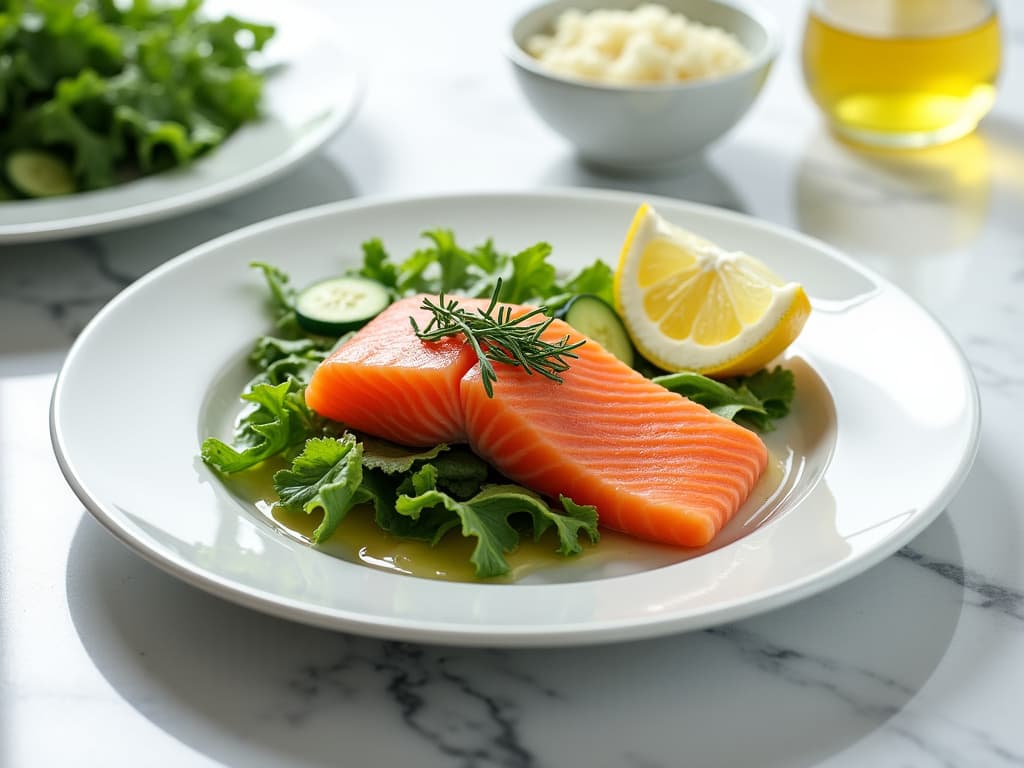
Lunch: Baked salmon salad over mixed greens with cucumber, avocado, and olive oil-lemon dressing. This is the closest thing to a "perfect rosacea lunch": high omega-3, anti-inflammatory, cooling, and low on trigger foods.
Dinner: Baked chicken thighs marinated in olive oil, garlic, and herbs (thyme, rosemary), served with roasted sweet potato and steamed broccoli. Simple, satisfying, rosacea-friendly.
Snacks: Raw pumpkin seeds, apple slices (peeled if you react to skin), or carrot sticks with hummus. Avoid spicy hummus varieties.
Beverages: Water, iced green tea, iced herbal teas (chamomile is particularly anti-inflammatory). Avoid hot beverages, alcohol, and sparkling drinks if carbonation triggers you.
Tracking Your Rosacea Dietary Triggers
Rosacea triggers are deeply personal. What flares one person's rosacea may have no effect on another's. The most effective approach is systematic tracking combined with methodical elimination testing.
Keep a food and symptom diary for two to four weeks before making major dietary changes. Note what you ate, when you ate it, and when flushing or flare symptoms appeared. Patterns usually emerge within two to three weeks.
Then conduct a structured elimination: remove your top suspected triggers for three weeks, observe skin changes, and reintroduce one at a time to confirm. The Inflamous app's symptom logging feature makes this significantly easier.
Our complete anti-inflammatory foods guide is a good reference for building a rosacea-supportive food list. And the science behind the Dietary Inflammatory Index explains why measuring dietary inflammation rather than just avoiding triggers gives you a more complete picture.
Bottom Line
Managing rosacea with diet requires both offense (anti-inflammatory foods that reduce systemic inflammatory burden) and defense (trigger avoidance that prevents acute flushing and flare events). These are not the same list, and optimizing both simultaneously is where the real improvement comes from.
Start with the clearest wins: eliminate alcohol, cool down your beverages, add fatty fish three times per week, and replace seed oils with olive oil. Most rosacea patients who do these four things consistently notice meaningful improvement within three to four weeks. Download Inflamous to track your meals, score your dietary inflammatory load, and log skin symptoms so you can identify your specific trigger patterns faster.
Your skin will tell you what works. Your job is to listen carefully enough to understand what it's saying.