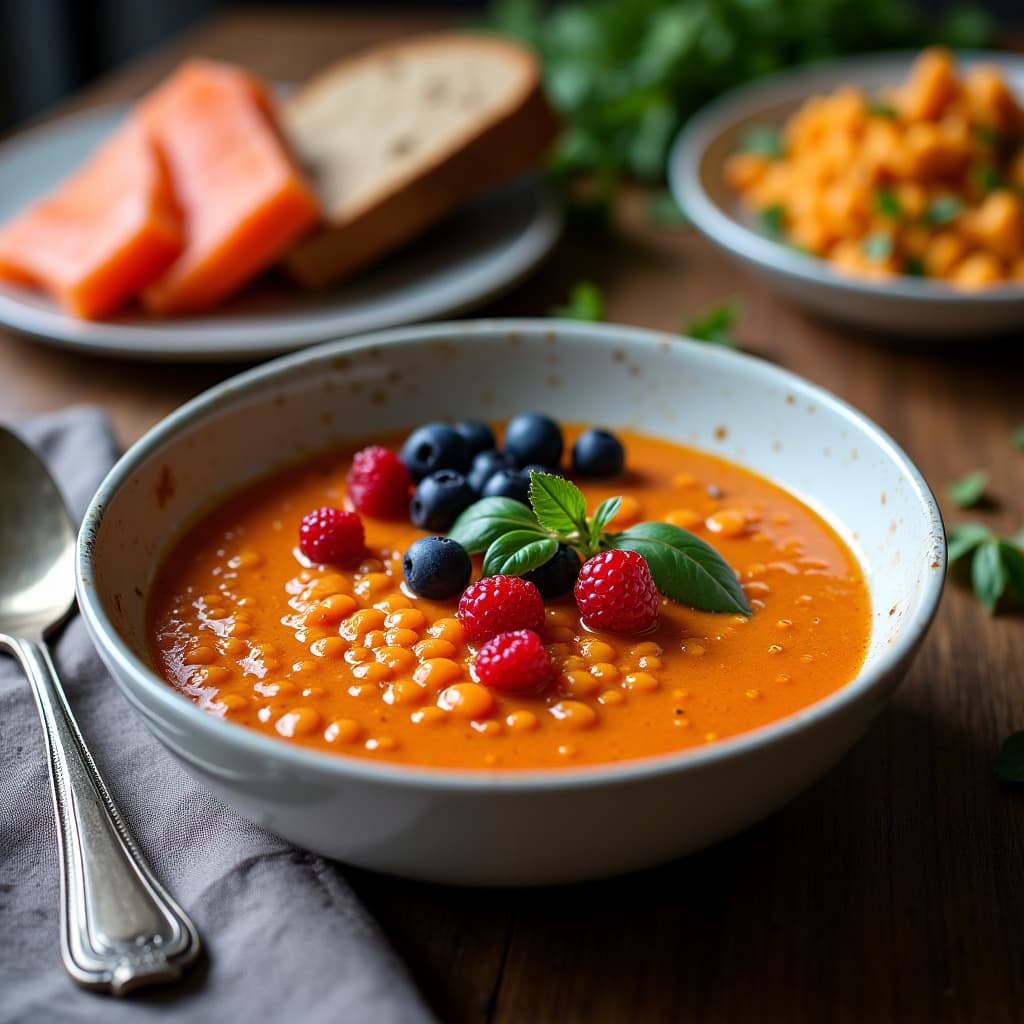
Diverticulitis happens when small pouches (diverticula) in the colon wall become inflamed or infected. It causes severe abdominal pain, fever, nausea, and altered bowel habits. About 200,000 Americans are hospitalized for diverticulitis every year, and recurrence rates run between 20 and 35 percent.
The good news: diet is one of the strongest modifiable risk factors. An anti-inflammatory eating pattern can reduce flare frequency, support gut healing between episodes, and lower the chronic low-grade inflammation that drives diverticular disease progression.
Why Inflammation Matters in Diverticulitis
Diverticulitis is fundamentally an inflammatory condition. The diverticula themselves form due to structural weakness in the colon wall, but it is inflammation that turns quiet diverticulosis (pouches without symptoms, present in over 50 percent of adults over 60) into painful diverticulitis.
A 2023 study in Gastroenterology found that patients with diverticulitis have elevated levels of fecal calprotectin, C-reactive protein, and pro-inflammatory cytokines (IL-6, TNF-alpha) even between flares. This persistent low-grade inflammation suggests that the colon never fully heals in many patients, and their baseline dietary pattern plays a direct role.
The Dietary Inflammatory Index (DII) has been studied specifically in diverticular disease. A 2022 prospective cohort study following 46,000 men found that those eating the most pro-inflammatory diets (highest DII scores) had a 56 percent higher risk of diverticulitis compared to those eating anti-inflammatory diets.
During a Flare: What to Eat
When diverticulitis is active, the priority shifts from prevention to damage control. Your doctor may recommend:
Phase 1 (acute, first 2 to 3 days): Clear liquids only. Broth, water, clear juices, popsicles, gelatin. This gives the inflamed colon complete rest. Some patients need IV fluids and antibiotics during this phase.
Phase 2 (improving, days 3 to 7): Low-fiber, easily digestible foods. White rice, plain pasta, well-cooked vegetables without skin, bananas, applesauce, eggs, tender chicken or fish. The goal is nutrition without mechanical irritation to healing tissue.
Phase 3 (recovery, weeks 2 to 4): Gradual fiber reintroduction. Add 5 grams of fiber per week until reaching 25 to 35 grams daily. This is where most people make mistakes: they either stay on a restricted diet too long (missing out on fiber's protective benefits) or jump back to full fiber too quickly (causing pain and gas).
Between Flares: The Anti-Inflammatory Approach
Once you have recovered from an acute episode, your daily diet becomes your primary prevention tool.
High-Fiber Foods (the Foundation)
This might surprise you. For decades, doctors told diverticulitis patients to avoid nuts, seeds, and popcorn, fearing these foods would lodge in diverticula and trigger flares. Multiple large studies have debunked this myth. A landmark 2008 study in JAMA following 47,000 men for 18 years found no association between nut, corn, or popcorn consumption and diverticulitis risk. In fact, nut consumption was inversely associated with diverticulitis.
High-fiber foods that protect against flares:
- Beans and lentils: Among the highest fiber foods available. A half-cup of cooked lentils provides 8 grams of fiber. Start slowly if you are not used to them.
- Whole grains: Oats, brown rice, quinoa, whole wheat. A 2021 study in Gut found that each 5-gram increase in daily cereal fiber reduced diverticulitis risk by 14 percent.
- Vegetables: Broccoli, Brussels sprouts, carrots, sweet potatoes, spinach. Aim for 5 or more servings daily.
- Fruits: Berries, apples (with skin), pears, prunes. Prunes are particularly beneficial because they contain both soluble and insoluble fiber plus sorbitol, which promotes healthy bowel motility.
The fiber target is 25 to 35 grams per day. Most Americans eat only 15 grams. Increase gradually (5 grams per week) to avoid bloating and gas.
Anti-Inflammatory Fats
Fat quality matters enormously for colon inflammation. The types of fat you eat directly influence the inflammatory profile of your gut lining.
- Olive oil: Oleocanthal in extra virgin olive oil has anti-inflammatory potency comparable to ibuprofen. Use it as your primary cooking oil.
- Fatty fish: Salmon, sardines, mackerel, and herring provide EPA and DHA omega-3s that reduce colon inflammation. Aim for 2 to 3 servings per week. A 2022 study in Inflammatory Bowel Diseases found that higher omega-3 intake was associated with lower fecal calprotectin levels in patients with colonic inflammation.
- Nuts and seeds: Walnuts, chia seeds, flaxseeds, almonds. Despite the old advice to avoid these, they are protective. The fiber, healthy fats, and polyphenols in nuts reduce intestinal inflammation.
- Avocado: High in monounsaturated fat and soluble fiber, making it a dual-benefit food for diverticulitis prevention.
Fermented Foods for Gut Microbiome Support
The gut microbiome plays a central role in diverticulitis. Patients with recurrent diverticulitis tend to have lower microbial diversity and higher levels of inflammation-promoting bacteria compared to healthy controls.
Fermented foods introduce beneficial bacteria and short-chain fatty acids that strengthen the gut barrier:
- Yogurt (with live cultures): Look for strains like Lactobacillus and Bifidobacterium on the label
- Kefir: More diverse bacterial strains than yogurt
- Sauerkraut and kimchi: Unpasteurized versions contain living bacteria
- Miso and tempeh: Fermented soy products with anti-inflammatory properties
A 2023 randomized trial in Alimentary Pharmacology and Therapeutics found that daily probiotic supplementation (Lactobacillus casei) reduced diverticulitis recurrence by 32 percent over 12 months compared to placebo.
Polyphenol-Rich Foods
Polyphenols are plant compounds with potent anti-inflammatory effects on the colon specifically. They are metabolized by gut bacteria into compounds that reduce intestinal inflammation and strengthen the gut barrier.
Top sources:
- Berries: Blueberries, raspberries, blackberries (also high in fiber)
- Green tea: EGCG catechins have been shown to reduce colonic inflammation in animal models
- Dark chocolate (70% or higher): Cocoa flavanols support beneficial gut bacteria
- Turmeric: Curcumin reduces NF-kB activation in intestinal tissue
Foods to Avoid or Limit
Red and Processed Meat
This is the strongest dietary risk factor for diverticulitis after low fiber intake. A 2017 prospective study in Gut found that men who ate the most red meat (particularly unprocessed red meat) had a 58 percent higher risk of diverticulitis compared to the lowest consumers. The effect was dose-dependent: each serving per day of red meat increased risk by 18 percent.
Processed meat (bacon, sausage, hot dogs, deli meat) adds nitrates, sodium, and advanced glycation end products to the inflammatory burden. Limit these to occasional consumption or eliminate them during recovery.
Refined Grains and Added Sugar
White bread, white rice, pastries, and sugary foods promote inflammation and feed pro-inflammatory gut bacteria at the expense of beneficial species. They also displace the fiber-rich whole grains your colon needs.
Ultra-Processed Foods
Ultra-processed foods contain emulsifiers (polysorbate 80, carboxymethylcellulose) that have been shown in animal studies to thin the protective mucus layer of the colon and increase intestinal permeability. For a colon already prone to inflammation, this is a direct risk factor.
Excess Alcohol
Alcohol irritates the gut lining, disrupts the microbiome, and increases intestinal permeability. During recovery from a flare, avoid alcohol completely. Between flares, moderate consumption (one drink per day or less) is generally tolerated, but heavier drinking raises recurrence risk.
A Sample Anti-Inflammatory Day for Diverticulitis Prevention
Breakfast: Overnight oats with chia seeds, blueberries, walnuts, and a drizzle of honey. Green tea.
Lunch: Large salad with mixed greens, chickpeas, cucumber, tomatoes, avocado, and extra virgin olive oil dressing. Whole grain bread on the side.
Snack: Apple slices with almond butter. Handful of mixed nuts.
Dinner: Baked salmon with roasted sweet potatoes and steamed broccoli drizzled with olive oil. Side of sauerkraut.
Dessert: Plain yogurt with raspberries and a square of dark chocolate.
This day provides approximately 35 grams of fiber, abundant omega-3s, polyphenols, and fermented foods, all while keeping the Dietary Inflammatory Index score strongly anti-inflammatory.
Practical Tips for Long-Term Success
- Increase fiber gradually. The single most common mistake is adding too much fiber too fast. Your gut bacteria need time to adapt. Add 5 grams per week.
- Drink plenty of water. Fiber without adequate hydration can cause constipation and worsen symptoms. Aim for 8 or more glasses daily.
- Cook vegetables well during early recovery. Raw vegetables are harder to digest. Steaming, roasting, and sauteing break down cellulose and make fiber gentler on healing tissue.
- Track your inflammatory intake. Use the Inflamous app to monitor your Dietary Inflammatory Index score and identify patterns between diet quality and symptom flares.
- Keep a food and symptom diary. While population-level triggers are well studied, individual tolerance varies. Tracking your own responses helps identify personal triggers.
- Move your body. Regular physical activity reduces diverticulitis risk independent of diet. A 2019 meta-analysis found that vigorous exercise reduced risk by 27 percent.
FAQ
Can I eat nuts and seeds with diverticulitis?
Yes. The old advice to avoid nuts, seeds, and popcorn has been thoroughly debunked. A large 18-year prospective study in JAMA found no increased risk from these foods, and nut consumption was actually associated with lower diverticulitis risk. Introduce them gradually during recovery, but do not avoid them long-term.
How much fiber should I eat to prevent diverticulitis flares?
Aim for 25 to 35 grams per day from whole food sources (not supplements, which lack the full benefit of food-based fiber). Each 5-gram increase in daily fiber intake reduces diverticulitis risk by roughly 14 percent. Increase slowly, adding about 5 grams per week to avoid bloating.
Is the FODMAP diet good for diverticulitis?
A low-FODMAP diet can help manage symptoms during recovery by reducing gas and bloating. However, it is not recommended as a long-term diet for diverticulitis prevention because it restricts many high-fiber, prebiotic foods that protect the colon. Use it short-term for symptom management, then transition back to a high-fiber anti-inflammatory diet.
Does probiotics help prevent diverticulitis recurrence?
Emerging evidence suggests yes. A 2023 randomized trial found that daily Lactobacillus casei supplementation reduced recurrence by 32 percent over 12 months. However, dietary sources of probiotics (yogurt, kefir, fermented vegetables) provide additional benefits beyond isolated strains and should be the foundation of your approach.
How long after a flare should I wait to resume a normal diet?
Most gastroenterologists recommend a 2 to 4 week gradual transition. Start with clear liquids during acute symptoms, progress to low-fiber foods as pain resolves, then slowly reintroduce fiber over 2 to 3 weeks. Listen to your body and work with your doctor on the timeline.
The Bottom Line
An anti-inflammatory diet for diverticulitis centers on three principles: high fiber intake (25 to 35 grams daily), anti-inflammatory fats (olive oil, omega-3 rich fish, nuts), and a diverse gut microbiome supported by fermented foods and polyphenols. Red meat, refined grains, ultra-processed foods, and excess alcohol should be limited.
The outdated advice to avoid nuts, seeds, and fiber has been replaced by evidence showing these foods are protective. The strongest dietary change you can make is increasing fiber intake gradually while reducing red meat consumption.
Download the Inflamous app to track your dietary inflammatory load and identify patterns that trigger flares.