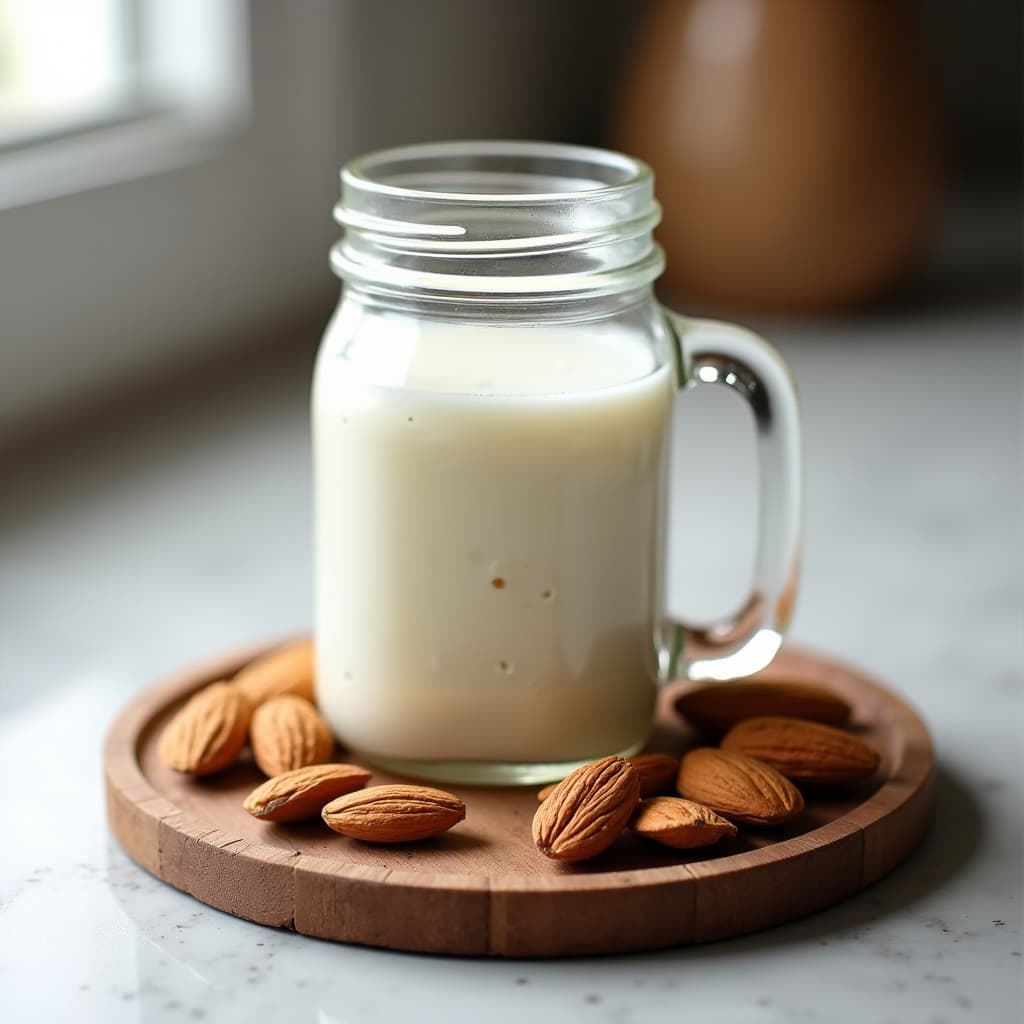
Almond milk is mildly anti-inflammatory in its unsweetened, additive-free form. The almonds it's derived from contain vitamin E, polyphenols, and healthy monounsaturated fats, all of which have documented anti-inflammatory effects. But the story doesn't end there: most commercial almond milks are highly diluted, and some varieties contain ingredients that partially cancel out those benefits.
Here's how to navigate it.
What Makes Almonds Anti-Inflammatory in the First Place
Before evaluating almond milk, it helps to understand what makes whole almonds anti-inflammatory. Almonds are rich in:
Vitamin E (alpha-tocopherol): A fat-soluble antioxidant that neutralizes reactive oxygen species before they can activate NF-kB, the master switch for inflammatory gene expression. Research published in the Journal of Nutrition found that regular almond consumption significantly reduced C-reactive protein (CRP) levels in adults with elevated cardiovascular risk.
Polyphenols: Concentrated primarily in the brown skin of almonds, these compounds inhibit inflammatory enzymes including COX-2 (the same enzyme targeted by ibuprofen). Almond skins contain flavonoids like isorhamnetin and kaempferol with measurable anti-inflammatory activity.
Monounsaturated fatty acids (MUFAs): Particularly oleic acid, the same fat that gives olive oil its anti-inflammatory reputation. MUFAs support healthy cell membrane composition and reduce production of pro-inflammatory eicosanoids.
Magnesium: Around 19-25% of daily magnesium needs per ounce of almonds. Magnesium deficiency is strongly associated with elevated inflammatory markers, and supplementation has been shown to reduce CRP in deficient individuals.
The Problem with Commercial Almond Milk
Here's the catch: a typical glass of commercial almond milk contains only 2-5% actual almonds by volume. The rest is water, plus a mix of stabilizers, thickeners, and sometimes sweeteners. That dilution dramatically reduces the concentration of every beneficial compound above.
What you're left with is a product that's low in protein, low in healthy fats, and only modestly nutritious in terms of the vitamins and polyphenols that give almonds their anti-inflammatory edge. Manufacturers often fortify with vitamin E, calcium, and vitamin D to compensate, but these synthetic forms don't always behave identically to their food-matrix counterparts.
A breakdown of typical commercial almond milk per cup:
| Nutrient | Unsweetened almond milk | Whole almonds (1 oz) | |---|---|---| | Protein | 1g | 6g | | Fat | 2-3g | 14g | | Vitamin E | 25-50% DV (fortified) | 37% DV | | Magnesium | ~2-5% DV | 19% DV | | Fiber | 0-1g | 3.5g |
The fortified vitamin E in almond milk is real, but the polyphenols, magnesium, and fiber that make whole almonds effective are largely absent.
How Almond Milk Compares to Other Milks for Inflammation
Choosing a milk alternative often comes down to your specific inflammation drivers. Here's a quick comparison:
Almond milk vs. cow's milk: Regular cow's milk is modestly pro-inflammatory for people with dairy sensitivity or casein intolerance, but anti-inflammatory or neutral for those who tolerate it. Unsweetened almond milk is a reasonable alternative, with slightly less inflammatory potential for dairy-sensitive individuals, but also less nutritional density.
Almond milk vs. oat milk: Oat milk has more carbohydrates and a higher glycemic index than almond milk. For blood sugar-related inflammation (particularly important in metabolic syndrome and type 2 diabetes), unsweetened almond milk has an advantage. See our take on is oat milk anti-inflammatory for more.
Almond milk vs. soy milk: Soy milk is higher in protein and contains isoflavones, which have documented anti-inflammatory effects in some populations. If you're not sensitive to soy, soy milk may offer more substantial anti-inflammatory benefits than almond milk.
Almond milk vs. coconut milk: Full-fat coconut milk is high in medium-chain triglycerides (MCTs) and saturated fat. The MCT component may have mild anti-inflammatory effects, but the saturated fat is a potential concern at high intake. Unsweetened almond milk is generally the more favorable choice for those prioritizing inflammation reduction.
The Sweetened Almond Milk Problem
This is where many people go wrong. Sweetened and flavored almond milks can contain 10-20g of added sugar per cup, turning an anti-inflammatory beverage into a sugar delivery vehicle.
High added sugar intake is one of the most well-established dietary drivers of chronic inflammation. A single cup of sweetened vanilla almond milk can contain the equivalent of 2-3 teaspoons of sugar. The relationship between sugar and inflammation is straightforward: excess fructose and glucose drive glycation, oxidative stress, and activation of pro-inflammatory cytokines. Read sugar and inflammation for the complete picture.
The fix: always buy unsweetened. Check the label even on "original" varieties, as these sometimes contain added sugars.
Carrageenan: The Additive Worth Watching
Some almond milks use carrageenan as a thickener. This seaweed-derived additive has been controversial in nutrition research. Degraded carrageenan (poligeenan) is an established inflammatory agent used to induce inflammation in animal studies. Food-grade carrageenan is a different molecule, but some research suggests it can cause intestinal inflammation at the doses found in food products.
The evidence isn't conclusive in humans, but if you're actively managing gut inflammation, it's worth choosing an almond milk brand that doesn't use carrageenan. Many brands have reformulated without it. Check the ingredient list.
Inflammation Score Breakdown
Using the Inflamous app inflammation scoring system, unsweetened almond milk maps out like this:
| Component | Effect on Inflammation | |---|---| | Vitamin E (fortified) | Anti-inflammatory | | Unsaturated fat (trace) | Mildly anti-inflammatory | | Low protein | Neutral | | Very low sugar | Anti-inflammatory | | Carrageenan (if present) | Potentially pro-inflammatory | | Added sugars (if sweetened) | Pro-inflammatory |
Net score for unsweetened, carrageenan-free almond milk: Mildly anti-inflammatory. The score improves significantly if you choose clean-label brands.
How to Choose the Best Anti-Inflammatory Almond Milk
When shopping for almond milk with inflammation in mind, here's what to look for:
- "Unsweetened" on the label — non-negotiable for an anti-inflammatory choice
- Short ingredient list — almonds, water, and maybe a stabilizer like sunflower lecithin
- No carrageenan — check the ingredient list specifically
- Fortified with vitamin E, calcium, and D — adds back some of the nutritional value lost in processing
- Higher almond percentage — brands like Elmhurst (no added gums or fillers) actually use more almonds per batch
Better yet: make your own. Blend 1 cup raw almonds with 4 cups water, strain through a nut milk bag, and refrigerate for up to 5 days. Homemade almond milk retains significantly more of the original polyphenols and healthy fats.
How to Use Almond Milk for an Anti-Inflammatory Diet
Almond milk slots naturally into several anti-inflammatory patterns:
Smoothies: Use unsweetened almond milk as your smoothie base and pair it with anti-inflammatory smoothie recipes using turmeric, ginger, spinach, and berries. The combined anti-inflammatory load is far higher than any single ingredient alone.
Hot drinks: Almond milk makes an excellent base for golden milk, a traditional anti-inflammatory beverage combining turmeric, black pepper, cinnamon, and ginger. The fat in almond milk helps absorb the curcumin in turmeric.
Overnight oats: Using unsweetened almond milk with oats, chia seeds, and berries creates an anti-inflammatory breakfast with fiber, omega-3s, and antioxidants. Check anti-inflammatory breakfast ideas for specific combinations.
Coffee: If you use almond milk in coffee, the unsweetened version doesn't meaningfully impact the anti-inflammatory potential of black coffee. Read is coffee inflammatory for how coffee affects inflammatory markers.
FAQ
Is almond milk better than dairy milk for inflammation? For people with dairy sensitivity or casein intolerance, yes. For people who tolerate dairy well, it's roughly equivalent. Cow's milk has more protein and nutrients, but unsweetened almond milk has a lower inflammatory load for sensitive individuals.
Can almond milk cause inflammation? Sweetened almond milk can contribute to inflammation due to added sugars. Varieties containing carrageenan may affect gut inflammation in sensitive individuals. Unsweetened, carrageenan-free almond milk is unlikely to cause inflammation in most people.
Is almond milk good for arthritis? Unsweetened almond milk may offer mild benefits due to its vitamin E content. It's a reasonable dairy substitute for arthritis patients who want to limit saturated fat. Combine it with other genuinely anti-inflammatory foods for meaningful impact. See anti-inflammatory foods for joints for the full list.
Does almond milk reduce inflammation? Commercial almond milk is too diluted to produce strong anti-inflammatory effects on its own. It's best viewed as a neutral-to-mildly-beneficial base that avoids pro-inflammatory ingredients found in other milk alternatives (like sweeteners), rather than a potent anti-inflammatory food in itself.
What is the healthiest milk for inflammation? For pure anti-inflammatory impact, unsweetened soy milk (if tolerated) edges almond milk due to higher isoflavone content. For those avoiding soy, clean unsweetened almond milk is a solid choice. Fatty fish-rich diets with any unsweetened milk alternative outperform the choice of milk alternative alone.
Bottom Line
Unsweetened, clean-label almond milk is a mildly anti-inflammatory choice. It's not a nutritional powerhouse on its own, but it avoids the pitfalls of sweetened beverages, and its vitamin E content adds some genuine benefit. The key decisions are choosing unsweetened, checking for carrageenan, and pairing it with genuinely anti-inflammatory whole foods.
To see how almond milk fits into your overall daily inflammation score alongside everything else you eat, the Inflamous app tracks and calculates your cumulative inflammation load in real time.