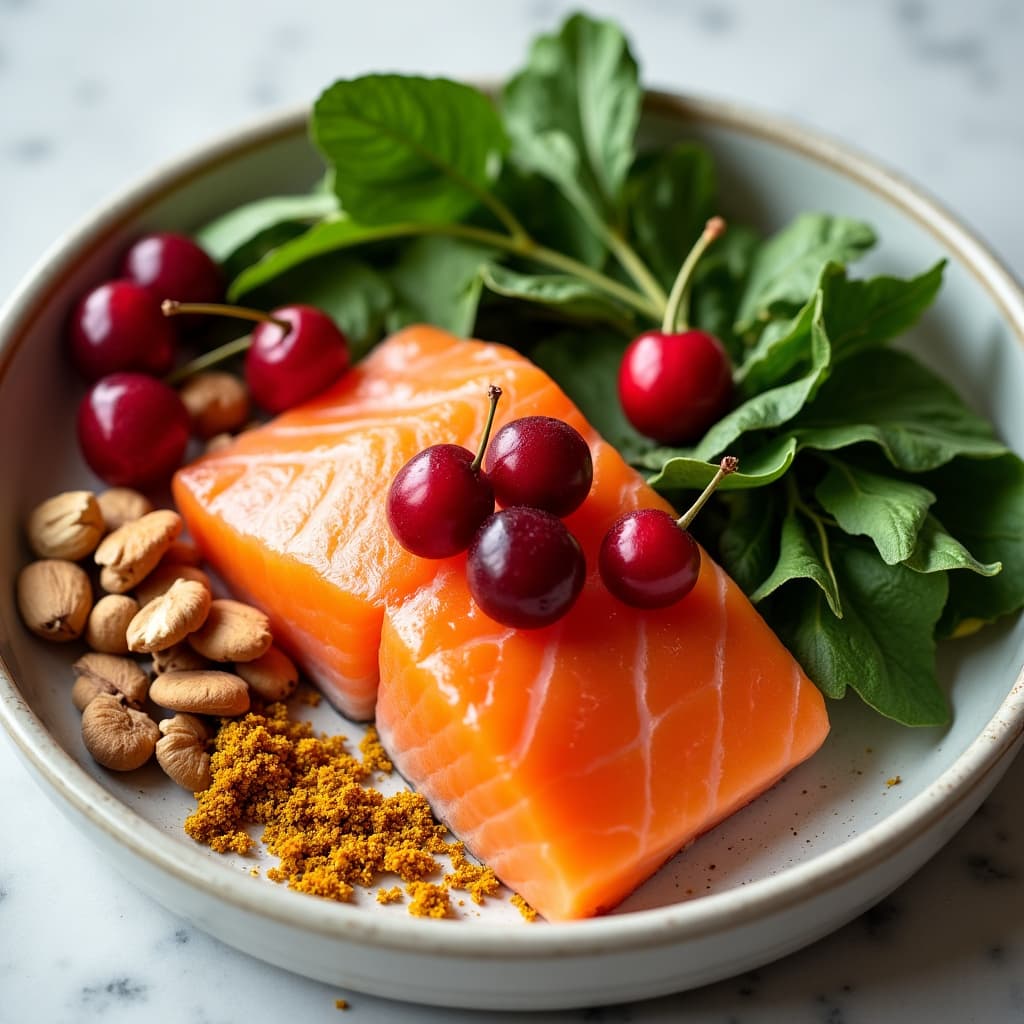
Back pain is one of the most common reasons people miss work and seek medical care worldwide. While physical therapy, exercise, and ergonomics get most of the attention, what you eat plays a real role in how much pain and inflammation you experience in your spine and surrounding tissues.
Chronic back pain is not always just a mechanical problem. Inflammatory processes contribute significantly, especially in conditions like disc degeneration, sciatica, ankylosing spondylitis, and facet joint arthritis. Shifting your diet toward anti-inflammatory foods can lower systemic inflammation, reduce pain sensitivity, and support the tissues that keep your spine functional.
The Inflammation-Back Pain Connection
The link between diet and back pain runs through several pathways. First, visceral fat (the fat stored around your abdominal organs) is metabolically active and releases pro-inflammatory cytokines that increase systemic inflammation throughout the body, including in spinal tissues. Diet is the primary driver of visceral fat accumulation.
Second, the intervertebral discs have limited blood supply and rely heavily on nutrient diffusion. Diets high in refined sugars and processed foods impair microvascular function and reduce the quality of nutrient delivery to disc tissue, accelerating degeneration.
Third, many people with chronic back pain have elevated levels of inflammatory markers like CRP, IL-6, and TNF-alpha. A diet that lowers these markers can meaningfully reduce pain perception.
A 2021 systematic review in Pain Medicine found that dietary patterns high in fruits, vegetables, and omega-3 fatty acids were consistently associated with lower rates of chronic back pain and better functional outcomes in patients undergoing physical therapy.
Top Anti-Inflammatory Foods for Back Pain
Fatty Fish (Omega-3s Are the Backbone)
Omega-3 fatty acids are the most well-studied dietary intervention for inflammation-related pain. EPA and DHA compete with omega-6 arachidonic acid for the same enzymes, reducing production of pro-inflammatory prostaglandins and leukotrienes.
Several clinical trials have compared fish oil supplementation to NSAIDs for back and neck pain. A study published in Surgical Neurology found that 59% of patients with nonsurgical neck or back pain who took omega-3 fish oil reported significantly reduced pain scores, with 80% saying they were satisfied enough to continue omega-3s instead of NSAIDs.
Wild salmon, sardines, mackerel, and trout are your best food sources. Aim for two to three servings per week. If you cannot eat fish regularly, consider a high-quality fish oil supplement.
Tart Cherries
Tart cherries have one of the highest anthocyanin concentrations of any food. Anthocyanins inhibit COX-1 and COX-2 enzymes, which is the same mechanism used by ibuprofen and naproxen. A study in the Journal of International Society of Sports Nutrition showed that tart cherry juice significantly reduced muscle pain and inflammation following exercise, with effects comparable to NSAIDs but without the gastrointestinal side effects.
For back pain related to muscle strain or exercise-induced inflammation, tart cherry juice or concentrate is particularly relevant. The dose used in most studies is about 8 ounces of tart cherry juice twice daily.
Turmeric and Curcumin
Curcumin, turmeric's active compound, has been tested in several clinical trials for musculoskeletal pain. A randomized controlled trial published in Phytotherapy Research found that curcumin was as effective as diclofenac (a prescription NSAID) for knee osteoarthritis pain, with significantly fewer gastrointestinal side effects.
For back pain, the anti-inflammatory mechanism (NF-kB inhibition and reduced TNF-alpha production) is the same. The challenge is bioavailability. Curcumin is poorly absorbed on its own. Pairing turmeric with black pepper (which contains piperine) increases absorption by up to 2,000%. Fat also helps. Add turmeric generously to curries, soups, and stir-fries with a fat source like olive oil or coconut milk.
Olive Oil
The oleocanthal in olive oil inhibits the same COX enzymes targeted by ibuprofen. Research suggests that about 50 ml of extra virgin olive oil provides anti-inflammatory effects equivalent to roughly 10% of an adult ibuprofen dose. That is a modest amount individually, but the compounding effect of daily consumption over weeks and months is meaningful.
Olive oil is also central to the Mediterranean diet, which has been directly associated with lower rates of chronic pain conditions including back pain in epidemiological research.
Leafy Greens and Colorful Vegetables
Magnesium is often overlooked in back pain management. It plays a critical role in muscle function and nerve signaling. Magnesium deficiency causes muscle cramping, spasms, and heightened pain sensitivity through NMDA receptor sensitization, which is a known contributor to chronic pain states.
Dark leafy greens like spinach, Swiss chard, and kale are among the richest dietary sources of magnesium. A 2015 study in PLoS ONE found that low magnesium intake was independently associated with higher rates of back pain in a cross-sectional analysis of over 3,000 adults.
Broccoli, bell peppers, and sweet potatoes add vitamin C, which is essential for collagen synthesis. The intervertebral discs, facet joint cartilage, and spinal ligaments are all collagen-rich structures. Adequate vitamin C intake supports their structural integrity.
Ginger
Fresh ginger root contains compounds called gingerols and shogaols that inhibit 5-lipoxygenase and cyclooxygenase, reducing leukotriene and prostaglandin synthesis. A systematic review and meta-analysis in Osteoarthritis and Cartilage found ginger supplementation significantly reduced pain and disability in patients with osteoarthritis.
The analgesic effect appears within about 4 to 6 weeks of consistent use. Fresh ginger in cooking, ginger tea, and ginger shots all count.
Inflammation Score Breakdown for Back Pain Relief
| Food | DII Direction | Why It Helps Your Back | |------|---------------|----------------------| | Wild Salmon | Strongly anti-inflammatory | EPA/DHA block pain-producing prostaglandins | | Tart Cherries | Anti-inflammatory | COX-2 inhibition without NSAID side effects | | Olive Oil | Anti-inflammatory | Oleocanthal reduces COX enzyme activity | | Ginger Root | Anti-inflammatory | Inhibits 5-LOX and COX pathways | | Blueberries | Anti-inflammatory | Antioxidants reduce oxidative stress in disc tissue | | Spinach Salad | Anti-inflammatory | Magnesium supports nerve and muscle function |
Foods That Make Back Pain Worse
Several dietary patterns are consistently associated with more back pain and slower recovery.
Ultra-processed foods and refined carbohydrates drive rapid blood glucose spikes that trigger inflammatory cascades. Research links diets high in processed foods to elevated CRP and IL-6, both of which amplify pain sensitivity. See our analysis of how ultra-processed foods drive chronic inflammation.
Excess sugar, particularly fructose, promotes visceral fat accumulation and drives glycation processes that stiffen connective tissue throughout the body, including spinal ligaments and discs.
Red meat and processed meats in large quantities can tilt the omega-6 to omega-3 balance toward the pro-inflammatory side, particularly if the animal was grain-fed. Red meat in moderation is nuanced, but heavy processed meat consumption is clearly associated with higher inflammatory markers.
Alcohol in excess impairs sleep quality, which in turn worsens pain perception. Even moderate alcohol disrupts slow-wave sleep, the phase most important for tissue repair and anti-inflammatory cytokine regulation. For more on this link, see our guide on inflammation and sleep.
Practical Meal Ideas
Breakfast: Smoothie with frozen tart cherries, spinach, banana, and chia seeds. Tart cherries and spinach in the morning sets an anti-inflammatory tone for the day.
Lunch: Canned sardine salad on a bed of arugula with avocado, cherry tomatoes, and olive oil lemon dressing. Budget-friendly and extremely effective.
Dinner: Salmon fillet with roasted sweet potato and steamed broccoli, drizzled with olive oil and turmeric-black pepper seasoning. This combination hits omega-3s, magnesium, vitamin C, and curcumin in a single meal.
Snacks: Walnuts (high in ALA omega-3s), tart cherry juice, or an apple with almond butter.
For a complete week of meals designed around these principles, see our 7-day anti-inflammatory meal plan.
The Weight Factor
It is worth being direct about one thing: excess body weight places mechanical stress on lumbar vertebrae and discs that no diet can fully compensate for. An anti-inflammatory diet that also supports healthy weight management addresses both the mechanical and inflammatory components of back pain simultaneously.
A review in Obesity Reviews found that weight loss through dietary intervention reduced back pain scores significantly, independent of exercise. The anti-inflammatory effects of weight loss compound over time as visceral fat decreases and systemic inflammatory markers fall.
For more on the inflammation-weight connection, see our guide to inflammation and weight gain.
FAQ
How long does it take for an anti-inflammatory diet to reduce back pain?
Most people who shift to a consistent anti-inflammatory eating pattern start noticing changes in inflammation-related symptoms within 4 to 8 weeks. Some studies on fish oil for back pain show measurable pain reduction within 4 weeks. Diet is most effective as a sustained practice rather than a short-term intervention.
Is turmeric actually effective for back pain?
There is solid clinical evidence for curcumin reducing pain scores in musculoskeletal conditions. The key is bioavailability. Curcumin alone is poorly absorbed. Combining it with black pepper (piperine) or taking it with fat dramatically increases absorption. Turmeric in cooking counts, but the doses used in clinical trials typically require supplementation.
Can anti-inflammatory foods replace NSAIDs for back pain?
For acute, severe pain, anti-inflammatory foods cannot match the immediate relief of NSAIDs. For chronic, low-grade inflammatory back pain, dietary approaches can reduce dependence on NSAIDs over time and avoid their gastrointestinal side effects. Always consult your physician before making changes to any medication regimen.
Does gluten cause back pain?
For people with celiac disease or non-celiac gluten sensitivity, gluten consumption triggers an immune response that increases systemic inflammation, which can worsen back pain. For people without gluten sensitivity, there is no strong evidence that gluten specifically causes back pain. If you suspect a connection, an elimination trial is a reasonable experiment.
What is the best anti-inflammatory diet pattern for chronic back pain?
The Mediterranean diet has the most robust evidence base for chronic pain management overall. It emphasizes olive oil, fatty fish, colorful vegetables, legumes, and whole grains, all of which reduce key inflammatory markers. The Dietary Inflammatory Index rates this pattern among the most anti-inflammatory eating styles. Learn more about the DII and how to track your diet's inflammatory load at inflamous.com/science.
Bottom Line
Diet will not fix a herniated disc or repair structural spinal damage, but it absolutely influences the inflammatory environment that determines how much pain and disability you experience. The research is consistent: anti-inflammatory dietary patterns reduce pain scores, improve function, and lower dependence on pain medications in people with chronic back conditions.
Start with the big levers: add fatty fish twice a week, swap olive oil for other cooking fats, increase leafy greens, and cut processed foods. Build from there.
Track your daily DII score with the Inflamous app to see exactly how your food choices affect your inflammation levels and make evidence-based adjustments.