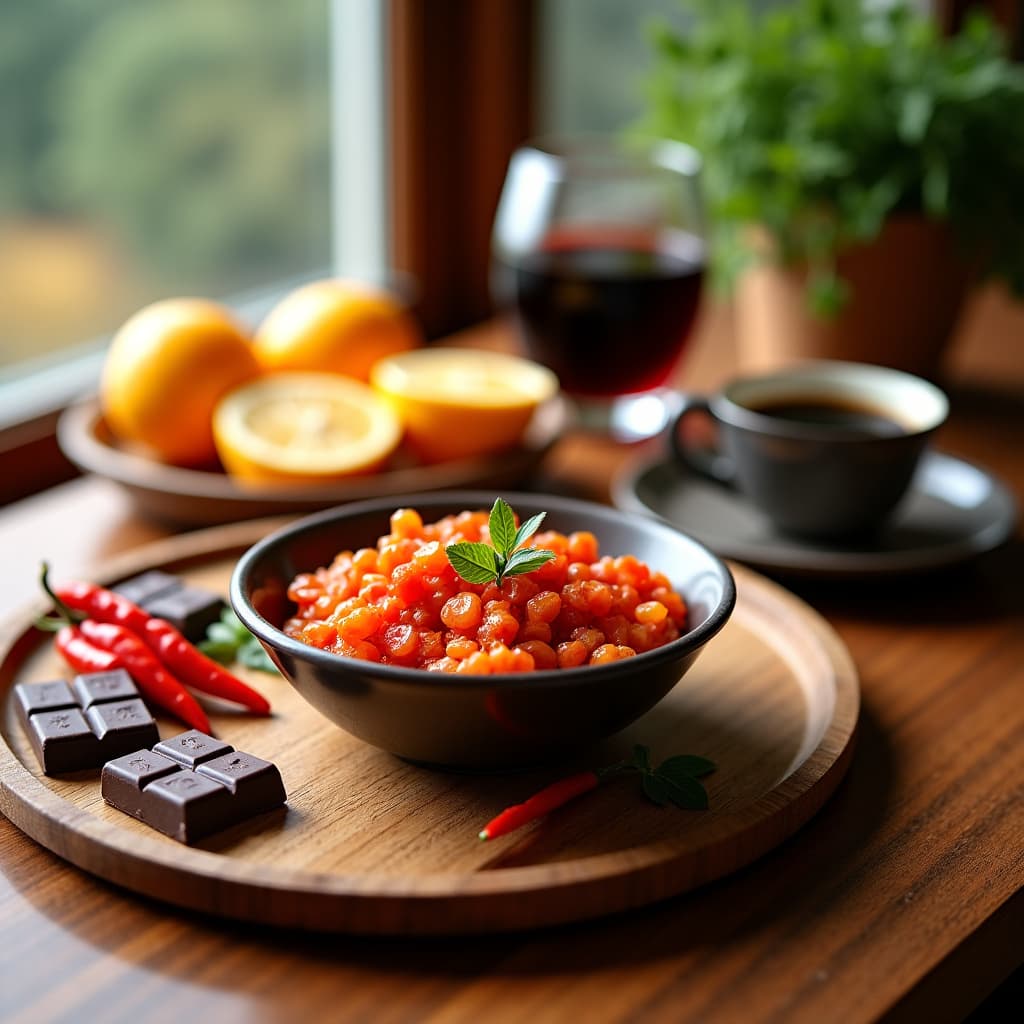
Heartburn is that burning sensation behind your breastbone that happens when stomach acid flows backward into the esophagus. It affects roughly 20 percent of American adults at least weekly, and for most of them, specific foods are the primary trigger.
The lower esophageal sphincter (LES) is a muscular ring between the esophagus and stomach. When it relaxes at the wrong time or weakens over time, acid escapes upward. Certain foods either relax the LES directly, increase stomach acid production, or irritate an already inflamed esophageal lining.
How Food Triggers Heartburn
Three mechanisms drive food-related heartburn:
LES relaxation. Fatty foods, chocolate, caffeine, alcohol, and peppermint contain compounds that signal the LES to relax, allowing acid to reflux. This is the most common mechanism.
Increased acid production. Spicy foods, citrus, tomatoes, and coffee stimulate gastric acid secretion. More acid means more potential for reflux when the LES opens.
Direct irritation. Acidic foods (pH below 4) can irritate the esophageal mucosa directly, especially if chronic reflux has already damaged the lining. This does not cause reflux itself but amplifies the burning sensation.
Chronic heartburn (GERD) also involves an inflammatory component. A 2022 study in the American Journal of Gastroenterology found that patients eating pro-inflammatory diets (high Dietary Inflammatory Index scores) had more severe GERD symptoms and more esophageal damage on endoscopy than those eating anti-inflammatory diets. This suggests that systemic inflammation weakens esophageal defenses beyond what acid exposure alone would explain.
The Top Foods That Cause Heartburn
Fried and High-Fat Foods
Fat slows gastric emptying, meaning food sits in your stomach longer and produces more acid. Fat also directly relaxes the LES. French fries, fried chicken, creamy sauces, and fatty cuts of meat are among the most consistent heartburn triggers.
A 2021 prospective study in Neurogastroenterology and Motility tracked GERD patients for 8 weeks and found that meals exceeding 30 percent of calories from fat triggered reflux episodes 78 percent more often than lower-fat meals.
Smarter swap: Bake, grill, or steam instead of frying. Choose lean proteins. Use olive oil in moderation rather than butter or seed oils for cooking.
Tomatoes and Tomato Products
Tomatoes are highly acidic (pH 3.5 to 4.5) and contain citric and malic acids that stimulate gastric acid production. Concentrated tomato products like pasta sauce, pizza sauce, ketchup, and salsa are worse than raw tomatoes because the acids are more concentrated.
Smarter swap: Pesto or olive oil-based sauces for pasta. Roasted red pepper sauce is a flavorful alternative with lower acidity.
Citrus Fruits and Juices
Oranges, grapefruits, lemons, and limes have a pH between 2 and 3. Orange juice is one of the most commonly reported heartburn triggers. The acidity directly irritates the esophageal lining and stimulates additional acid secretion.
Smarter swap: Bananas (pH 5 to 5.3) are mildly alkaline and soothing. Melons, apples (non-green varieties), and pears are lower-acid alternatives. Berries are mildly acidic but rarely trigger heartburn because they contain less citric acid.
Chocolate
Chocolate relaxes the LES through three compounds: theobromine, caffeine, and fat. Milk chocolate is worse than dark because of added sugar and dairy. A 2019 systematic review in Alimentary Pharmacology and Therapeutics listed chocolate as one of the top five dietary GERD triggers based on patient-reported data.
Smarter swap: Small portions of dark chocolate (70 percent cocoa, one to two squares) are less likely to trigger symptoms than a full candy bar. Carob is a chocolate-free alternative that does not contain theobromine.
Coffee
Caffeine stimulates gastric acid secretion and relaxes the LES. Coffee also contains chlorogenic acids that further increase stomach acidity. Both regular and decaf coffee contain these acids, though regular coffee is a stronger trigger due to its caffeine content.
A 2022 dose-response study in Clinical Gastroenterology and Hepatology found that more than 2 cups of coffee daily significantly increased reflux episodes, while 1 cup daily was not associated with increased risk.
Smarter swap: Cold brew coffee has roughly 70 percent less acid than hot-brewed. Low-acid coffee brands exist. Green tea has less caffeine and lower acidity. Ginger tea is alkaline and actively soothes the digestive tract.
Spicy Foods
Capsaicin (the compound that makes peppers hot) slows gastric emptying, increases acid sensitivity of the esophageal lining, and can directly irritate damaged mucosa. Hot sauce, chili peppers, curry powder, and black pepper are common triggers.
However, the relationship is complicated. Regular spicy food consumers develop tolerance over time. A 2023 study in Digestive Diseases and Sciences found that people who ate spicy food more than 3 times per week had no increased GERD risk, while occasional spicy food consumers did. This suggests the issue is exposure to unfamiliar irritants rather than capsaicin itself being harmful.
Smarter swap: Build spice tolerance gradually. Use anti-inflammatory spices like turmeric, ginger, and cumin, which add flavor without capsaicin heat.
Alcohol
Alcohol and inflammation affect heartburn through multiple pathways. Alcohol relaxes the LES, increases acid secretion, and directly damages the esophageal and gastric mucosa. Wine (especially white wine) and beer are worse than spirits in most studies, possibly due to higher acidity and carbonation.
Smarter swap: If you drink, smaller quantities with food are better than drinking on an empty stomach. Avoid lying down for at least 3 hours after alcohol consumption.
Peppermint
Despite being recommended for general digestive comfort, peppermint relaxes the LES and can worsen acid reflux. Peppermint tea, peppermint candy, and peppermint oil supplements can all trigger heartburn.
Smarter swap: Ginger tea or chamomile tea. Both soothe digestion without relaxing the LES.
Carbonated Beverages
Carbon dioxide gas distends the stomach, increases pressure on the LES, and causes it to open. Soda combines carbonation with sugar (or artificial sweeteners), caffeine, and acidity, making it a multi-trigger heartburn bomb.
Smarter swap: Still water with lemon or cucumber. Herbal teas. If you miss carbonation, try it only with meals and in small amounts.
Late-Night Eating
This is less about specific foods and more about timing. Eating within 2 to 3 hours of lying down significantly increases reflux because gravity is no longer helping keep acid in the stomach. Large evening meals are the most common trigger for nighttime heartburn.
Smarter swap: Finish eating at least 3 hours before bed. If you need a late snack, keep it small, low-fat, and low-acid. Elevating the head of your bed 6 to 8 inches also helps.
Anti-Reflux Foods
Several foods actively reduce heartburn:
- Oatmeal: Absorbs stomach acid and is soothing to the esophagus
- Ginger: Reduces gastric motility issues and has anti-inflammatory properties
- Bananas: Mildly alkaline, coating, and soothing
- Melons: Low-acid, high water content
- Rice: Bland, easily digested, does not trigger acid
- Green vegetables: Spinach, zucchini, celery, and lettuce are alkaline and anti-inflammatory
- Salmon and lean fish: High in omega-3s, low in fat compared to red meat
- Aloe vera juice: Reduces esophageal inflammation (use food-grade, inner leaf only)
The Inflammation Connection
Chronic heartburn is not just an acid problem. It is an inflammatory disease. Prolonged acid exposure triggers an inflammatory cascade in the esophageal tissue, leading to erosive esophagitis, Barrett's esophagus, and increased cancer risk in severe cases.
Anti-inflammatory eating reduces the baseline inflammatory load on the esophagus, making it more resilient to occasional acid exposure. A 2023 study in Gut found that patients who adopted a Mediterranean-style anti-inflammatory diet had symptom improvement comparable to PPI medication (proton pump inhibitors), with the added benefit of reducing systemic inflammation.
Track your dietary inflammation with the Inflamous app to see how your overall eating pattern affects your heartburn frequency.
FAQ
Can heartburn be cured with diet alone?
Mild to moderate heartburn often responds well to dietary changes alone. A 2021 study in JAMA Internal Medicine found that five lifestyle modifications (weight management, not eating close to bedtime, moderate exercise, anti-inflammatory diet, and limited coffee) reduced GERD symptoms by 37 percent. Severe or chronic GERD may require medication alongside dietary changes.
How quickly do food triggers cause heartburn?
Most food-triggered heartburn occurs within 30 to 60 minutes of eating. Fatty meals may cause delayed heartburn (1 to 2 hours) because they slow gastric emptying. Nighttime heartburn from late eating typically occurs 1 to 3 hours after lying down.
Is apple cider vinegar good for heartburn?
Despite popular claims, there is no clinical evidence that apple cider vinegar helps heartburn, and it may worsen it. ACV has a pH of approximately 3, which can irritate an already inflamed esophagus. If your heartburn is caused by low stomach acid (uncommon), ACV could theoretically help, but this should be diagnosed by a gastroenterologist, not self-treated.
Does water help heartburn?
Plain water can temporarily dilute stomach acid and clear acid from the esophagus. Sipping water between meals is helpful. Drinking large amounts during meals can distend the stomach and potentially worsen reflux.
Are PPIs safe for long-term use?
PPIs are effective but carry risks with long-term use, including nutrient malabsorption (magnesium, calcium, B12), increased infection risk, and potential kidney effects. Dietary management can reduce or eliminate PPI dependence for many patients. Discuss any medication changes with your doctor.
The Bottom Line
Heartburn is largely a dietary condition. Fried foods, tomatoes, citrus, chocolate, coffee, spicy foods, alcohol, and late-night eating are the most consistent triggers. You do not need to avoid all of them. Identify your personal triggers through systematic elimination, make targeted swaps, and focus on an overall anti-inflammatory eating pattern that reduces esophageal inflammation.
For most people, a few specific dietary changes plus eating earlier in the evening will reduce heartburn significantly, often enough to reduce or eliminate medication.
Download the Inflamous app to start tracking how your diet affects your reflux symptoms.