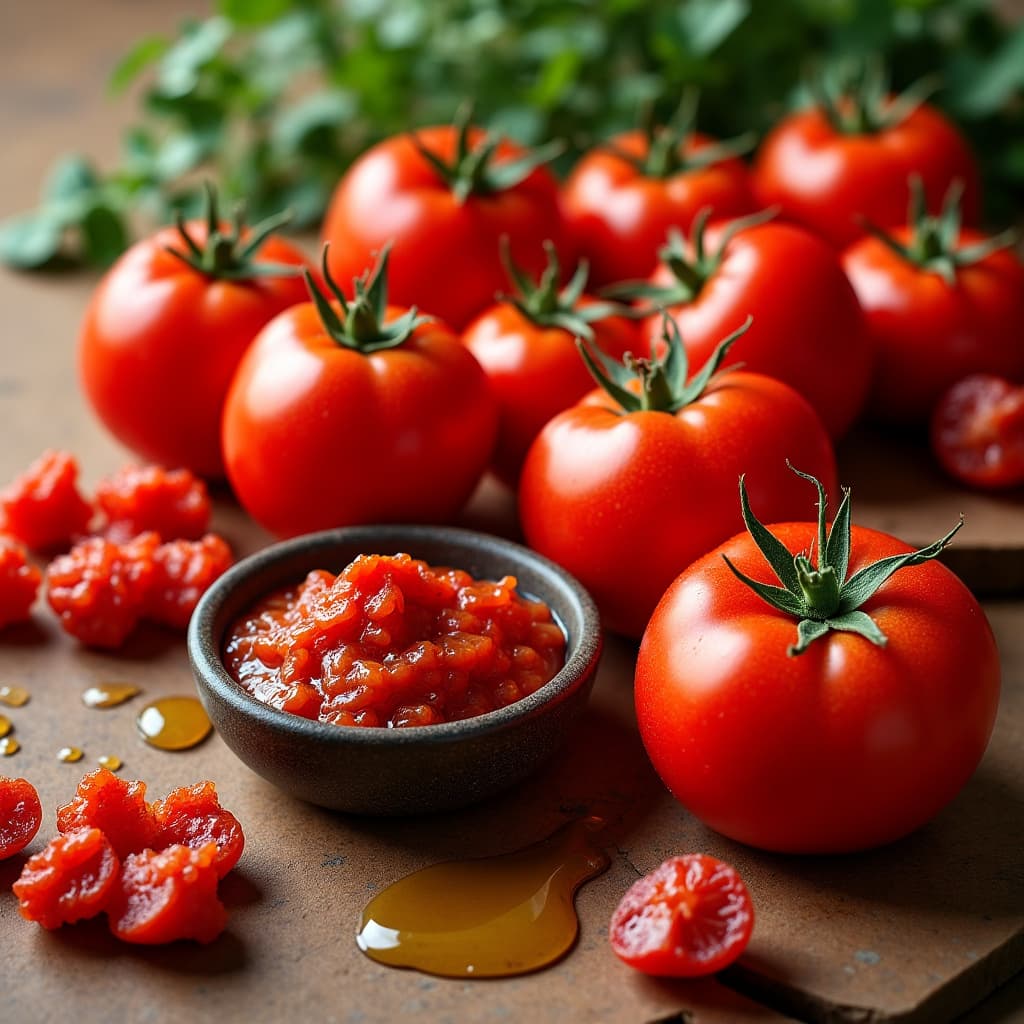
Yes, tomatoes are anti-inflammatory for the vast majority of people. Their primary anti-inflammatory compound, lycopene, is one of the most potent dietary carotenoids studied in inflammation research. Tomatoes also provide vitamin C, potassium, and additional carotenoids (beta-carotene, lutein) that contribute to their anti-inflammatory profile.
The confusion around tomatoes and inflammation comes from two sources: the nightshade myth (the unsubstantiated claim that all nightshade vegetables cause inflammation) and the fact that tomatoes can irritate the esophagus in people with GERD due to their acidity. Neither of these makes tomatoes inflammatory in the systemic, Dietary Inflammatory Index sense.
Lycopene: The Key Anti-Inflammatory Compound
Lycopene is a red carotenoid pigment responsible for the red color of tomatoes, watermelon, and pink grapefruit. It is one of the most concentrated dietary antioxidants, and its anti-inflammatory mechanisms are well-documented:
NF-kB inhibition. A 2022 systematic review in Antioxidants found that lycopene directly inhibits NF-kB activation in multiple cell types, including macrophages, endothelial cells, and adipocytes. This reduces the expression of inflammatory genes and the production of TNF-alpha, IL-6, and IL-1beta.
COX-2 suppression. Lycopene reduces COX-2 enzyme expression, the same target that NSAIDs like ibuprofen block. A 2023 study in Molecular Nutrition & Food Research found that lycopene supplementation reduced COX-2 expression by 30 percent in human colon cells.
CRP reduction. Multiple clinical trials have shown that lycopene intake (from tomato products or supplements) reduces circulating C-reactive protein. A 2021 meta-analysis of 14 randomized trials in Critical Reviews in Food Science and Nutrition found that lycopene supplementation significantly reduced CRP, with the strongest effects at doses of 15+ mg daily.
Vascular protection. Lycopene reduces oxidized LDL cholesterol, which is a direct trigger of arterial inflammation. A 2022 trial in Atherosclerosis found that daily tomato paste consumption (providing 30 mg lycopene) improved endothelial function and reduced arterial inflammation markers over 8 weeks.
Lycopene Bioavailability: Cooked Is Better
Raw tomatoes contain lycopene bound within cell walls. Cooking breaks these walls, releasing lycopene and dramatically increasing absorption:
- Cooked tomatoes provide 2 to 3 times more bioavailable lycopene than raw
- Tomato paste is the most concentrated common source (31 mg per 2 tablespoons)
- Tomato sauce cooked with olive oil maximizes absorption (lycopene is fat-soluble)
- Canned tomatoes retain full lycopene content
This means that pasta sauce, tomato soup, salsa, and tomato paste are actually more anti-inflammatory than fresh tomato slices, calorie for calorie.
Additional Anti-Inflammatory Compounds in Tomatoes
Naringenin
Naringenin is a flavonoid found in tomato skin that inhibits inflammatory enzyme activity and reduces histamine release. It contributes to tomato's anti-allergic properties and supports the anti-inflammatory effects of lycopene.
Beta-Carotene
Tomatoes provide beta-carotene (converted to vitamin A in the body), which modulates immune cell function and reduces inflammatory cytokine production. The combination of lycopene and beta-carotene provides broader antioxidant coverage than either alone.
Vitamin C
One medium tomato provides about 28 percent of the daily vitamin C requirement. Vitamin C supports immune function, regenerates other antioxidants (including vitamin E), and directly reduces oxidative stress.
Chlorogenic Acid
Green and under-ripe tomatoes contain chlorogenic acid, a polyphenol also found in coffee and green tea. Chlorogenic acid has documented NF-kB inhibiting properties and may contribute to the anti-inflammatory effect of tomato products that use partially green tomatoes.
The Nightshade Question
Tomatoes belong to the Solanaceae (nightshade) family along with peppers, eggplant, and potatoes. A persistent claim in alternative health circles suggests that nightshade vegetables cause inflammation due to their alkaloid content (solanine, tomatine).
Here is what the research actually shows:
Population studies find nightshades are anti-inflammatory. The Mediterranean diet, which includes abundant tomatoes, peppers, and eggplant, is one of the most anti-inflammatory dietary patterns studied. Large cohort studies consistently associate tomato consumption with lower CRP, reduced cardiovascular events, and lower cancer risk.
Alkaloid concentrations in ripe tomatoes are negligible. Tomatine is concentrated in green, unripe tomatoes and tomato leaves. Ripe red tomatoes contain minimal tomatine. The amounts present in normally consumed ripe tomatoes are far below levels that would cause biological effects in humans.
Individual sensitivity exists but is uncommon. Some people with autoimmune conditions report worsening symptoms with nightshade consumption. This may be a real phenomenon for a small subset of individuals, possibly related to lectin sensitivity or gut permeability issues. If you suspect nightshade sensitivity, an elimination diet can help identify whether tomatoes specifically are a trigger for you.
The bottom line: For the general population, tomatoes are definitively anti-inflammatory. Avoiding them based on the nightshade myth means missing out on one of the most potent dietary sources of lycopene.
Tomatoes and Specific Conditions
Cardiovascular Inflammation
Tomatoes have the strongest evidence for cardiovascular anti-inflammatory effects. The PREDIMED trial (a landmark Mediterranean diet study) found that participants consuming the most tomato sauce had significantly lower cardiovascular event risk. Lycopene's ability to reduce oxidized LDL and improve endothelial function directly addresses the inflammatory component of heart disease.
Joint Inflammation
A 2022 study in Nutrients found that higher lycopene intake was associated with lower risk of radiographic knee osteoarthritis progression. The mechanism involves lycopene's reduction of inflammatory cytokines in synovial fluid. Tomatoes are a reasonable part of an anti-inflammatory diet for joints.
Skin Inflammation
Lycopene provides internal UV protection by neutralizing free radicals generated by sun exposure. A 2023 review found that regular tomato paste consumption (providing 16+ mg lycopene daily) reduced sunburn susceptibility by 40 percent over 10 weeks. This internal photoprotection complements topical sunscreen for skin health.
GERD and Acid Reflux
Here is where tomatoes get complicated. Tomatoes are acidic (pH 4.3 to 4.9) and can trigger acid reflux symptoms in people with GERD. This is an irritant effect on an already-inflamed esophagus, not a systemic inflammatory effect. Tomatoes do not cause GERD; they aggravate existing symptoms in susceptible individuals.
If you have active GERD, you may need to limit tomato products during symptom flares. Once esophageal inflammation resolves, most people can reintroduce tomatoes without issues.
Best Anti-Inflammatory Tomato Preparations
Ranked by lycopene delivery and anti-inflammatory impact:
-
Tomato paste (31 mg lycopene per 2 tablespoons): The most concentrated source. Stir into soups, sauces, stews, and grain bowls.
-
Cooked tomato sauce with olive oil: Cooking releases lycopene; olive oil improves absorption. This is the most practical daily application.
-
Sun-dried tomatoes (22 mg lycopene per cup): Concentrated and versatile. Add to salads, pasta, and sandwiches.
-
Canned crushed/diced tomatoes: Full lycopene retention from processing. A pantry staple for anti-inflammatory soups and chili.
-
Fresh tomatoes with olive oil: Lower bioavailable lycopene than cooked, but still beneficial. Cherry tomatoes in a salad dressed with olive oil are a solid anti-inflammatory addition.
-
Tomato juice (unsalted): Provides 23 mg lycopene per cup. Watch sodium content in salted versions.
FAQ
Are tomatoes inflammatory or anti-inflammatory?
Tomatoes are anti-inflammatory. Lycopene, the primary bioactive compound, inhibits NF-kB, reduces COX-2 expression, and lowers CRP in clinical trials. The nightshade inflammation claim lacks scientific support for the general population. Individual sensitivity exists but is uncommon.
Do cooked tomatoes have more anti-inflammatory benefits than raw?
Yes. Cooking breaks down cell walls and releases lycopene, increasing bioavailability by 2 to 3 times. Tomato sauce, paste, and soup are more anti-inflammatory per serving than raw tomato slices. Adding olive oil further enhances lycopene absorption because it is fat-soluble.
How many tomatoes should I eat for anti-inflammatory benefits?
Research shows anti-inflammatory effects at lycopene intakes of 15 to 30 mg daily. This is equivalent to approximately 2 tablespoons of tomato paste, 1 cup of tomato sauce, or 2 to 3 medium fresh tomatoes. Cooked forms deliver more bioavailable lycopene per serving.
Are canned tomatoes as anti-inflammatory as fresh?
Yes, often more so. Canning involves heat processing, which releases lycopene from cell walls. Canned tomatoes retain full lycopene content and provide it in a more bioavailable form. Choose BPA-free cans and low-sodium options when possible.
Should people with autoimmune conditions avoid tomatoes?
Not automatically. The blanket advice to avoid nightshades for autoimmune conditions is not supported by clinical evidence. Some individuals with autoimmune conditions report symptom improvement when removing nightshades, but this is not universal. If you suspect tomato sensitivity, conduct a structured elimination diet rather than permanently avoiding a nutrient-dense food based on anecdotal claims.
The Bottom Line
Tomatoes are one of the most anti-inflammatory foods available, primarily due to lycopene's potent inhibition of NF-kB, COX-2, and oxidative stress pathways. Cooked tomato preparations (sauce, paste, soup) deliver more bioavailable lycopene than raw tomatoes, especially when combined with healthy fats like olive oil.
The nightshade concern is overblown for the general population. Individual sensitivity exists but should be identified through systematic elimination testing, not blanket avoidance of a food with strong anti-inflammatory evidence.
Download the Inflamous app to track how tomato products affect your Dietary Inflammatory Index score.