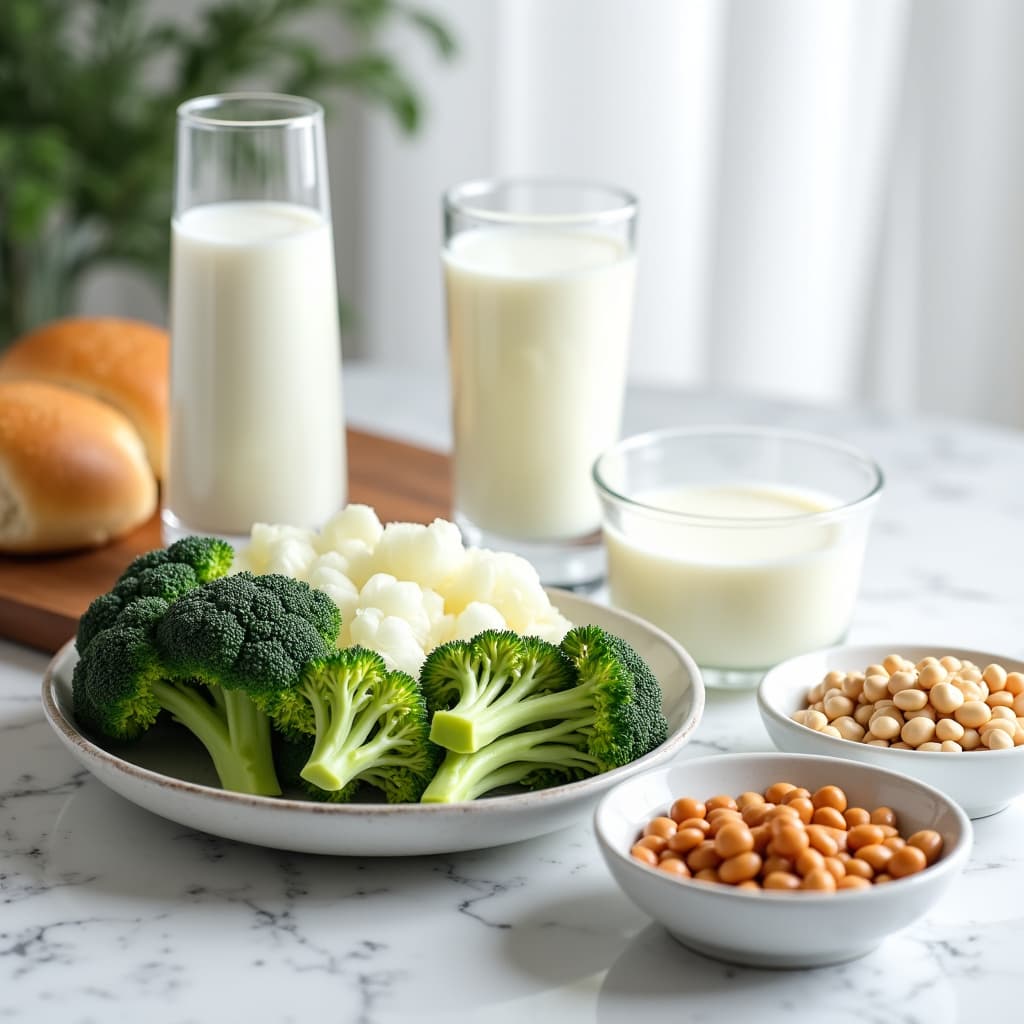
Bloating is that tight, pressurized feeling in your abdomen that makes you want to unbutton your pants after a meal. It affects roughly 15 to 30 percent of the general population regularly, and it is the single most common digestive complaint reported to gastroenterologists.
The cause is usually straightforward: certain foods produce excess gas during digestion, pull water into the intestines, or trigger inflammatory responses that slow gut motility. Knowing which foods are responsible, and why, lets you make targeted swaps instead of guessing.
Why Certain Foods Cause Bloating
Bloating happens through three main mechanisms:
Gas production. When bacteria in your large intestine ferment undigested carbohydrates (especially FODMAPs), they produce hydrogen, methane, and carbon dioxide. The gas distends the intestinal walls, creating that inflated feeling.
Water retention. Some foods pull water into the intestinal lumen through osmosis. High-sodium foods also cause the body to retain fluid systemically, adding to abdominal distension.
Inflammation and motility changes. Pro-inflammatory foods can slow intestinal transit time, giving bacteria more time to ferment food and produce gas. Chronic gut inflammation from a pro-inflammatory diet (measured by the Dietary Inflammatory Index) also damages the gut lining, making it more reactive.
A 2023 study in Alimentary Pharmacology and Therapeutics found that participants eating high-DII (pro-inflammatory) diets reported bloating 2.4 times more frequently than those eating anti-inflammatory diets, even when FODMAP intake was similar. This suggests that inflammation amplifies bloating beyond what gas production alone would cause.
The Top Foods That Cause Bloating
Beans and Lentils
Beans contain oligosaccharides (raffinose and stachyose) that humans cannot fully digest. These carbohydrates pass intact into the colon, where bacteria ferment them aggressively. The result is significant gas production.
The fix: Soak dried beans overnight and discard the soaking water. Start with smaller portions and increase gradually. Canned beans produce less gas than dried because the canning process breaks down some oligosaccharides. Lentils and split peas tend to cause less bloating than kidney beans or black beans.
Cruciferous Vegetables
Broccoli, cauliflower, Brussels sprouts, cabbage, and kale contain raffinose and sulfur compounds. Both produce gas during fermentation. Raw cruciferous vegetables cause more bloating than cooked ones because cooking breaks down some of the problematic fibers.
The fix: Cook them thoroughly. Roasting, steaming, or sautéing reduces gas-producing compounds significantly. Start with smaller portions if you are new to eating these vegetables regularly. Despite the bloating risk, cruciferous vegetables are among the most anti-inflammatory foods available, so reducing portions rather than eliminating is the better strategy.
Carbonated Drinks
Every sip of soda, sparkling water, or beer introduces carbon dioxide directly into your digestive tract. Some of this gas is absorbed, but much of it accumulates in the stomach and intestines. Diet sodas compound the problem because artificial sweeteners (especially sugar alcohols like sorbitol and mannitol) are also FODMAP triggers.
The fix: Switch to still water, herbal teas, or water infused with fruit. If you enjoy carbonation, drink slowly and in smaller amounts.
Dairy Products
Approximately 68 percent of the global population has reduced lactase activity after weaning, meaning they cannot fully digest lactose (the sugar in milk). Undigested lactose ferments in the colon, producing gas, bloating, and often diarrhea.
Even people who tolerate lactose reasonably well may experience bloating from large dairy servings. Casein protein in dairy can trigger inflammatory responses in sensitive individuals, slowing gut motility.
The fix: Try lactose-free versions. Hard aged cheeses (parmesan, cheddar, Swiss) contain minimal lactose. Yogurt and kefir are often tolerated better because bacterial cultures pre-digest much of the lactose. Greek yogurt is generally well tolerated.
Wheat and Gluten-Containing Grains
Wheat contains fructans, a type of FODMAP that ferments readily in the colon. This explains why many people feel bloated after bread, pasta, or baked goods even without having celiac disease. The gluten and inflammation connection is complex, but fructans are often the real culprit behind wheat-related bloating.
The fix: Sourdough bread causes less bloating because the long fermentation process breaks down fructans. Spelt and einkorn wheat tend to be better tolerated than modern wheat varieties. Rice, oats, and quinoa are naturally low in fructans.
Onions and Garlic
Both are high in fructans and are among the most potent FODMAP triggers. Onions cause more problems than garlic for most people because they contain more fructans per serving. Cooked onions are slightly better tolerated than raw.
The fix: Garlic-infused oil provides flavor without the fructans (fructans are water-soluble, not fat-soluble). The green tops of spring onions are low-FODMAP. Chives and the green part of leeks are good substitutes.
Apples, Pears, and Stone Fruits
These fruits contain sorbitol (a sugar alcohol) and excess fructose. Both are poorly absorbed and ferment in the colon. Apples are the most common fruit trigger for bloating.
The fix: Berries, citrus fruits, grapes, bananas, and pineapple are lower in sorbitol and generally well tolerated. Cooking fruit reduces its bloating potential.
Processed and High-Sodium Foods
Sodium causes the body to retain water, which contributes to abdominal distension and overall puffiness. Processed foods also contain emulsifiers and additives that research has linked to disrupted gut microbiome balance and increased intestinal permeability.
A 2022 study in Gastroenterology found that common food emulsifiers (carboxymethylcellulose and polysorbate 80) altered gut bacteria in ways that increased gas production and intestinal inflammation. These emulsifiers are found in ice cream, salad dressings, breads, and many packaged foods.
The fix: Cook at home more often. Read labels and choose products with fewer than 5 ingredients. Swap packaged snacks for whole food alternatives.
Sugar Alcohols
Xylitol, sorbitol, mannitol, and erythritol are used as low-calorie sweeteners in sugar-free gum, candy, protein bars, and diet products. They are poorly absorbed in the small intestine and ferment aggressively in the colon. Even small amounts (5-10 grams) can cause significant bloating in sensitive individuals.
The fix: Check ingredient labels for anything ending in "-ol." Stevia and monk fruit are better-tolerated alternatives.
Beer
Beer combines three bloating triggers: carbonation, fermentable carbohydrates from grain, and alcohol's inflammatory effect on the gut lining. Wheat beers and craft IPAs tend to be worse than lighter lagers.
The fix: If you drink, wine or spirits mixed with still water produce less bloating. Reducing overall alcohol intake is the most effective strategy.
Anti-Bloating Foods to Eat Instead
Not all foods cause bloating. Several actively reduce it:
- Ginger: Speeds gastric emptying and reduces intestinal gas. Drink ginger tea before or after meals.
- Peppermint: Relaxes the smooth muscle in the GI tract. Peppermint tea after meals can relieve trapped gas.
- Cucumber: High water content, mild diuretic effect, and extremely low FODMAP content.
- Fennel: Contains anethole, which relaxes the intestinal muscles and helps gas pass.
- Papaya: Contains papain, an enzyme that aids protein digestion.
- Rice: One of the least gas-producing starches.
- Zucchini and spinach: Low-FODMAP vegetables that are gentle on digestion.
The Inflammation Connection
Bloating is not just a gas problem. Chronic intestinal inflammation makes the gut more sensitive to normal amounts of distension. This is why people with IBS can feel severely bloated from foods that would not bother a healthy gut.
Anti-inflammatory eating reduces baseline gut sensitivity. A 2023 clinical trial in Gut found that an anti-inflammatory Mediterranean-style diet reduced bloating frequency by 45 percent in IBS patients over 12 weeks, compared to 15 percent in the standard dietary advice group. The anti-inflammatory diet did not eliminate FODMAPs. It reduced the inflammatory amplification of normal digestive processes.
Track your Dietary Inflammatory Index score with the Inflamous app to see how your overall eating pattern relates to your bloating episodes.
FAQ
Why do I get bloated every time I eat?
If bloating occurs after virtually every meal, it suggests either a broad FODMAP sensitivity, slow gastric motility, small intestinal bacterial overgrowth (SIBO), or chronic gut inflammation. A low-FODMAP elimination diet supervised by a dietitian can help identify specific triggers. If bloating is constant and severe, see a gastroenterologist to rule out SIBO or other conditions.
How long does food-related bloating last?
Typical meal-related bloating peaks 1 to 3 hours after eating and resolves within 4 to 6 hours. If bloating persists longer than 24 hours or is accompanied by pain, fever, or changes in stool, consult a doctor.
Does drinking water help with bloating?
Yes. Adequate water intake helps the body flush excess sodium, supports healthy bowel movements, and prevents the dehydration that can slow gut motility. Drink water consistently throughout the day rather than large amounts at meals.
Can probiotics help with bloating?
Some probiotic strains reduce bloating in clinical trials, particularly Bifidobacterium infantis 35624 and Lactobacillus plantarum 299v. Results vary significantly by strain and individual. A broad-spectrum probiotic or fermented foods are reasonable starting points.
Is bloating the same as water retention?
They can overlap but are different. Bloating is gas or fluid distension in the digestive tract. Water retention is systemic fluid accumulation in tissues. High-sodium foods can cause both simultaneously, which is why reducing processed food intake often improves both conditions.
The Bottom Line
Most bloating is caused by a handful of common triggers: beans, cruciferous vegetables, dairy, wheat, onions, carbonated drinks, and sugar alcohols. You do not need to avoid all of them. Identifying your specific triggers through an elimination approach, then making targeted swaps, is far more effective than blanket restriction.
Reducing gut inflammation through an overall anti-inflammatory diet can also lower your baseline bloating sensitivity, making occasional exposure to trigger foods more tolerable.
Download the Inflamous app to track which foods trigger your bloating and reduce your dietary inflammation score.