canonical: "https://inflamous.com/blog/list-of-foods-that-cause-water-retention/"
List of Foods That Cause Water Retention
Water retention — technically called edema — happens when excess fluid accumulates in your body's tissues. You feel it as puffiness in the face, swollen ankles, tight rings, and that frustrating 3-5 pound overnight weight swing that has nothing to do with fat.
Food is one of the most direct causes. Understanding which specific foods cause water retention, and why, gives you practical leverage to reduce bloating and puffiness quickly.
Why Food Causes Water Retention: The Mechanisms
Three main pathways connect diet to water retention:
Sodium. Sodium is the primary electrolyte that regulates fluid balance outside cells. When sodium intake rises, osmotic pressure causes water to follow — pulling it into blood vessels and interstitial tissue. The kidneys need time (12-48 hours) to excrete the excess.
Inflammation. When tissue becomes inflamed, blood vessels become more permeable and leak fluid into surrounding tissue. This is why chronic inflammation and water retention often go together — they share the same vascular mechanism. Foods that score high on the Dietary Inflammatory Index (DII) tend to also promote edema.
Hormonal disruption. Certain foods affect cortisol, aldosterone, and estrogen levels. Aldosterone in particular regulates kidney sodium reabsorption — when it is elevated, your body holds more sodium and therefore more water.
Complete List of Foods That Cause Water Retention
High-Sodium Foods (Primary Category)
1. Canned soups and broths A single can of condensed soup can contain 800-1,200mg of sodium — more than half the recommended daily maximum. Even "low sodium" versions often contain 400-500mg per serving. The combination of high salt, long shelf life, and convenience makes canned soup one of the biggest dietary sodium sources.
2. Deli meats and cured meats Salami, pepperoni, prosciutto, bologna, and most deli-sliced turkey and ham are cured with large amounts of salt and preservatives. A typical deli sandwich can deliver 1,000-1,500mg of sodium from the meat alone. The inflammation score for processed meats is also highly pro-inflammatory, compounding the water retention effect.
3. Fast food and restaurant meals Restaurant cooking uses dramatically more salt than home cooking. A single restaurant burger with fries can contain 2,000-3,000mg of sodium. Sauces, dressings, and marinades are often the hidden culprits — a tablespoon of soy sauce has 900mg.
4. Packaged snacks Chips, pretzels, salted nuts, crackers, and most savory packaged snacks are sodium-dense. Potato chips average 160mg per 10 chips — and most people eat 20-30 chips per serving, easily consuming 400-500mg before they notice.
5. Pickled foods (in excess) While fermented pickled foods have gut health benefits (and moderate anti-inflammatory properties), they are also extremely high in sodium. A single large dill pickle can contain 800mg. For people sensitive to sodium-driven water retention, pickles should be consumed sparingly.
6. Soy sauce and most Asian condiments Soy sauce, teriyaki sauce, oyster sauce, and fish sauce are some of the most sodium-concentrated foods available — often 500-1,000mg per tablespoon. Even small amounts can cause noticeable puffiness in sodium-sensitive individuals.
7. Cheese (especially processed varieties) Hard aged cheeses are moderately high in sodium (150-400mg per ounce), but processed cheese products like American cheese, Velveeta, and canned cheese dips are significantly higher. Processed cheese also contains emulsifying salts that add sodium beyond what is listed in the sodium content.
Inflammatory Foods That Cause Water Retention
8. Refined carbohydrates and white starches For every gram of glycogen your body stores, it also stores approximately 3 grams of water. Refined carbohydrates — white bread, white pasta, white rice, pastries — cause rapid glycogen loading, which brings significant water retention with it. This is why low-carb dieters often lose 5-7 pounds in the first week: they are losing stored glycogen and its associated water, not fat.
Beyond glycogen, refined carbs spike insulin, which signals the kidneys to retain sodium. The combined effect on water retention is substantial.
9. Sugar and high-fructose corn syrup Excess fructose is metabolized in the liver, where it promotes triglyceride synthesis and fat accumulation. This metabolic stress triggers inflammatory signaling that increases vascular permeability — the mechanism directly responsible for tissue fluid accumulation. High-sugar diets also elevate cortisol and aldosterone over time, both of which promote kidney sodium retention.
10. Alcohol Alcohol causes water retention through several mechanisms simultaneously. It suppresses antidiuretic hormone (ADH/vasopressin) in the short term, causing excess urination and dehydration. The body responds to this dehydration by retaining water aggressively in the days after drinking. Alcohol also triggers liver inflammation, increases cortisol, and promotes gut permeability — all of which add to the retention picture.
The familiar "puffy face" after a night of drinking is a perfect illustration of this multi-mechanism effect.
11. Ultra-processed foods with emulsifiers Emulsifiers like polysorbate-80 and carrageenan — found in ice cream, processed dairy, salad dressings, and many packaged foods — disrupt gut barrier integrity. This triggers low-grade gut inflammation that increases intestinal permeability and pro-inflammatory cytokine release, both of which promote tissue fluid accumulation.
Hormonal Disruptors That Cause Water Retention
12. Soy products in excess Soybeans contain phytoestrogens (isoflavones) that can mimic estrogen in the body. In some individuals, particularly those with estrogen dominance or hormone sensitivity, high soy intake can amplify estrogen-driven water retention. This is a dose-dependent effect — modest soy consumption (one to two servings per week) is generally fine for most people.
13. Foods high in phytic acid Unsoaked, unsprouted legumes, nuts, and grains contain phytic acid that can impair mineral absorption — including magnesium. Magnesium deficiency is directly linked to increased aldosterone activity and sodium retention. If your diet is heavy in these foods without proper preparation, you may retain more water as a result.
The Inflammation Score Connection
One of the patterns that emerges from the Inflamous food database is how closely water retention risk tracks with the Dietary Inflammatory Index (DII) score. The most pro-inflammatory foods — processed meats, refined grains, added sugar, alcohol, trans fats — are also the strongest water retention triggers.
This makes biological sense: inflammation and edema share the same underlying mechanism of increased vascular permeability. You can check the inflammation scores for specific foods and see exactly where your diet stacks up.
How to Reduce Water Retention Through Diet
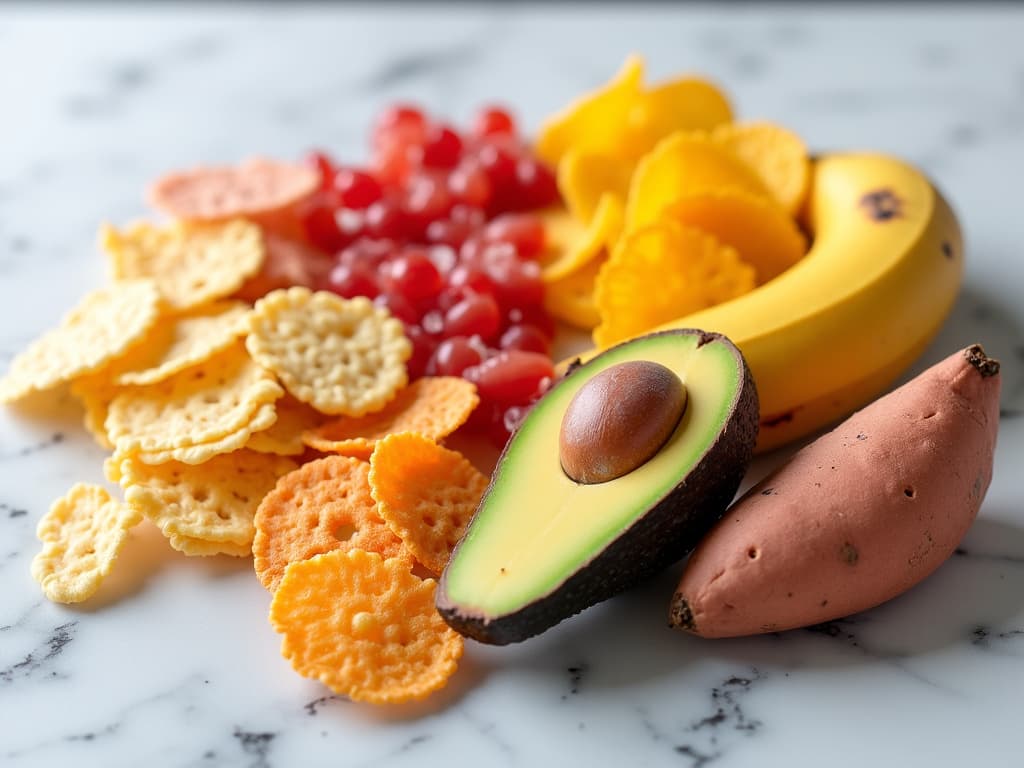
Increase potassium. Potassium is the intracellular counterpart to sodium — it helps pump sodium out of cells and reduces fluid retention. The richest sources are avocados, sweet potatoes, bananas, leafy greens, and beans. Most people consume too little potassium relative to sodium; reversing this ratio is one of the fastest ways to reduce puffiness.
Hydrate more, not less. This is counterintuitive but true: dehydration signals the body to retain water as a protective mechanism. Drinking enough water (at least 2 liters daily for most adults) signals the kidneys that water is plentiful and they can excrete more freely.
Increase magnesium. Magnesium supports adrenal function and helps regulate aldosterone. Foods rich in magnesium include pumpkin seeds, dark chocolate, almonds, black beans, and leafy greens. Supplemental magnesium glycinate or citrate (200-400mg at night) is also well-tolerated.
Eat more anti-inflammatory foods. Turmeric, salmon, and blueberries all reduce the pro-inflammatory vascular permeability that drives edema. The anti-inflammatory eating for IBS framework applies equally well to water retention reduction.
Try natural diuretic foods. Asparagus, cucumber, celery, dandelion greens, and green tea all have mild natural diuretic properties. These are not medical diuretics and do not cause electrolyte depletion at food doses — they simply support kidney filtration.
FAQ
How quickly do foods cause water retention?
High-sodium meals typically cause noticeable water retention within 12-24 hours. Alcohol-related puffiness peaks around 24-48 hours after drinking. Carbohydrate-related glycogen water loads up within 2-6 hours of eating. Most dietary water retention resolves within 48-72 hours of eliminating the trigger food.
Which foods cause the most severe water retention?
Very high-sodium foods (canned soups, fast food, deli meats) cause the most rapid and dramatic water retention for most people. Alcohol causes severe next-day puffiness due to the ADH suppression and rebound. For some people, refined carbohydrates cause the most dramatic scale weight fluctuations because of the glycogen-water relationship.
Does drinking more water help with water retention?
Yes, somewhat counterintuitively. Chronic mild dehydration causes the body to hoard water. Adequate hydration (2+ liters per day) signals the kidneys that water is available, allowing them to excrete excess sodium and fluid more freely.
Is water retention the same as fat gain?
No. Water retention is temporary fluid accumulation that resolves when the trigger is removed, usually within 1-3 days. Fat gain requires a sustained caloric surplus over weeks. The overnight weight fluctuations most people see (1-4 lbs) are almost entirely water, not fat.
Can inflammation cause water retention?
Yes, and this is one of the underappreciated connections between diet and puffiness. Chronic low-grade inflammation increases capillary permeability, allowing fluid to leak into surrounding tissue. An anti-inflammatory diet addresses water retention at this root level, not just by reducing sodium.
The Bottom Line
The foods most consistently linked to water retention fall into three categories: high-sodium processed foods, inflammation-promoting refined carbs and sugars, and hormone-disrupting substances like alcohol and excess soy. Addressing all three simultaneously produces faster results than focusing on sodium alone.
The Inflamous app tracks your foods' DII scores in real time, giving you visibility into which meals are likely driving both inflammation and fluid retention — so you can make targeted swaps rather than guessing.
Reducing dietary water retention is often the fastest dietary win available: the change is visible within 48-72 hours, which makes it one of the most motivating early wins on an anti-inflammatory diet.