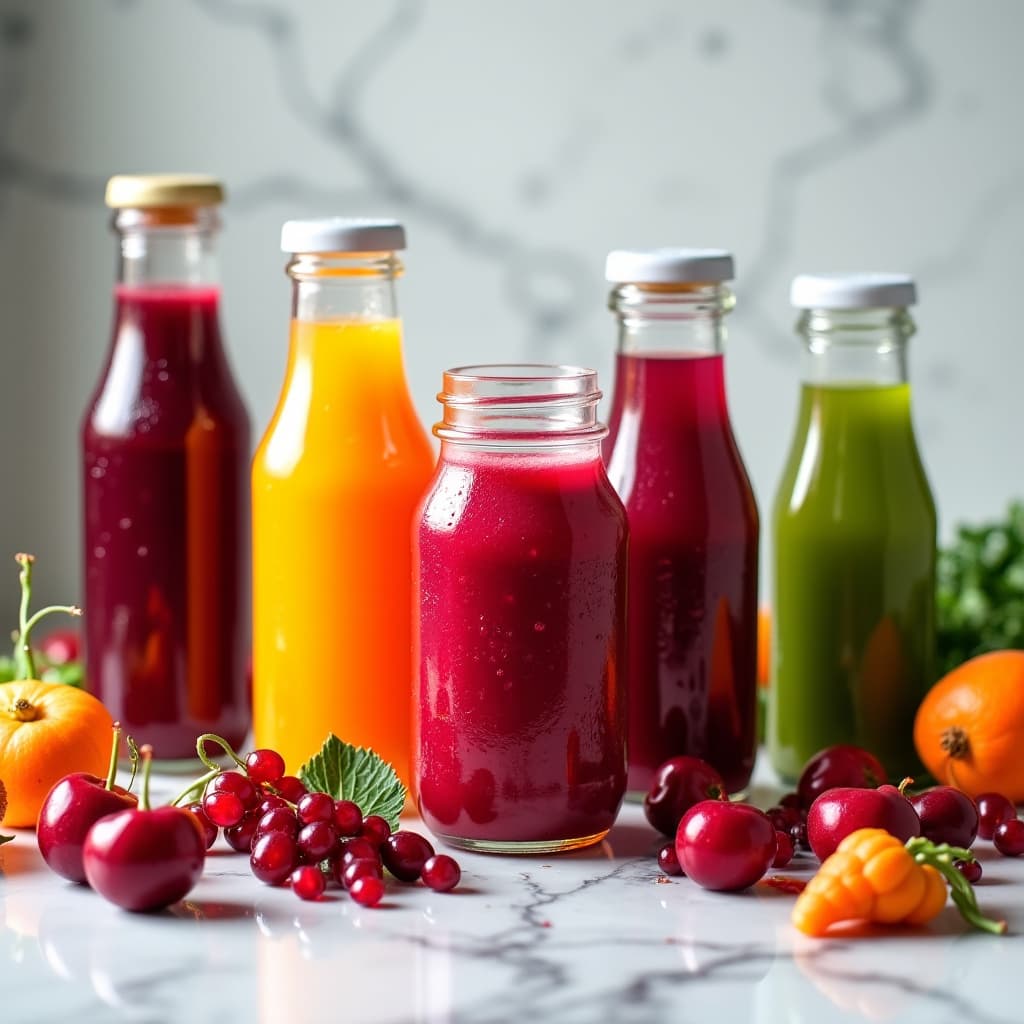
Juice can be one of the most anti-inflammatory things you drink or one of the most inflammatory. The difference comes down to what is in the glass. A cold-pressed green juice with turmeric and ginger delivers concentrated polyphenols directly into your bloodstream. A bottle of apple juice from concentrate delivers concentrated sugar with nearly zero anti-inflammatory benefit.
This guide ranks the best anti-inflammatory juices by their clinical evidence, explains what makes them work, and shows you which popular juices are mostly sugar dressed up in health marketing.
What Makes a Juice Anti-Inflammatory?
Juicing concentrates the bioactive compounds in fruits and vegetables: polyphenols, anthocyanins, betalains, and other phytochemicals that modulate inflammatory pathways. These compounds interact with the same targets measured by the Dietary Inflammatory Index: they inhibit NF-kB activation, reduce COX-2 expression, lower CRP, and decrease pro-inflammatory cytokine production.
The tradeoff is that juicing also concentrates sugar while removing fiber. Fiber slows sugar absorption and feeds anti-inflammatory gut bacteria. Without it, juice can spike blood sugar, which triggers inflammatory cascades of its own. The best anti-inflammatory juices balance high polyphenol content with manageable sugar loads.
The 10 Best Anti-Inflammatory Juices
1. Tart Cherry Juice
Tart cherry juice is the most clinically studied anti-inflammatory juice. Tart (Montmorency) cherries contain anthocyanins (cyanidin-3-glucoside) and phenolic acids that inhibit COX-1 and COX-2 enzymes similarly to ibuprofen and naproxen.
The evidence: A 2019 meta-analysis of 10 randomized trials in Nutrients found that tart cherry juice supplementation significantly reduced CRP, IL-6, and markers of oxidative stress. Athletes using tart cherry juice recovered faster from intense exercise, with reduced muscle soreness and lower creatine kinase levels.
A 2023 study in Food & Function found that 240 mL of tart cherry juice twice daily for 6 weeks reduced blood pressure and arterial stiffness in adults with early hypertension, partly through anti-inflammatory mechanisms.
How to drink it: Look for unsweetened tart cherry juice concentrate (not "cherry juice cocktail," which is mostly apple juice and sugar). Mix 1 to 2 ounces of concentrate with water. The concentrate is tart and intense, which is a sign of high anthocyanin content.
Sugar note: Even unsweetened tart cherry juice contains natural sugars (about 25 grams per 8 ounces). Stick to the concentrate-and-water method to keep portions controlled.
2. Pomegranate Juice
Pomegranate juice provides punicalagins and ellagic acid, polyphenols with potent NF-kB inhibiting properties. Pomegranate has 3x the antioxidant capacity of red wine and green tea per ounce.
The evidence: A 2022 meta-analysis in Complementary Therapies in Medicine found that pomegranate juice consumption significantly reduced CRP, IL-6, and TNF-alpha across 20 randomized trials. Benefits were observed at doses as low as 240 mL (8 ounces) daily.
A 2023 trial in Atherosclerosis found that pomegranate juice slowed atherosclerotic plaque progression by 30 percent over 12 months compared to placebo, attributed to its anti-inflammatory and antioxidant effects on arterial walls.
How to drink it: 4 to 8 ounces daily of 100 percent pomegranate juice (POM Wonderful is the most studied brand). Sugar content is moderate (about 31 grams per 8 ounces), so keep portions to 4 ounces if blood sugar is a concern.
3. Turmeric-Ginger Juice
Turmeric and ginger in juice form deliver curcumin and gingerols in a highly bioavailable liquid format. The addition of black pepper and a fat source (coconut oil or MCT oil) dramatically improves curcumin absorption.
The evidence: Curcumin and ginger individually have extensive anti-inflammatory evidence (see our supplements guide). In juice form, the combination provides synergistic effects: ginger improves gastric emptying, which enhances curcumin absorption, while both compounds independently inhibit NF-kB.
How to make it: Juice fresh turmeric root (2 inches), fresh ginger (1 inch), one lemon, and one apple. Add a pinch of black pepper and a teaspoon of coconut oil. This is a "shot" style juice, meant to be consumed in 2 to 4 ounce portions.
Buy it or make it: Many juice bars and health food stores sell turmeric-ginger shots. Check the ingredient list. If turmeric is the last ingredient (below apple, lemon, and water), the dose is likely too low to matter.
4. Beet Juice
Beets contain betalains, nitrogen-containing pigments with documented anti-inflammatory and antioxidant properties. Beet juice also provides dietary nitrates that the body converts to nitric oxide, improving blood flow and reducing vascular inflammation.
The evidence: A 2021 systematic review in Nutrients found that beetroot juice supplementation reduced blood pressure, improved endothelial function, and lowered inflammatory markers in adults with cardiovascular risk factors. The effects were strongest at 250 to 500 mL daily.
How to drink it: Beet juice is earthy and strong. Most people prefer it mixed with carrot, apple, and ginger. A 50/50 blend of beet and carrot juice with a squeeze of lemon is a practical daily option.
5. Green Vegetable Juice
Kale, spinach, celery, cucumber, and parsley juiced together provide chlorophyll, lutein, beta-carotene, and a diverse range of anti-inflammatory polyphenols. Green juice is the lowest-sugar option on this list because vegetables contain far less fructose than fruits.
The evidence: A 2023 trial in European Journal of Nutrition found that daily consumption of a kale-spinach-celery juice blend for 4 weeks reduced CRP and improved antioxidant capacity in adults with metabolic syndrome. The researchers attributed the benefit to the combined polyphenol and nitrate content.
How to make it: Base the juice on cucumber and celery (for volume and mild flavor), add kale or spinach (for polyphenols and chlorophyll), and add half a green apple or lemon for palatability. Avoid making "green juice" that is mostly apple juice with a leaf of kale.
6. Cranberry Juice (Unsweetened)
Cranberry juice provides proanthocyanidins (PACs) and anthocyanins that reduce inflammation and prevent bacterial adhesion to urinary and vascular surfaces. Most commercial cranberry juice is 70 percent added sugar and water, which negates the benefit.
The evidence: A 2022 randomized trial in Food & Function found that unsweetened cranberry juice (500 mL daily for 8 weeks) significantly reduced CRP and improved vascular function in overweight adults. The effect was driven by PAC-induced changes in gut microbiome composition.
How to drink it: Buy 100 percent unsweetened cranberry juice (it is very tart). Dilute with water or sparkling water. Alternatively, mix with pomegranate juice for a double-polyphenol blend.
7. Watermelon Juice
Watermelon provides lycopene (the same carotenoid in tomatoes) and L-citrulline, an amino acid that converts to L-arginine, boosting nitric oxide production and reducing vascular inflammation.
The evidence: A 2021 study in Journal of Nutrition found that watermelon juice consumption for 2 weeks reduced arterial stiffness and systolic blood pressure in obese adults, with concurrent reductions in CRP.
How to drink it: Blend watermelon chunks (including some of the white rind, which contains the highest citrulline concentration) and strain. Watermelon juice is naturally sweet and refreshing, requiring no additional sweetener. Add mint and lime for variety.
8. Pineapple Juice (Fresh)
Pineapple contains bromelain, a proteolytic enzyme complex with documented anti-inflammatory and anti-edema properties. Bromelain inhibits prostaglandin synthesis and reduces fibrin deposition at inflammation sites.
The evidence: A 2023 systematic review in Biomedicine & Pharmacotherapy found that bromelain had significant anti-inflammatory effects in sinusitis, osteoarthritis, and post-surgical recovery. The effective dose ranged from 200 to 1,000 mg daily. Fresh pineapple juice contains more bromelain than pasteurized commercial juice (heat degrades the enzyme).
How to drink it: Juice fresh pineapple (core included, which has the highest bromelain concentration). Combine with ginger and a squeeze of lime. Keep portions to 4 to 6 ounces due to sugar content.
9. Carrot-Orange-Ginger Juice
Carrots provide beta-carotene, oranges provide vitamin C and hesperidin (a flavonoid), and ginger provides gingerols. This combination covers three distinct anti-inflammatory mechanisms: carotenoid-based antioxidant activity, vitamin C-mediated immune support, and gingerol-mediated COX-2 inhibition.
The evidence: Individual ingredients are well-studied. Beta-carotene supplementation has reduced CRP in multiple trials. Hesperidin from citrus reduced inflammatory markers in a 2022 randomized trial. Ginger's evidence is extensive. The combination in juice form has not been studied as a single intervention, but the mechanistic rationale is sound.
How to make it: 4 large carrots, 2 oranges (peeled), 1 inch fresh ginger. This produces about 12 ounces of juice with a sweet, warm flavor profile that most people enjoy.
10. Aloe Vera Juice
Aloe vera contains acemannan and aloin, compounds with anti-inflammatory effects on the gastrointestinal lining. Aloe vera juice has been studied for GERD, IBS, and intestinal inflammation.
The evidence: A 2015 randomized trial found aloe vera syrup comparable to omeprazole for GERD symptom reduction. A 2023 study in Phytomedicine found that aloe vera polysaccharides reduced intestinal inflammation by modulating gut microbiome composition and tight junction protein expression.
How to drink it: 1 to 2 ounces of decolorized, purified aloe vera juice before meals. The decolorization process removes aloin, which in large doses is a laxative. Start with small amounts and increase gradually.
Juices to Avoid
Apple juice from concentrate: Mostly fructose with minimal polyphenol content (processing strips them). Spikes blood sugar without meaningful anti-inflammatory benefit.
Orange juice (commercial): While fresh-squeezed OJ retains some hesperidin, commercial OJ from concentrate is primarily a sugar delivery system. The vitamin C is useful, but you can get it from lower-sugar sources.
"Juice drinks" and cocktails: Anything labeled "juice drink," "juice cocktail," or "juice beverage" is mostly water, sugar, and flavoring with minimal actual juice. Check the percent juice on the label. If it is below 50 percent, skip it.
Smoothie bar "green juices": Many juice bar "green juices" list apple, pineapple, and banana as the first three ingredients with a token amount of kale or spinach at the end. These are fruit smoothies in disguise.
How to Juice for Maximum Anti-Inflammatory Benefit
- Prioritize vegetables over fruits. A 70/30 vegetable-to-fruit ratio keeps sugar manageable while maximizing polyphenol density.
- Add turmeric, ginger, or black pepper. These amplify the anti-inflammatory effect of any juice combination.
- Drink fresh. Polyphenols and enzymes (especially bromelain) degrade within hours of juicing. Make it, drink it.
- Pair with a protein or fat source. Eating a handful of nuts or a piece of cheese alongside juice slows sugar absorption and improves fat-soluble compound absorption.
- Track your intake. Log your juices in the Inflamous app to see how they shift your daily Dietary Inflammatory Index score.
FAQ
What is the most anti-inflammatory juice to drink daily?
Tart cherry juice concentrate (1 to 2 ounces diluted in water) has the strongest clinical evidence for daily anti-inflammatory use. Pomegranate juice (4 to 8 ounces) is a close second. For the lowest sugar option with solid evidence, green vegetable juice is the best choice.
Is juicing better than eating whole fruits and vegetables?
No. Whole fruits and vegetables provide fiber that juice removes, and fiber is itself anti-inflammatory. Juicing concentrates polyphenols, which is useful for therapeutic purposes, but it should complement whole food intake, not replace it.
How much anti-inflammatory juice should I drink per day?
4 to 8 ounces of concentrated anti-inflammatory juice (tart cherry, pomegranate, or beet) is a practical daily target. For green vegetable juice, 12 to 16 ounces is appropriate because the sugar content is lower. More than 16 ounces of fruit-based juice per day adds excessive sugar.
Can juicing help with arthritis inflammation?
Tart cherry juice has the strongest evidence for arthritis-related inflammation. Pomegranate juice and turmeric-ginger shots also show promise. Juicing is a complement to an overall anti-inflammatory diet, not a standalone arthritis treatment.
The Bottom Line
The best anti-inflammatory juices are tart cherry, pomegranate, turmeric-ginger, beet, and green vegetable juice. They work by delivering concentrated polyphenols that inhibit NF-kB, reduce COX-2 activity, and lower circulating inflammatory markers. The worst juices are the ones that are mostly sugar with a health label.
Juice strategically: keep portions controlled, prioritize vegetables over fruit, and use concentrated forms (like tart cherry concentrate) to get therapeutic doses without excess sugar.
Download the Inflamous app to track how juice fits into your daily anti-inflammatory profile.