Chronic kidney disease (CKD) affects roughly 15% of adults and is one of the most underdiagnosed conditions in modern medicine. Inflammation is both a cause and a consequence of kidney damage: inflammatory cytokines damage nephrons (the kidney's filtering units), and damaged kidneys have reduced ability to clear inflammatory molecules from the blood, creating a damaging cycle.
Diet is one of the most powerful tools for reducing renal inflammation, both for people with existing kidney disease and those looking to protect kidney function proactively.
This article covers the evidence-backed foods that reduce kidney inflammation, the foods that stress the kidneys and worsen inflammation, and the important caveats for people at different stages of kidney disease.
Important note: People with chronic kidney disease stages 3-5 have specific restrictions on potassium, phosphorus, protein, and sodium that require personalized medical guidance. The dietary recommendations in this article are most directly applicable to people with early or mild kidney concerns, hypertension-related kidney risk, or those seeking general kidney-protective nutrition. Always work with a nephrologist or renal dietitian for advanced CKD.
How Inflammation Damages Kidneys
The kidneys filter roughly 200 liters of blood per day. This extraordinary workload makes them particularly vulnerable to oxidative stress and inflammatory damage.
When systemic inflammation is elevated (high CRP, IL-6, TNF-alpha), inflammatory cytokines directly damage glomerular basement membranes, the filtration barriers in the kidney's filtering units. This reduces filtration efficiency and triggers a local inflammatory response in kidney tissue.
The kidneys are also highly vascular: most kidney disease is really small vessel disease driven by hypertension, diabetes, and the inflammation that underlies both conditions. Reducing systemic inflammation protects the microvasculature that feeds kidney tissue.
The Dietary Inflammatory Index (DII) is specifically relevant here: a 2018 study in the Journal of Renal Nutrition found that higher DII scores (more pro-inflammatory diets) were significantly associated with lower eGFR (estimated glomerular filtration rate, the primary measure of kidney function) in a large population sample.
Top Anti-Inflammatory Foods for Kidney Health
1. Fatty Fish (in Moderation)
Omega-3 fatty acids from salmon, sardines, and mackerel reduce renal inflammation through multiple mechanisms. EPA and DHA suppress the production of pro-inflammatory prostaglandins in kidney tissue, reduce mesangial cell proliferation (a marker of kidney inflammation), and improve the lipoprotein profile that drives cardiovascular-renal risk.
A 2016 meta-analysis found that omega-3 supplementation significantly slowed the rate of kidney function decline in patients with existing CKD.
CKD caveat: Fatty fish is appropriate for early kidney disease. In later stages (CKD stage 3+), phosphorus content in fish becomes a concern and portion sizes should be discussed with a dietitian.
2. Berries
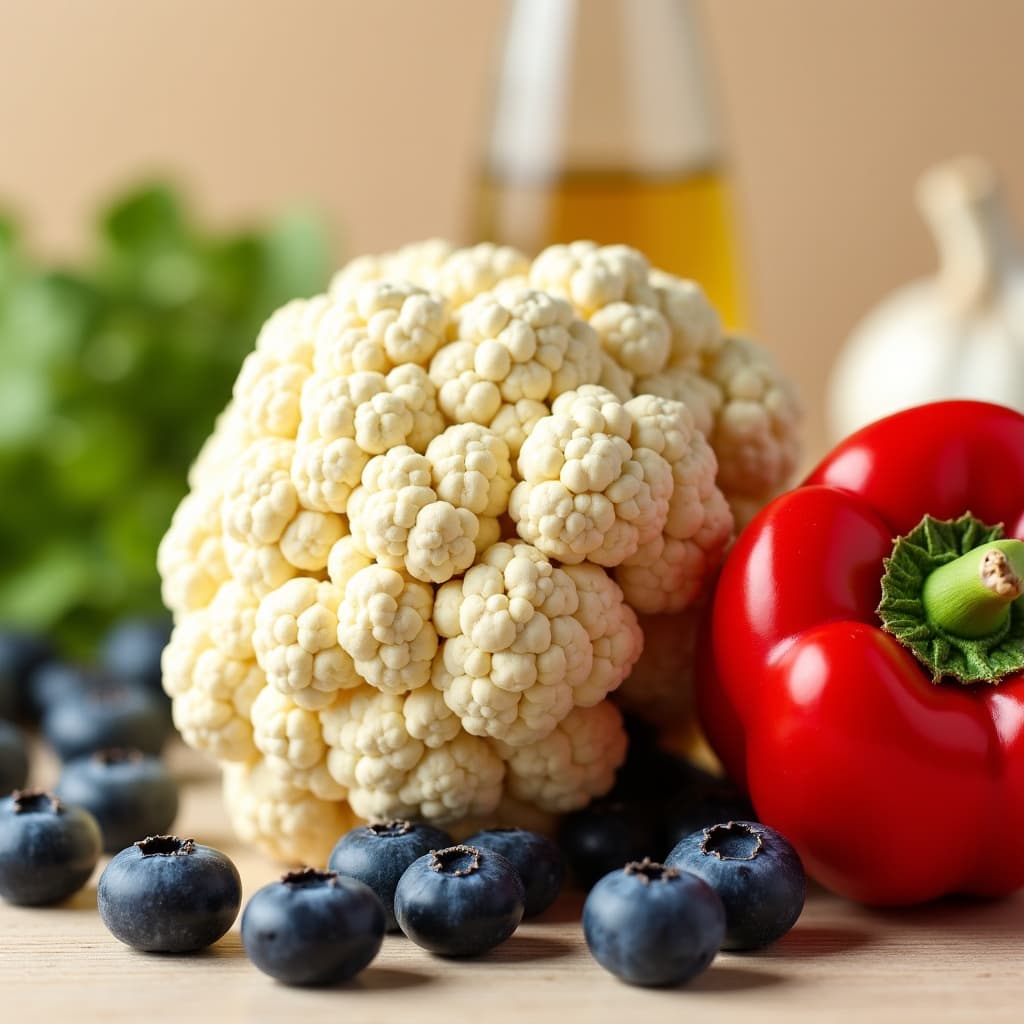
Blueberries, strawberries, and raspberries are kidney-friendly anti-inflammatory foods. They are low in potassium and phosphorus (unlike many other high-antioxidant foods), making them appropriate even for people with more advanced kidney disease.
Anthocyanins and ellagic acid in berries specifically protect renal tubular cells from oxidative damage. A 2020 animal study showed blueberry extract significantly reduced kidney inflammation markers and slowed fibrosis progression. Human epidemiological data shows berry consumption associated with lower CKD incidence.
CKD status: Generally safe across all CKD stages in typical serving sizes.
3. Olive Oil
Extra virgin olive oil is a cornerstone of kidney-protective diets for three reasons: its oleocanthal inhibits COX-2 inflammatory enzymes in kidney tissue, its oleic acid does not strain the kidney's lipid processing, and it provides no protein load (protein processing creates urea that the kidneys must excrete).
Mediterranean diet studies consistently show lower CKD incidence and slower progression in high olive oil consumers. For people with kidney disease who need to reduce phosphorus and potassium while maintaining calorie intake, olive oil is an ideal calorie source.
4. Garlic and Onions
Garlic contains allicin and organosulfur compounds with direct anti-inflammatory properties in renal tissue. Animal studies show garlic extract reduces kidney inflammation biomarkers and protects against nephrotoxic damage.
From a practical standpoint, garlic and onions are exceptionally kidney-friendly flavoring agents because they allow people with CKD (who must limit sodium and potassium from other sources) to add robust flavor without salt.
Note on onions and CKD: Raw onions are moderately high in potassium. Cooked onions have lower potassium. This distinction matters in advanced CKD.
5. Red Bell Peppers
Red bell peppers are notable for being high in vitamin C, vitamin A, vitamin B6, and anti-inflammatory lycopene while being very low in potassium and phosphorus. This makes them one of the most kidney-friendly vegetables on the anti-inflammatory spectrum.
Lycopene in red bell peppers (and tomatoes, though tomatoes are higher in potassium) reduces oxidative stress in renal tubular cells.
CKD status: Specifically recommended in renal diet guidelines for their favorable nutrient profile.
6. Cauliflower
Cauliflower provides anti-inflammatory indoles and vitamin C without significant potassium or phosphorus load. It is exceptionally versatile and can substitute for higher-potassium vegetables in many preparations.
Its sulforaphane precursors (shared with broccoli and other cruciferous vegetables) activate Nrf2, the transcription factor governing cellular antioxidant defenses, reducing oxidative kidney stress.
7. Green Tea
EGCG in green tea has shown kidney-protective effects in both animal models and human observational studies. The catechins reduce inflammation and oxidative stress in renal tubular cells, and green tea consumption is associated with lower incidence of kidney stones and CKD in large cohort studies.
For people managing kidney health, green tea is a beneficial hydration choice that contributes anti-inflammatory catechins without the protein, potassium, or phosphorus concerns of solid foods.
8. Cabbage
Cabbage is a cruciferous vegetable that is extremely kidney-friendly: low in potassium, low in phosphorus, and high in anti-inflammatory glucosinolates. It contains vitamin K, vitamin C, and fiber.
Shredded cabbage in salads, fermented as kimchi or sauerkraut (moderate sodium consideration), or steamed as a side provides anti-inflammatory benefit accessible even in more restricted CKD diets.
9. Egg Whites
For people with CKD who need to limit protein intake while maintaining quality: egg whites are high-biological-value protein (used efficiently, producing less urea waste) without the phosphorus found in egg yolks. This makes them kidney-friendly protein that does not stress the kidneys the way lower-quality proteins do.
From an inflammatory standpoint, egg whites are neutral to mildly anti-inflammatory, particularly compared to red and processed meats.
10. Apple Cider Vinegar
Apple cider vinegar appears in kidney health discussion primarily for its potential to reduce acid load. A higher dietary acid load stresses the kidney's acid-buffering capacity and is associated with faster CKD progression. Acetic acid in vinegar has mild alkalizing effects on urine.
Apple cider vinegar also has modest anti-inflammatory properties from acetic acid's gut bacteria effects. As a salad dressing with olive oil, it creates a kidney-friendly, anti-inflammatory combination.
Foods That Stress Kidneys and Drive Inflammation
1. Sodium (Salt)
High sodium intake raises blood pressure, which is the leading cause of kidney damage. Hypertensive nephropathy (kidney disease from high blood pressure) is driven directly by sodium-induced blood pressure elevation and the resulting vascular inflammation in kidney tissue.
The sodium-kidney connection is so strong that most nephrologists consider sodium reduction the single most impactful dietary intervention for kidney protection. Target: under 2,300mg per day for general health, under 1,500mg for existing kidney disease or hypertension.
Hidden sodium sources: canned foods, processed meats, restaurant meals, packaged sauces and condiments.
2. Processed and Red Meats
Red meat and inflammation and processed meats create multiple kidney-specific concerns: high protein load increases GFR strain, high phosphorus content stresses kidneys in CKD, and the inflammatory cytokines from heme iron and nitrates in processed meats damage renal vasculature.
Large cohort studies consistently show higher red meat consumption associated with faster kidney function decline and higher CKD incidence.
3. High-Phosphorus Foods
For people with existing CKD, phosphorus accumulation (hyperphosphatemia) accelerates kidney damage and drives cardiovascular calcification. High-phosphorus foods to limit include dairy, dark colas, processed foods with phosphate additives, nuts, seeds, and whole grains in advanced CKD.
The phosphorus in food additives (sodium phosphate, calcium phosphate) is more bioavailable than organic phosphorus in whole foods and is particularly concerning.
4. Added Sugar
Sugar and inflammation drives metabolic syndrome and type 2 diabetes, which are the two leading causes of CKD. Fructose specifically damages kidney tubular cells and raises uric acid, driving gout and renal inflammation. Sugar-sweetened beverages are consistently associated with higher CKD risk in epidemiological studies.
5. Alcohol
Alcohol and inflammation stresses the kidneys through multiple mechanisms: dehydration, blood pressure elevation, liver-kidney axis disruption, and direct nephrotoxic effects at high intake. For people with kidney disease, alcohol restriction is strongly recommended.
6. High-Oxalate Foods in Large Amounts
For people prone to kidney stones, high dietary oxalate (spinach, rhubarb, nuts in excess, dark chocolate in excess) combined with low calcium and low fluid intake creates oxalate crystals that damage tubular cells. This is distinct from the general anti-inflammatory considerations but relevant for stone-formers.
The Role of Hydration
Adequate fluid intake is fundamental to kidney health and reduces the concentration of inflammatory and waste products in kidney tissue. Water is the best choice. Coffee and green tea count and may offer additional protective benefit.
Dehydration concentrates urine, increases the risk of stone formation, and reduces the kidneys' ability to clear inflammatory molecules. Targeting pale yellow urine as a hydration indicator is practical guidance.
FAQ
What is the best diet for kidney inflammation? A Mediterranean-style anti-inflammatory diet low in processed foods, sodium, red meat, and added sugar, and rich in vegetables, berries, olive oil, fatty fish in moderation, and hydration, is the most evidence-backed pattern for kidney protection.
Can anti-inflammatory diet reverse kidney damage? In early kidney disease, reducing inflammatory dietary patterns can slow or halt progression. Reversing established damage is more difficult, but even modest reductions in the rate of decline are clinically significant. Early intervention is most effective.
Are bananas good or bad for kidneys? Bananas are high in potassium, which healthy kidneys handle well. For people with CKD stages 3-5 with hyperkalemia risk, bananas may need to be limited. For people with healthy kidneys or early kidney concerns, bananas are fine.
Is turmeric good for kidneys? Turmeric has shown kidney-protective effects in animal studies through its anti-inflammatory and antioxidant properties. At culinary doses, it is generally safe. Very high doses from supplements may increase oxalate levels; people with a history of oxalate kidney stones should use supplements cautiously.
Does drinking water reduce kidney inflammation? Adequate hydration dilutes inflammatory compounds and waste products in the kidneys and reduces the risk of conditions (kidney stones, urinary tract infections) that cause renal inflammation. It is foundational, not optional.
Bottom Line
Protecting kidneys from inflammation requires a consistent pattern of whole, minimally processed foods, emphasizing anti-inflammatory vegetables, berries, olive oil, fatty fish in moderate amounts, adequate hydration, and strict sodium limitation.
The specific restrictions for people with diagnosed CKD vary significantly by stage and require professional dietetic guidance. For everyone else, the anti-inflammatory dietary pattern described here reduces the cardiovascular and metabolic inflammation that is the leading cause of kidney damage before overt disease develops.
Track your daily food inflammation scores with the Inflamous app and see how your eating patterns stack up for long-term organ health.