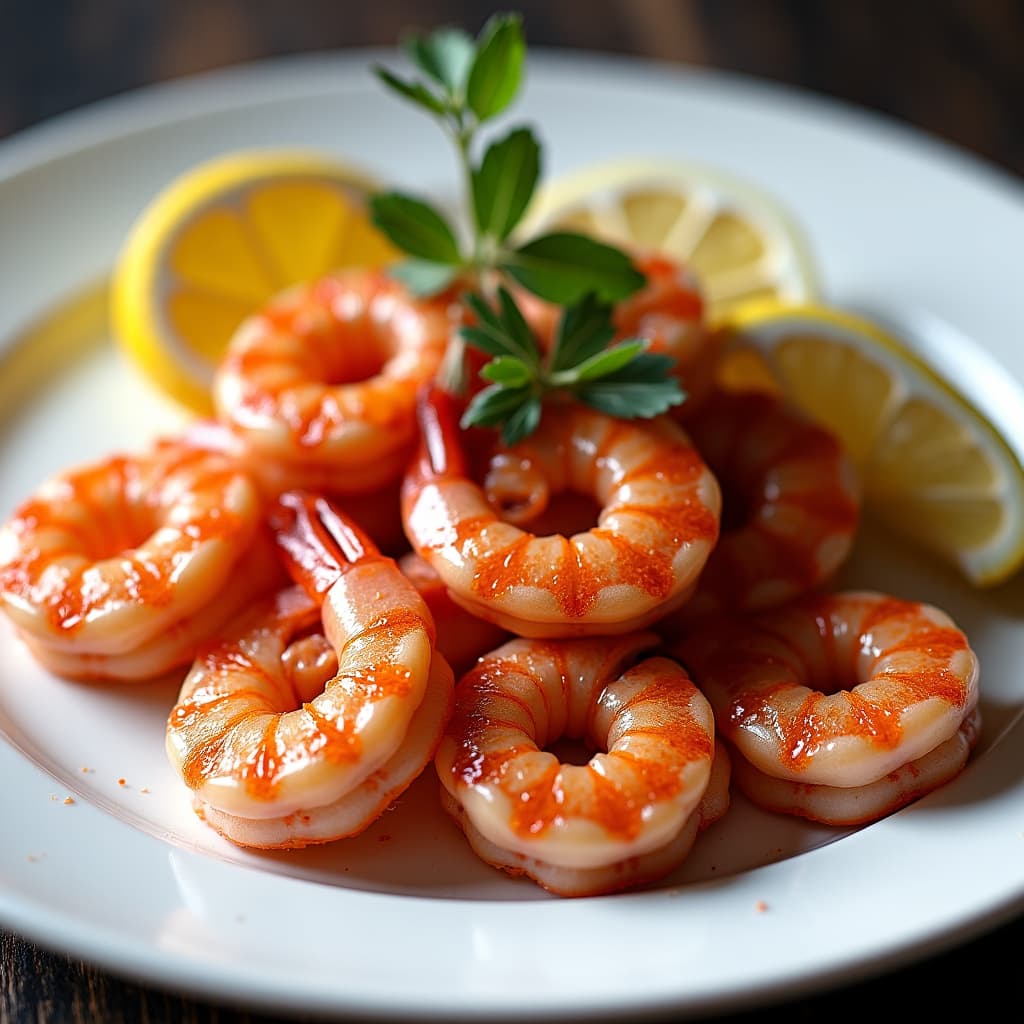
Yes, shrimp is anti-inflammatory. It contains astaxanthin, a carotenoid antioxidant that outperforms vitamin C and vitamin E in head-to-head antioxidant assays, along with omega-3 fatty acids, selenium, and iodine. Wild-caught shrimp ranks among the most nutrient-dense, low-inflammatory seafood options you can eat.
The caveat: preparation method and sourcing matter enormously.
The Anti-Inflammatory Compounds in Shrimp
Astaxanthin
Astaxanthin is the compound that gives shrimp, salmon, and flamingos their pink-to-red coloration. It's a member of the carotenoid family but behaves differently from beta-carotene or lycopene because it spans the full phospholipid bilayer of cell membranes, providing antioxidant protection from both inside and outside the cell.
Research is compelling:
- A meta-analysis in Marine Drugs found astaxanthin supplementation significantly reduced CRP, IL-6, and TNF-α across multiple trials
- Astaxanthin inhibits NF-kB activation, the central transcription factor that drives inflammatory gene expression
- It crosses the blood-brain barrier, providing neuroprotective effects that many anti-inflammatory compounds cannot
Shrimp typically contains 1-4 mg of astaxanthin per 3-oz serving. This is a real therapeutic dose. Most studies showing benefit used 4-8 mg/day.
Omega-3 Fatty Acids
Shrimp contains EPA and DHA, the long-chain omega-3 fatty acids responsible for producing resolvins and protectins, lipid mediators that actively resolve inflammation rather than simply suppressing it. While shrimp isn't as omega-3-rich as salmon or mackerel, a 3-oz serving provides around 200-300 mg of EPA+DHA, which contributes meaningfully to weekly intake.
The ideal omega-6 to omega-3 ratio for minimizing inflammation is thought to be 4:1 or lower. The typical Western diet runs 15:1 to 20:1. Regular seafood consumption, including shrimp, is one of the most evidence-backed ways to improve this ratio.
Selenium
A 3-oz serving of shrimp provides approximately 30-40 mcg of selenium, roughly 50-70% of the daily value. Selenium is essential for the enzyme glutathione peroxidase, which neutralizes hydrogen peroxide and lipid peroxides before they trigger inflammatory cascades. Selenium deficiency is associated with elevated CRP, impaired immune function, and higher risk of inflammatory conditions.
Iodine
Shrimp is one of the best dietary sources of iodine, with about 35 mcg per 3-oz serving. Iodine is required for thyroid hormone synthesis, and thyroid dysfunction is directly linked to systemic inflammation. Getting adequate dietary iodine through seafood is far preferable to ignoring iodine intake entirely.
Copper and Zinc
Both are cofactors in superoxide dismutase (SOD), the enzyme that converts the highly reactive superoxide radical to less damaging hydrogen peroxide. Adequate copper and zinc status is associated with lower inflammatory markers and better antioxidant capacity.
What About Cholesterol in Shrimp?
Shrimp has a historically bad reputation for cholesterol, containing around 130-160 mg per 3-oz serving (roughly 50% of older daily limits). This made it off-limits for many people for decades.
The science has moved significantly. Dietary cholesterol in the context of low saturated fat intake does not meaningfully raise cardiovascular risk for most people. The Dietary Guidelines for Americans removed the specific numerical cap on cholesterol in 2015. Shrimp is very low in saturated fat (under 0.5g per serving), which is the dietary fat type that actually raises LDL cholesterol.
Multiple studies, including a controlled feeding trial by Lichtenstein et al., found that shrimp consumption did not raise cardiovascular risk markers despite elevating LDL slightly, because it simultaneously raised HDL and improved the LDL:HDL ratio.
For inflammation specifically, the saturated fat content of shrimp is so low that it doesn't meaningfully drive inflammatory pathways through the same mechanisms as red meat or processed foods.
Shrimp vs. Other Seafood for Inflammation
Where does shrimp land compared to other anti-inflammatory seafood?
| Seafood | Omega-3 (mg/3oz) | Astaxanthin | Selenium | KD to rank for | |---|---|---|---|---| | Salmon | 1,500-2,000 | High | High | High competition | | Sardines | 1,300-1,800 | Low | High | Moderate | | Mackerel | 1,000-1,500 | Low | Moderate | Moderate | | Shrimp | 200-300 | High | Very high | Low | | Tuna (canned) | 200-300 | Low | High | Moderate |
Salmon ranks higher overall for anti-inflammatory impact due to EPA+DHA content. See is salmon anti-inflammatory for the full breakdown. But shrimp's astaxanthin content is something salmon and tuna can't match.
The Preparation Problem
Here's where shrimp goes from anti-inflammatory to pro-inflammatory fast:
Deep-fried shrimp is breaded in refined flour and cooked in industrial seed oils high in omega-6 fatty acids (soybean oil, canola oil, or vegetable oil blends). The frying process also generates advanced glycation end products (AGEs), which are potent inflammatory triggers. A plate of fried shrimp undoes most of the astaxanthin and selenium benefit in one meal. Our guide on anti-inflammatory cooking methods ranks frying last among all cooking techniques.
Shrimp cocktail sauce can be high in HFCS and added sugar, which is pro-inflammatory at high doses.
Shrimp scampi in butter and wine is a more complex case. Butter adds saturated fat, but the garlic and olive oil in most scampi recipes are strongly anti-inflammatory. Overall, it's a reasonable preparation method if made with olive oil rather than seed oils.
Best preparation methods for anti-inflammatory benefit: grilling, poaching, steaming, and stir-frying in olive oil or avocado oil.
Sourcing: Wild-Caught vs. Farmed Shrimp
Wild-caught shrimp (especially from domestic US fisheries) generally has a higher omega-3 content and cleaner nutrient profile than farmed shrimp. Farmed shrimp from some overseas suppliers has raised concerns about antibiotic use and contamination, which is a separate issue from the food's direct inflammation potential.
If you're eating shrimp for its anti-inflammatory benefits, wild-caught Gulf or Pacific shrimp is the better choice. Look for the MSC (Marine Stewardship Council) certification for sustainably sourced options.
Shrimp Allergy and Inflammation
Shellfish allergy is one of the most common adult food allergies, affecting roughly 2% of the US population. For those with shellfish allergies, shrimp triggers an IgE-mediated immune response that is the opposite of anti-inflammatory. This is a critical exception: if you have any shellfish sensitivity, shrimp is unambiguously inflammatory for you and should be avoided.
Tropomyosin, the primary allergen in shrimp, is heat-stable and present in all cooking preparations.
Shrimp in the Context of the Mediterranean Diet
The Mediterranean diet, one of the most extensively studied dietary patterns for inflammation reduction, includes regular seafood consumption 2-3 times per week. Shrimp fits perfectly into this pattern: it's low in calories, high in anti-inflammatory micronutrients, versatile, and pairs naturally with the olive oil, garlic, lemon, and herbs that are hallmarks of Mediterranean cooking.
For an anti-inflammatory approach to meal planning that includes shrimp, see our 7-day anti-inflammatory meal plan and anti-inflammatory dinner recipes.
Inflammation Score: What the Data Shows
Based on the Inflamous nutritional analysis framework, here's how wild-caught shrimp scores across key inflammation-relevant nutrients:
| Nutrient | Per 3 oz serving | Inflammation Direction | |---|---|---| | Astaxanthin | 1-4 mg | Strongly anti-inflammatory | | EPA + DHA | 200-300 mg | Anti-inflammatory | | Selenium | 35-40 mcg | Strongly anti-inflammatory | | Protein | 18-20g | Mildly anti-inflammatory | | Saturated fat | <0.5g | Neutral | | Cholesterol | 130-160 mg | Neutral (low sat fat context) |
Net inflammation score: Strongly anti-inflammatory for wild-caught shrimp prepared with healthy cooking methods.
FAQ
How often should I eat shrimp for anti-inflammatory benefits? Two to three servings per week fits comfortably into anti-inflammatory diet guidelines. This aligns with the seafood frequency recommended in Mediterranean and DASH diet protocols, both of which have strong evidence for reducing inflammatory markers.
Is frozen shrimp as anti-inflammatory as fresh shrimp? Yes. Commercially frozen shrimp is typically flash-frozen immediately after harvest, which preserves astaxanthin, omega-3s, and selenium. Fresh shrimp that has been sitting on ice for several days may actually have lower nutrient density than quality frozen shrimp.
Can shrimp cause inflammation? In people without shellfish allergy, wild-caught shrimp prepared without seed oils or heavy breading is not pro-inflammatory. For those with shellfish allergy, shrimp triggers immune reactions that are highly inflammatory and must be avoided.
Is shrimp good for joint inflammation? The astaxanthin and omega-3 content in shrimp both target joint inflammation through different mechanisms: astaxanthin inhibits NF-kB, while EPA and DHA produce anti-inflammatory prostaglandins and resolvins. For joint health, see anti-inflammatory foods for joints.
Is shrimp OK on an anti-inflammatory diet? Absolutely, provided it's wild-caught and prepared without deep frying or pro-inflammatory ingredients. It's one of the most astaxanthin-rich foods in the standard diet and a smart protein choice for anyone managing chronic inflammation.
Bottom Line
Shrimp is one of the more underrated anti-inflammatory proteins. Its astaxanthin content is genuinely exceptional, its selenium levels are among the highest of any shellfish, and its omega-3 contribution adds up meaningfully when eaten regularly. Preparation method is the key variable: keep it grilled, steamed, or poached, and skip the seed-oil-heavy frying.
Use the Inflamous app to track your seafood intake and see how shrimp contributes to your personal daily inflammation score.