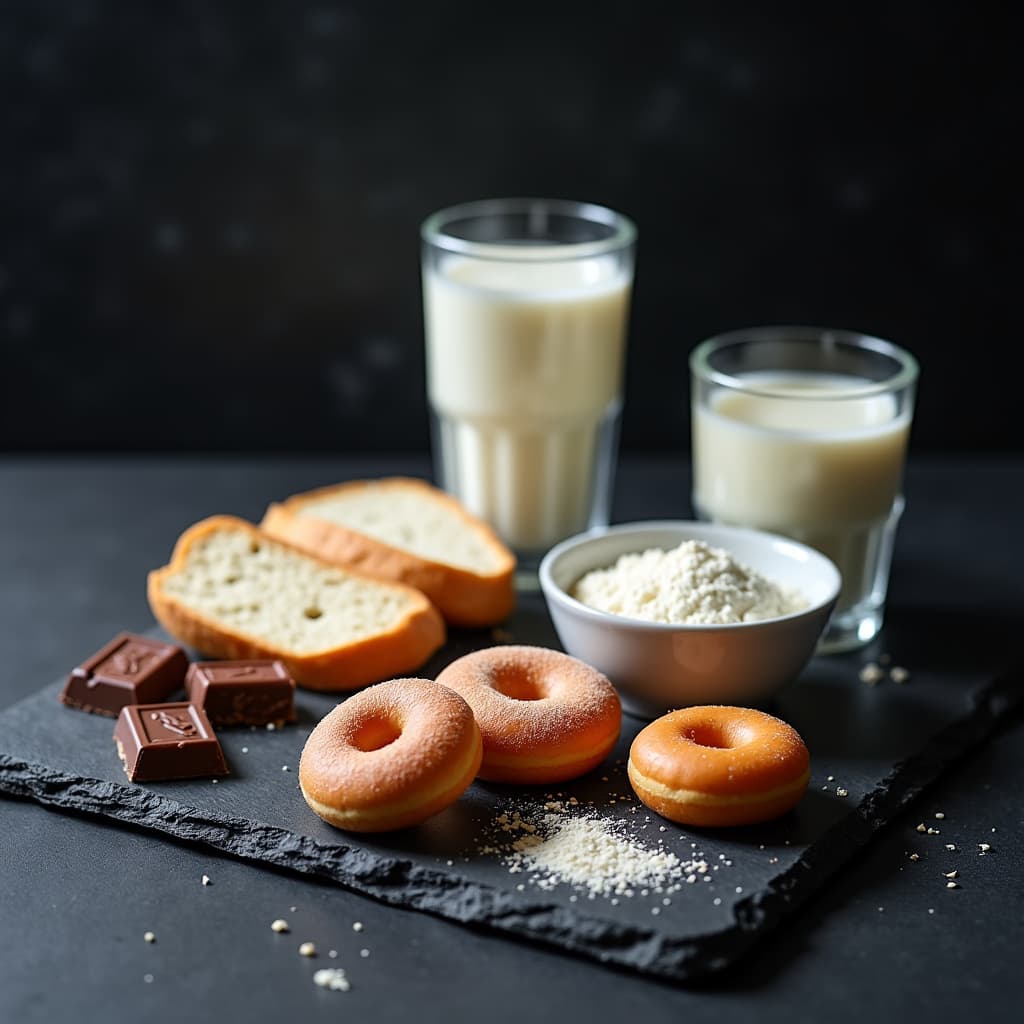
For years, dermatologists told patients that diet had nothing to do with acne. That advice has aged poorly. A growing body of research, including large-scale epidemiological studies and randomized trials, now shows a clear relationship between certain foods and acne severity.
The connection works through three pathways: insulin and insulin-like growth factor 1 (IGF-1) signaling, systemic inflammation, and hormonal modulation. All three are directly influenced by what you eat.
How Food Triggers Acne
Acne forms when sebaceous glands produce excess oil (sebum), dead skin cells clog pores, and bacteria (primarily Cutibacterium acnes) colonize the clogged pore, triggering an inflammatory response.
Diet influences every step:
Insulin and IGF-1. High-glycemic foods cause blood sugar spikes, which increase insulin and IGF-1 levels. IGF-1 stimulates sebocyte proliferation (oil-producing cells grow and produce more sebum), upregulates androgen activity (hormones that drive oil production), and increases keratinocyte proliferation (skin cells that clog pores). A 2022 meta-analysis in JAMA Dermatology confirmed that dietary glycemic load was significantly associated with acne severity across 14 studies.
Systemic inflammation. Pro-inflammatory diets (as measured by the Dietary Inflammatory Index) increase circulating inflammatory cytokines that worsen the redness, swelling, and scarring associated with acne lesions. A 2023 study in the Journal of the European Academy of Dermatology and Venereology found that acne patients eating pro-inflammatory diets had 2.8 times more inflammatory lesions than those eating anti-inflammatory diets.
Hormonal modulation. Certain foods (particularly dairy) contain hormones and bioactive molecules that directly affect androgen levels and sebum production.
The Top Foods That Cause Acne
Dairy (Especially Skim Milk)
Dairy is the most researched and most consistent dietary trigger for acne. Three large Harvard Nurses' Health Studies found a clear dose-response relationship between dairy consumption and acne prevalence. Skim milk was more strongly associated than whole milk, likely because processing concentrates the hormonal components (IGF-1, whey proteins) while removing the fat.
Why dairy triggers acne:
- Cow's milk contains IGF-1, which survives digestion and enters circulation
- Whey and casein proteins increase insulin secretion independently of blood sugar
- Dairy contains dihydrotestosterone precursors that increase androgen activity
- Processing adds additional hormones depending on farming practices
A 2023 systematic review in Nutrients analyzed 28 studies and concluded that dairy consumption increased acne risk by 25 percent overall, with skim milk showing the strongest association (44 percent increased risk).
What to try instead: Oat milk, almond milk, or coconut milk for drinking and cooking. If you tolerate some dairy, fermented options like yogurt and kefir seem to cause fewer breakouts, possibly because fermentation reduces IGF-1 levels.
Sugar and High-Glycemic Foods
White bread, white rice, pastries, candy, soda, and anything made with refined flour causes rapid blood sugar spikes. The resulting insulin surge triggers the IGF-1 cascade that drives sebum production and pore clogging.
A landmark 2007 randomized controlled trial in the American Journal of Clinical Nutrition found that young men who switched from a high-glycemic to a low-glycemic diet had significant improvements in acne after 12 weeks. Total lesion count dropped by 23 percent in the low-glycemic group compared to no improvement in the control group.
The Dietary Inflammatory Index scores refined carbohydrates as pro-inflammatory, adding another mechanism through which sugar drives skin problems.
What to try instead: Whole grains, sweet potatoes, legumes, and fruits with lower glycemic indexes. These provide carbohydrates without the insulin spike.
Whey Protein
Whey protein supplements are concentrated dairy proteins that are particularly potent insulin secretagogues. Bodybuilders and fitness enthusiasts who use whey protein frequently report acne flares, and clinical case series confirm the connection.
A 2021 study in Health Sciences Reports found that whey protein supplementation increased acne severity in 55 percent of users within 2 months. The effect was dose-dependent and reversed when whey was discontinued.
What to try instead: Plant-based protein powders (pea, rice, hemp) do not trigger the same insulin response. Collagen protein is another option that does not contain whey.
Chocolate
The chocolate and acne connection has been debated for decades. Recent controlled studies have clarified: it is the sugar and dairy in most chocolate products, not cocoa itself, that triggers breakouts. Pure cocoa is actually rich in anti-inflammatory polyphenols.
A 2022 double-blind crossover study in the Journal of the American Academy of Dermatology found that unsweetened 100 percent cocoa capsules did not worsen acne compared to placebo, while milk chocolate significantly increased inflammatory lesions.
The takeaway: Dark chocolate (70 percent cocoa or higher) is generally safe. Milk chocolate and white chocolate are not.
Omega-6 Heavy Seed Oils
Soybean oil, corn oil, sunflower oil, and other refined seed oils are high in omega-6 fatty acids. Excess omega-6 intake shifts the body's inflammatory balance toward pro-inflammatory eicosanoids. This does not mean omega-6 is inherently bad, but the typical Western diet provides 15 to 25 times more omega-6 than omega-3, far beyond the ideal ratio.
Seed oils and inflammation contribute to acne through systemic inflammatory amplification. Reducing seed oil intake while increasing omega-3s from salmon and other fatty fish can help rebalance the ratio.
Fast Food
Fast food combines multiple acne triggers: refined carbohydrates, dairy, seed oils, excess sodium, and advanced glycation end products (AGEs) from high-heat cooking. A 2020 study in the Journal of the European Academy of Dermatology and Venereology found that frequent fast food consumption (3+ times per week) was associated with 2.7 times higher odds of moderate-to-severe acne.
Alcohol
Alcohol and inflammation affect acne through multiple pathways: liver burden (impairing hormone metabolism), blood sugar disruption, dehydration, and direct inflammatory effects. Sugary cocktails and beer are worse than spirits, but all alcohol can contribute.
Foods That Help Clear Skin
The opposite of a pro-inflammatory, high-glycemic diet is an anti-inflammatory, low-glycemic one. These foods actively support clearer skin:
- Fatty fish (salmon, sardines, mackerel): Omega-3s reduce inflammatory mediators and may directly reduce sebum production. A 2020 RCT in Lipids in Health and Disease found that fish oil supplementation (2g EPA/DHA daily) reduced acne lesion count by 42 percent over 10 weeks.
- Zinc-rich foods (pumpkin seeds, oysters, chickpeas): Zinc regulates sebum production and has antibacterial properties against C. acnes.
- Green tea: EGCG in green tea reduces sebum production and has anti-androgen effects. Both topical and oral green tea have shown benefits in acne trials.
- Berries: High in anthocyanins and vitamin C, which reduce inflammation and support collagen repair.
- Turmeric: Curcumin reduces NF-kB inflammatory signaling, which drives acne redness and scarring.
- Gut-supporting foods: Fermented foods, fiber-rich vegetables, and prebiotic foods support the gut-skin axis. A healthy gut microbiome reduces systemic inflammation that manifests as skin problems.
The Gut-Skin Axis
Research has established that gut health directly affects skin health. People with acne have distinct gut microbiome compositions compared to those with clear skin. Intestinal permeability ("leaky gut") allows bacterial endotoxins into the bloodstream, increasing systemic inflammation and worsening skin conditions.
A 2023 study in Dermatology found that acne patients who took a synbiotic supplement (probiotic plus prebiotic fiber) for 12 weeks had significantly fewer inflammatory lesions than those taking placebo. The gut-skin connection works through immune modulation, and diet is the primary lever for gut microbiome composition.
Tracking Your Triggers with Inflamous
Acne triggers vary by individual. What causes breakouts in one person may be perfectly fine for another. The Inflamous app helps you track your daily Dietary Inflammatory Index score alongside skin observations, so you can identify which specific foods correlate with your breakouts over time.
Logging meals for 4 to 6 weeks typically reveals clear patterns that generic advice cannot provide.
FAQ
How long after eating trigger foods does acne appear?
Dietary triggers typically take 1 to 3 days to manifest as new breakouts. Inflammatory lesions (red, painful bumps) appear faster than comedones (blackheads and whiteheads). This delayed response is why many people do not connect specific foods to their acne.
Does cutting dairy actually help acne?
For many people, yes. A 2022 survey in Dermatologic Therapy found that 48 percent of patients who eliminated dairy reported significant improvement in acne within 3 months. The effect is strongest for those with hormonal or cystic acne patterns.
Can you eat chocolate without getting acne?
Dark chocolate (70 percent cocoa or higher) is generally safe and may even be beneficial due to its polyphenol content. Milk chocolate, white chocolate, and chocolate candy bars contain enough sugar and dairy to trigger breakouts in sensitive individuals.
Is the acne-diet connection the same for adults and teenagers?
The mechanisms are the same, but adult acne (especially in women) is more strongly influenced by hormonal factors. Dairy and high-glycemic foods affect hormonal acne through androgen and IGF-1 pathways, making dietary changes particularly relevant for adult women with jawline and chin acne.
How long does it take for dietary changes to clear acne?
Most studies show measurable improvement after 8 to 12 weeks of consistent dietary change. Some people notice improvement within 2 to 3 weeks, particularly when eliminating dairy. Complete clearing from diet alone is uncommon; dietary changes work best alongside proper skincare and, when needed, medical treatment.
The Bottom Line
The days of "diet has nothing to do with acne" are over. Dairy (especially skim milk), high-glycemic foods, whey protein, and omega-6 heavy seed oils are all linked to acne through insulin signaling, systemic inflammation, and hormonal disruption. Replacing these with omega-3 rich fish, zinc-rich foods, low-glycemic carbohydrates, and anti-inflammatory eating patterns can make a meaningful difference.
Diet is not the whole picture. Genetics, skincare, stress, and sleep all matter. But it is one of the few factors you can control completely, starting with your next meal.
Download the Inflamous app to start tracking how your diet affects your skin.