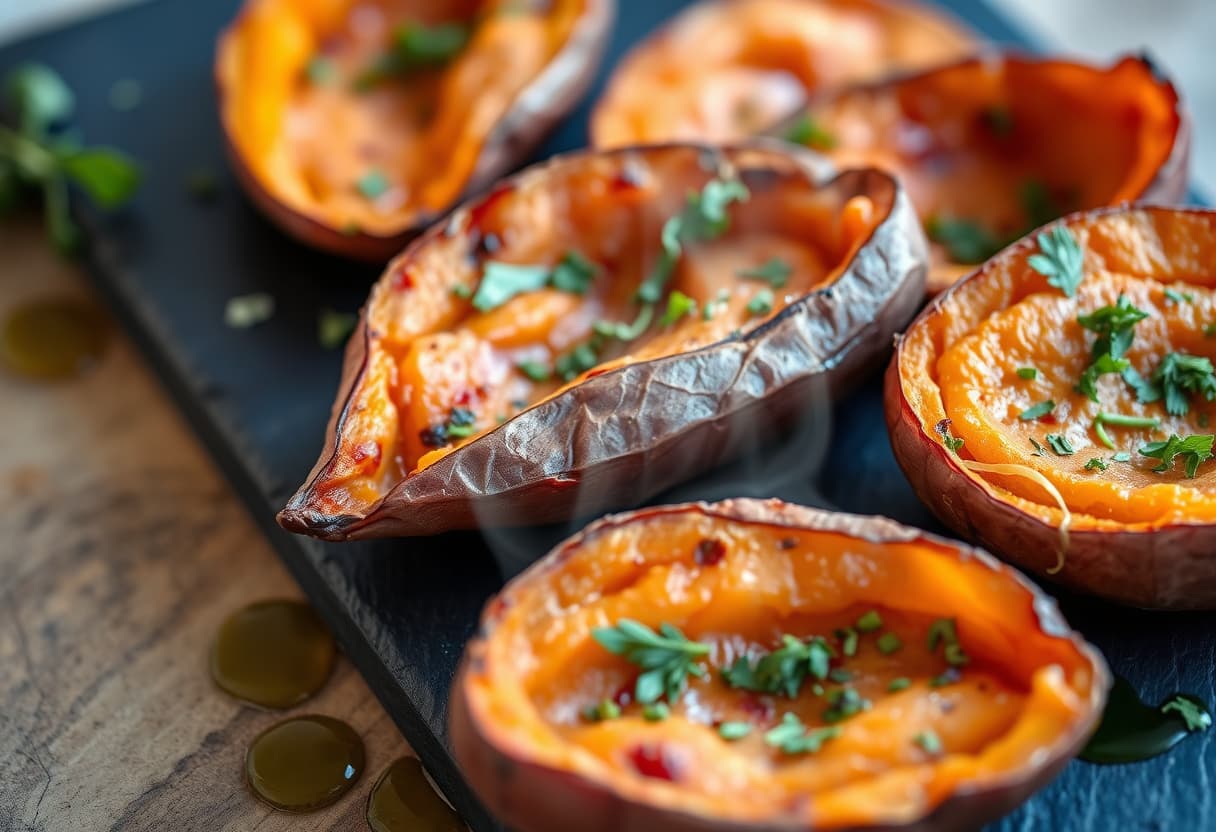
Sweet potatoes are one of the most nutrient-dense starchy vegetables you can eat, and their inflammation profile reflects that. The combination of beta-carotene, anthocyanins, vitamin C, potassium, and fiber gives sweet potatoes a meaningfully negative DII score. They're a direct upgrade from white potatoes for anyone focused on inflammation, and they fit well into almost any dietary pattern.
The direct answer: yes, sweet potatoes are anti-inflammatory. They score well on the Dietary Inflammatory Index primarily due to their exceptional beta-carotene content, which converts to vitamin A and has documented anti-inflammatory effects, along with supportive fiber, potassium, and antioxidant phytochemicals. Purple-fleshed sweet potatoes have an even stronger profile due to their anthocyanin content.
The Key Anti-Inflammatory Compounds in Sweet Potato
Beta-Carotene: The Star Compound
Sweet potatoes are one of the richest sources of beta-carotene in the entire food supply. One medium sweet potato (about 150g, baked with skin) provides approximately 11,600 mcg of beta-carotene, enough to meet more than 100% of the daily value for vitamin A through conversion.
Beta-carotene and the vitamin A it produces have multiple anti-inflammatory effects:
Regulatory T-cell support: Vitamin A plays a critical role in producing and maintaining regulatory T-cells (Tregs), which suppress excessive immune activation. Inadequate vitamin A leads to poorly regulated inflammatory responses, essentially a hair trigger for inflammation that stays elevated longer than it should.
Mucosal barrier integrity: Vitamin A maintains the epithelial barriers of the gut, respiratory tract, and skin. When these barriers degrade, they allow pathogen-associated molecular patterns (PAMPs) to enter the bloodstream, triggering chronic low-grade inflammation. Sweet potato's beta-carotene supports these barriers and helps prevent this pathway.
Antioxidant function: Beta-carotene is a lipid-soluble antioxidant that specifically protects cell membranes from lipid peroxidation, a form of oxidative damage that generates pro-inflammatory oxidized lipids.
Retinoic acid signaling: Beyond vitamin A's immune roles, retinoic acid (a vitamin A metabolite) directly regulates the expression of anti-inflammatory genes, including those that produce anti-inflammatory cytokines.
Anthocyanins (Purple Sweet Potatoes)
Purple-fleshed sweet potatoes (varieties like Okinawan sweet potato, Stokes Purple, Murasaki) contain high concentrations of anthocyanins, the same class of pigment flavonoids that make blueberries and tart cherries exceptional anti-inflammatory foods.
Research on Okinawan purple sweet potato is particularly strong. Studies show their anthocyanin extract:
- Suppresses NF-κB activation
- Reduces circulating IL-6 and TNF-α
- Improves liver antioxidant enzyme activity
- Reduces AGE (advanced glycation end-product) formation
The Okinawan diet, known for producing some of the longest-lived populations in the world, features purple sweet potato as a dietary staple. Epidemiological research on Okinawan elders consistently shows low systemic inflammation markers.
Orange-fleshed sweet potatoes (the most common variety in US grocery stores) have less anthocyanin but compensate with far higher beta-carotene. Both types are anti-inflammatory, with different mechanisms.
Vitamin C
One medium sweet potato provides about 25 mg of vitamin C, roughly 28% of the daily value. As covered across many foods on Inflamous, vitamin C is consistently associated with lower inflammatory markers in population studies and plays essential roles in immune regulation and antioxidant defense.
Potassium
Sweet potatoes are an excellent source of potassium, with about 542 mg per medium baked potato, more than a medium banana. Potassium's role in reducing sodium-driven vascular inflammation is well-established. The sodium-to-potassium ratio of the Western diet is strongly associated with hypertension and cardiovascular inflammation, and potassium-rich foods like sweet potatoes help counteract this imbalance.
Dietary Fiber
A medium sweet potato (with skin) contains about 4 grams of fiber. Sweet potato fiber is particularly rich in cellulose and pectin, which ferment in the colon to produce short-chain fatty acids. Pectin specifically has been shown to support the gut mucosal barrier and reduce intestinal permeability. The fiber in sweet potato contributes meaningfully to its anti-inflammatory profile through the gut microbiome pathway.
Manganese and B Vitamins
Sweet potatoes provide solid amounts of manganese (antioxidant enzyme function) and B vitamins including B6, folate, and B5. B6's role in homocysteine regulation and folate's role in methylation and DNA repair both have downstream anti-inflammatory effects.
DII Score: Sweet Potato vs White Potato
This comparison matters because many people are choosing between these two staples:
| Nutrient / Component | Sweet Potato | White Potato | DII Impact | |---------------------|-------------|-------------|------------| | Beta-carotene | ✅ Very high | None | Anti-inflammatory (-) | | Vitamin C | ✅ Moderate | ✅ Moderate | Anti-inflammatory (-) | | Potassium | ✅ High | ✅ High | Anti-inflammatory (-) | | Fiber | ✅ 4g | ✅ 2g | Anti-inflammatory (-) | | Glycemic index | 63 (medium) | 78 (high, baked) | Sweet potato lower (+) | | Anthocyanins | ✅ (purple) | None | Anti-inflammatory (-) | | Acrylamide (fried) | Moderate | Higher | Pro-inflammatory (+) |
Sweet potato wins clearly over white potato for anti-inflammatory purposes. The beta-carotene advantage alone is substantial, and the lower glycemic index of sweet potato (particularly when boiled or baked vs. fried) reduces post-meal blood sugar spikes that drive inflammatory signaling.
White potatoes aren't actively pro-inflammatory (they have their own nutrients), but sweet potato is categorically the better choice for anyone optimizing dietary inflammation.
For context, compare these scores against olive oil, walnuts, and spinach in the Inflamous food database to see where sweet potato fits in a complete anti-inflammatory diet.
How Cooking Method Affects Inflammation Properties
Boiling (Best for Glycemic Control)
Boiling sweet potatoes lowers their glycemic index compared to baking (estimated GI of 46 boiled vs. 63 baked). Lower GI means a slower glucose release, less insulin spike, and less inflammatory signaling from hyperglycemia. Boiling also better preserves some water-soluble vitamins.
Baking (Best for Flavor, Still Good)
Baked sweet potato retains more of the beta-carotene and most other nutrients. The GI is somewhat higher than boiling, but still moderate and unlikely to be a concern for people without metabolic sensitivity.
Steaming (Best of Both)
Steaming preserves nutrients similar to baking and keeps glycemic index lower than baking. If you want the nutritional best of both worlds, steaming is the optimal cooking method.
Frying (Least Anti-Inflammatory)
Fried sweet potato (sweet potato fries, chips) loses most of its anti-inflammatory advantage. The high heat and often pro-inflammatory seed oils used for frying add a significant pro-inflammatory component. Acrylamide forms during high-heat frying of starchy vegetables and is itself a mild pro-inflammatory compound. Frying is fine occasionally, but it largely negates the sweet potato's anti-inflammatory properties.
Leaving the Skin On
The skin of sweet potatoes contains concentrated polyphenols, fiber, and some of the potassium. Eating with the skin on (after thorough washing) gives you more of everything that makes sweet potato anti-inflammatory.
Eating Sweet Potato for Maximum Anti-Inflammatory Effect
Pair with fat: Beta-carotene is fat-soluble, meaning it absorbs far better alongside dietary fat. Eating sweet potato with olive oil, butter, avocado, or nuts significantly increases beta-carotene bioavailability. A dry baked sweet potato alone delivers less benefit than the same potato with a drizzle of olive oil.
Cool and reheat: Like other starchy foods, cooked-and-cooled sweet potato develops resistant starch. Eating leftover sweet potato from the fridge, or reheating it, delivers more resistant starch to the colon than eating it fresh. The resistant starch feeds gut bacteria that produce butyrate.
Anti-inflammatory sweet potato combinations:
- Sweet potato + black beans + salsa (adds fiber, protein, and lycopene)
- Mashed sweet potato + olive oil + turmeric + black pepper (stacks beta-carotene with curcumin; fat ensures both absorb well)
- Sweet potato soup with ginger and coconut milk (ginger adds gingerols; coconut medium-chain fats help absorb fat-soluble nutrients)
- Roasted sweet potato salad with spinach, walnuts, and a tahini dressing (covers multiple anti-inflammatory food groups)
Sweet Potato and Specific Health Conditions
Type 2 Diabetes and Metabolic Inflammation
Sweet potato has a moderate glycemic index, lower than white potato and many other starches, and a low glycemic load at normal serving sizes. More importantly, the beta-carotene in sweet potato has been specifically studied in diabetic populations. A 2012 study found that Caiapo (a specific white sweet potato extract) improved insulin sensitivity and reduced HbA1c in patients with type 2 diabetes over 12 weeks.
For metabolic inflammation broadly, sweet potato's combination of fiber, potassium, and antioxidants makes it a smart starch choice. Our anti-inflammatory diet for type 2 diabetes guide covers sweet potato in the context of a complete dietary strategy.
Autoimmune Conditions
On the AIP (Autoimmune Protocol) diet, sweet potatoes are one of the few starchy foods that are explicitly allowed, largely because of their exceptional nutrient density and absence of antinutrients like gluten, lectins, or oxalates at problematic levels. The vitamin A content is specifically prioritized because vitamin A deficiency is common in autoimmune patients and is associated with poor regulatory T-cell function. Our autoimmune diet guide covers why sweet potato is a cornerstone of anti-inflammatory eating for autoimmune conditions.
Gut Health
Sweet potato's combination of prebiotic fiber (particularly the pectin and fructooligosaccharides in the skin) and beta-carotene's support for gut lining integrity make it valuable for gut inflammation. It's low in the FODMAPs that trigger IBS symptoms, making it well-tolerated for most people with digestive sensitivity.
Skin Inflammation and Psoriasis
Vitamin A (from beta-carotene) plays a direct role in skin cell turnover and immune regulation in the skin. Retinoids (synthetic vitamin A derivatives) are actually used as pharmaceuticals for psoriasis and acne. Getting vitamin A through sweet potato is a gentler, food-first approach to supporting skin anti-inflammatory defenses. More in our psoriasis diet guide.
FAQ
Is sweet potato better for inflammation than white potato? Yes, significantly. Sweet potato's beta-carotene content alone gives it a major anti-inflammatory advantage. Add in anthocyanins (in purple varieties), lower glycemic index, and higher fiber, and sweet potato is clearly the better choice for inflammation management.
How often should I eat sweet potato? 3-5 times per week is a reasonable frequency based on the evidence and nutritional guidelines. Sweet potato is nutrient-dense enough that daily consumption is fine for most people. There's no evidence of diminishing returns or negative effects at normal food portions.
Can sweet potato cause inflammation? Sweet potato is very unlikely to cause inflammation for most people. It has no common allergens and is not a significant source of any known pro-inflammatory compounds at normal serving sizes. People with nightshade sensitivity sometimes group sweet potatoes with nightshades, but sweet potatoes are not nightshades (they belong to the Convolvulaceae family, not Solanaceae).
Is sweet potato anti-inflammatory for dogs? Plain cooked sweet potato (without skin for some dogs) is generally considered safe and nutritious for dogs. Consult your vet for pet-specific guidance.
Which has more anti-inflammatory benefit: orange or purple sweet potato? They're anti-inflammatory through different mechanisms. Orange sweet potato wins on beta-carotene and vitamin A. Purple sweet potato wins on anthocyanin content, which more directly suppresses inflammatory cytokines. If you can access both, eating both regularly gives you the widest coverage.
Bottom Line
Sweet potato is one of the most comprehensively anti-inflammatory starchy vegetables available. The beta-carotene, fiber, potassium, and vitamin C work through complementary anti-inflammatory pathways, and purple-fleshed varieties add the powerful anthocyanin mechanism on top of that.
It's a practical, affordable, widely available food that fits into almost any dietary pattern. If you're building an anti-inflammatory diet and looking for a starchy staple, sweet potato is one of the best choices you can make.
Use the Inflamous app to track sweet potato alongside your other foods and see its cumulative contribution to your daily DII score.
This article is for informational purposes only and does not constitute medical advice.